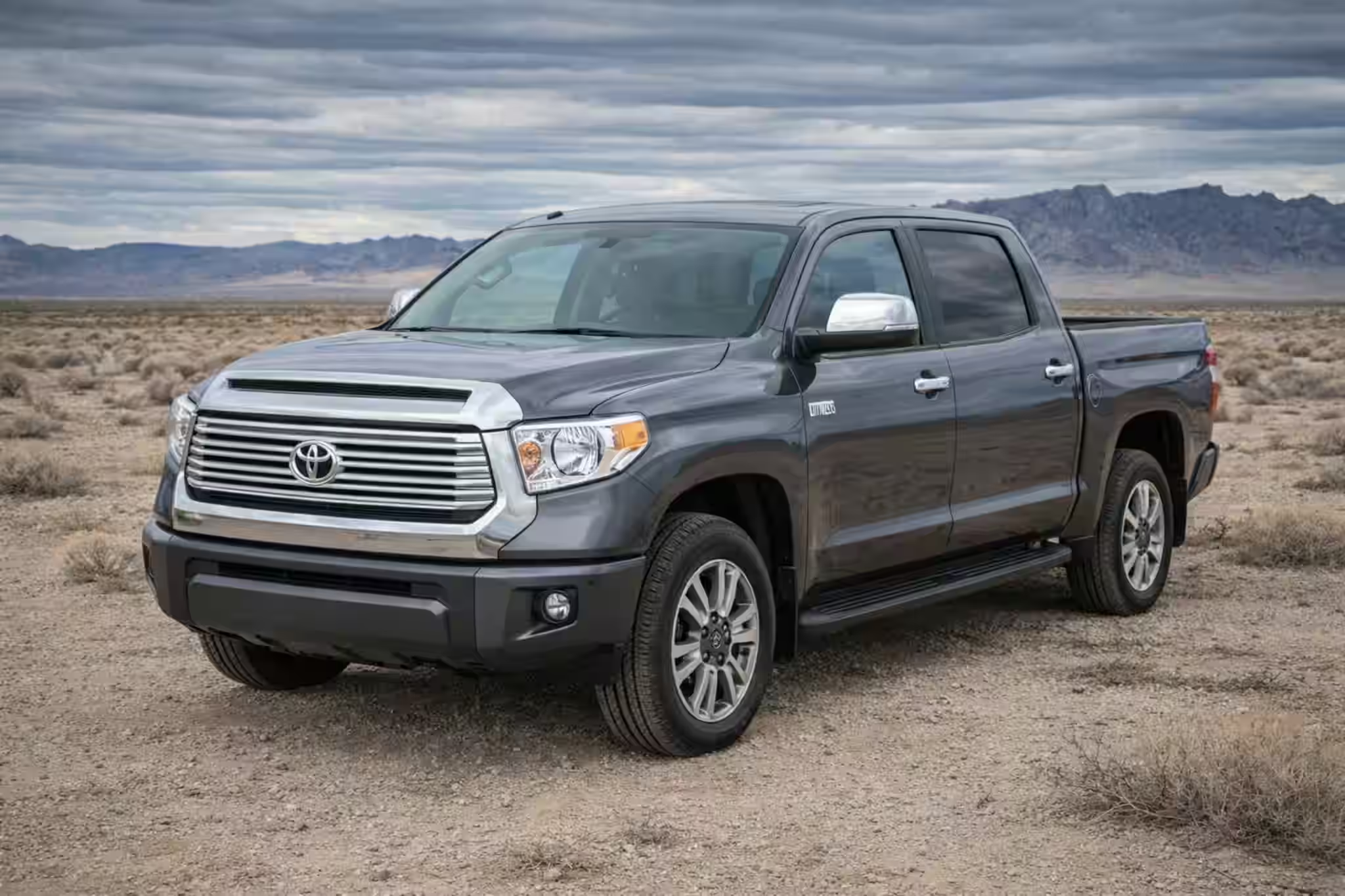


Pros & Cons
- Strong resale market demand
- Durable engines with longevity
- Affordable long-term ownership
- Infotainment glitches disrupt driving
- Transmission shudder under load
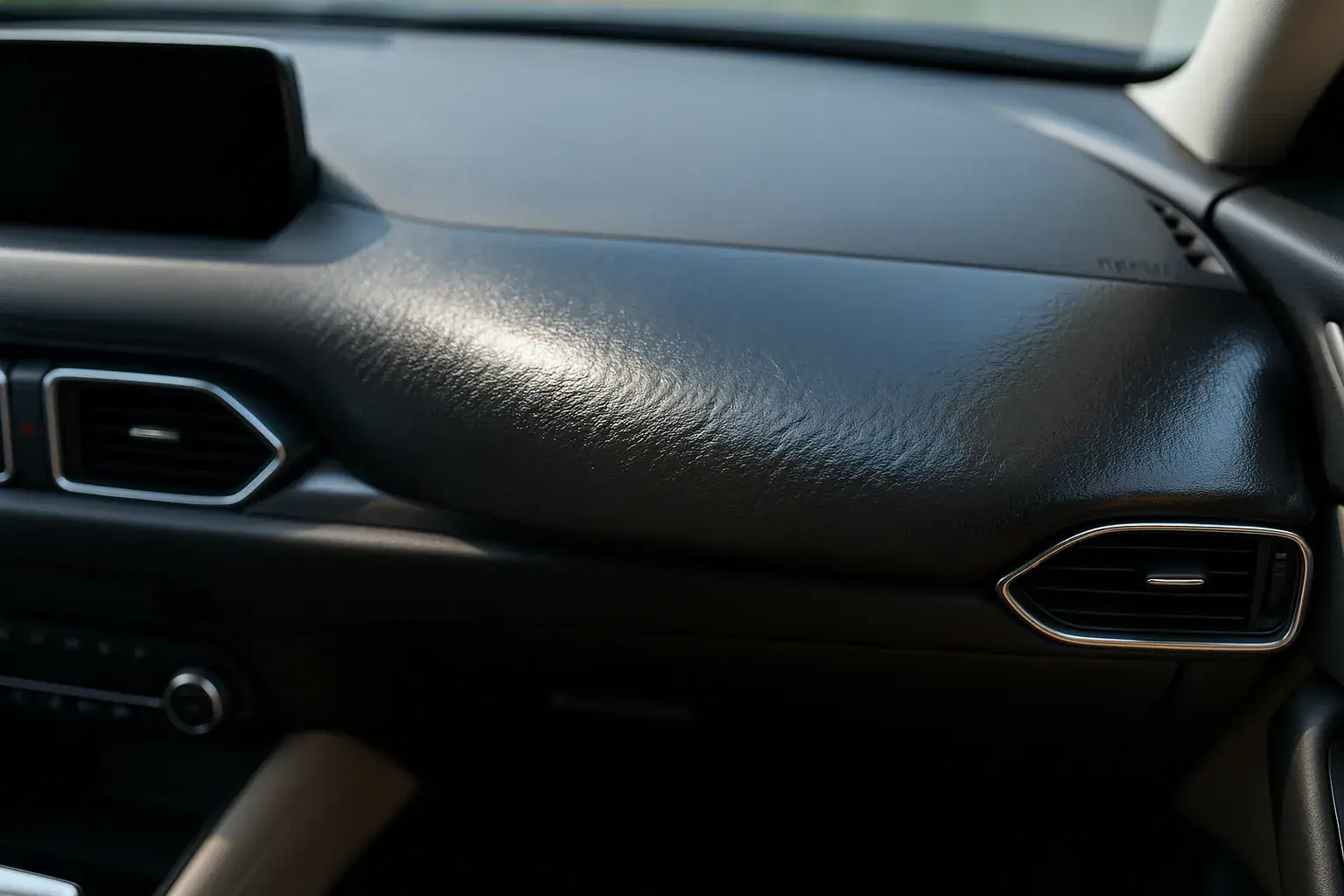
- Sticky dashboards cause glare
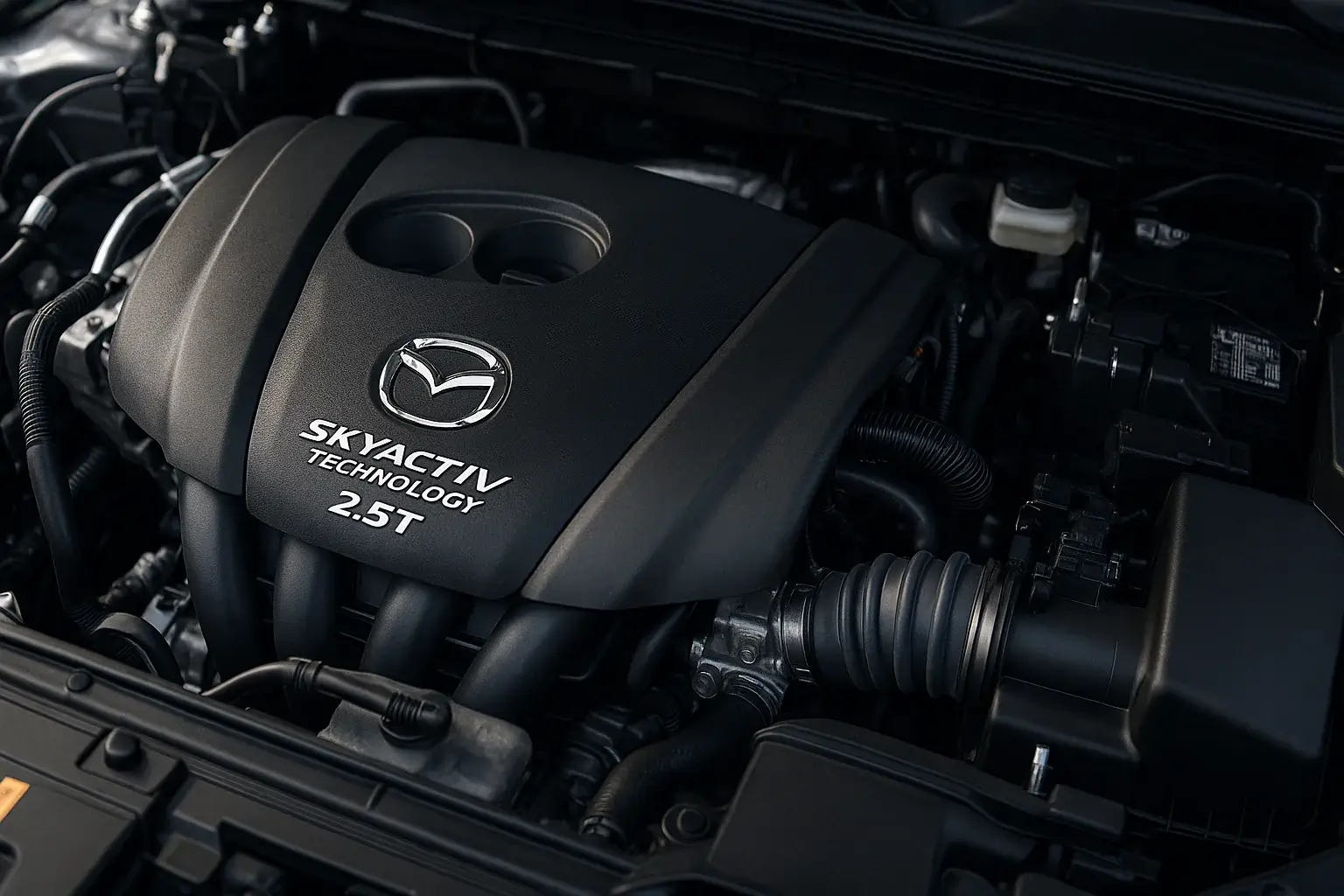
Mazda’s 2.5T gives thrilling punch, but its thirst for oil makes the dipstick your constant co-pilot.
Even quality cars can have troubles
Look, buying one of these cars is a smart move. You get a lot for your money. But let’s not pretend any machine is perfect. After spending more time under hoods and in driver’s seats than I’d like to admit, I’ve found that even the most reliable models have their… let’s call them “character-building features.” It’s not about being unreliable; it’s about knowing what to listen for so you don’t get a surprise later.
The Glitch in the Matrix: Infotainment Gremlins
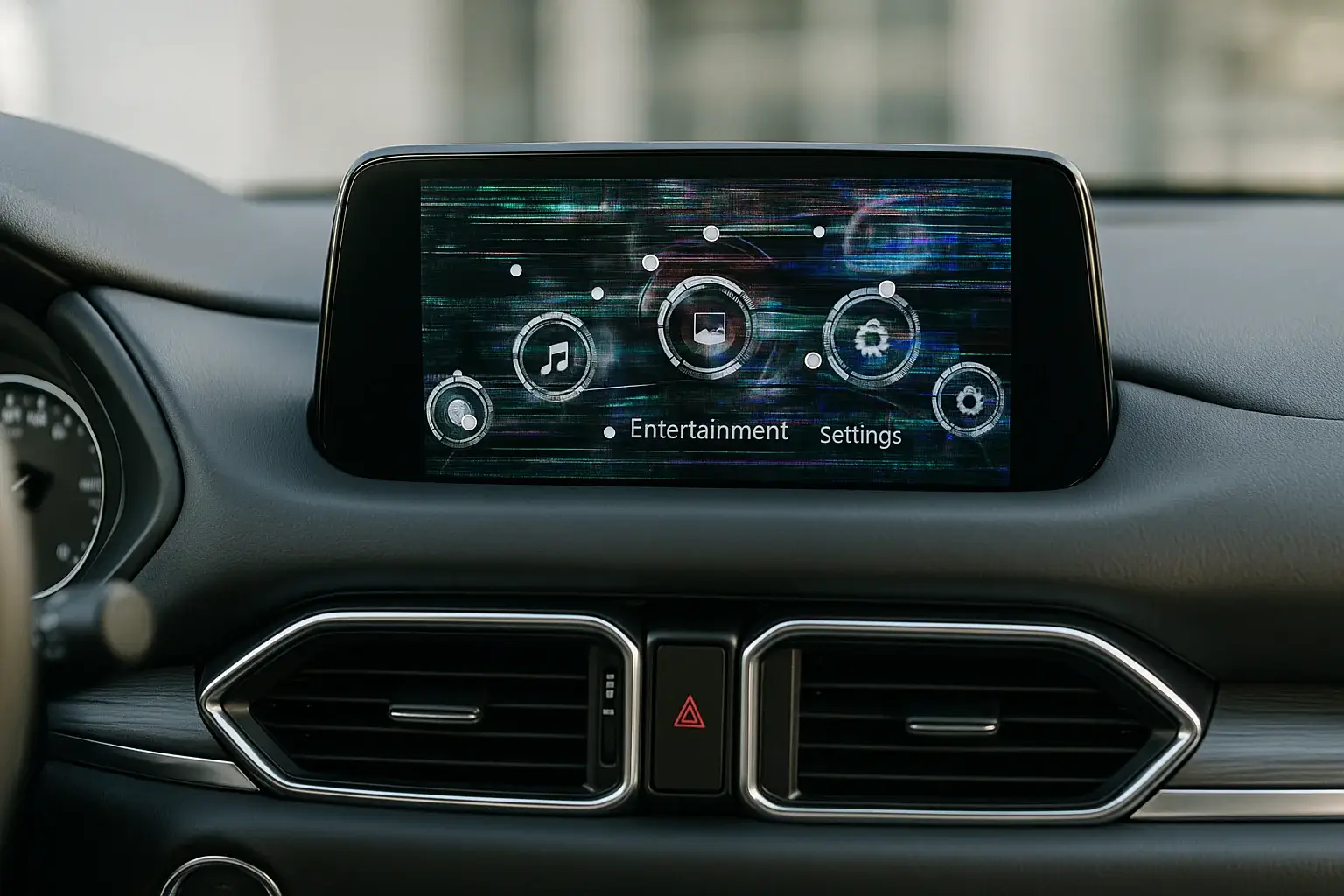
First up, the tech. That Mazda Connect system in many models can sometimes feel like it has a mind of its own. The most common glitches involve the screen doing a hard infotainment reboot right in the middle of driving, which is about as welcome as a phone call from an unknown number. Even spookier is the ghost-touch screen, where the touchscreen inputs by itself, flipping through radio stations or menus like a poltergeist with a caffeine addiction. On some models, the center display module can even develop hairline center display cracks for no apparent reason. It’s rarely a deal-breaker, but it’s a frustration you should know exists.
When the Turbo Gets Thirsty: 2.5T Engine Quirks
The 2.5L turbo engine is a fantastic piece of engineering, offering plenty of punch. However, some owners of these engines, particularly the 2.5T variants, have reported issues with high oil usage. Yeah, that’s right, 2.5T oil consumption can be a real thing. It’s not every car, but it’s common enough that you’ll want to keep a close eye on that dipstick between changes. This is often linked to valve stem seals that might not be up to the task over the long haul. On a related note, a cold-start rattle that lasts a second or two could point to the VVT actuator or a tired VVT solenoid actuator. It’s that classic “tick-tick-tick” sound that makes you wonder if something’s loose under there.
The Sounds of Suspension: Clunks, Pops, and Whines
This is where you’ll really earn your enthusiast stripes. A low-speed clunk from the front end, especially on popular models like the CX-5, is practically a rite of passage. This is frequently traced back to worn-out stabilizer-bar bushings or a front suspension pop from the control arms. In the back, if you hear a rear differential whine that gets louder on acceleration, you might be looking at a rear diff bushing failure. And that distinctive steering rack knocks over bumps? You’re not alone. It’s just the car’s way of saying hello to every pothole you’ve ever met.

The Older Guard: Pre-2014 Quirks to Watch
If you’re looking at an older model, like a 2009–2013 Mazda6 or a first-gen CX-9, your checklist gets a bit longer. On the CX-9, listen for a timing chain rattle on startup, a sign the chain or the timing-chain tensioner is tired. Timing chain stretch is a known issue. Also specific to the AWD CX-9 is the potential for a transfer case leak or even a CX-9 transfer case failure from the power transfer unit (PTU), which doesn’t like being low on fluid. And a hard brake pedal on a CX-9 can signal a brake booster failure related to a faulty brake booster diaphragm. Inside, many of these older models suffer from a sticky dashboard glare as the material degrades, making your dash look like it’s melting on a sunny day.
Newer Models, Newer Annoyances
Even the newer cars have their things. The popular 2020–2021 CX-30 has two well-documented quirks. First, some owners report a windshield distortion or even a windshield stress crack originating from the bottom corners. It’s thought to be related to the windshield HUD layer and fitment issues. Second, some of these same vehicles can suffer from a parasitic battery draw often linked to a glitchy body control module that doesn’t fully go to sleep. And across several newer models with the Skyactiv-Drive 6AT transmission, a torque-converter shudder during gentle acceleration is a known annoyance that often requires a fluid flush or software update to fix.
Transmission Issues: When Shifting Gears Gets Interesting
For a brand known for smooth driving, there are a few transmission quirks that can really make you raise an eyebrow. The Skyactiv-Drive automatic is generally solid, but it has its moments. The one that gets everyone talking is the infamous torque converter shudder. You’ll feel it as a subtle judder on takeoff or a harsh shifting sensation during light acceleration around town. It’s that brief vibration that makes you wonder if you just ran over a handful of marbles. This is often worse after warmup and during stop-and-go urban driving.
The Jerks and Jolts: Harsh Shifting Behavior
If the shudder doesn’t get you, the downshift shock might. When you ask for a quick pass on the freeway with a full throttle kickdown, the transmission can respond with a pretty noticeable Mazda6 kickdown shock complaint-worthy harsh kickdown. It’s not exactly smooth. You might also experience a shift flare—a moment where the engine revs hang a bit too high during a 2–3 upshift bang or a throttle tip-in flare. It feels like the transmission is briefly confused about its life choices. In some cases, this points to something like a sticky pressure control solenoid or general valve body wear.
The Great Delay: When You’re Left Waiting
Another classic issue is delayed engagement. You fire up the car on a cold start, shift from Park-to-Drive, and… nothing. For a second or two, it just sits there contemplating your request before finally deciding to move. This reverse delay or CX-30 reverse engagement delay is common, especially as the miles pile up on high mileage vehicles. It’s often a sign of low fluid pressure or a tired front pump seal. If the delays get worse and you notice gear slipping, especially when going up hilly terrain or towing heavy loads, it’s a more serious sign of clutch pack wear.
When Things Get Hot and Heavy: Overheating Concerns
Pushing the transmission hard, like during mountain drives or in summer heat, can lead to transmission overheating. This is a known concern, particularly for larger models like the CX-9. If things get too hot, you might see an overheat warning on the dash, and the vehicle might go into a protective limp mode, severely limiting power. This is often related to a struggling ATF filter or a restricted cooler line. Keeping the fluid fresh is critical here. And while less common on newer cars, an ATF leak from a worn pan gasket or an axle seal leak can lead to low fluid levels and all the problems that come with it.
The Manual and the Mischievous Module
Even the manual gearbox isn’t entirely off the hook. Some drivers report a clutch judder or a MX-5 clutch pedal sticking sensation. But the real headache often comes from electronics. A faulty TCM module (the Transmission Control Module) can cause a myriad of issues, from gear hunting to a complete TCM communication failure. Sensors like the input speed sensor or output speed sensor can also fail, sending incorrect data that results in harsh shifting or the transmission not knowing what gear it should be in.
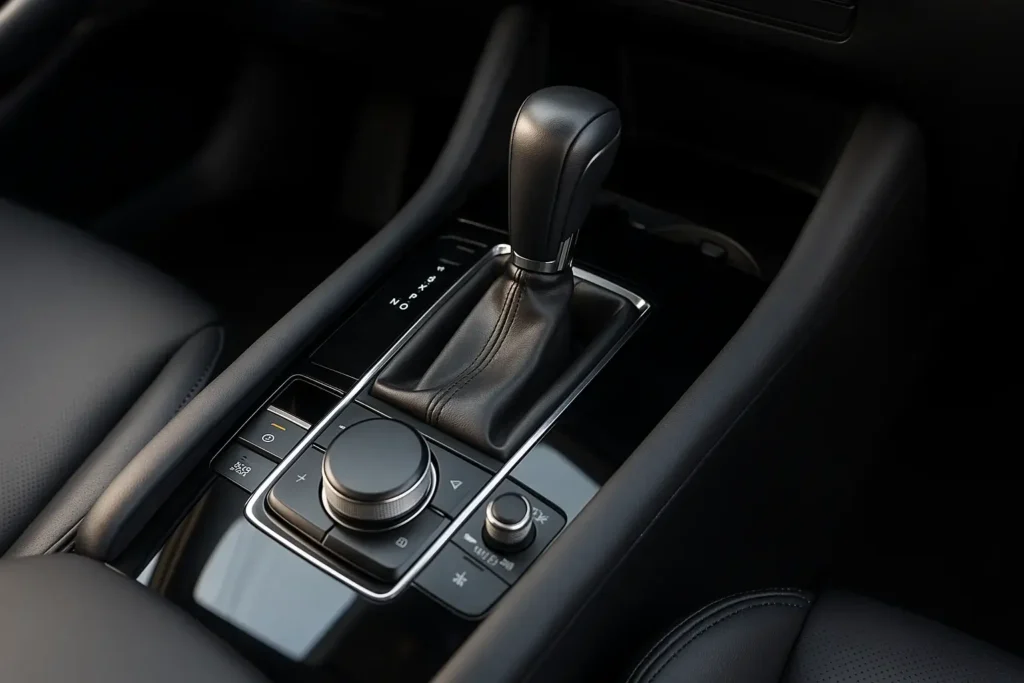
Engine Issues: The Heart of the Matter, Literally
You expect an engine to just… work. And most of the time, it does. But a few issues seem to pop up with stubborn regularity, especially as these cars age or face specific conditions. The big one you’ve probably heard about is oil consumption. There are plenty of Skyactiv-G burning oil reports, and it’s not just talk. On some high mileage engines, clogged oil control rings or worn valve stem seals can lead to the engine drinking a quart between changes. It’s the kind of thing that turns a quick low oil check into a regular habit.
When Things Get Hot Under the Hood
Overheating is never a fun time. A Mazda6 overheating in a traffic situation is a classic sign of a failing water pump or a cracked coolant reservoir. You might first notice a coolant leak from the thermostat housing or a CX-5 water pump leak staining your driveway. If you’re losing coolant and getting no heat from the vents, that’s a big red flag. This is especially problematic in a hot climate or during prolonged stop-and-go driving where the radiator fan has to work overtime. Neglected service on the cooling system is a fast track to a much bigger bill.
The Turbo Tax
If you’ve got a turbocharged model, you signed up for more fun, but also a few potential headaches. A CX-7 turbo issue often manifests as white smoke at startup, pointing to worn turbo seals. After some hard driving, you might experience a 2.5T misfire after boost, which can feel like a sudden power drop. This could be related to a struggling fuel pump or failing ignition coils that can’t handle the demand. Keeping up with maintenance is key here; running on poor fuel or putting the engine under heavy load consistently can accelerate these issues.
The Annoying Little Things
Then there are the gremlins. An unstable idle on a cold start that feels like the engine might stall can be caused by a dirty MAF sensor or a sticky EGR valve. A rough idle might just be a $20 PCV valve, but it feels a lot more expensive. Skyactiv intake valve deposits from short trips can also lead to misfiring and overall power loss. And that distinctive timing chain rattle on startup? That’s the sound of a worn timing tensioner or chain stretch, a known issue on the older MZR 2.3 engines. It’s a noise you’ll want to address before it turns into a much louder, more expensive noise.

Brake Issues: When Your Mazda Says "Whoa" Instead of "Go"
Alright, let’s talk about the one system you really, really don’t want to get creative: the hydraulic brakes. Most of the time, they’re silent heroes. But when they start talking back, it’s usually in a language of squeals, shudders, and pulses that can turn your daily commute into a guessing game.
The Annoying Chorus: Squeals, Shudders, and Dust
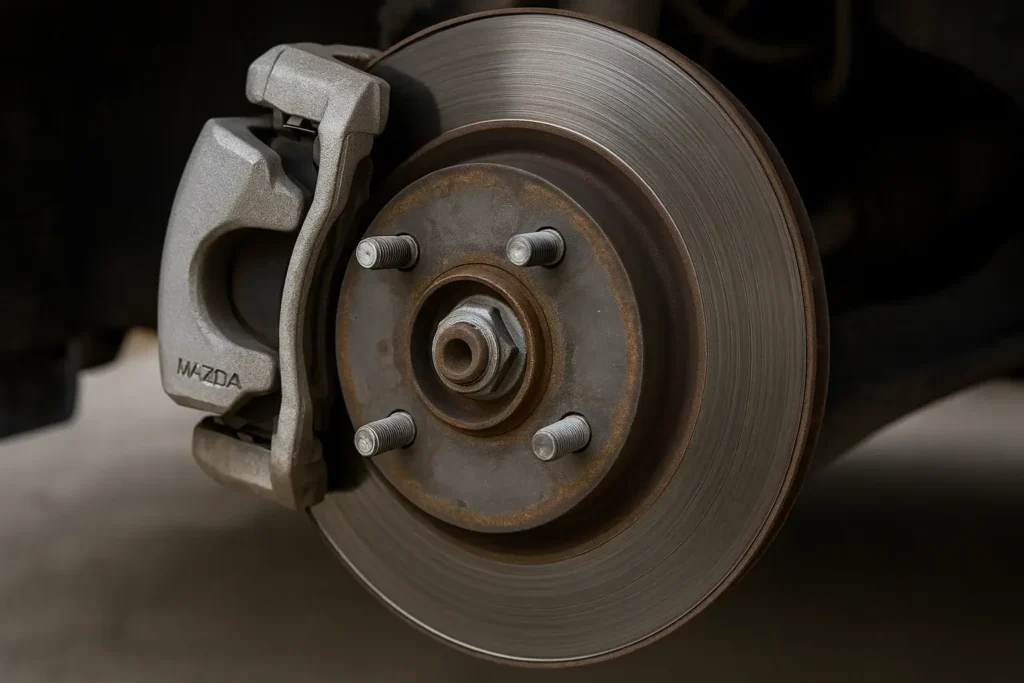
You back out of the driveway on a cold morning and are greeted by a high-pitched brake squeal that makes the neighbors’ dogs howl. On a Mazda3, brake squeal cold is practically a feature. Often, it’s just brake shims needing some grease or a bit of pad glazing from gentle use. It’s annoying, but usually not the end of the world. The real party trick is brake shudder. You’re coming off a highway ramp after some highway speeds driving, press the pedal, and the steering wheel vibration braking in a CX-9 feels like a minor earthquake. That’s frequently a sign of warped rotors or severe rotor scoring, often caused by heat soaking from hard braking or downhill braking. And let’s not forget the cosmetic side effect: the brake dust that cakes onto your front wheels with a vengeance, a direct result of your front pads doing the heavy lifting.
When the Pedal Starts Telling Stories
This is where things get less funny. You press the brake and the pedal feels spongy in your Mazda 6, with way too much pedal travel. That soft braking sensation is a genuine cause for concern. It could be air in the lines, a problem with the master cylinder, or even a brake fluid leak from a worn brake hose. If the soft pedal feeling gets worse after heat builds up, like in stop-and-go city driving, you might be experiencing brake fade, where the components just get too hot to work effectively. Another classic is brake pulsation, a rhythmic thumping through the pedal. Combined with a wheel shake, it’s a textbook sign of those warped rotors we mentioned earlier, a common complaint after Mazda3 rotor warp highway braking.
The Sneaky Stuff: Wear, Sticking, and Electronic Gremlins
Some issues don’t announce themselves with a shout but with a slow, expensive whisper. Premature wear is a big one. You notice your CX-5 rear pads wear out suspiciously fast despite the car having low mileage. The culprit? Often, a caliper sticking. The caliper’s caliper pins gum up, preventing it from retracting, so the pad is constantly rubbing against the rear rotors, causing uneven wear and generating extra friction noise. This is a common issue showing Mazda 2 caliper sticking symptoms. Then there are the electronic mysteries. You’re driving after rain or through a puddle, and suddenly the ABS warning illuminated on your CX-30 dashboard. This intermittent ABS fault is often traced back to a corroded wheel speed sensor or a finicky ABS module that gets confused by wet conditions.
The Root of the Problem: It’s Usually the Little Things
While it’s easy to blame the brake pads and brake rotors themselves, and they are consumable items, many problems stem from the supporting cast. That spongy pedal might be old, moisture-contaminated DOT 3 fluid that needs a flush. A caliper sticking is frequently just those caliper pins begging for lubrication. A vibration could be a rusty backing plate lightly contacting the rotor. Even the brake booster or the proportioning valve can play a role in weird brake feel. The point is, the brake system is a team sport, and when one player slacks off, the whole performance suffers.
The Great Melting Dashboard Saga
You hop in your car on a sunny afternoon and your hand brushes against the instrument panel. Instead of a nice, textured surface, it feels… sticky. That’s your first introduction to the Mazda sticky dash. It’s not just a little surface tackiness; we’re talking full-on adhesive ooze on the dashboard. This is the hallmark of a melting dashboard, a special gift for owners in sunbelt states and humid regions. The root cause is usually the breakdown of the polyurethane foam underneath the vinyl skin. After extended exposure to direct sunlight and high UV rays, that foam basically gives up on life, causing the vinyl breakdown that leads to the sticky residue.
This material deterioration is more than just an eyesore. That glossy dash surface becomes a glare hazard of epic proportions. On a bright day, the dash shine creates a perfect windshield reflection, a shiny dashboard causing reflection right in your line of sight. It’s like having a shimmering glare line across your windshield that’s downright dangerous. This interior glare reducing visibility is a documented sticky dash safety concern with plenty of NHTSA complaints to back it up. The Mazda dashboard glare issue, particularly noted in models like the Mazda6, turns your instrument panel into a makeshift mirror.
If your car is an older model and spends its life parked outside, you’re a prime candidate for this mess. The summer heat in places with coastal heat turns your cabin into an oven, leading to high cabin temps that accelerate interior heat damage. The dashboard material doesn’t just get sticky; it can also suffer from brittle cracking over time. You might see the vinyl skin start to warp or delaminate, a condition often called dashboard delamination. The crash pad near the defroster vents is often the first place to show signs of heat warping or dash pad failure.
The good news? Mazda isn’t completely oblivious. There’s a warranty extension for dashboard issues on certain models. It’s worth checking if your VIN qualifies. Sometimes, a dealer goodwill repair is possible even outside the formal extension. The real fix, however, is a replacement dashboard. But without a robust UV coating or diligent use of sunshades, the new one might eventually suffer the same fate of UV dash damage and hot climate dashboard deterioration. It’s a battle against the sun, and the sun is notoriously stubborn.

What should you do if there is an issue with your Mazda?
Alright, so the dashboard is lighting up like a Christmas tree, or you’ve got a new, exciting noise coming from underneath the car. First things first, don’t panic. Your game plan starts with a little detective work before you even think about calling a dealer service department.
Before you spend a dime, grab your VIN and do a recall lookup. Head over to the NHTSA database or the manufacturer’s website and check VIN for recalls. If you’re driving a CX-5 from a certain year, there might be an open emissions recall or a safety recall that’s causing your headache. This is the easiest win possible, as these fixes are free. While you’re there, it’s smart to request TSB-based repair info; a quick search for something like “Mazda3 TSB” related to your issue can arm you with knowledge. Service bulletins are like the manufacturer’s cheat sheets for known quirks.
Now, figure out if you’re under warranty or out-of-warranty. This is the single biggest factor in what you do next. If you’re still covered, your path is straightforward: book warranty repair visit at a franchise dealership. Get a case number for your repair order and open a service case. Don’t be shy about asking for a loaner vehicle if the job might take a while. If your warranty has expired, it’s time to weigh your options. Depending on the problem’s severity and your rapport with the service advisor, you might try to get goodwill assistance, especially if you have a solid service history with them. A goodwill repair isn’t a guarantee, but it’s worth a polite ask.
If the repair is on your dime, the next step is to understand the cost. Always schedule dealer diagnostic first. Yes, there’s a diagnostic charge, but it’s the price of an authoritative answer. Get a detailed repair estimate. Then, take that estimate to a trusted independent shop for a second opinion. You need to compare parts and labor. Ask the dealer for a dealer verified breakdown and have the independent garage give you their own independent shop quote. Look closely at the parts pricing, will they use genuine OEM parts or aftermarket only options? For some things, like a catalytic converter, OEM parts are often worth the premium. For others, like a cabin air filter, an aftermarket only part is a perfectly fine budget repair. Don’t forget to compare OEM and aftermarket options for things like rotors and pads, and always ask to see the dealership labor rate chart versus the labor rates at the independent garage.
Some jobs are certified only. If your car has a complex issue or needs ADAS calibration after a windshield replacement, a franchise dealership with a master technician is usually the safest bet. But for simpler, DIY friendly tasks? A DIY battery terminal clean or learning to reset TPMS warning with an OBD-II scanner can save you a trip and some cash. Just be honest with yourself about your skill level.
Finally, manage the process. Use the online appointment scheduler to book your dealer appointment and ask about same-day or quick repair turnaround for smaller jobs. If you hit a wall with the service department, don’t hesitate to ask for escalation to a manager. And remember, keeping up with your maintenance interval is the best preventative medicine. It’s also a good idea to get a certified inspection periodically, so you’re not blindsided. Know what your extended warranty covers, and always understand the warranty coverage details. For true emergencies, know how to use your roadside assistance benefit. It’s all about being a smart, prepared owner.

The Long Haul: Is It Still Smiling After 100,000 Miles?
So, you’ve waded through the common gripes. Now for the big question: should you actually get one? Forget the brochure; let’s talk about what happens after you’ve paid the ticket and are years down the road. The final thoughts for buyers really boil down to this: Mazda reliability isn’t just a buzzword; it’s a long-term durability story that plays out well for your wallet.
From my own experience, and from talking to countless other owners, the owner satisfaction here is legitimately high. It’s not just about the car being fun for a week; it’s about owner satisfaction over time. These cars are built to be driven. Whether it’s city commuting or a harsh climate, they tend to rack up trouble-free miles without much fuss. That’s a big part of why the used market demand is strong. You see a lot of off-lease models and high mileage examples out there, and people snap them up for good reason.
Let’s talk about cash. The total ownership cost is where these cars shine. While the initial depreciation rate might feel a bit steeper than a Toyota in the first couple of years, that depreciation curve flattens out nicely. Look at any KBB appraisal or Edmunds TCO data, and you’ll see that the depreciation over five years isn’t a horror story. This leads to surprisingly solid trade-in values and a strong resale value overall. Some of the best models for resale hold their value like a champ, defying the usual resale trends for non-luxury brands.
Now, about keeping it on the road. The running costs are generally low maintenance. Sticking to the factory maintenance schedule is key, but the repair frequency vs rivals is commendably low. Out in the real world, this means your maintenance costs over time are predictable and manageable. Even when something does need fixing, you have a choice. A dealer service department is great, especially if you can leverage a CPO warranty, but an independent mechanic won’t run away screaming. The OEM parts costs aren’t astronomical, which is a relief when you’re out-of-warranty.
All those reliability ratings and the dependability score from various owner surveys aren’t just for show. They translate to a car that delivers long-term performance without draining your bank account. For a budget-conscious second owner or a family ownership situation, that long-term cost of ownership peace of mind is huge. The powertrain warranty is decent, but the real win is the longevity record.
So, what’s the Overall Mazda reliability verdict? It’s a buy with confidence recommendation, especially if you find a well-kept certified pre-owned model. The certified pre-owned advantages, like extended warranty coverage, are a fantastic safety net. For anyone wondering if it’s worth buying used, the answer is a resounding yes. You get a car that’s been designed for daily driving and mixed usage, with a proven track record. It’s a smart choice for the long run.

EngineWhy do some Mazda models experience high oil consumption in the 2.5T engine?
TransmissionWhat causes transmission shudder or delayed shifting in Mazda vehicles?
InteriorHow serious is the sticky dashboard and glare issue in older Mazda models?
| Author | Hafiz Sikandar, automotive journalist and editor at VyoCar. |
|---|---|
| Expertise | Covering Japanese and mainstream automakers since 2015 — with deep dives into reliability trends, owner complaints, and long-term usability insights. |
| Focus Areas | Mazda, Honda, Toyota, and other everyday vehicles, with emphasis on durability, maintenance quirks, and real-world ownership costs. |
| Disclosure | This Mazda reliability review is an independent analysis compiled from personal testing, owner feedback, and technical documentation. Mazda had no involvement in the editorial process. All impressions, reliability notes, and problem assessments are based solely on real-world usage and verified reports. |