

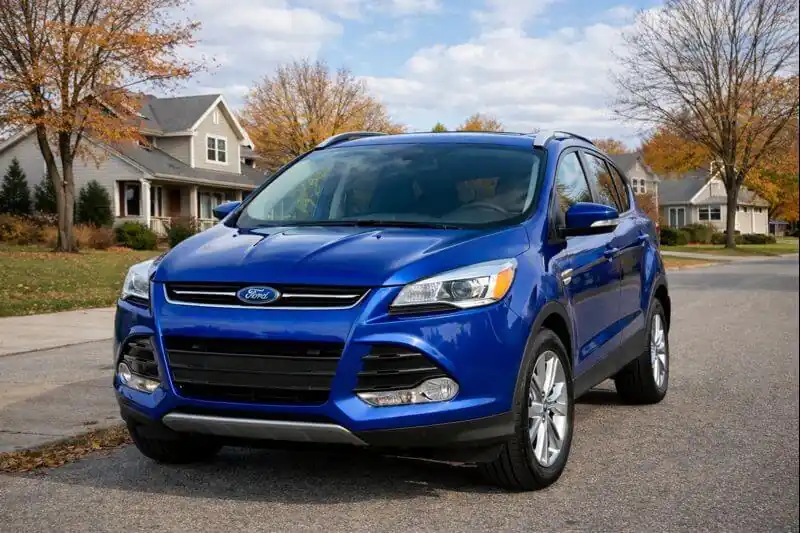
Pros & Cons
- Potent turbocharged engine acceleration.
- Spacious hands-free cargo area.
- Intuitive Sync 3 interface.
- Common transmission reliability issues.
- Disappointing real-world fuel economy.
- Untested small-overlap crash safety.
2016 Ford Escape Titanium Review with Vyocar
A lively turbo engine forever let down by a notoriously fragile and jerky transmission that turns every drive into a gamble.
Overview
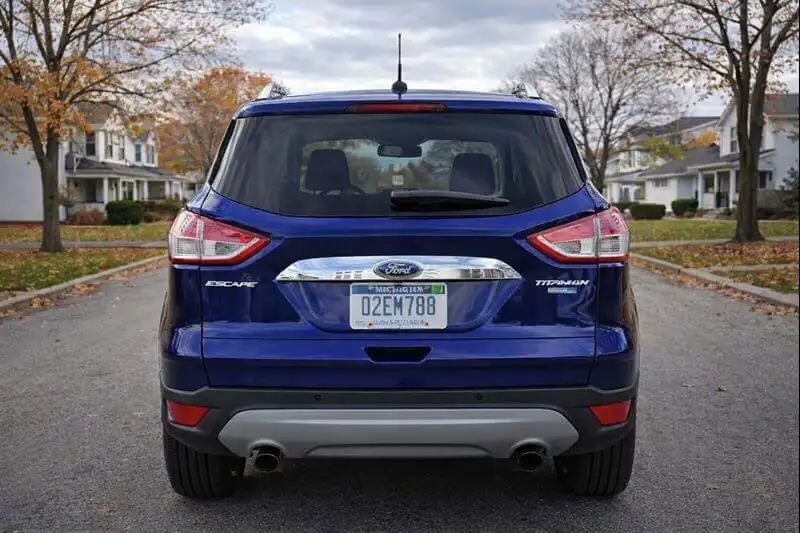
Let’s talk about the 2016 Ford Escape, specifically the Escape Titanium. In the realm of Compact crossover SUVs, this rig is crafted for commuting to work, taking your kids to school, or loading up goods for a ski trip. Buyers cross shopping mainstream compact SUVs like the Hyundai Tucson will recognize this everyday versatility immediately. But it hasn’t sacrificed its sense of fun. Borrowing the engaging Ford Focus platform, it drives like a Focus on its tiptoes – and that’s a compliment. It delivers a car-like grin without fully abandoning its compact crossover SUV roots.
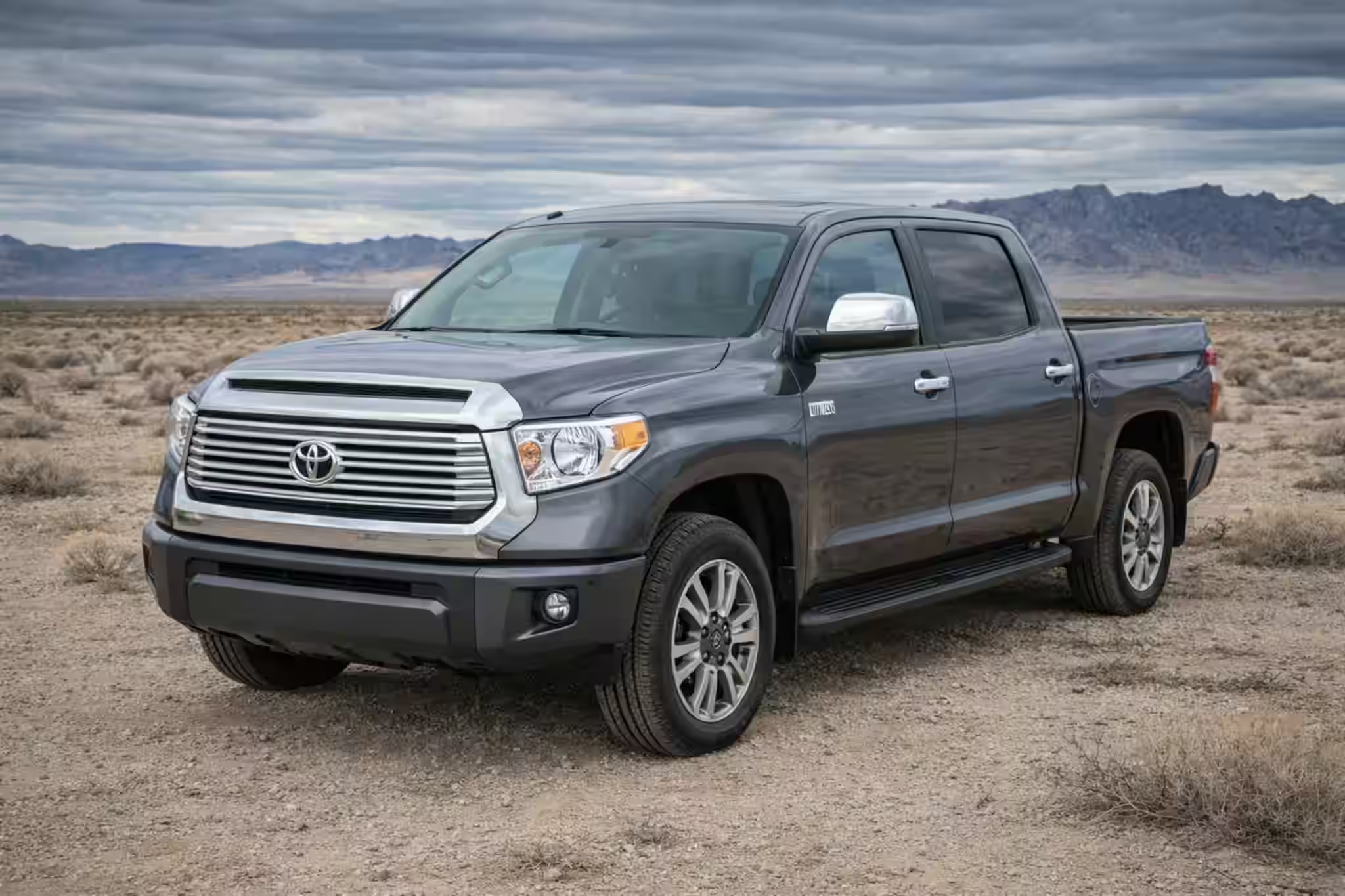
Pop the hood and you’ll find a turbocharged 2.0-liter engine that legitimately makes this one of the quickest small crossovers available. It earns its crossover stripes with optional all-wheel drive and respectable fuel economy. The spacious cargo bay is a practical win, while the available hands-free power liftgate and its super-cool foot sensor let you load up with absurd ease. Among handsome crossovers, this one gets the daily grind.
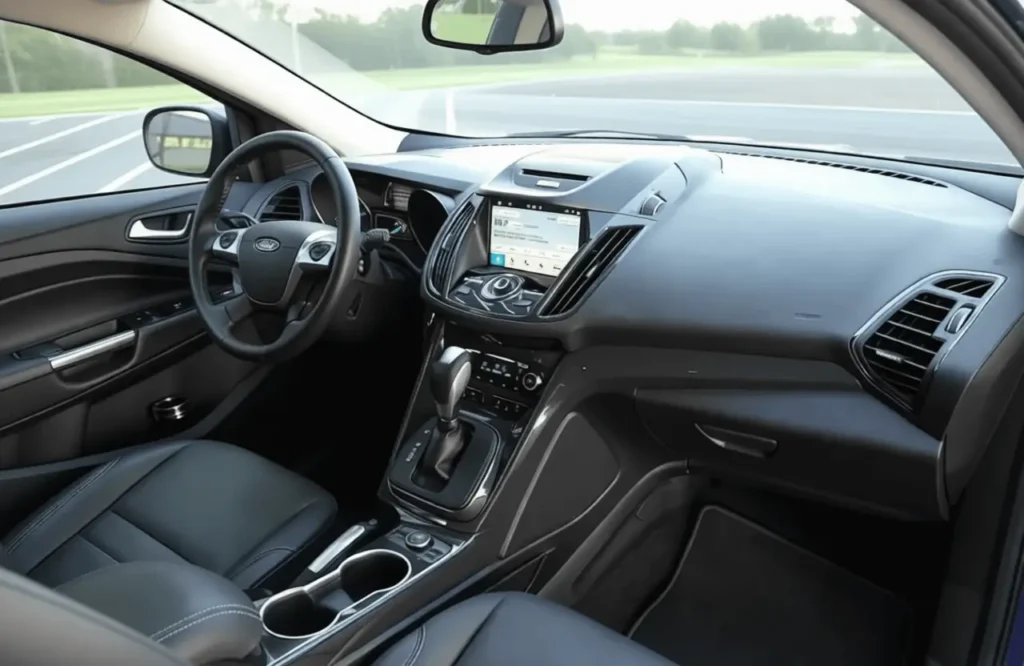
Step inside to one of the better cabins here, swathed in premium materials and packed with generous standard items: a rearview camera, USB connectivity, and truly useful voice controls. Despite its compact appearance, it’s pretty spacious behind the front seats for adult passengers. You perch up with a higher center of gravity, offering that SUV-style commanding view of the road we all secretly love for the ego boost, not just the visibility.
What’s New for 2016
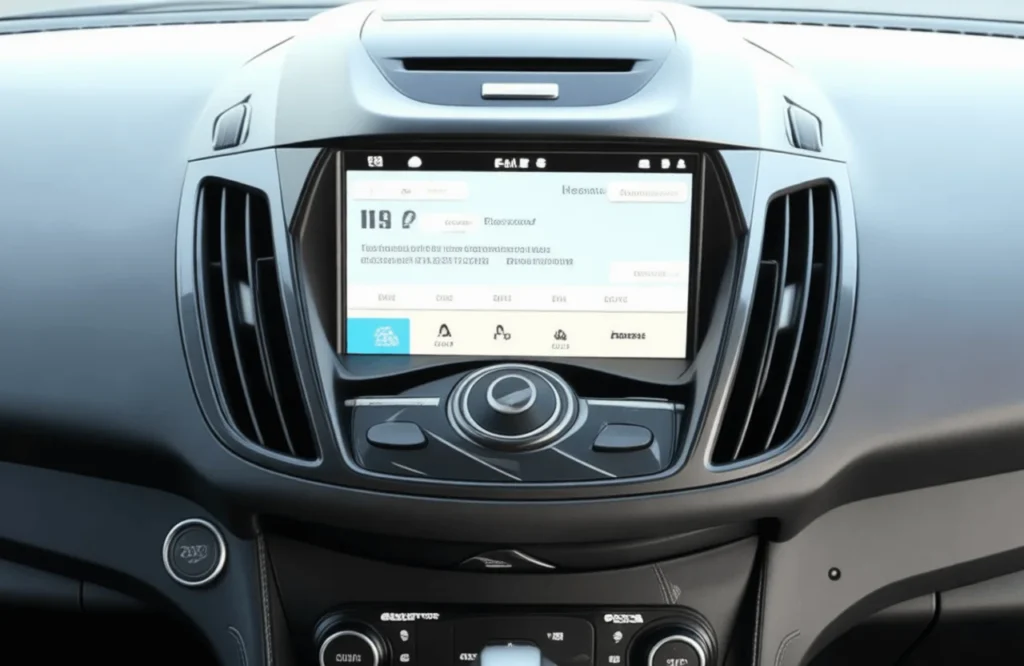
The previous infotainment system was a headache. Built with Microsoft know-how, it felt plagued from birth with significant usability issues. I endured its finicky operation daily, pressing virtual buttons like a lab rat. For 2016, Ford wisely starts over with a clean slate via the BlackBerry-powered Sync 3 system. Frankly, it’s a real step forward. The central touchscreen now features a sensible strip at the bottom, and the simplified menu responds with quicker response times. Even better, intuitive pinch-and-swipe functions make it work just like a smartphone. I can finally zoom the map without cursing. Progress, indeed.
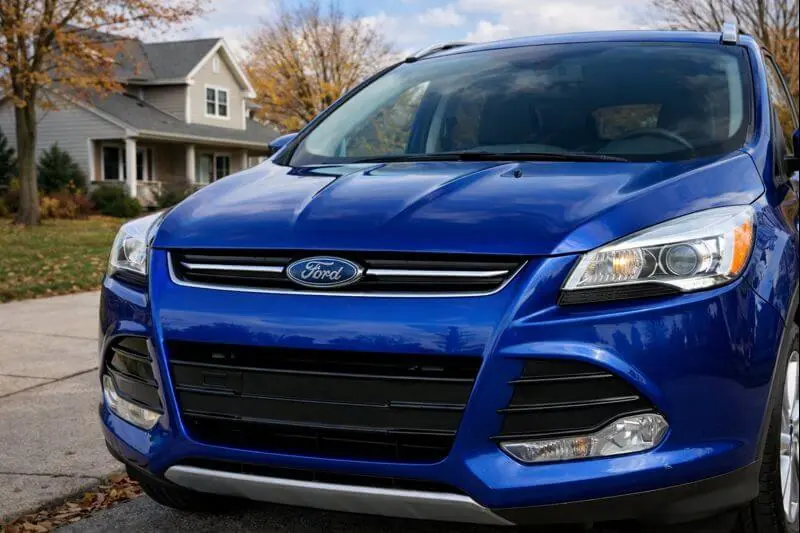
Pricing, Trim Levels, and Best Pick
The 2016 Escape gives you three trim levels: the humble S, the sensible SE, and the Titanium at the top of the line. The original Base MSRP ranged from $23,590 for the S, to $25,790 for the SE, and $27,540 for the Titanium and yes, that Excludes Destination Fee. Flash to the used lot today, and you’re staring at numbers like $29,995 or even $31,745 for a fancy one. No surprise, the SE is the Most Popular. Worried about fuel and upkeep? The Cost to Drive Monthly estimates based on costs in North Dakota land near $139/mo, sneaking under the Avg.
Powertrain, Transmission, and Driving Dynamics
My turbocharged 2.0-liter four-cylinder. With 240 hp and 270 lb-ft of torque, the Escape 2.0 AWD feels properly motivated. It accelerated to 60 mph in about 7.0 seconds back in the day, which still feels quick today. That puts it among the quickest small crossovers in this price range. Toyota RAV4 shoppers will get why that matters. The steering is quick and precise, giving it relatively sharp reflexes for a tall wagon. It’s no sporty hatchback, but it handles quick transitions without drama, feeling firmly planted to the pavement. Among the segment’s top athletes, it holds its own.
Now, the transmission. Officially, it’s a 6-Speed Automatic w/SelectShift. Let’s call it the 6A. Most of the time, it’s fine. But live with one and you might notice hard shifts from 3rd to 4th, especially when the vehicle is warmed up under a heavy load. Ford called this a sealed no maintenance transmission. I changed my tranny oil anyway with a power flushed unit, hoping to avoid the overheating and complete tranny failure stories you read about. I got lucky. Others hear a grinding noise, see a transmission fault service now light, or find their mechanic saying the transmission looked suspicious. A mechanic friend said transmission is sus on many of these. The fix? A bench rebuild from a transmission shop rebuild, a used transmission with warranty, or a trip to the wrecker.
The Intelligent 4WD system is mostly transparent, shuffling power to the rear when the front wheels get silly. It’s fine. Most folks will be perfectly content with front wheel drive to save some coin. Honda CR-V shoppers will nod along. Just know the optional setup is there if you need to tow up to 3,500 pounds. Ford offered two other engines. Avoid the base 1.6-liter turbocharged engine. Just trust me. The 2.5L naturally aspirated four cylinder is just adequate and not dangerously under powered, but it’s no powerhouse. Its virtue? It’s quiet, smooth, and decently fuel efficient. Crucially, it is NOT direct injected, so you won’t get the carbon build up on intake valves that plagues many GDI engines. With tall gearing and gently driven, it can post impressive numbers on long trips.
So, the dynamics? It’s competent. The elevated driving position is what you’re buying. The 2.0L engine has genuine pep. But that 6A gearbox is the ghost in this machine. Do a full throttle pull and listen for skipping gears or a rough idle. It’s the gamble. When it works, you’ve got a speedy, handy runabout. When it doesn’t, you’re funding someone’s rebuilt transmission business.
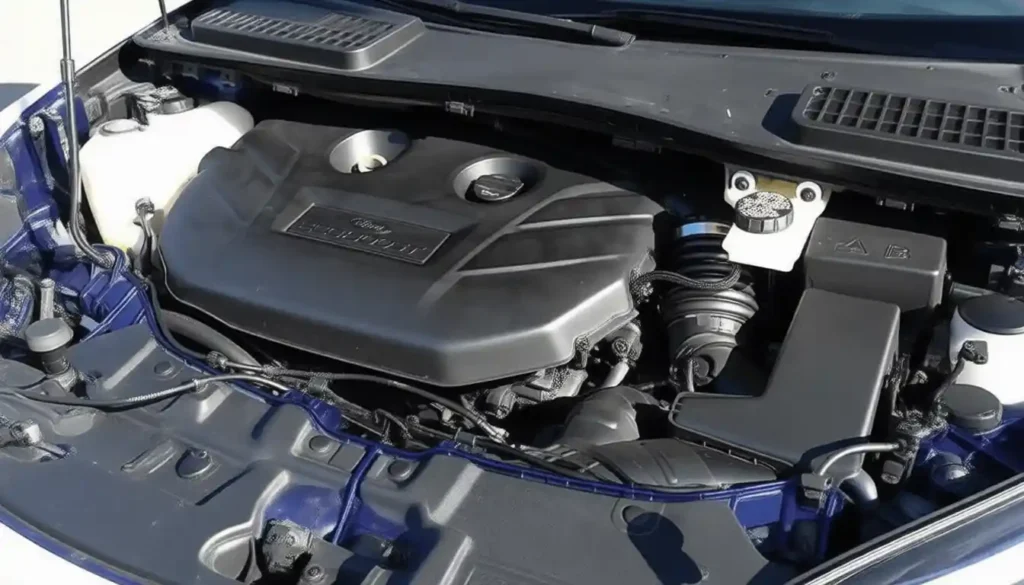
Ford Escape Titanium Fuel Economy Test
The window sticker shouts 25 mpg combined, with 22 city/30 highway for the 2.0L EcoBoost. Sounds good, right? But here’s the rub: my own Fuel economy rates told a slightly different story. In my week with it, I averaged 23 mpg combined. That’s closer to the smaller engine’s rating of 21 city/28 highway. Not terrible, but not the promise of the engine tech I was hoping for in daily grind.
City driving is where dreams meet pavement. The EPA says 22 City / 31 Hwy MPG for the front-wheel drive version. I saw 22 City/31 Highway on a good day with a feather foot. But more often, it was 23 City/32 Highway that required hypermiling tactics nobody actually uses. The official 26 Combined MPG (23 City/32 Highway) for the FWD model feels like a stretch in stop-and-go traffic. My real-world Combined MPG? Solidly in the 25 Combined MPG (22 City/31 Highway) ballpark.
Now, take it on the open road, and this Escape can return some impressive numbers on long trips. I once clocked a City / 32 Hwy MPG reading on a steady cruise. That’s when the tech under the hood finally sings. It’s not a miracle, but it’s enough to make you forget the thirsty city sessions.
So, should you Calculate my fuel costs? If you’re comparing specs, look at the Fuel economy rates from the EPA. But for your budget, assume the lower end. The Fuel Economy story here is about managing expectations. It’s a family hauler, not a prius fighter. You’ll get where you’re going without bankrupting yourself, but you won’t be writing home about the mileage either.
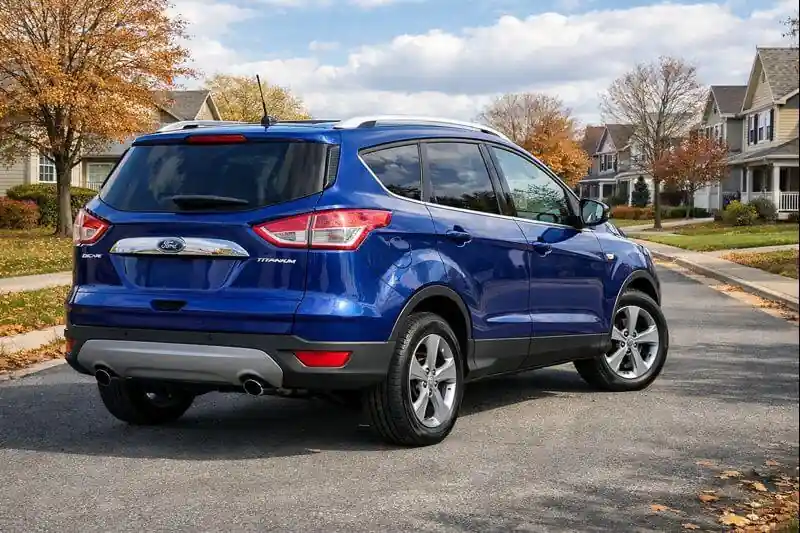
Interior, Comfort and Space
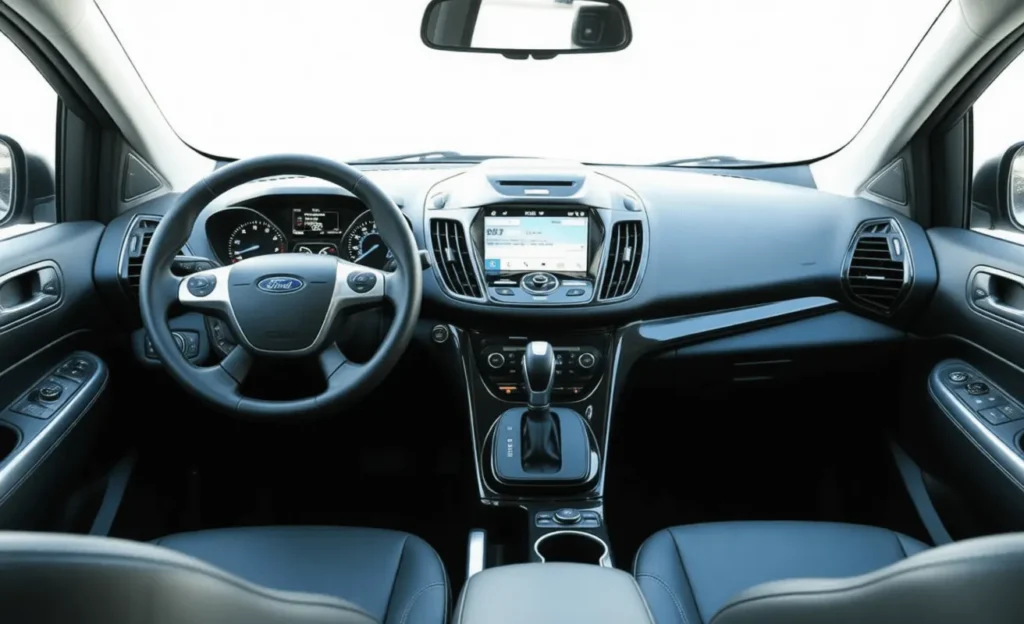
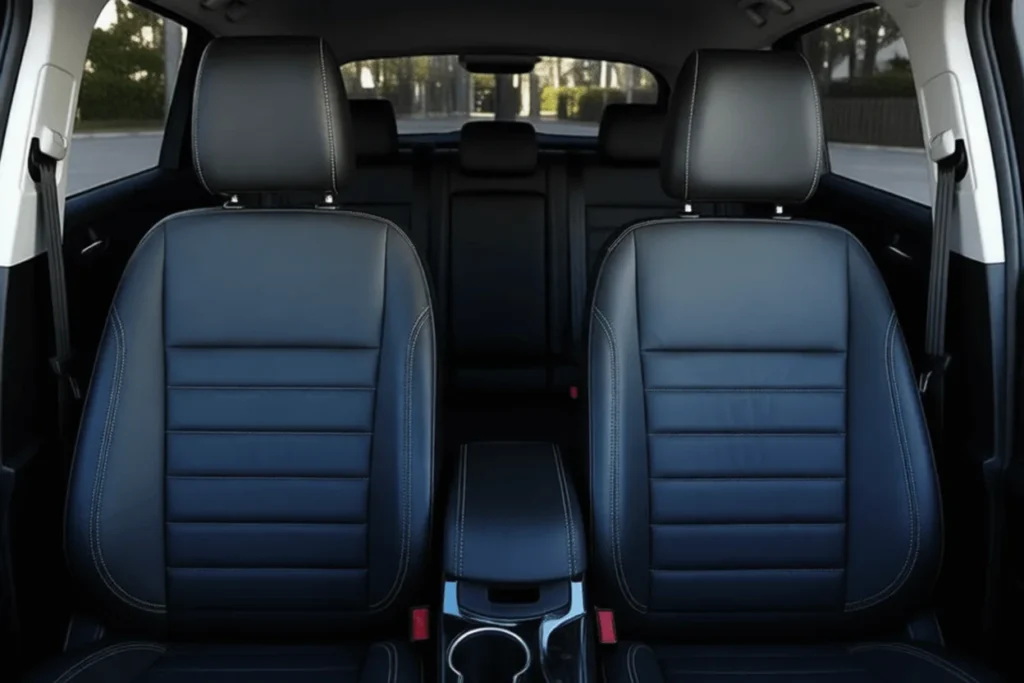
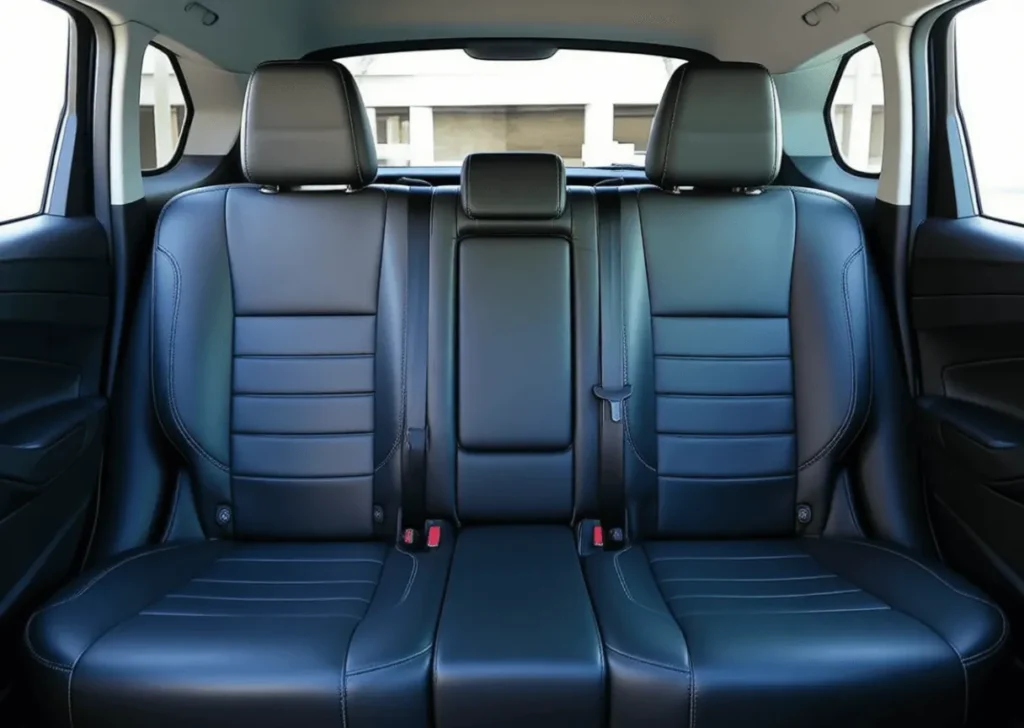
You get plenty of headroom thanks to that squared-off roof line, a genuine win for anyone over six feet. The spaciousness feels honest; I had adequate legroom even with the seat pushed back. Hauling bulky items or your big dogs is a breeze with the 60/40-split folding and reclining rear seat, and those rear bench seats even offer a reclining backseat for passenger naps. The panoramic sunroof? That’s a welcome touch of luxury without the premium brand price tag.
Comfort? The height-adjustable driver seat and tilt-and-telescoping steering wheel let you find your throne without contortions. My Titanium came with leather upholstery, though upgraded cloth upholstery is there for purists. The heated front seats, heated mirrors, and windshield wiper de-icer from the Cold Weather package are borderline heroic in a frost. Add rear privacy glass, a rear center armrest, and an eight-way power-adjustable passenger seat with power lumbar and driver memory settings, and you’re being spoiled, not just seated.
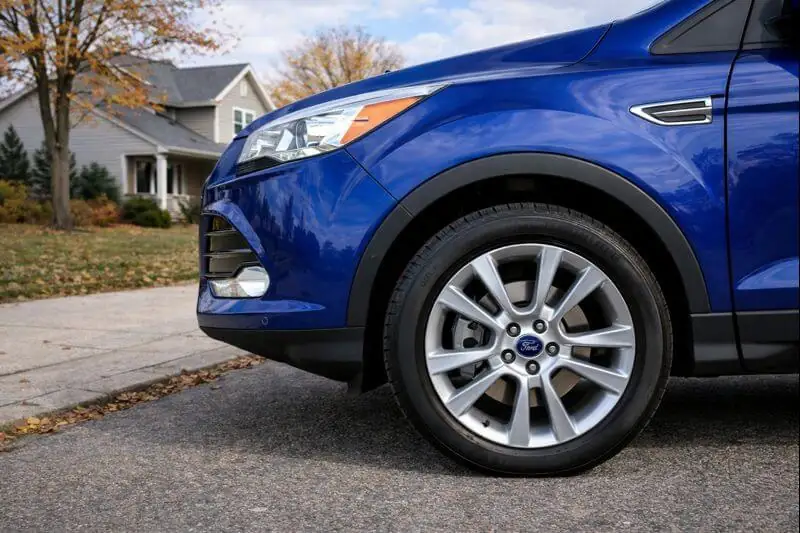
On the move, the ride quality is steady, but those Continental tires sure hum with tire noise. Thankfully, interior sound was minimal enough for conversation. Daily details shine: dual-zone automatic climate control and air-conditioning prevent cabin wars, the 110-volt household-style power outlet charges a laptop, and ambient interior lighting sets a decent vibe. An auto-dimming rearview mirror cuts glare, while full power accessories, keyless entry, and cruise control are expected but appreciated. Those alloy wheels look the part, I guess. And for the record, simple headroom and legroom here are genuinely usable, not just brochure promises.
Cargo Space & Family Practicality
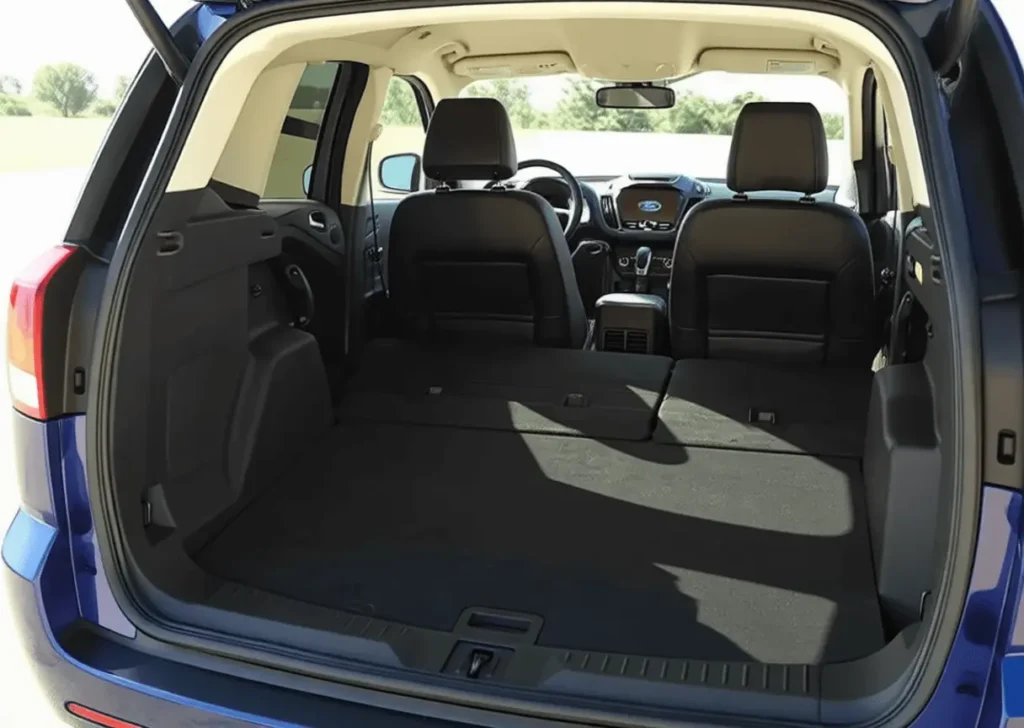
You’re not buying this thing for lap times. You want to know if it swallows your life’s clutter. With All Seats In Place, the cargo area measures a competitive 34.3 cubic feet. That’s 34.3 cu.ft., a satisfactory number for the segment for groceries or diaper bags. But flipping the rear seats down via the handy one-touch lever opens up 68.1 cubes of space. I said 68.1 cubes of space, that’s a legit haul. The squared-off roof line allows bulky items like a cheap dresser or a week’s camping gear, and big dogs to fit pretty easily. It’s a box on wheels, and I mean that as a compliment.
The hands-free power liftgate is a nifty feature for when your hands are full of toddler or pizza. A simple wave of your foot under the rear bumper does the trick, as long as you have the key somewhere on you. No magic, just physics. The rear bumper takes a beating from loaded coolers, and the roof rails are your ticket for oversized holiday trees. It’s about making the mundane actually manageable.
Infotainment, Connectivity & Tech
The 2016 Escape Titanium saddles you with the MyFord Touch infotainment system on its central touchscreen. It’s like using a flip phone in a smartphone world, honestly. But hey, the update to Sync 3 technology interface is a genuine step up. The 8-inch touchscreen responds better, and the Sync voice command electronics interface actually understands my mumbles half the time. I still crave buttons, which leads me to those twin banks of form-over-function buttons in a V-shaped pattern around the 4.2-inch central display. They look slick but make fiddling with the Trip Computer more confusing than it should be. The instrument cluster features full color screens that are easy on the eyes, and basics like power windows & locks are present, thank goodness.
For connectivity, it checks the boxes. Bluetooth phone and audio connectivity works without a fuss, and AppLink smartphone integration lets you boss around a few apps from the screen. You get a USB port, or dual USB ports if you opt for the upgraded audio. Speaking of, the standard six-speaker sound system is fine for talk radio, but the available nine-speaker sound system or the thumping 10-speaker Sony audio system are where the party’s at. There’s a CD player for your dusty collection, satellite radio for endless channels, and HD radio for clearer music. Keyless entry and ignition are convenient, though that keyless entry keypad on the door feels like a neat relic.
Now, the optional Technology package piles on the gear. You get xenon headlights, automatic headlights, and foglights to light your way. The blind-spot warning system with cross-traffic alerts and rear cross-traffic alert are genuine parking lot guardians. Automatic wipers work well enough, but the self-parking system? I can parallel park faster myself. The built-in navigation system exists, but I usually used my phone. And those voice controls? They help when your hands are full, but they’re no substitute for just reaching over and pressing a button.
Safety Features & Driver Assistance
Look, I’ve driven enough cars to know the safety suite is usually a snooze. The Antilock disc brakes and traction and stability control are your basic, competent guardians. You get the full airbag roster: front-seat side airbags, a driver knee airbag, and full-length side curtain airbags. Standard stuff, but it works. The clever bit is MyKey, or MyKey parental controls, enabling owners to set electronic parameters for younger drivers. It’s a digital nag, like having a co-pilot who’s your mom. I appreciate the blind-spot mirrors and available blind-spot monitoring; it’s a genuine help, not a gimmick. They also tossed in a post-collision safety system, an Alarm, and a Tire Pressure Warning. It’s a solid, if predictable, safety blanket.
So how does it crash? The NHTSA Overall Rating is a respectable 4 out of 5 stars. Digging deeper, the Frontal Barrier Crash Rating is 4 stars, the Side Crash Rating is 5, and the Side Barrier Rating and Combined Side Barrier & Pole Ratings are also 5. The Rollover score is 4 / 5 with a Dynamic Test Result of No Tip and a Risk Of Rollover at 19.1%. The Insurance Institute of Highway Safety gave it ‘Good’ ratings in moderate-overlap frontal-offset, side-impact, and roof-strength crash tests. The seat and head restraint design scored ‘Good’ for whiplash protection in rear impacts. But here’s the asterisk: its small-overlap frontal-offset crash test result for the Small Overlap Front Driver-Side Test is literally Not Tested. The Moderate Overlap Front Test – Original was done, but Ford didn’t submit this one for the newer, tougher exam. Make of that what you will.
On the road, it felt secure. The brakes came to a stop from 60 mph in about 115 feet, which is perfectly fine for the class. The real heroes for daily life are the assists. The Back-up camera is clear, and the rear parking sensors are that polite tap on the shoulder before you curb a wheel. It’s not a self-driving car, and I wouldn’t want it to be. It’s a set of sensible tools that keep things simple and, more importantly, keep you out of trouble without being annoying. Well, except for MyKey if you’re seventeen.
Warranty and Ownership Costs
Ford hands you a 3 years / 36,000 miles Basic Warranty industry standard, no applause needed. The Drivetrain Warranty stretches to 5 years / 60,000 miles, and a Rust Warranty for 5 years / unlimited miles is included. For those “I locked my keys in the car” moments, there’s Roadside assistance Warranty for 8 years / 100,000 miles. Sound decent? Hold that thought. This model had 3 recalls. One, with recall began on August 8 2017, required dealers to replace driver’s knee air bag free of charge. Ford’s number for this recall is 17C11. Because nothing bonds you with a car like a mandatory safety fix.
Now, the Reliability story. The Reliability Rating is Above Average, but that stat leans on unscheduled repairs and your maintenance and driving history. The average $480/yr might lull you, but with a Frequency of 0.98x/yr and Severity at 11.8%, the Cost can jump out. Common transmission issues? A torque converter is shuddering, often from low or dirty transmission fluid. The cure? Change the fluid and replace transmission pan gasket and filter. Spot leaking fluid? Don’t pretend it’s condensation.
Here’s my blunt advice: Used cars are almost universally as-is, so buyer beware. Always pay for a pre purchase inspection by an independent mechanic. Get a second opinion if things seem off; have fluid drawn and sent out to be tested. Avoid transmission rescue products—that’s fraud territory, and you really don’t want a small claims hassle. I was quoted between 1250 and 1650 for a proper repair. Labor varies: a mobile mechanic runs $50-$100/hr, while shops charge $125-$200/hr. Extended warranties? Scrutinize them. Check service bulletins for spark plugs, coils, fuel injectors, and alignment. Consult your manual for all the fluids and filters; stagnant gasoline can lead to a hefty repair cost. Overall, maintenance & parts for the electrical system, wheels & tires, and brakes will nibble at your wallet. And yes, the road noise and infotainment system might grind your gears. But that’s the unglamorous reality of keeping this thing rolling.
Final Verdict: Should You Buy the 2016 Ford Escape Titanium?
I’ve put this thing through its paces, and my opinion is frankly split. The pricey Titanium trim does gift you one of the better cabins in the compact crossover segment, highlighted by premium materials that almost justify the cost. Whether or not you opt for Sync 3, which is a legit nifty feature, the interior treats you to a commanding view of the road. For daily usability, I have no problem suggesting this vehicle to a friend who needs a dependable hatchback. It’s comfortable, the ride is settled, and it remains firmly planted when you need it to. If you hope to put many miles on it mainly on highways, you could do far worse.
But here’s the massive, shuddering ‘but’. Ford’s transmissions in that model year Escapes just sucked. My test unit’s gearbox hunted like a confused puppy. That smooth powertrain sense of fun? Often interrupted by a clumsy, jerking shift. It’s the kind of flaw you notice every single day, and it’s a legitimate deal-breaker for many. I’m not enamored with it, and you shouldn’t be either without a very thorough test drive.
So, should you buy it? YMMV, truly. If you find a well-kept example and the transmission behavior doesn’t make you curse, you’ll get a solid, comfortable crossover. But given the widespread nature of that flaw, you absolutely need to check out the specific truck you’re considering. Drive it hard, drive it slow, listen and feel for those shifts. Your final verdict depends entirely on that single, shaky factor.
FAQs about the 2016 Ford Escape Titanium
Value & TrimsIs the 2016 Ford Escape Titanium worth buying used, or is the SE the smarter pick?
TransmissionWhat transmission problems should I watch for on a 2016 Ford Escape, and how do I test it?
MPG & PracticalityWhat real-world MPG, cargo space, and family practicality can I expect from the 2016 Escape Titanium?
| SPEC | DETAIL |
|---|---|
| Engine Options | 1.6-liter turbocharged inline-4 EcoBoost (178 hp) • 2.0-liter turbocharged inline-4 EcoBoost (240 hp) • 2.5-liter naturally aspirated inline-4 (168 hp) |
| Drivetrain | Front-wheel drive (FWD) standard • Optional Intelligent All-Wheel Drive (AWD) |
| Power / Torque | 1.6T: 178 hp / 184 lb-ft • 2.0T: 240 hp / 270 lb-ft • 2.5L: 168 hp / 170 lb-ft |
| 0–60 mph | 2.0T AWD: ~7.0 sec • 1.6T: ~8.5 sec • 2.5L: ~9.5 sec |
| Top Speed | Electronically limited to ~115–120 mph |
| EPA Fuel Economy | 2.0T AWD: 21 city / 28 highway / 24 combined • 2.0T FWD: 22 city / 31 highway / 25 combined • 1.6T FWD: 23 city / 32 highway / 26 combined • 2.5L FWD: 22 city / 31 highway / 25 combined |
| Real-World MPG | 2.0T AWD: 22–25 mpg combined (tested avg) • Highway cruising up to ~32 mpg |
| Fuel Tank | 15.7 gallons |
| Transmission | 6-speed automatic w/ SelectShift manual mode |
| Suspension | Independent MacPherson strut front • Independent multi-link rear |
| Brakes | 4-wheel disc brakes with ABS, traction control, and stability control |
| Wheels / Tires | 18-inch alloy wheels (Titanium) • All-season tires standard |
| Curb Weight | FWD: ~3,600 lbs • AWD: ~3,800 lbs |
| Towing Capacity | Up to 3,500 lbs (2.0L EcoBoost with tow package) |
| Cargo Capacity | 34.3 cu ft (seats up) • 68.1 cu ft (rear seats folded) |
| Seating Capacity | 5 passengers |
| Author | Hafiz Sikandar, automotive journalist and senior editor at VyoCar. |
|---|---|
| Expertise | Reviewing compact crossovers and daily-driven SUVs since 2016 with hands-on experience evaluating real-world performance, drivetrain behavior, fuel economy, interior usability, and long-term ownership risks across mixed city, highway, and suburban driving conditions. |
| Focus Areas | Compact and midsize crossovers, turbocharged powertrains, AWD and FWD commuter vehicles, interior comfort, infotainment usability, cargo practicality, and ownership reliability with an emphasis on how vehicles perform beyond the spec sheet. |
| Disclosure | The 2016 Ford Escape Titanium featured in this review was independently sourced and evaluated. Ford Motor Company had no involvement in the testing process, data interpretation, editorial direction, or final conclusions. All driving impressions, fuel economy observations, transmission behavior, and ownership insights are based on direct, real-world use over varied driving conditions. |
This Post Has 2 Comments
Pingback: 2025 Hyundai Tucson Review and Road Test
Pingback: 2025 Honda CR-V Review and Road Test