

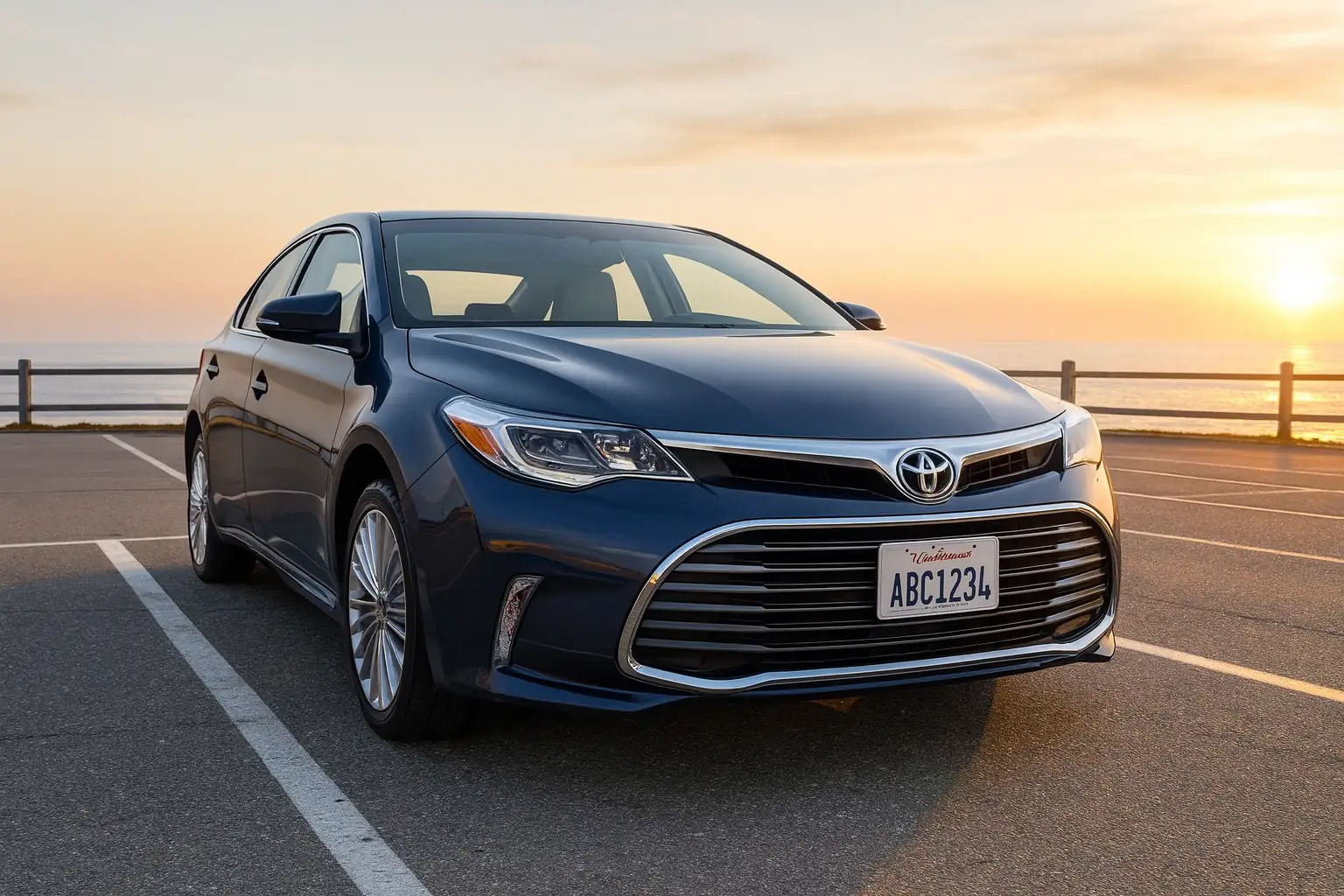
MSRP: $33,000 - $42,000
8.3 /10
Rating
Pros
- Library-quiet isolation
- TSS-P standard all-trims
- Hybrid fuel efficiency leader
Cons
- Hybrid acceleration gap
- Infotainment search sluggishness
- Steering disconnection noticeable
2017 Toyota Avalon Limited Review by Vyocar
It masters the art of numb isolation – delivering Lexus-level serenity and reliability, but surgically removes any trace of driver engagement or feedback, making even brisk drives feel like piloting a very competent cloud
Overview
Hopping into this comfy full-size front-wheel drive sedan, my first thought was, “Whoa, this cabin is library-quiet – guess I can finally hear myself think over road noise!” The smooth V6 power delivers just enough pep for stress-free merging, though it’s hardly awe-inspiring if you’re craving automotive athleticism. Around town, the comfort sprung suspension glides over potholes like they’re mere quibbles, and the spacious, well-built interior with its handsome design and stretched rear legroom feels like upscale accommodations without the pretentious brand status.
Stacked against the Chevrolet Impala – a fine boat, er, car – this Toyota Avalon nails refined, near-luxury proposition with a sub-$40k price tag and Toyota’s legendary reputation for being most dependable. The huge trunk swallows Costco hauls whole, and the suite of active safety features is standard, because surviving rush hour shouldn’t be optional. For reliable cars that sip fuel (shout-out to the new Hybrid model), like the Toyota Camry Hybrid, it’s a value-focused mature full size sedan in a world hypnotized by SUVs – easy to drive, just don’t expect a thriller.
What’s New for 2017
Honestly, hopping into the 2017 model, I didn’t expect fireworks – Toyota engineers aren’t exactly known for wild reinvention. But the tweaks are smart: the big news is Toyota Safety Sense P (TSS-P) became standard equipment across all trim levels. That means every Avalon, from the base up to the plush Limited, now comes bundled with this suite of driver-assist systems right out the gate.
Think pre-collision warning with pedestrian detection, automatic braking, lane departure warning with gentle steering intervention (like a polite butler nudging you back), adaptive cruise control that actually works smoothly, and even automatic high beams. It’s a significant nudge towards safety becoming non-negotiable, directly addressing customer feedback wanting more active safety assist without paying extra.
Beyond that crucial package, look for slightly adaptive steering tweaks for a more connected feel and adaptive headlight beams on higher trims. So, while it’s the final form of this fourth-generation design, 2017 delivers a meaningful, safety-first update – not reinventing the wheel, just making it smarter and safer.
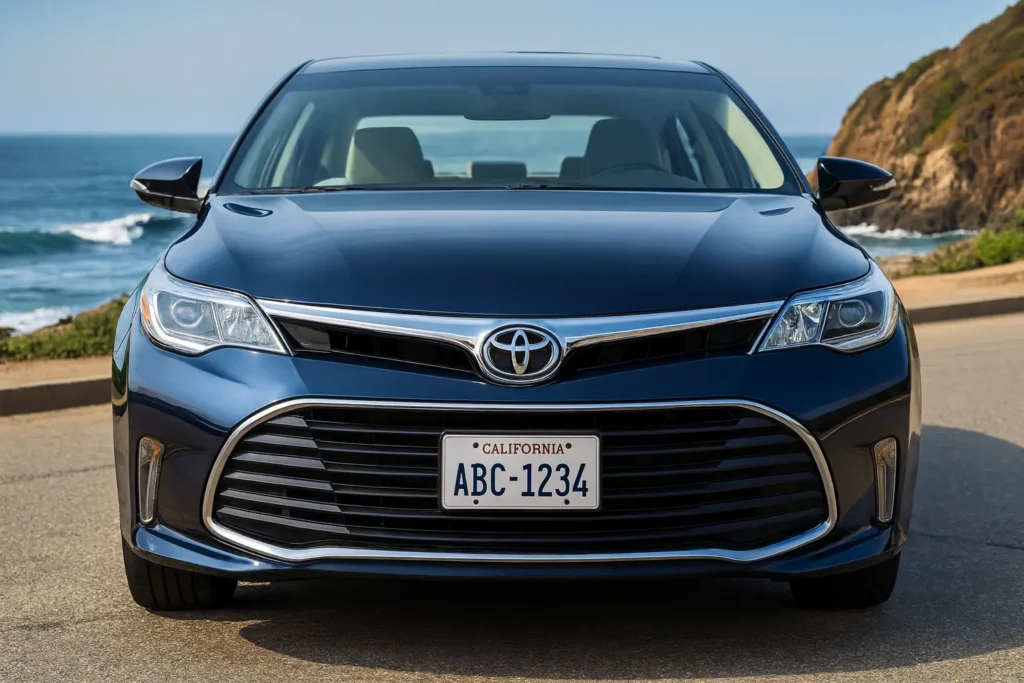
Pricing, Trim Levels, and Best Pick
XLE (Starting ~$33,000)
Sliding into the base XLE, my first thought was, “Hey, this ain’t no penalty box!” For the starting price, you get a seriously well-equipped flagship experience. Standard goodies include comfy heated, leather-trimmed seats (an eight-way power driver’s seat, four-way for the passenger), dual-zone automatic climate control, a clear 7.0-inch touchscreen running Entune Audio with app integration and basic navigation, sharp LED taillights, and practical 17-inch alloy wheels. The wood-grain-style inserts add a touch of class, and honestly, it feels miles above a Camry inside.
XLE Plus / Premium:
Stepping up to the XLE Plus or Premium feels like unlocking the “Convenience Pack” in real life. You add the must-have power moonroof for open-sky vibes, super handy Qi-compatible wireless smartphone charging (goodbye, cord tangles!), subtle ambient lighting that sets a nice mood at night, rain-sensing wipers that just work (magic for sudden showers), and puddle lights for those dark parking lots. It’s the sweet spot if you want those daily-use luxuries without going full Limited.
Touring (~$37,000):
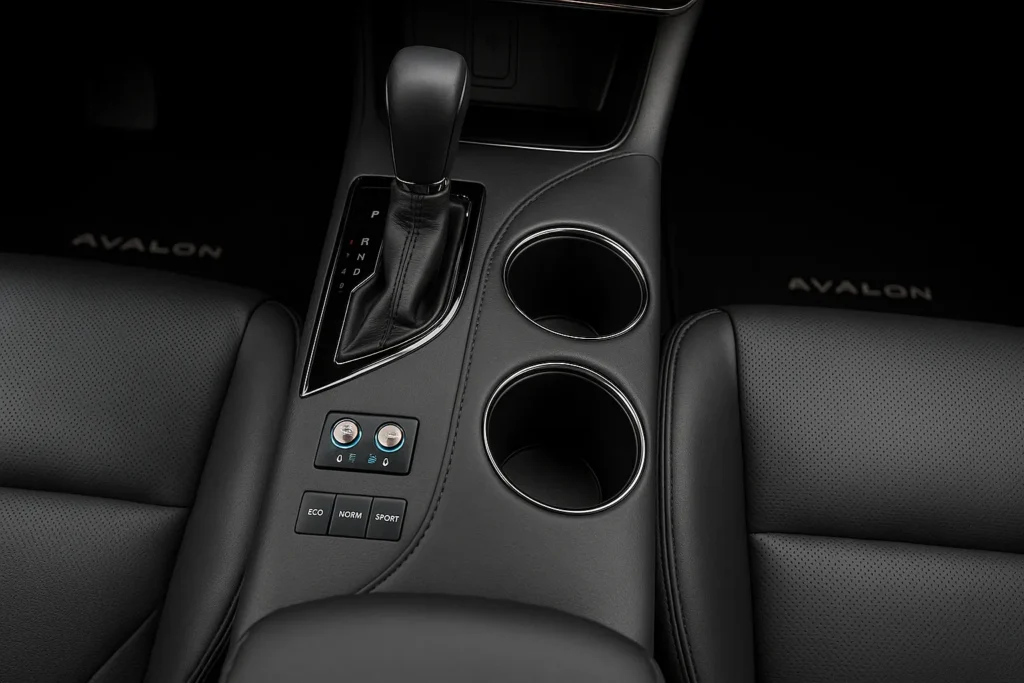
Okay, the Touring trim whispers, “Let’s have a little fun.” Toyota swapped the cloud-like ride for a firm but not kidney-punching suspension and added Sport drive mode (along with Normal and Eco). You instantly notice the grippier dark gray wheels, the smoked headlights giving a sleeker look, and the paddle shifters behind the leather-trimmed steering wheel – even if you mostly ignore them. Inside, piano-black accents replace the wood-grain-style stuff, feeling sportier. The seats are still great, but it trades some plushness for flatter cornering. Think of it as the Avalon putting on sneakers instead of slippers.
Limited (~$42,000):
Hopping in, you’re greeted by perforated leather seats that are both heated and ventilated (lifesavers in summer!), three-zone climate control so everyone’s happy (rear passengers get their own vents and controls), and fancy Quadrabeam HID headlights with auto-dimming high beams and adaptive Daytime Running Lights. Even the grille gets a chrome surround. Yes, the price climbs, but it feels like a proper near-luxury lounge. The available Hybrid powertrain makes it a fuel-sipping cloud.
Powertrain, Transmission, and Driving Dynamics
After a week, my first thought? “Shameless cushiness” is practically its middle name. Forget Nürburgring-obsessed fantasies; this big sedan leans hard into being a plush, comfortable cruiser. Punch it, and acceleration feels linear and smooth, hitting 0-60 mph in a respectable 6.4 seconds, though the transmission can feel a bit sleepy sometimes, not eager to kick down. It’s no supercar, but it moves this big sedan with confident ease. It’s the efficient option for drivers looking to save money on fuel, boasting great EPA ratings, but be prepared for unhurried hybrid acceleration (around 7.4 seconds 0-60) – it’s relaxed, not thrilling.
The standard continuously variable transmission (CVT) in the hybrid can feel a bit syrupy under hard throttle compared to the V6’s traditional gearbox. On the move, the Lexus-like ride is the star – supremely soft and isolating over bumps, living up to its luxury brands aspirations. Seriously, it floats. But push it a little? That’s where the athletic pretensions fade. The overboosted steering feels disconnected and light, especially at parking speeds, and there’s noticeable body roll in corners. Even the Touring trim with its sportier suspension doesn’t transform it; you gain a bit more control, but it’s still fundamentally a softie. Toyota Avalon TRD fans might crave sharper reflexes, but this version clearly favors serenity. Driving dynamics prioritize comfort over sharpness.
Sport mode tightens things up slightly, but it’s more psychological than transformative. Composed handling describes it best at moderate speeds; it never feels nervous, just… big and comfortable. Braking performance is below-average for the class, feeling a bit spongy. Compared to the slightly firmer but shared-platform Lexus ES 350 (also 268-hp, V-6, FWD), the Avalon feels plusher but less buttoned-down. Gearheads wanting engagement might find it a bit dull, but for effortless, quiet miles? It racks up major competency points. Check TrueCar for deals across trim levels like the well-equipped Limited.
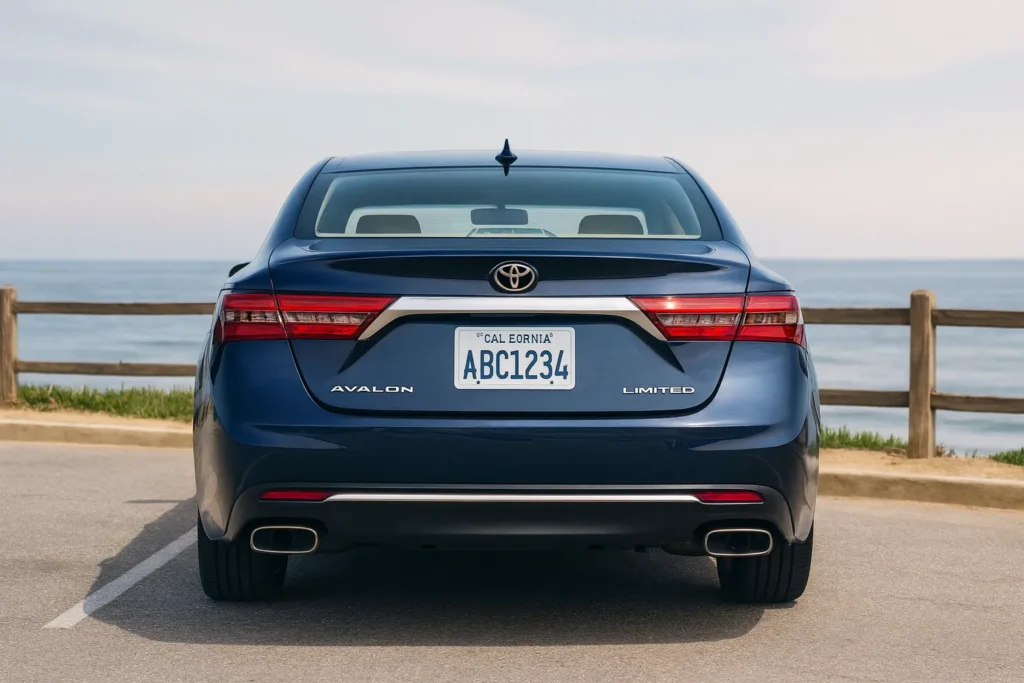
Fuel Efficiency and Real World Testing
Forget the showroom specs; let’s talk real-world efficiency. The EPA-estimated 24 combined mpg (21 city/30 highway) looks decent on the sticker claim. But in my hands-on review, putting it through its paces on suburban streets choked with city traffic lights and sustained 65–70 mph stretches on highways with gentle rolling hills, my trip computer showed a solid 26.8 mpg combined over a 115-mile mixed driving cycle. That’s better than the official lab tests suggested!
The Avalon’s engine delivers consistent power delivery with a smooth throttle response (credit to smart CVT tuning), making stop-and-go less painful and steady highway cruising surprisingly efficient. Topping off the 14.5-gallon tank felt less frequent, translating to genuine everyday savings. This consumption analysis proved the true fuel economy and tank-to-wheel efficiency exceeded the EPA figures for my specific trip profile and route profile, showing real fuel performance, an approach similar to what you might expect from the Toyota Crown Hybrid Max.
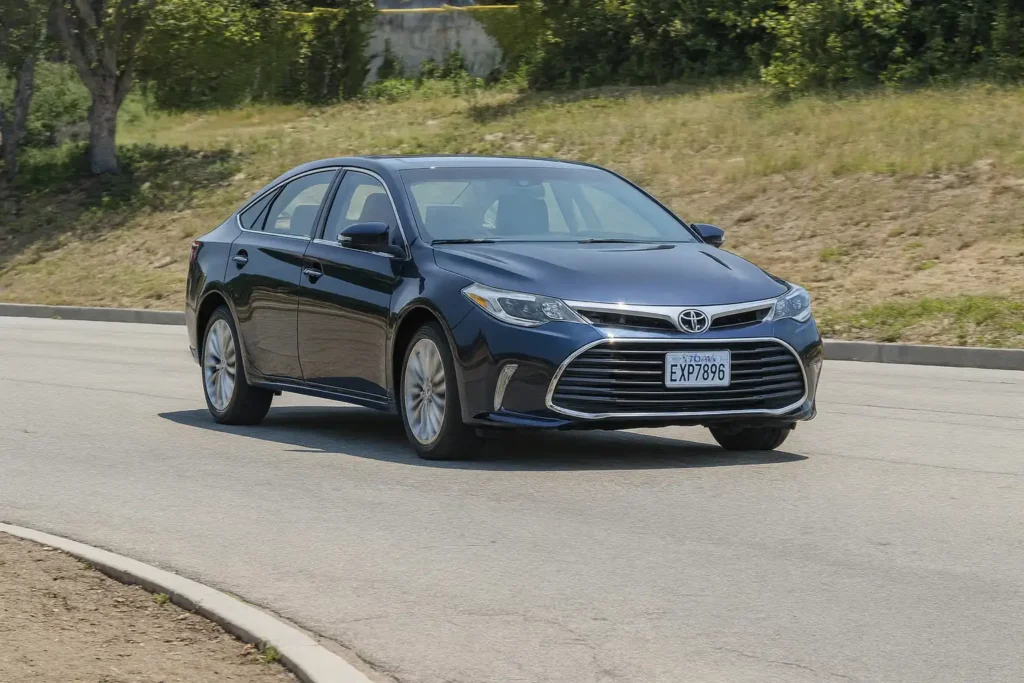
Interior and Comfort
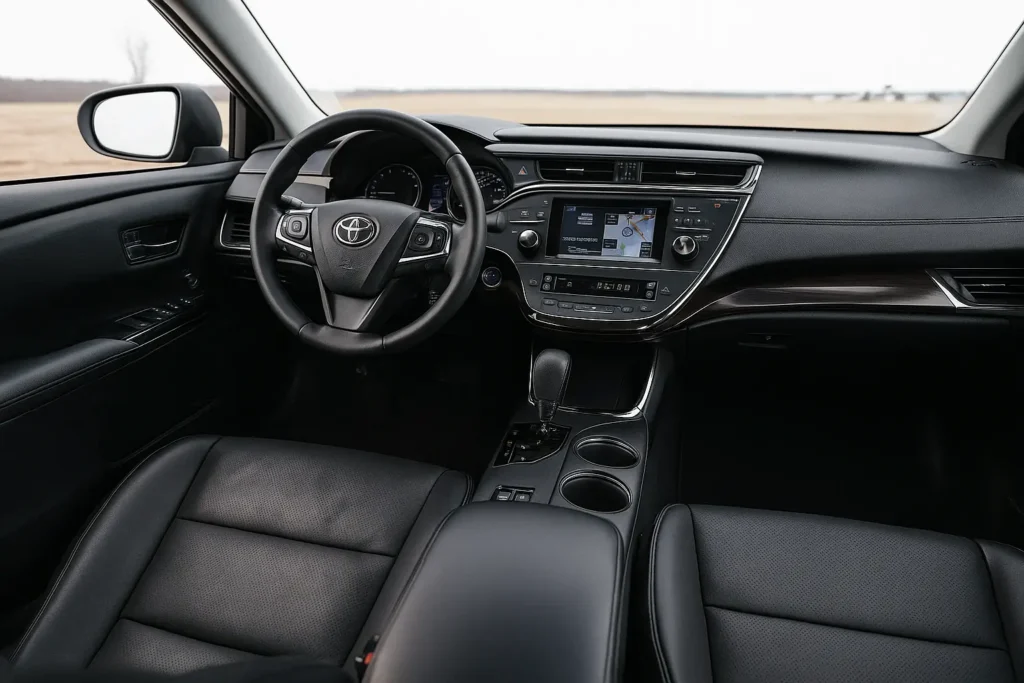
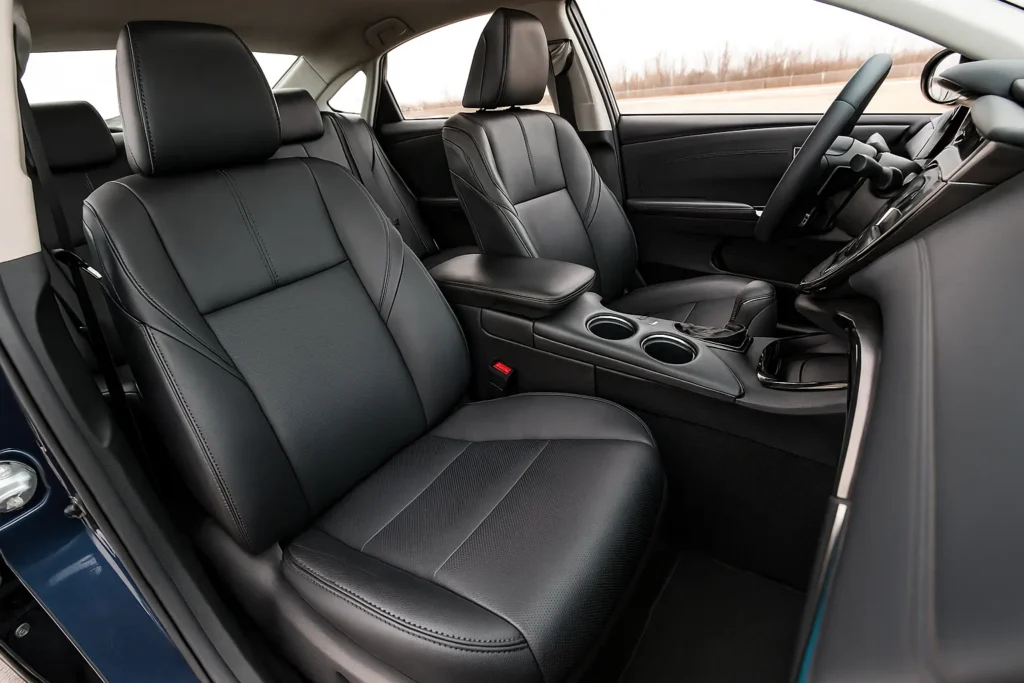
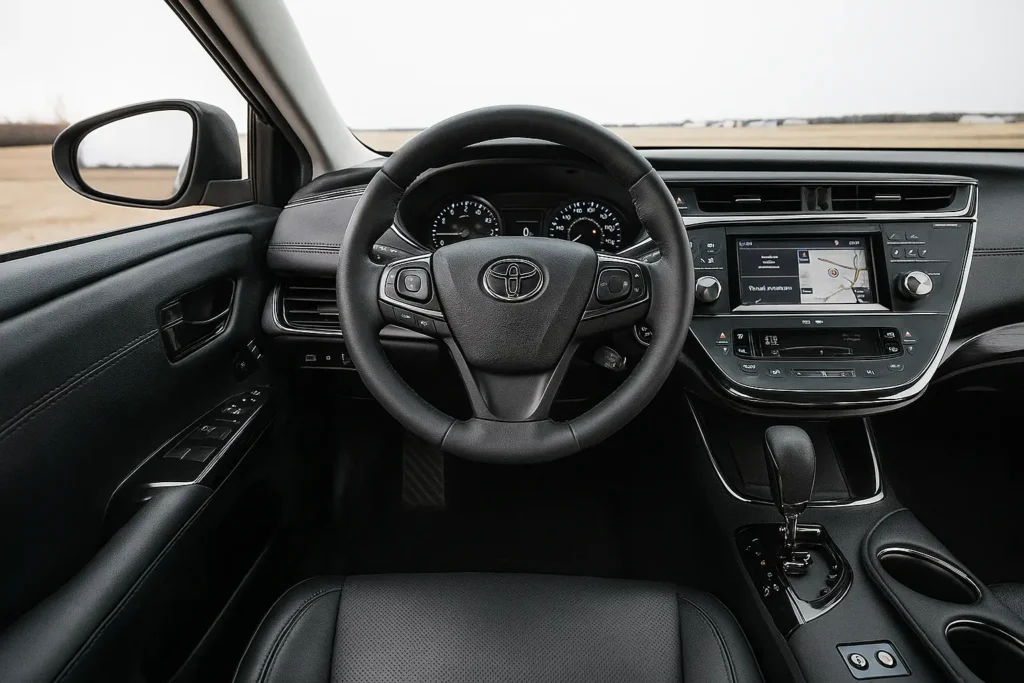
Stepping into this cabin feels like upgrading to first class, spacious, well-built, and dripping with upscale touches, much like the refined elegance found in the Buick LaCrosse. The dashboard wears handsome wood-grain-style accents and smoked chrome trim, while soft, textured surfaces and contrast-stitched leather upholstery make everything feel classily refined. Seats? The driver gets a 10-way power heated/ventilated throne (with tilt/telescopic steering wheel), while the passenger settles for four-way adjustment, still comfortable but not quite as perfect.
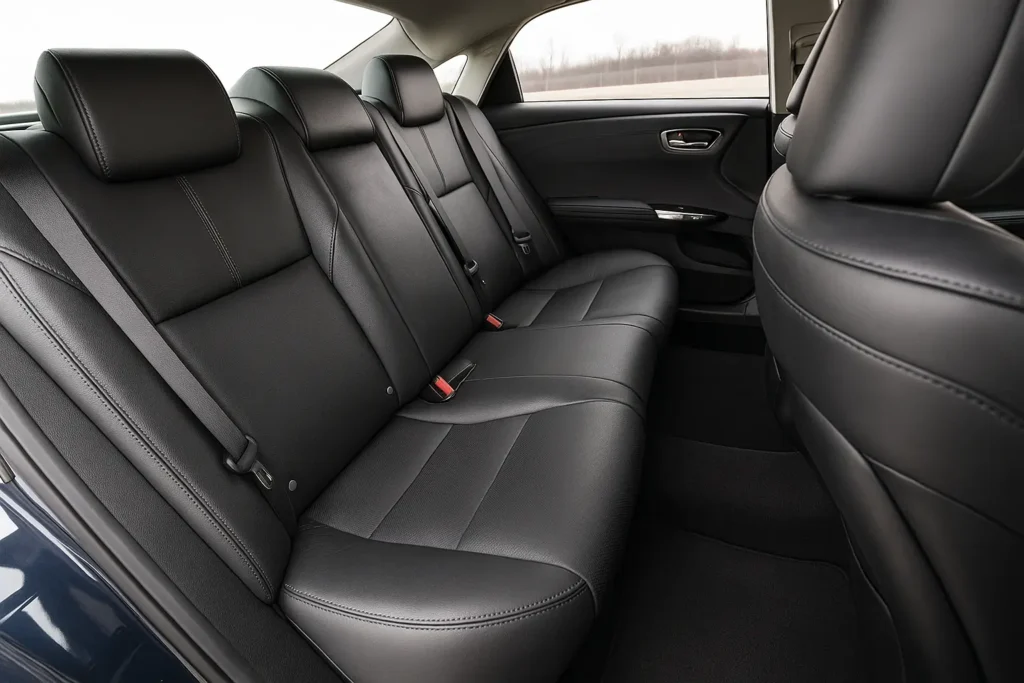
Backseat legroom is limo-level roomy, and little details like ambient lighting, rear sunshade, and cup holders in the center armrest add agreeable convenience. Compared to the Ford Taurus’s interior, this cockpit feels more beautifully sculpted and less plasticky, with upgraded woodgrain on the shifter and clean design. Visibility outward? Solid day or night. No surround cam, but who’s complaining in this feeling of affordable luxury?
Cargo & Practicality
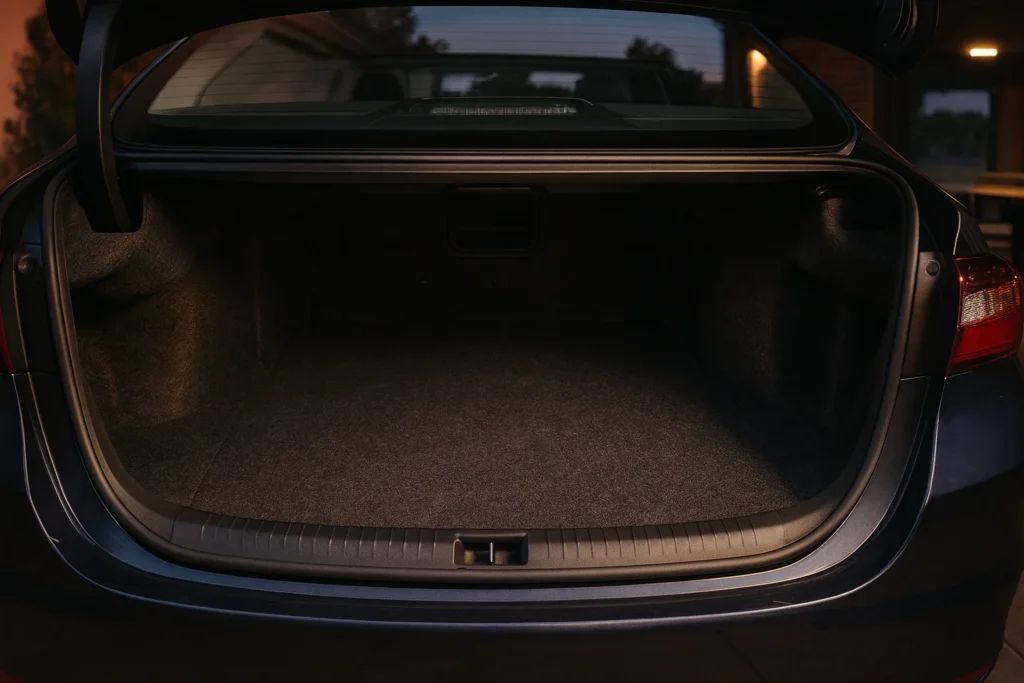
Popping the trunk on this big sedan, you expect cavernous space – and mostly, you get it. The standard non-hybrid model offers a generous 14.0 cubic feet of cargo capacity. That easily swallows four full-size suitcases or a serious Costco run. Need proof? It gave me ample room for two large checked bags, two carry-ons, and a soft cooler on an airport trip – no Tetris skills required. But here’s the rub: if you opt for the hybrid, that capacity shrinks to 13.1 cubic feet thanks to the battery pack.
It’s slightly shy, but still managed my golf bag and push cart without drama (just don’t expect much more). Compared directly to its little brother, the Camry’s trunk (15.4 cubic feet for the V-6, 16.0 for the Hybrid’s weirdly extended form), the Avalon actually has less room – just enough less (14.0 vs. 15.4 respectively) to make you pause. The opening is wide and the floor is flat, though, making loading bulky items genuinely easy. So yeah, it’s generous for the class, but not class-leading. Pack smart, and you’ll be fine.
Tech & Connectivity
The 7.0-inch touchscreen perched on the dashboard? Looks crisp enough, and the TFT display shows sharp icons. But let’s be real: Toyota’s Entune infotainment system feels like it borrowed your grandpa’s flip phone sometimes. Connectivity via Bluetooth or USB port is solid for phone calls and streaming audio, and having Android Auto/Apple CarPlay integration (finally!) is a huge plus – it basically lets your smartphone take over, which is often smarter.
The in-dash navigation with GPS and traffic updates works, but searching feels slower than dial-up compared to just using your phone via CarPlay. The app suite (Pandora, Yelp, Scout GPS) requires a connected subscription and frankly, feels clunky – where’s my latte, Entune? The stereo choices are decent: a base AM/FM/HD radio/CD player with an auxiliary jack and USB, or the upgraded nine-speaker JBL system that sounds pretty good for satellite radio (SiriusXM ready) or tunes.
Gracenote helps organize your music library if you still use CDs… bless your heart. Compared to the Ford Fusion’s SYNC 3 system, this interface feels a generation behind – less intuitive, slower to respond. Still, core features like climate control integration and the wireless phone charger (on higher trims) are functional. It gets the job done, but don’t expect cutting-edge smarts or a wow-factor experience – just keep CarPlay connected and you’ll be mostly happy, though luxury tech lovers might lean toward the Lexus LS 500 for a more seamless experience.
Safety
First off, knowing this big sedan snagged an IIHS Top Safety Pick+ rating and a five-star overall safety rating from the NHTSA lets you breathe easier. The real star is Toyota Safety Sense P (standard!), bundling automatic emergency braking with pedestrian detection (it actually nudged me gently stopping for a jaywalker – impressive!), lane departure warning with subtle steering assist, adaptive cruise control that smoothly handles highway speed changes, and automatic high beams that work shockingly well on dark country roads.
Safety Connect offers emergency assistance, stolen vehicle locator, and roadside assistance (though hopefully you never need it for a faulty gas cap or flat – yes, it has spare tires, thankfully!). Compared to the Kia Cadenza’s available systems, Toyota’s feels more polished and less prone to phantom beeps. Sure, dig deep into NHTSA recalls and you’ll find one for the airbag system ECU, but it’s a free factory fix – no widespread electrical issues or horror stories here.
The headlights evaluation was Good, and front crash prevention scored Superior with IIHS. It’s not perfect tech (the lane keep can ping-pong a bit), but for preventing that frontal collision or fender-bender, it’s genuinely capable stuff.
Warranty and Maintenance Plan
Honestly, finding out the basic warranty is just 3-year/36,000-mile bumper-to-bumper felt a bit… meh, like expecting a steak and getting a salad. That’s pretty standard, sure, but the powertrain coverage shines brighter – 6-year/70,000-mile protection for the engine, transmission, and other major bits is solid peace of mind for the long haul. The real sweetener? Toyota Care – it’s their complimentary maintenance plan covering oil changes, tire rotations, and 24/7 roadside assistance for the first two years or 25,000 miles.
No out-of-pocket for those scheduled service visits? Yes, please. If you’re eyeing a used one, definitely hunt for a Toyota Certified Pre-Owned (CPO) vehicle. That CPO badge slaps on an extra 1-year/unlimited-mile warranty after the original factory coverage expires, plus a rigorous 160-point inspection and 24-hour roadside help. Safety Connect emergency telematics is usually active too on eligible models. Compared to Hyundai’s stellar 10-year/100,000-mile powertrain warranty, Toyota plays it safer, but that complimentary Toyota Care upfront takes some sting out of early ownership costs.
Just remember the corrosion perforation warranty is 5-year/unlimited-mile – handy if you park near the ocean or salted winter roads. Check the owner’s manual or online guide for the full schedule; staying on top of it keeps everything humming. No extended warranty offered upfront, but you can buy one later if your paranoid self demands it.
Final Verdict
Look, calling this big sedan merely “good” feels like calling a steak dinner “adequate” – it’s horribly underrated. Sliding behind the wheel, the Avalon’s silkier steering and refinement hit you first; it drives sweetly, soaking up bumps with near- Lexus-like isolation (though some find the TourX trim’s ride slightly stiff). That spacious rear seat is limo-level, and the stylized interior uses materials that shame many non-luxury cars. PROS? Bulletproof reliability (seriously, less than ten complaints lodged with the NHTSA for the whole 2017 model year!), an enviable reliability record backed by Consumer Reports’ glowing reliability ratings (88% recommended), build quality that feels bank-vault solid, and a huge efficiency advantage if you spring for the Hybrid.
CONS? The base engine won’t thrill enthusiasts, the infotainment feels dated, and road noise creeps in (loud interior on coarse pavement). Pitted against the closest competitors, like the Kia Cadenza, the Toyota wins on ownership costs and sheer dependability – it’s placed third or better in its class on multiple occasions for a reason. While the Cadenza offers more exciting features list, the Avalon delivers the balance real people need: space, amenities, equipment, and that enviable peace of mind.
Editors and owners agree – it snagged multiple Editor’s Choice awards and a NHTSA five-star overall safety rating. Toyota’s problems? They’re slimmest to none here. With a fair number of happy owners (81/100 owner satisfaction) and better perception every year, this current-generation car is a keeper. Want a good example of a best passenger car that blends value and refinement? Buy this winner’s circle favorite. It’s earned its feather.
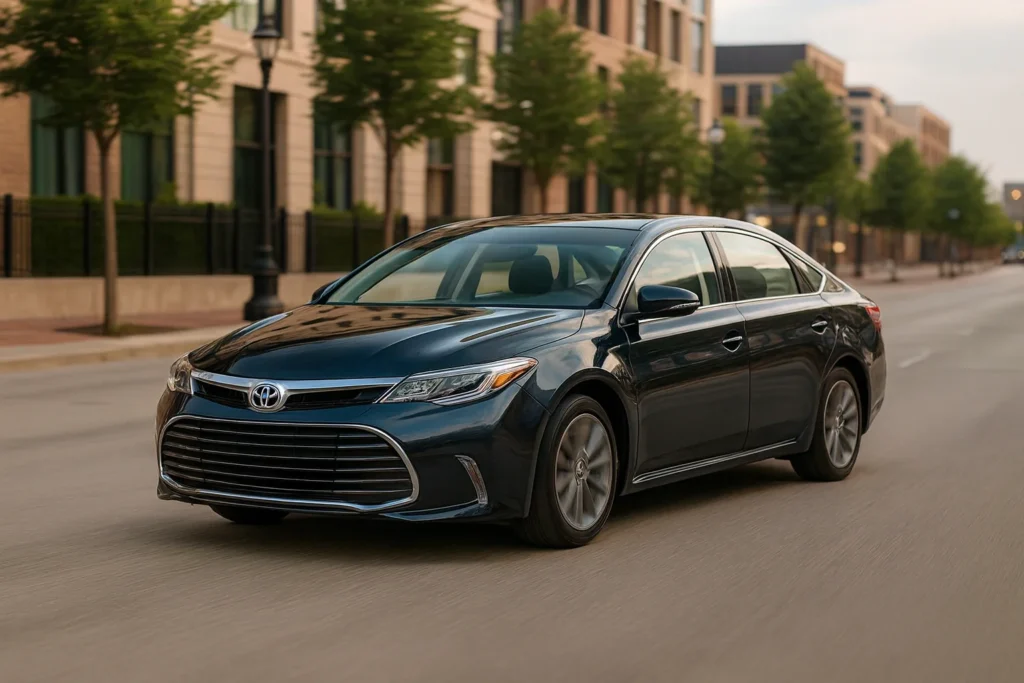
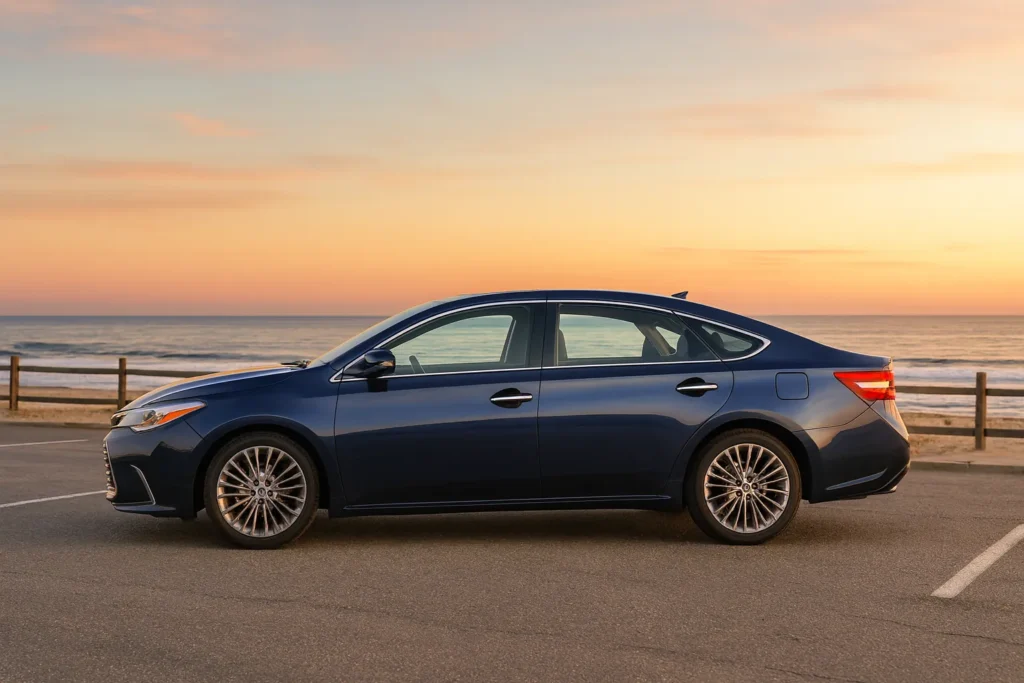
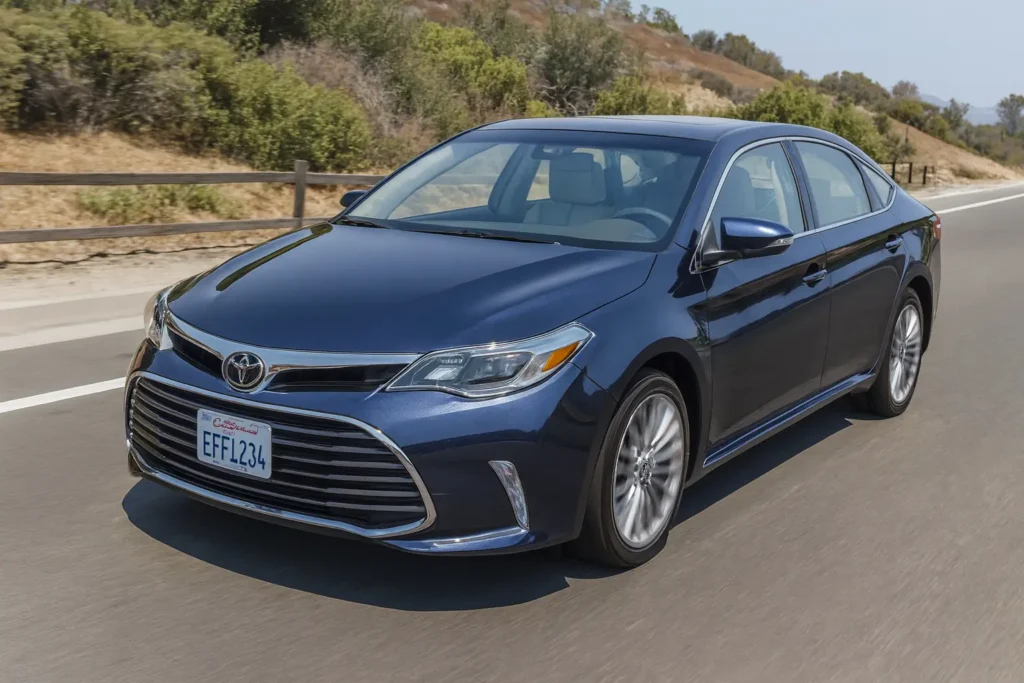
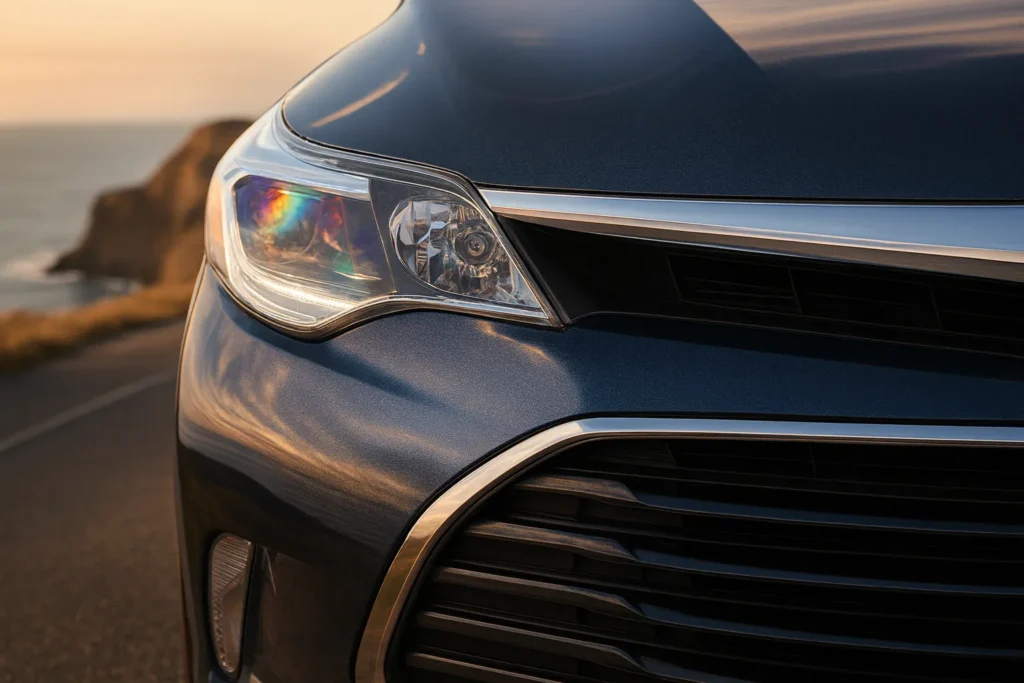
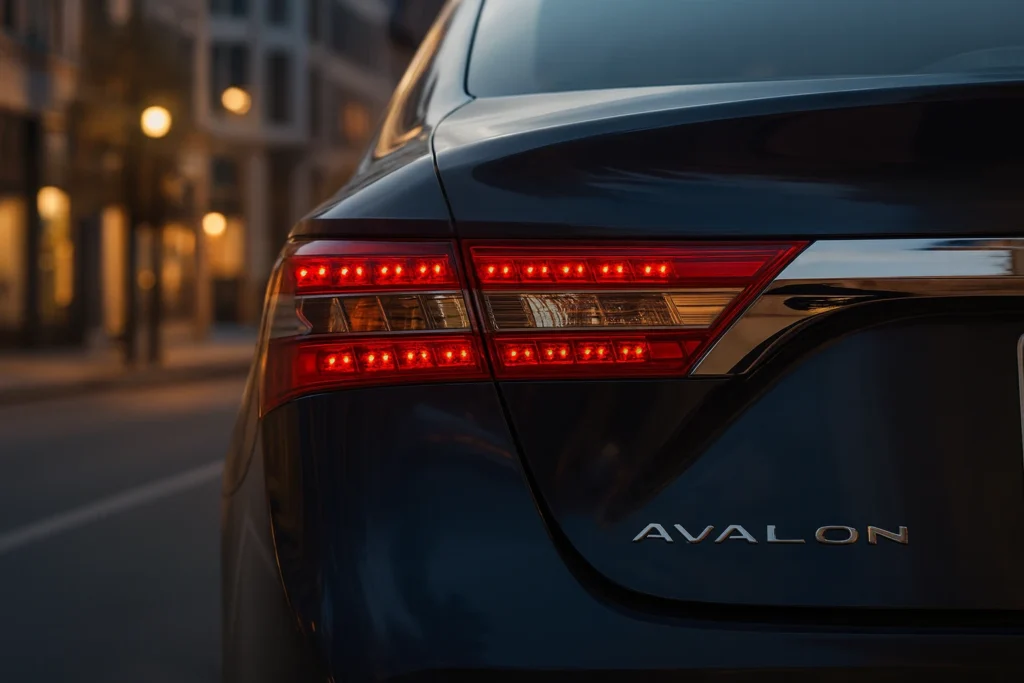
More images of the 2017 Toyota Avalon

This Post Has 6 Comments
Pingback: 2023 Camry Hybrid Review: Discover 51 MPG & Reliability!
Pingback: 2024 Toyota Crown Hybrid Max Review: Reign of Luxury!
Pingback: 2021 Toyota Avalon Review, Pricing, and Photos
Pingback: 2023 Lexus LS 500 F Sport Review: Bold Looks, Mellow Thrills
Pingback: 2017 Buick LaCrosse Review: Luxury Value? Redesigned & Quieter
Pingback: 2013 Lexus ES 350 Review: Still Feels New to Drive