
Pros & Cons
- Alpha chassis truly shines.
- Steering wheel actually talks.
- Daily drivable performance bargain.
- Seven cubic feet trunk.
- Backseat purely decorative space.
- Mailslot visibility genuinely dangerous.
2017 Chevrolet Camaro V6 Review with Vyocar
A V6 muscle car that pulls 0.98g on the skidpad and has electric steering that actually talks back to you is genuinely shocking, even if you can't see a damn thing out of it.
Overview
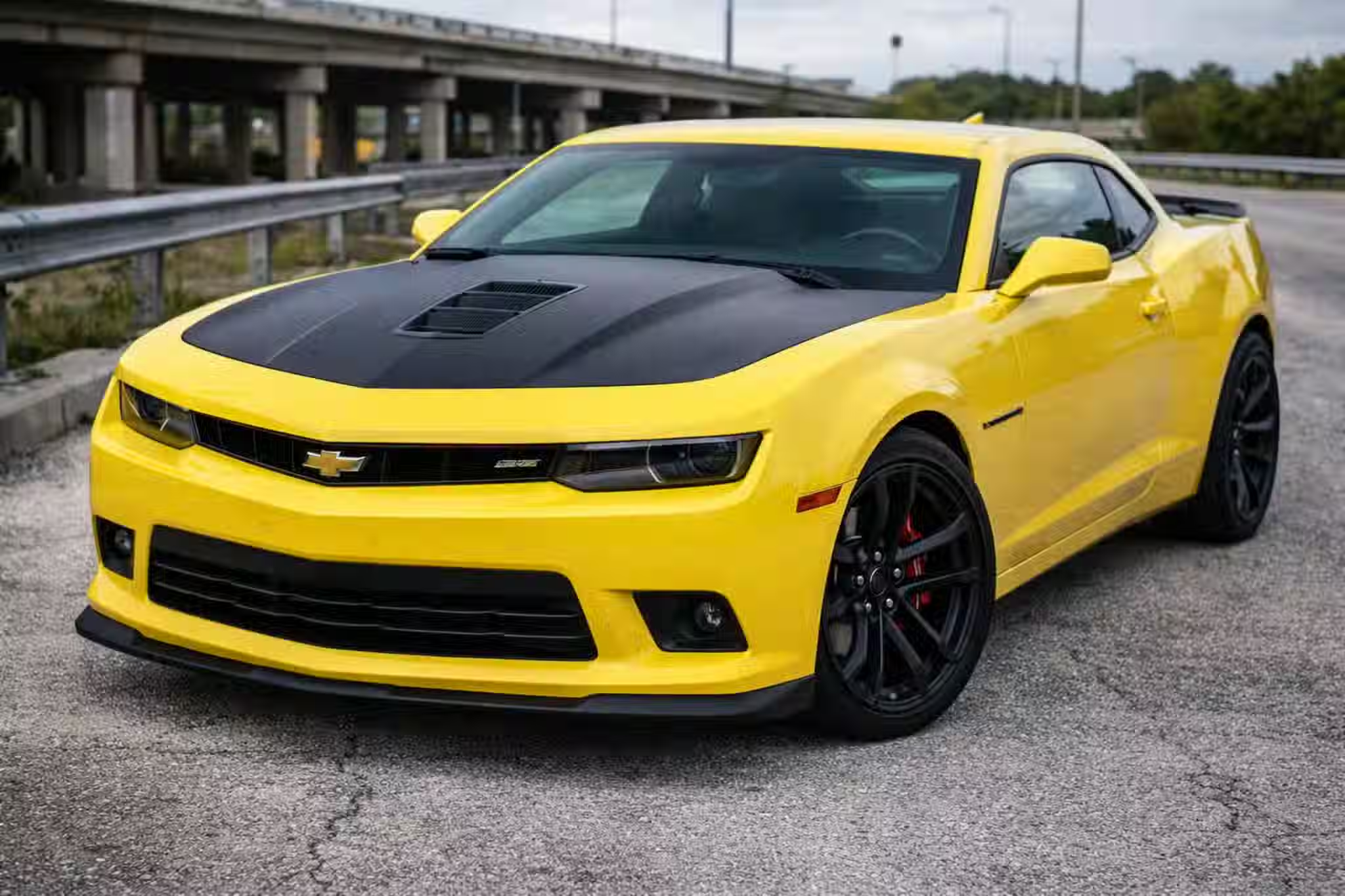
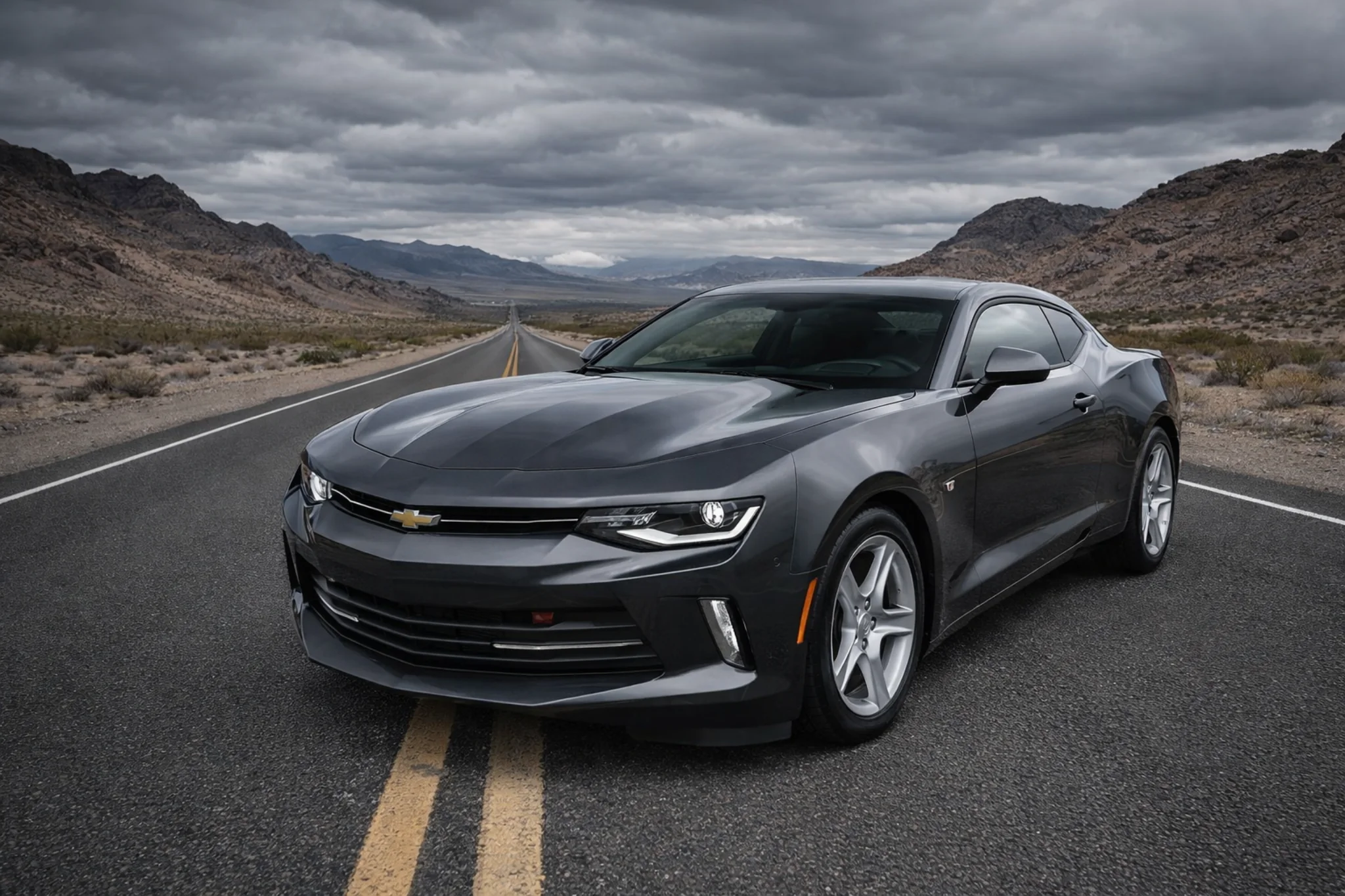
I’ve driven enough sport coupes to know when something actually works versus when it just claims to on paper, and this sixth-generation naturally-aspirated V6 Camaro is impressively well-rounded in ways that’ll surprise you if you think it’s just another knuckle-dragger. Built on GM’s Alpha platform with sophisticated underpinnings that give it world-beating handling capabilities (seriously, the suspension geometry and weight reduction here put some posher sports cars to shame), this sports machine delivers muscle-car-worthy acceleration and tire-shredding power while actually being a useful car you can live with daily.
The chassis is stiff yet compliant enough that ride quality doesn’t punish you, the grip and cornering feel sharp and nimble thanks to a responsive communicative helm that telegraphs tire loads, slip angle, and surface textures better than most Ford competitors or Dodge competitors manage, and the whole performance machine feels lithe, poised, and genuinely dynamic whether you spec the convertible or sport coupe.
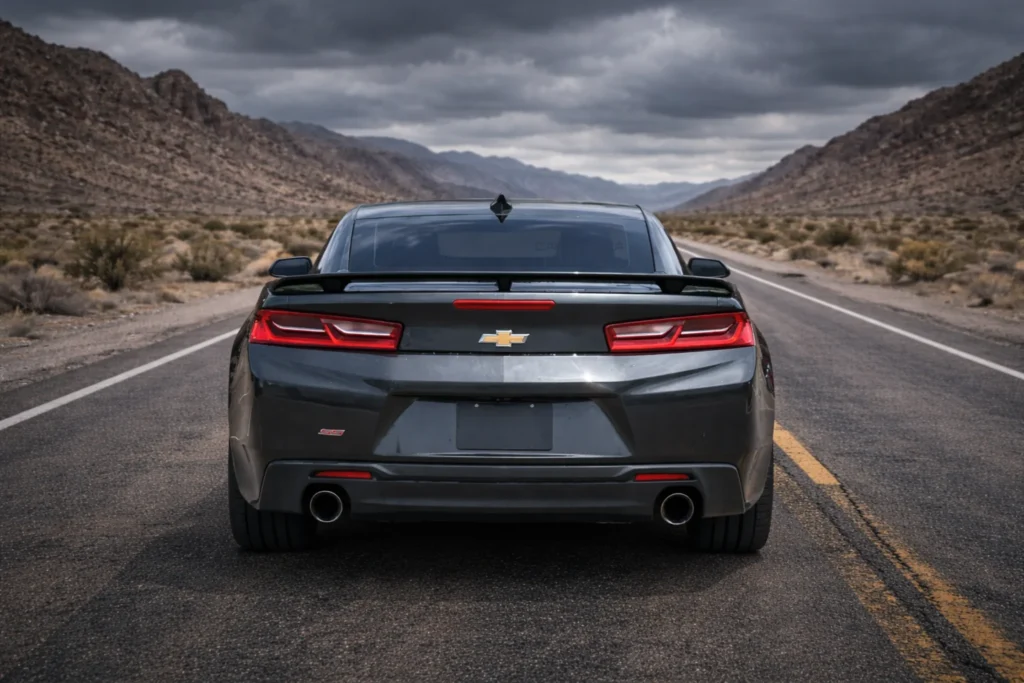
Sure, visibility out of this thing is terrible (that decklid, bumper, and hood create blind spots you could hide a Honda Civic in), the backseat is a cruel joke, and the trunk swallows luggage about as eagerly as I swallow kale smoothies, but from a pure vehicle performance and handling prowess standpoint, the expanded engine lineup gives you a proper driver’s car with sophisticated handling, agile responses, and surprisingly good comfort level for a performance machine with such tight architecture and aggressive styling.
What really sells me is how this modern design balances straight line performance with actual livability, the proportions look right (even if the exterior dimensions feel bigger than they are while parking), the curb weight stays reasonably lightweight at around 3,500 pounds trimmed, and unlike the numb feel-free steering plaguing most sports cars today, this thing actually talks back to you through the wheel.
From both a performance perspective and a does-this-work-on-Tuesday perspective, the proportionality between thrills and practicality, ride comfort and handling, air-slicing engineering and useful car functionality makes this V6 a hell of a lot more sports car than knuckle-dragger, which honestly shocked me the first time I threw it into a decreasing-radius turn and felt those sophisticated underpinnings do their thing.
What's New for 2017
The 2017 model year updates are pretty modest since this generation already got its full redesign for 2016 with that slick new Alpha platform underneath. Chevy’s basically doing equipment upgrades and shuffling trim offerings rather than reinventing the wheel here. You’ve still got your engine lineup expansion from last year intact: the turbocharged four-cylinder for penny pinchers, this naturally-aspirated V6 I’m testing for people who want theater without the gas bill drama, and the V8 availability for folks whose neighbors already hate them.
The real news is ZL1 availability joining the party with its supercharged V8 and performance enhancement wizardry, plus some feature additions like infotainment updates and connectivity improvements that finally drag this muscle car into the smartphone era. A few styling changes keep things fresh, some optional packages got reshuffled like a deck of cards, and customization remains strong if you want your Camaro to look different from every other one at the Cars and Coffee meet. Is it technological advancement or just tuning what already works? Honestly, it’s Chevy playing it safe after nailing the design evolution last year, and I can’t blame them for not fixing what isn’t broken.
Pricing, Trim Levels, and Best Pick
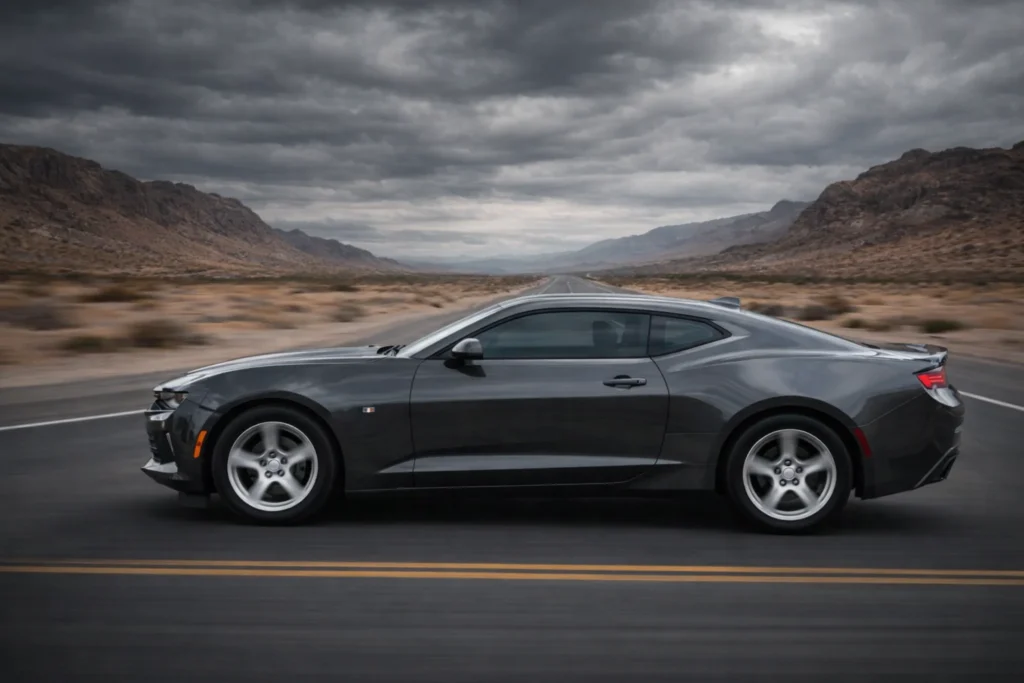
The starting MSRP of $24,195 gets you a 1LS coupe body style in base configuration with nary an add-on, which looks pretty drab-looking with those 18-inch wheels (pleb-spec dubs, if we’re being honest). Climb the trim levels ladder through 1LT, 2LT, 1SS, 2SS, and the absurd ZL1, and you’ll watch trim-specific pricing explode as you check boxes for Recaro seats, sunroof, performance exhaust, and navigation system. The RS package price throws on 20-inch wheels and some visual flair, while the 1LE package price brings serious sports-focused hardware like FE4 suspension with magnetically controlled adaptive dampers and the Heavy Duty Cooling and Brake package.
My pick? A 1LT with minimal add-on content keeps you less than 33 grand at roughly $31,905 and delivers a solid value proposition for rational-minded folks, though let’s face it, buying a car with trunk space laughable and backseat useless is pure heart over financial decision. That price advantage of staying roughly $5000 cheaper than V8 models gives you a serious cost advantage, making this upfront cost easier to justify despite the livability compromise and obvious impracticality. Both coupe body style and convertible body style body options share the same package pricing and option pricing chaos, but hey, at least you’re not dropping extra shekels on a presser V8 just yet.
Powertrain, Transmission, and Driving Dynamics
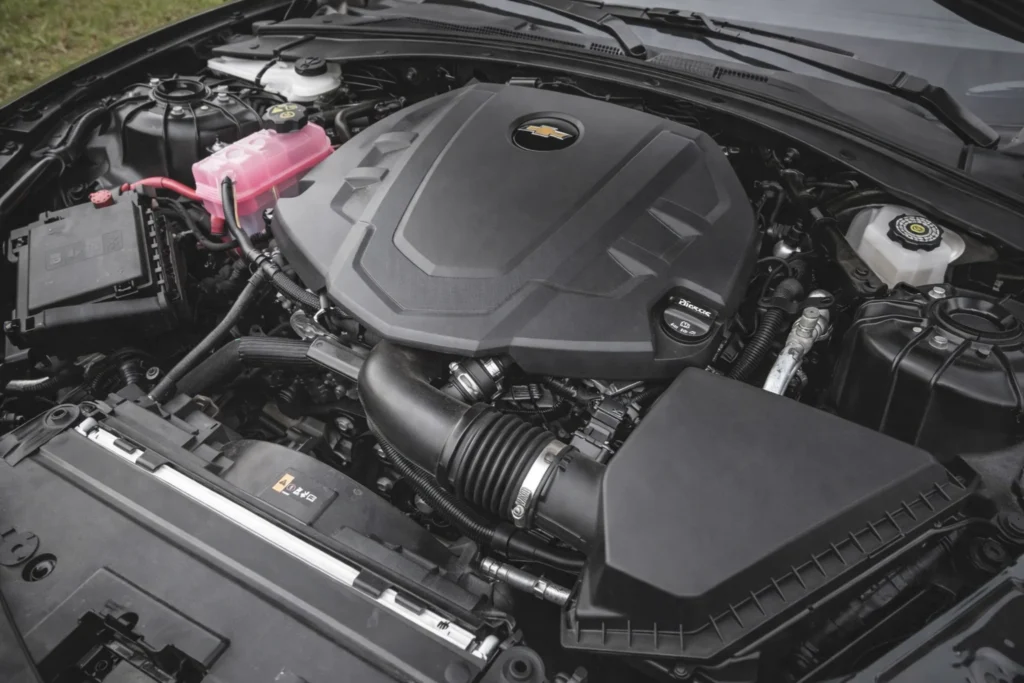
the 2017 Camaro lineup is basically a choose-your-own-adventure book where your wallet does the choosing. You’ve got the base turbocharged 2.0-liter four-cylinder making 275 horsepower and 295 pound-feet of twist. It’s essentially Chevy’s answer to Ford’s EcoBoost banger, and honestly, for most people it’s plenty quick with a zero-to-60-mph time around 5.2 seconds. But I’m here to talk about the sweet spot: the V6. This 3.6-liter V6 pumps out 335 hp and 284 lb-ft of torque, which translates to proper lusty detonation-free power without the V8 insurance premiums. It’s naturally-aspirated with that free-spinning advantage you just don’t get from force-fed motors. The power delivery is linear, predictable, and doesn’t need tender loving care to extract maximum thrust. Sure, the 6.2-liter V8 with 455 hp exists, and yes, there’s even a supercharged ZL1 engine cranking 640 hp for those with trust funds. But who needs that for grabbing groceries?
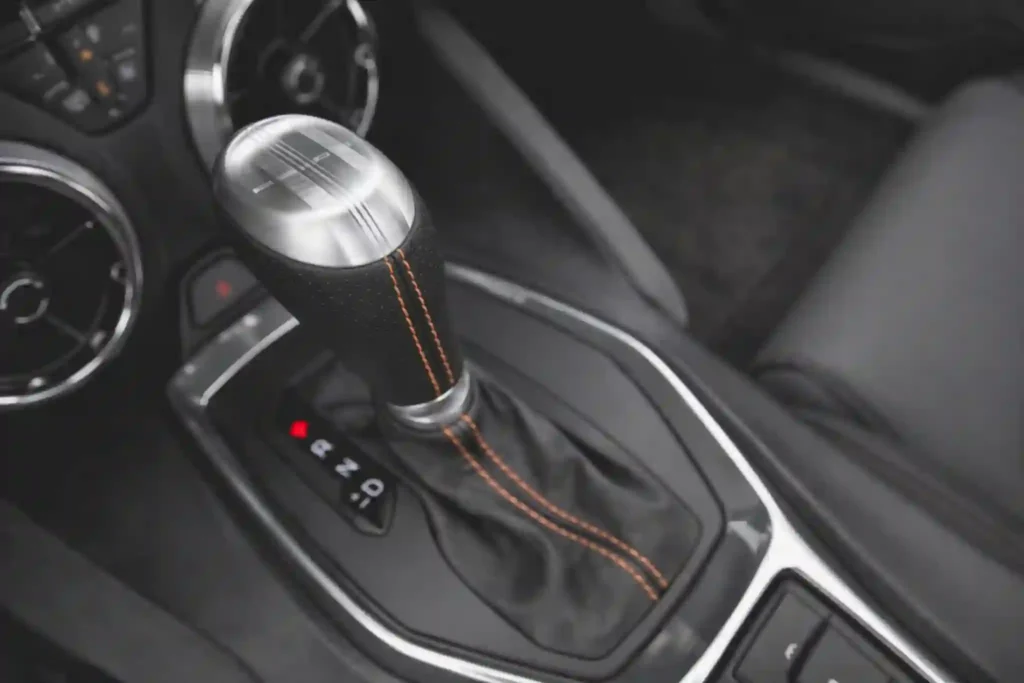
Here’s where it gets interesting: transmission choices actually matter. The six-speed manual comes with a short-throw shifter and rev-match downshift function that makes heel-and-toe driving feel like you actually know what you’re doing. The gearshift action is tight, mechanical, satisfying. But the eight-speed automatic transmission with rev-matched shifting is shockingly good, especially if you spec the dual-mode exhaust with its active flaps and selective setting that toggles between “neighbor-friendly” and “thrashy note.” I tested the V6 with the stick and hit 60 mph acceleration runs consistently, posting a quarter-mile time of 13.8 seconds at a 101 mph trap speed. The straight-line pace from 70 mph acceleration through 100 mph acceleration and even 120 mph acceleration never felt wanting. This thing has proper velocity when you need it, with most of the punch living right in the meat of the powerband before you hit redline. The low-end stump-puller torque isn’t V8 territory, but the revs extraction is way more fun.
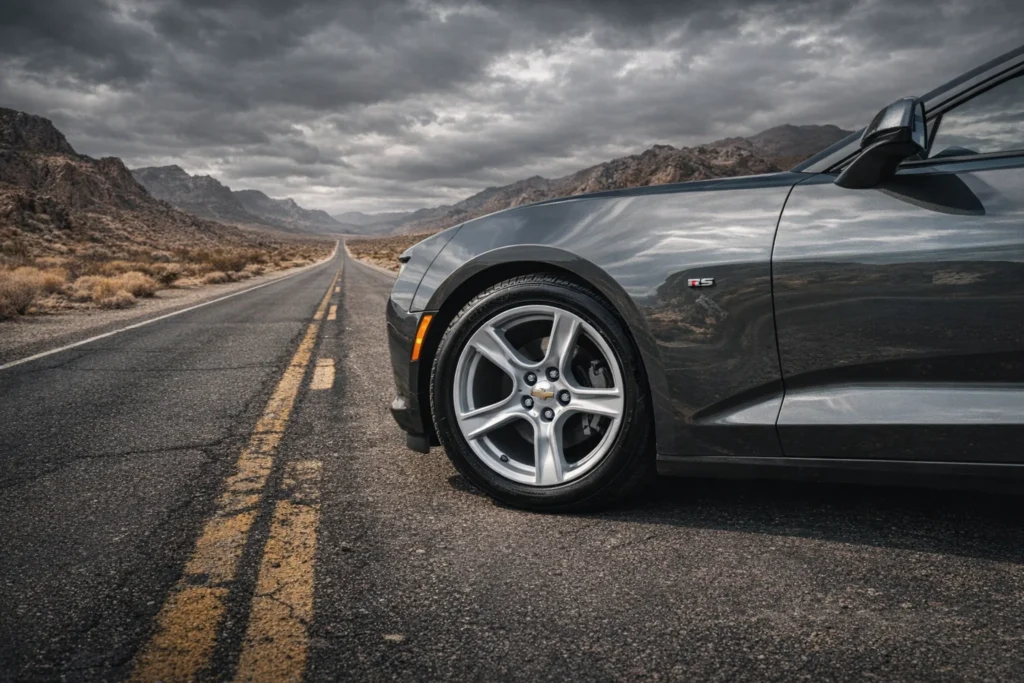
Now, the 1SS and 2SS trims start adding the good stuff. You get upgraded dampers, beefier rear subframe mounts, thicker anti-roll bars, and more suspension stiffness that actually changes how this car handles cornering loads. The staggered-width wheels wearing Goodyear Eagle F1 rubber in 245/40ZR-20 front and 275/35ZR-20 rear sizes give you serious tire capability with better slip angle tolerance. A limited-slip differential with electronic control and mechanical control working together improves the grip-to-grunt ratio massively.
You’ll pull peak 0.98 g on the skidpad adhesion test, though there’s mild understeer in a hard right turn and occasional left squirm when the traction control gets confused. Those summer-spec tires show wet skittish behavior in standing water. The Brembo brakes with four-piston calipers offer braking performance with a firm pedal and excellent modulation. Steering feel is electric but delivers decent communication, reasonable weight, and surprising precision at the helm. That suede-wrapped wheel provides microsuede feedback you can actually feel through your palms at different grip levels.
My best pick? A 2LT with the V6, manual, and track-cooling package for better powertrain cooling, fuel tank management, and auxiliary systems with an extra cooler. You get serious performance from this transverse layout, and with a curb-weight difference of 215 pounds lighter than the V8, there’s real agility when you attack corners during spirited series driving. The dry on-road performance approaches the absolute limit of what most drivers will ever use, and frankly, the ultimate capability of this V6 with the right options embarrasses plenty of “faster” cars on paper. Six-piston calipers? Save those for the SS.
2017 Chevrolet Camaro V6 Fuel Economy Test
I spent two weeks putting this V6 Camaro through real-world testing with my usual chaotic driving patterns, and the fuel economy story is pretty straightforward. The official 23 MPG combined rating seemed optimistic until I actually 26 mpg averaged over mixed use, which honestly caught me off guard in the best way. Sure, the city performance sits at a thirsty 19 while highway performance climbs to 26 MPG, but here’s where the economy trade-offs get interesting: that cost to drive $183/month calculation assumes you’re not constantly tempted to floor it, which, spoiler alert, you absolutely will be.
The tank mileage holds up better than expected for a muscle car that sounds this good, and while the fuel consumption won’t win you any green badges, the respectable fuel economy means you’re not selling a kidney every fill-up. What surprised me most was the efficiency during highway cruising where this thing actually settles down and behaves, though let’s be real, the performance trade-offs exist because you bought a Camaro, not a Prius, and the mpg performance reflects exactly that balance between wanting to look cool and actually affording to drive to work.
Interior, Comfort and Space
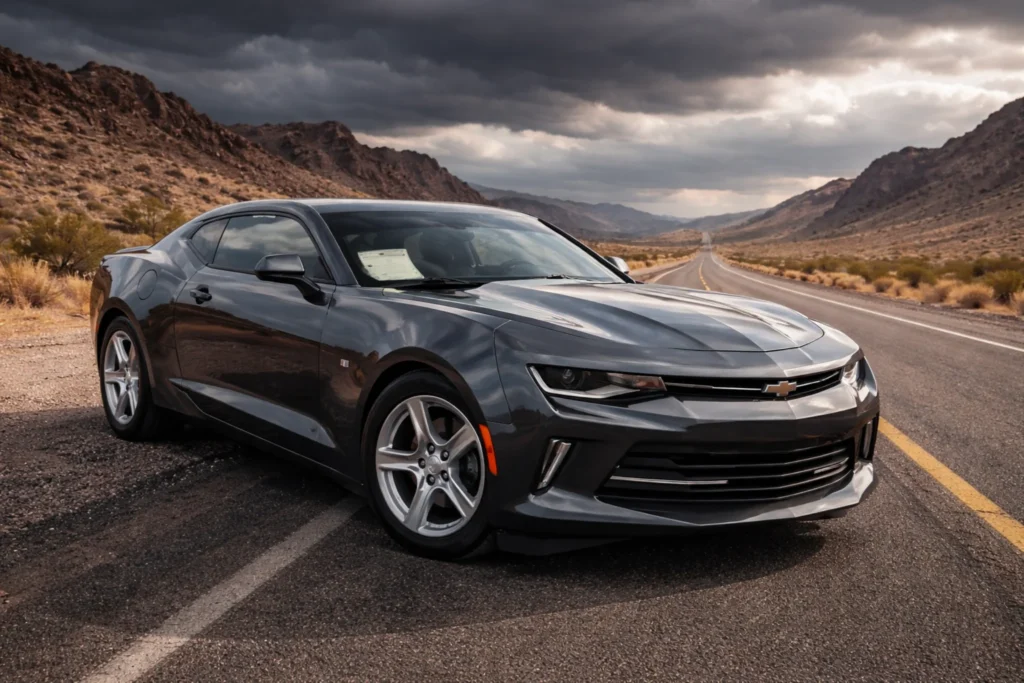
Climbing into the cabin of the 2017 Camaro V6 feels less like getting in a car and more like spelunking into a fortified bunker. The outward visibility is not just bad, it’s terrible visibility that borders on dangerous. Those thick A-pillars look like tree trunks, and combined with the gun-slit greenhouse and high beltline, you’re basically driving a cave. The shallow windshield with its aggressive windshield angle creates this mailslot effect that makes changing lanes feel like a trust exercise. Add thick roof pillars and a serious dearth of glass area to the mix, and you’ve got what I call a visibility compromise that even the best rearview camera and rear parking sensors can’t fully fix. The shallow glass and limited visibility mean safety visibility takes a real hit. Is this track placement cool? Sure. Is it practical for your daily commute? Absolutely not. The center display sits at an awkward angle with a downward tilt that catches funky reflections and windshield reflections depending on the time of day, and the display angle becomes a genuine reflection issues nightmare in bright sunlight.
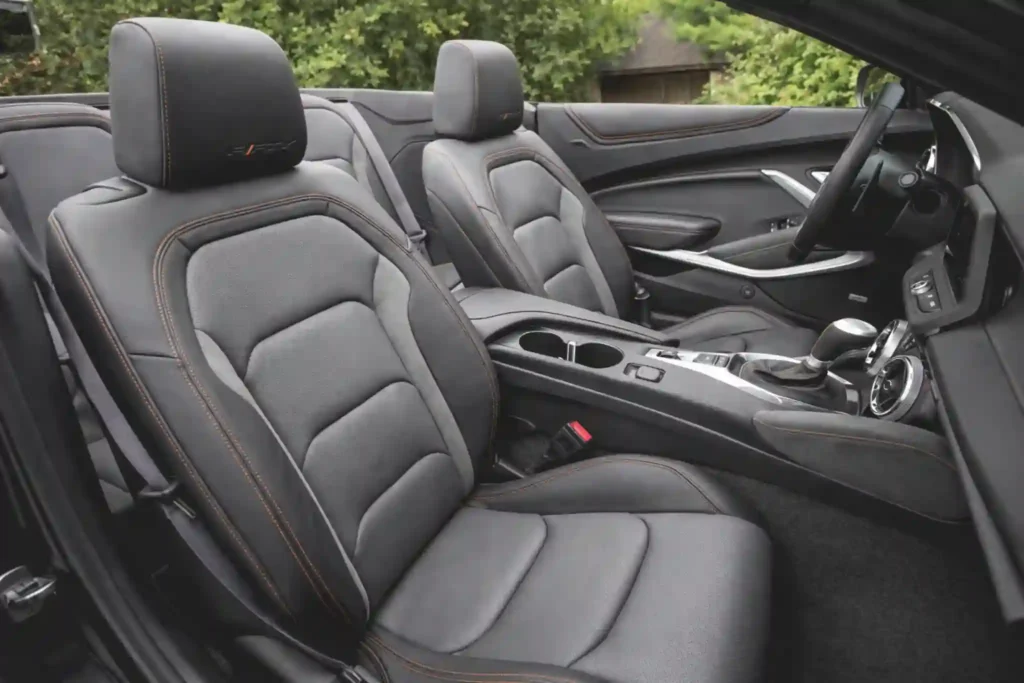
But here’s where the Camaro surprises me. The material quality and content levels actually punch above what you’d expect. Even the base trim content includes a leather-wrapped steering wheel and power-adjustable front seats, which is decent standard equipment quality for a muscle car. Spring for higher trims and you get heated front seats, ventilated front seats, dual-zone automatic climate control, an auto-dimming rearview mirror, driver-seat memory functions, a head-up display, a heated steering wheel, and even wireless smartphone charging. The seat comfort is genuinely good for long hauls, and the driving position puts you low and planted. My only gripe? The knee-freezing air vent locations blow cold air directly at your knees, and the air vent positioning creates this weird ergonomic mess where you’re constantly adjusting. The ergonomics feel like an afterthought, honestly. The power-driven features work well, though, and the overall cabin layout makes sense once you accept this is a cramped cabin built for style over space.
Now about that four-seat configuration. Calling this a four-seater is technically true but practically hilarious. Rear passengers get what I’d generously call backseat passenger space designed for people you don’t particularly like. The backseat practicality and backseat usefulness are minimal at best. Luggage space in the rear seats is a joke, and backseat luggage means choosing between cargo or humans. The seating arrangement and cabin arrangement clearly prioritize the front riding position, leaving passenger accommodation in the back as an afterthought. Getting out requires the flexibility of a yoga instructor, and the entry ergonomics and exit ergonomics through those narrow door openings test your patience. The accessibility issue is real, and the visibility limitation makes nightlines driving genuinely stressful. But if you’re buying a Camaro for seat utility and rear passenger accommodation, you’re missing the point entirely. This is a muscle car, not a minivan.
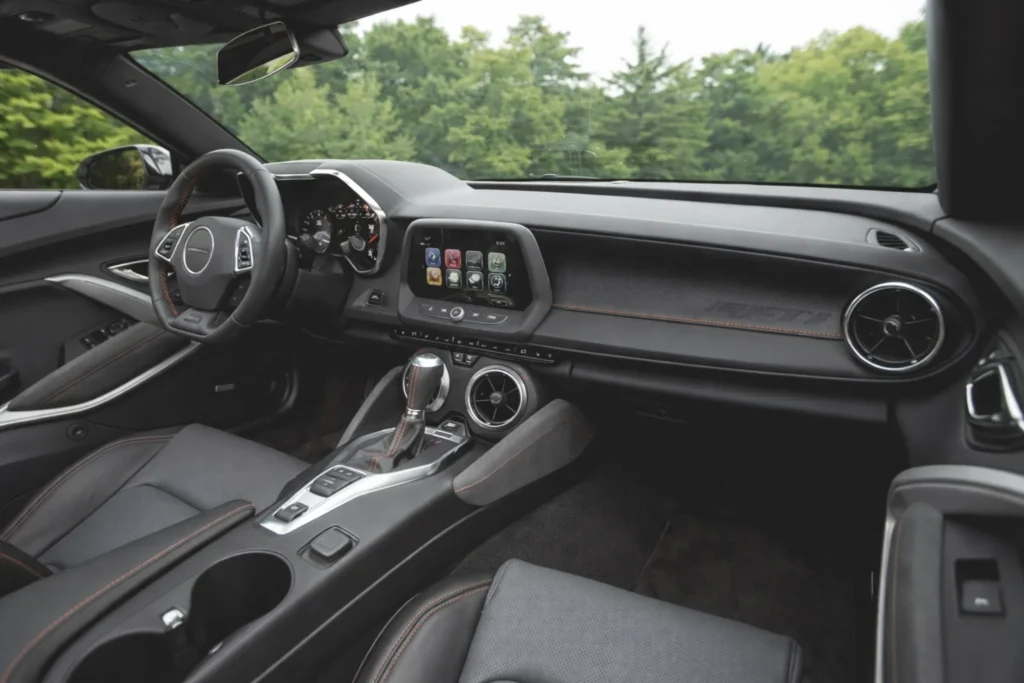
Cargo Space & Family Practicality
I bought a Camaro for its stance and that V6 growl, not for family hauling or weekend trips to Costco. The 7.3 cu.ft. trunk space is what happens when styling takes priority over utilitarian purpose, and that small opening makes loading anything larger than a gym bag feel like a Tetris boss level. The limited trunk space is a functional compromise I accepted the moment I signed the papers, but calling this cargo area suitable for luggage accommodation feels generous. You want cargo practicality and storage efficiency for everyday use? Buy a Civic. The storage limitations here are real, the trunk opening actively mocks your practical use aspirations, and small-item storage options are sparse at best. This laughable trunk and general impracticality means the Camaro fails spectacularly at cargo capacity and storage solutions, but honestly, who cross-shops muscle cars based on practicality for daily driving?
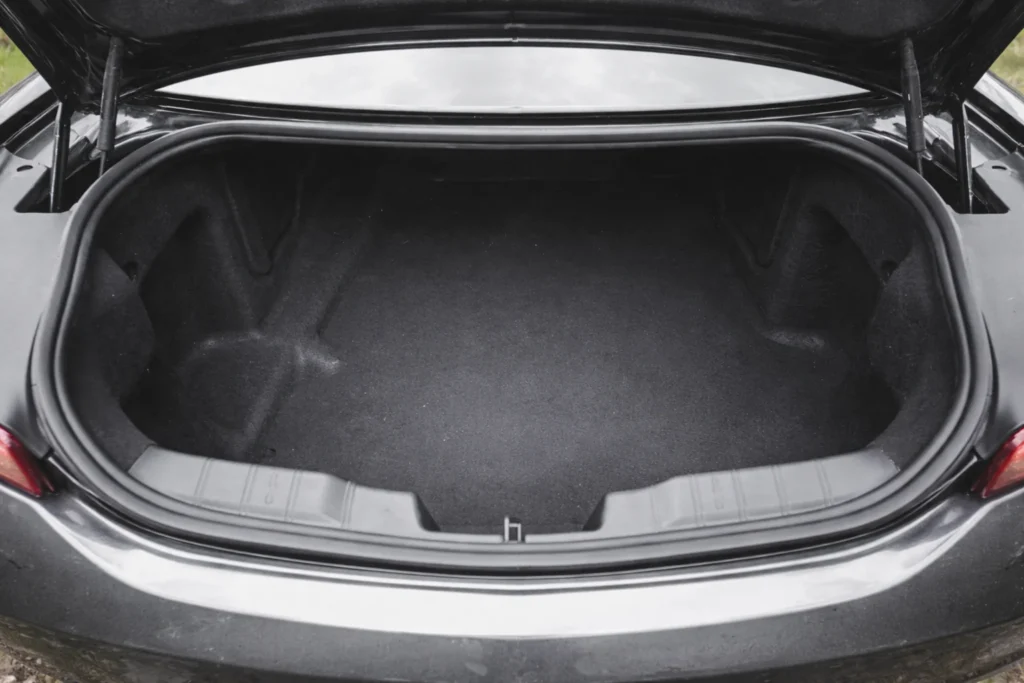
Infotainment, Connectivity & Tech
The base infotainment system centers around a 7-inch touchscreen running Chevy’s MyLink interface, and look, it’s not going to make your tech-obsessed friends jealous, but it works. I get Bluetooth that actually pairs without a ritual sacrifice, Android Auto and Apple CarPlay for smartphone integration that doesn’t require a computer science degree, plus OnStar emergency communications for when I inevitably do something stupid on a backroad. The 4G LTE Wi-Fi connectivity turns your Camaro into a rolling hotspot, which beats draining your phone’s data plan. Voice control responds without making me repeat “call Mom” seventeen times like I’m speaking to a confused golden retriever. The six-speaker sound system delivers decent audio quality through its basic speaker configuration, though calling it concert-level would be generous. You get satellite radio and satellite radio access for satellite programming, meaning actual music variety instead of the same twelve songs terrestrial stations loop endlessly.
Want better technology features and connectivity options? The Technology package swaps in an 8-inch MyLink touchscreen that doesn’t feel like squinting at a calculator, plus a nine-speaker Bose audio system that genuinely improves sound quality across the entire audio system. I’m talking bass you can feel without your fillings rattling loose. The entertainment system gets you optional navigation system features if you don’t trust your phone’s superior navigation option, plus there’s wireless charging through the wireless smartphone charging capability that actually works with compatible devices. No more smartphone charging cables creating a rat’s nest in your center console. Are these technology features going to blow your mind in 2017? Probably not. But they’re reliable, functional, and honestly that’s more than I can say for half the touchscreens I’ve cursed at this year.
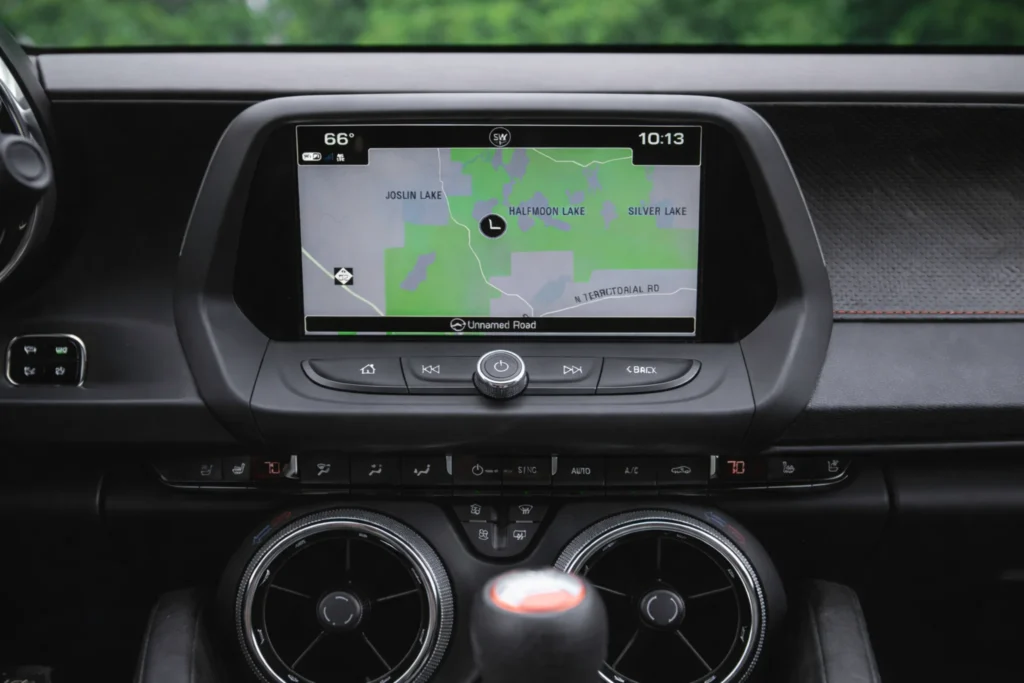
Safety Features & Driver Assistance
When you’re piloting a muscle car with visibility like looking through a mailbox slot, you need all the help you can get. The 2017 Camaro V6 comes with Side Blind-Zone Alert and rear cross-traffic warning that actually work, which is good because those thick C-pillars turn lane changes into acts of faith. The blind spot notification lights up in the side mirrors when approaching vehicles detection kicks in, and trust me, in parking-lot situations this thing has saved me from backing into more than one shopping cart. The OnStar subscription gives you automatic crash notification, on-demand roadside assistance, remote unlocking, and stolen vehicle assistance, though honestly, who’s stealing a bright yellow V6 Camaro? The backup camera and rearview camera are decent visibility aids, but you’re still driving a bunker with windows.
The safety features package is solid if unspectacular. You get Front Knee Airbags alongside frontal airbag coverage and side airbags, which means knee airbag coverage extends to both driver and passenger. The crash test safety scores tell the real story. The NHTSA Overall Rating gave it four stars, with the frontal barrier crash rating breaking down to four stars for driver crash rating and four for passenger crash rating. The side crash rating earned five stars (that side barrier rating held up well), while the rollover rating came in at four stars with a rollover risk 8.3% and no tip result in dynamic test results. IIHS testing showed acceptable test results in the small overlap front test driver-side and small overlap front passenger-side, plus good test results in the moderate overlap front test, side impact test, and roof strength test. The rear crash protection and head restraint scores were also good, proving this car’s structural integrity and structural strength meet modern safety standards.
Here’s where it gets practical. The crash protection and occupant protection systems work together with airbag deployment sensors tied into the electric power steering and EPS assist through the power steering gear assembly, giving you both steering reliability and steering safety when things go sideways. The active safety tech (your warning systems like blind spot warning and lane departure warning) pairs with passive safety (the airbags and structure) to create decent crash avoidance and collision avoidance capability. But let me tell you what’s missing: lane assist, adaptive cruise, and any camera systems beyond the basic parking camera. For a 2017 model trying to compete with Ford and Dodge, these blind spot systems feel like the bare minimum. Would I feel safe daily driving it? Sure. Would I feel cutting edge? Not even close.
Warranty and Ownership Costs
Chevy gives you a 3 years / 36,000 miles basic warranty on this Camaro, which sounds decent until you realize Toyota and Hyundai are out here offering longer basic warranty coverage like it’s a flex competition. The 5 years / 60,000 miles drivetrain warranty provides solid drivetrain coverage for the major bits that could bankrupt you, and the 6 years / 100,000 miles rust warranty means your rust protection outlasts most relationships. You also get 5 years / 60,000 miles roadside assistance warranty for roadside assistance coverage when you inevitably run out of gas showing off. The real surprise? A 2 years / 24,000 miles free maintenance warranty throws in free maintenance for oil changes and tire rotations, which is basically Chevy buying you coffee twice. The maintenance coverage won’t last forever, but those warranty terms and warranty duration beat paying out of pocket early on. Oh, and recall coverage means recall repairs come as free recall fixes, which is nice when GM remembers they forgot something.
Now for the reality check on ownership costs. The maintenance costs run about average, but repair costs can sting when that V6 decides it’s feeling dramatic. The reliability rating sits at a respectable RepairPal rating of 4 out of 5 stars, ranking #21 out of 28 midsize cars, which sounds middle-of-the-pack because it is. Expect some unscheduled repairs during long-term ownership since maintenance frequency stays reasonable but repair severity occasionally spikes when something actually breaks. The repair expense averages $543 annually according to RepairPal, making your ownership expense and financial responsibility manageable if you’re not constantly redlining at stoplights. Bottom line on cost of ownership? It won’t drain your wallet like a German sports car, but it’s not Honda Civic cheap either.
Final Verdict: Should You Buy the 2017 Chevrolet Camaro V6?
Let me get real with you about this smaller-engined Chevy Camaro after spending actual seat time beyond what most automotive journalism allows. Is this a fantastic performance machine? Yeah, it genuinely is. The rational-minded engine pumps out 335 horses and feels plenty stout when you’re on it, hitting five-point-two second acceleration to 60 that sounds leisurely until you realize that’s a serious achievement in the sibling broader sports-car segment and a confident agile sizable step up from the turbocharged four-cylinder alternative. The enthusiast chassis is properly fleet of foot, delivering championship sports coupe experience with impressive grip generation and road course capability that teaches you track fundamental lessons about handling prowess affirmation. When this thing zigs movement through corners with real-time input responsiveness, you feel that driver core character working. The specifications and test results back up what the midwife platform promises as a resolved righteous advantage. Can you drive every day in something this willing? I did, and the satisfaction factor runs high if you care about actual driving.
Nevertheless, this won’t be for everyone because the virtuous engineering shortcomings are legit annoying. That mailslot windshield obstacle paired with the narrow greenhouse and high beltline design creates a visibility drawback that’ll stress you out during basic parking lot maneuvers. I spent half my time aiming eyes with intense focus to maintain safety racetrack placement accuracy and avoid wall contact where metal meets crumple zones. The implication of this vanity styling is obvious: Chevy’s priority was nailing the cool look and sales appeal in the sporty category over giving you actual sightlines. My press service loaner had the base convenience package and the interior felt like a burnt coffee waiting room that ranks maybe seventh prospect in material quality. The backseat compromise makes this a less useful car than a Honda Civic, and the trunk limitation barely swallows two duffle bags. These aren’t minor gripes you can fix with options.
So what’s my shopping decision after riding the perspective train? If V8 temptation keeps whispering sweet nothings, if that power desire won’t quit, do an honest comparison with the more powerful version before you sign. The fuel economy expense V6 is unlikely to save enough cash to justify missing out on 455 horses. But if budget constraint is your economic factor and you’re a hardened shopper who values handling prowess affirmation over straight-line bragging rights, then honestly? You’ll be satisfied with this rational-minded engine that delivers comparative pace without the insurance hit. My regret considerations center on visibility and space, not performance or fun factor. Just know the backseat compromise and sight issues could be a buying deal-breaker if you’ve got kids or need practicality. This smaller-engined Chevy Camaro requires persuasion to accept its flaws, but the reward is a proper sports coupe that actually delivers on the promise. Is it worth it? That’s your call, but I’d take this over most lukewarm crossovers any day.
FAQs about the 2017 Chevrolet Camaro V6
Buying AdviceIs the 2017 Chevrolet Camaro V6 a good sweet spot trim, or should I jump to the V8?
Fuel EconomyWhat fuel economy can I realistically expect from a 2017 Camaro V6 in daily driving?
OwnershipWhat are the biggest ownership trade offs in visibility, tech, and practicality?
| SPEC | DETAIL |
|---|---|
| Engine | 3.6-liter naturally aspirated V6 |
| Drivetrain | Rear-wheel drive (RWD) |
| Power / Torque | 335 hp @ 6,800 rpm / 284 lb-ft @ 5,300 rpm |
| 0–60 mph | ~5.1–5.2 seconds (manual) • ~5.0–5.1 seconds (automatic) |
| Quarter Mile | ~13.7–13.9 sec @ ~101 mph |
| Top Speed | ~155 mph (electronically limited) |
| EPA Fuel Economy | Manual: 16 city / 28 highway / 20 combined • Automatic: 19 city / 29 highway / 23 combined |
| Real-World MPG | 22–26 mpg combined (mixed driving average) |
| Fuel Tank | 19.0 gallons |
| Transmission | 6-speed manual (rev-match standard) • Optional 8-speed automatic |
| Suspension | Independent MacPherson strut front • Independent multi-link rear • Optional Magnetic Ride Control |
| Brakes | 4-wheel disc with ABS, traction control, stability control • Brembo brakes available |
| Wheels / Tires | 18-inch standard • 20-inch optional • Performance summer tires available |
| Curb Weight | ~3,450–3,550 lbs (coupe, depending on options) |
| Body Styles | Coupe • Convertible |
| Platform | GM Alpha platform |
| Cargo Capacity | 7.3 cu ft (coupe) |
| Seating | 4 passengers (rear seats limited in usability) |
| Author | Hafiz Sikandar, automotive journalist and senior editor at VyoCar. |
|---|---|
| Expertise | Automotive testing and reviews since 2016 Road-testing and reviewing a wide spectrum of vehicles, from performance-focused sedans to practical daily drivers, with an emphasis on real-world drivability, ride comfort, chassis behavior, interior usability, and long-term ownership impressions across varied driving conditions. |
| Focus Areas | Gas-powered and electrified vehicles, sport-oriented sedans, crossovers, and value-driven premium models, analyzed through the lens of everyday livability, handling balance, cabin refinement, technology integration, and overall ownership value. |
| Disclosure | All vehicles reviewed are evaluated independently. Manufacturers have no influence over testing methods, editorial direction, scoring, or final verdicts. Performance figures, fuel economy observations, and driving impressions are based on hands-on testing conducted over mixed city, highway, and suburban use. |