

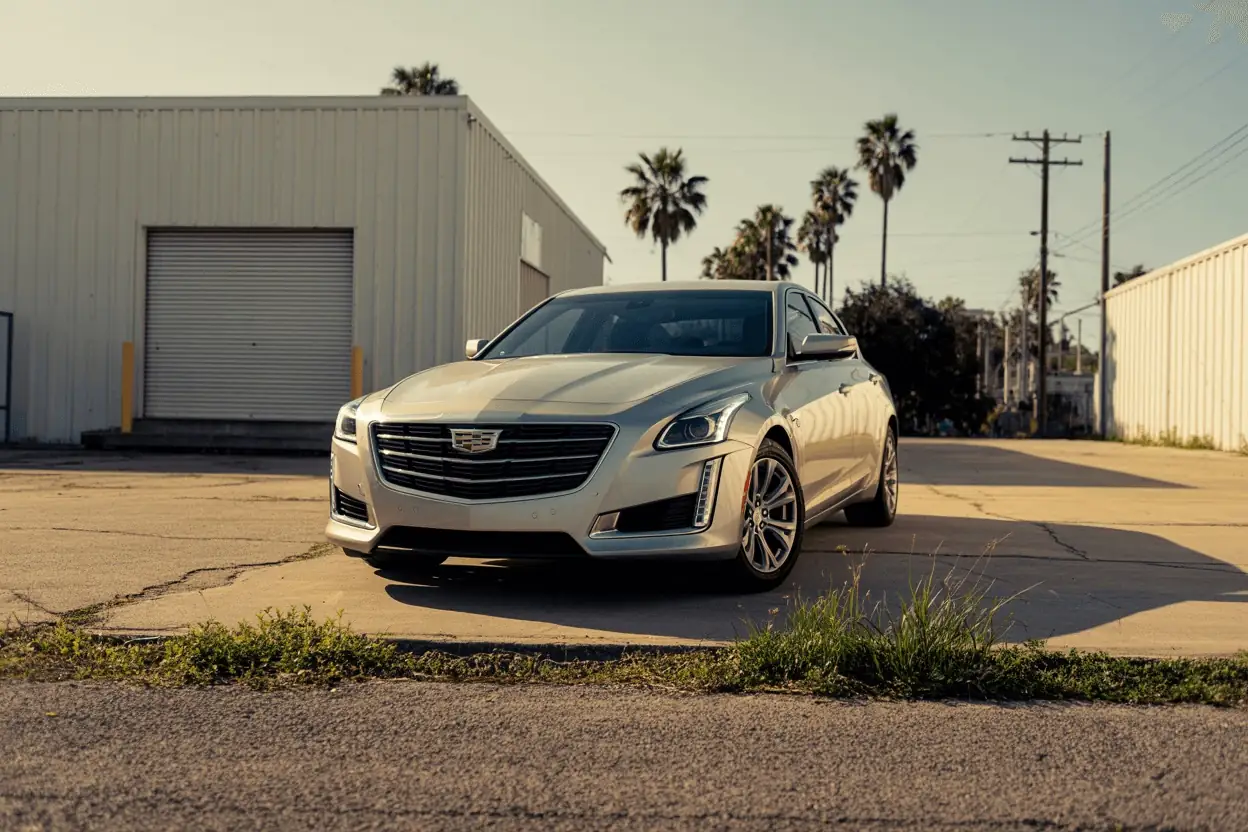
Pros & Cons
- Engaging, sharp handling dynamics.
- Premium, well-appointed interior cabin.
- Strong value proposition competitively.
- CUE interface frustrates frequently.
- Compromised rear seat space.
- Mediocre fuel economy ratings.
2016 Cadillac CTS Review with Vyocar
It's got a wonderfully sporty chassis hiding under a frustratingly bad CUE infotainment system.
Overview
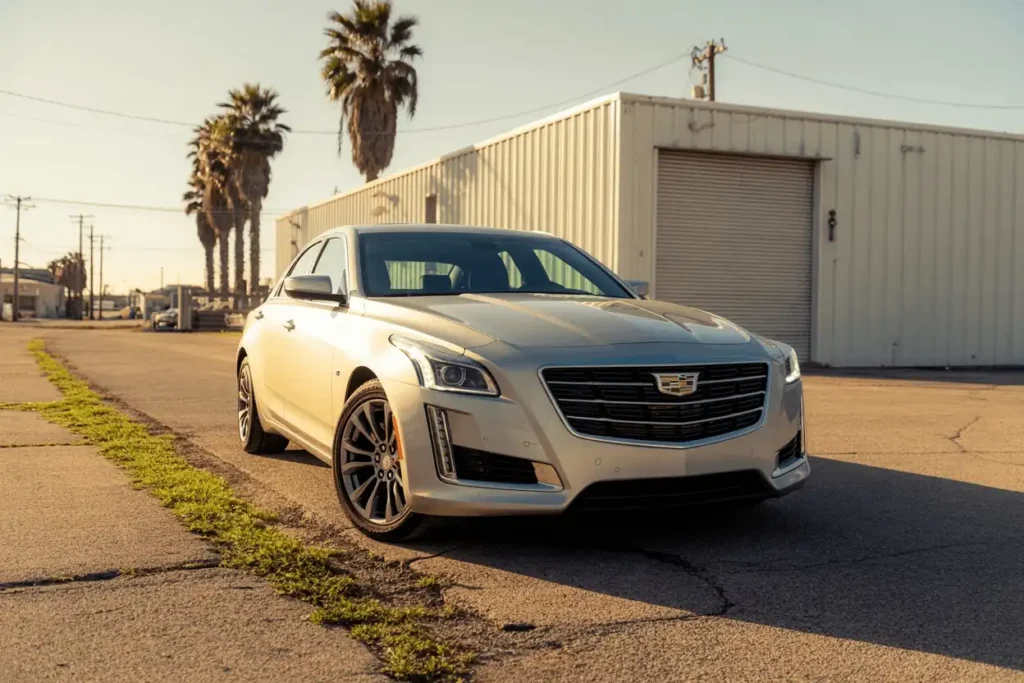
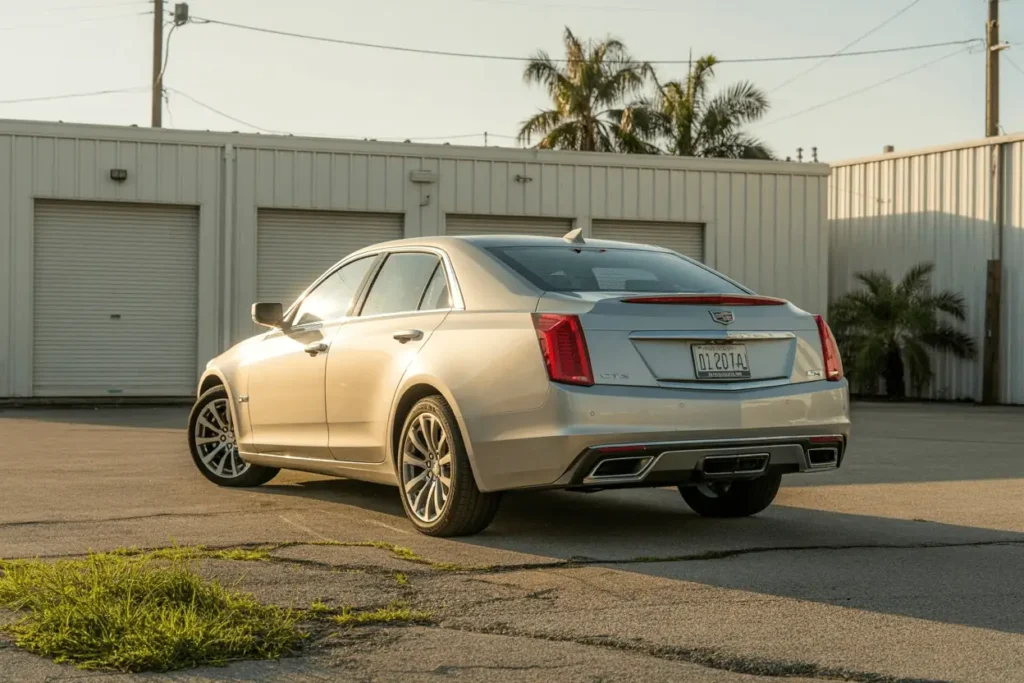
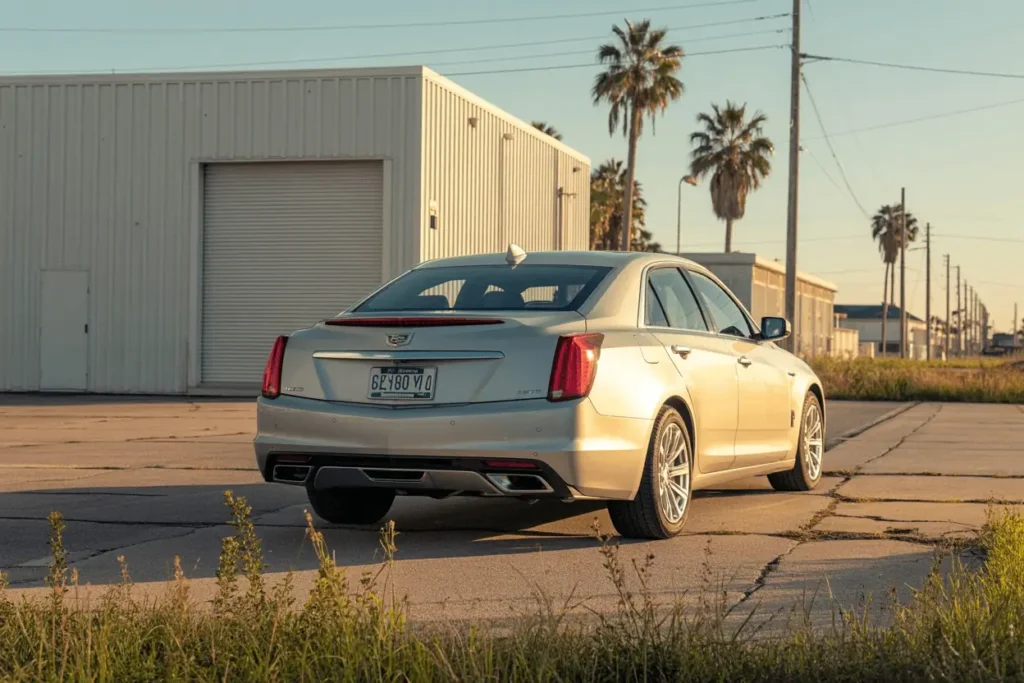
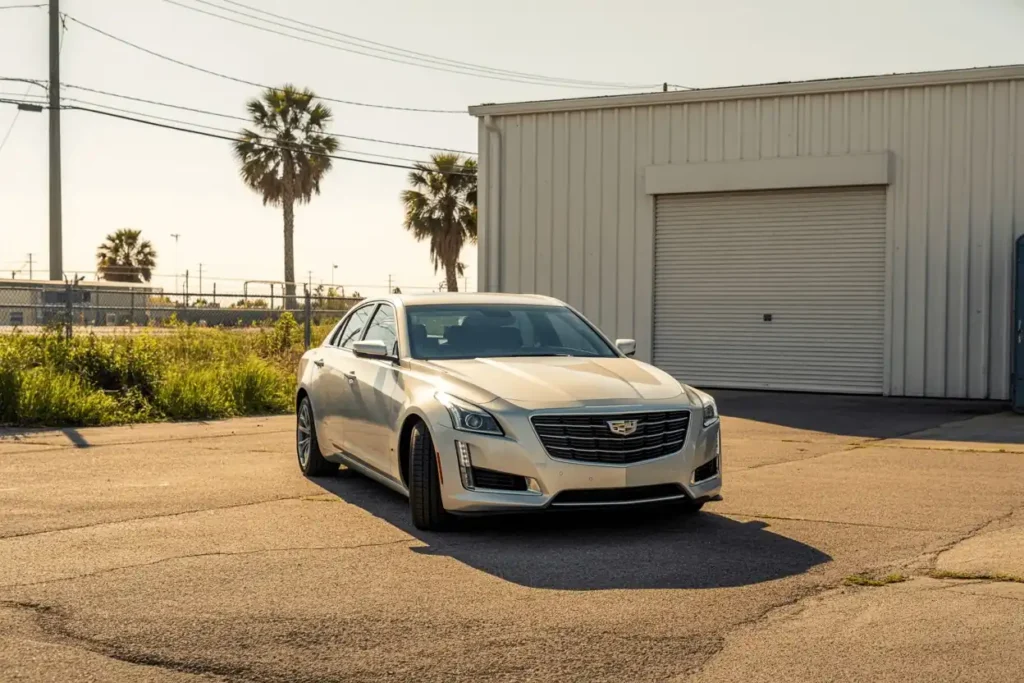
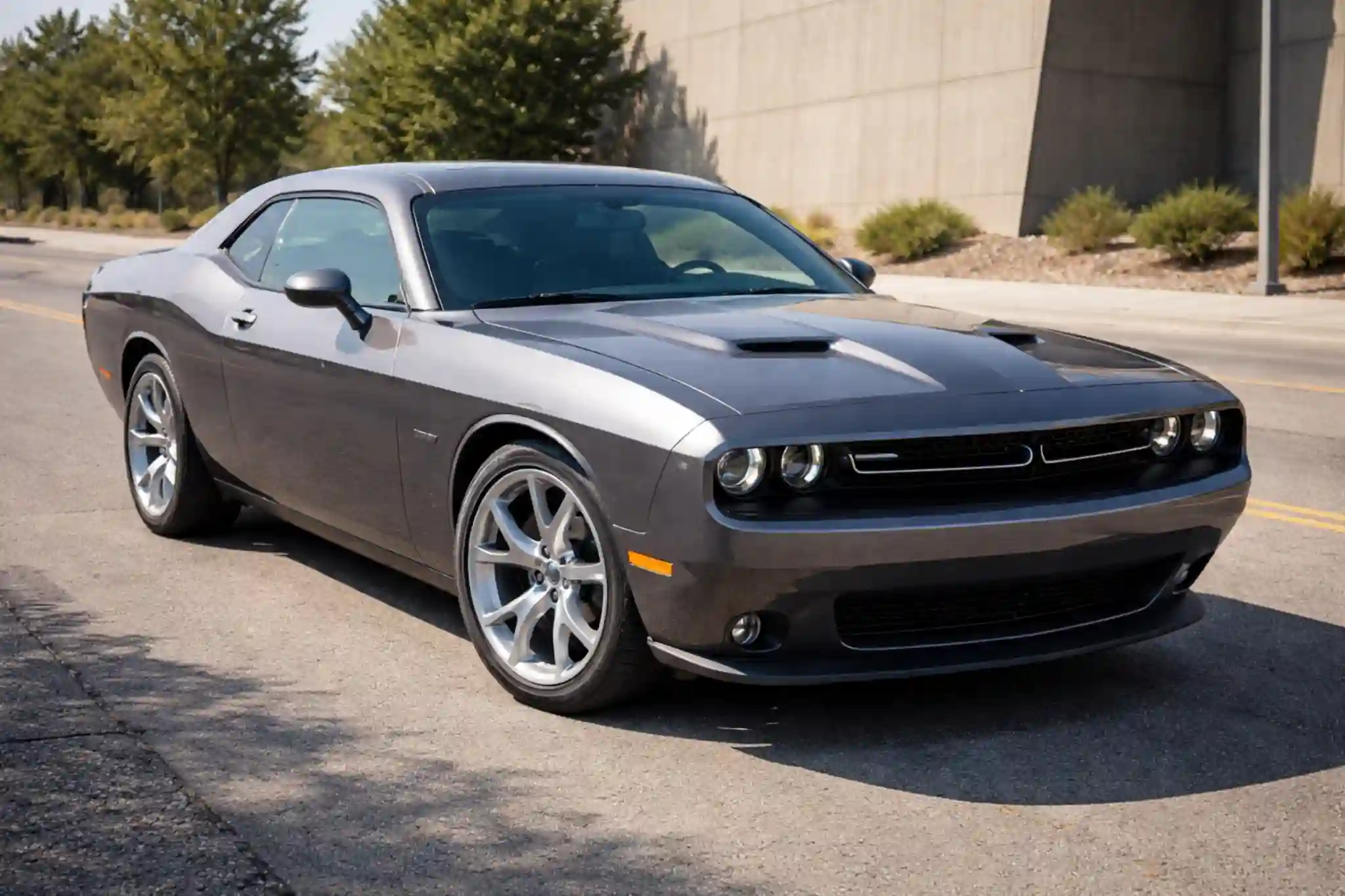
Let’s get a head-on view of the 2016 CTS. Cadillac’s comeback in the midsize luxury sedans arena is a serious move, and this car is designed to go head-on with the competitive market, even for shoppers cross-shopping a Dodge Challenger. Its styling boasts a striking profile with chiseled corners, a huge upgrade from the last-gen rough around the edges feel. That waterfall LED lighting isn’t just for show; it’s a harbinger of a brand renaissance. Compared to the latest renewed Escalade, this well-engineered product ditches the past image of a big brute for something sharply appointed. It’s a clear indicator that Cadillacs are evolving.
Under the hood, available turbocharged options include a V6 churning out world-class performance. For shoppers comparing rear-drive sport sedans, the Chevrolet SS often comes up as a benchmark in this space. The handling is engaging and sharp, a win for anyone who enjoys a sporty drive without the drama. Inside, the cabin is a fetching, well-trimmed interior that feels luxuriously appointed and excellent for daily use. The ride handles its weight nicely, smoothing out roads like a peer in the respective segments. This example proves Cadillac is over its decade of Germanic focus, balancing desirability with everyday sense. Put it beside the ATS or the bombastic CTS-V, and it stands as a well-engineered contender. Blessed with this product, they’re churning out vehicles that can truly win against the competition.
What’s New for 2016 CTS
For 2016, the Cadillac CTS gets some sensible tweaks rather than a full reinvention. You now get a standard turbocharged 2.0-liter engine that’s fine for daily commutes, or you can opt for the new 3.6-liter V6 paired with a slick eight-speed automatic transmission; it’s smooth, though the auto stop-start feature can feel a bit jarring at traffic lights. Inside, the CTS’s CUE touchscreen interface is still a bit of a fingerprint magnet, but it’s upgraded with newly available Apple CarPlay and Android Auto compatibility, which is a genuine relief for anyone who’s ever fumbled with a cable. They’ve also thrown in a standard rearview camera and made a surround-view parking camera an option, because parallel parking a land yacht should be less of a guessing game. Oh, and the V6 models get cylinder deactivation for better mileage, a clever trick, but let’s be honest, you’re probably not buying this for its fuel-sipping prowess.
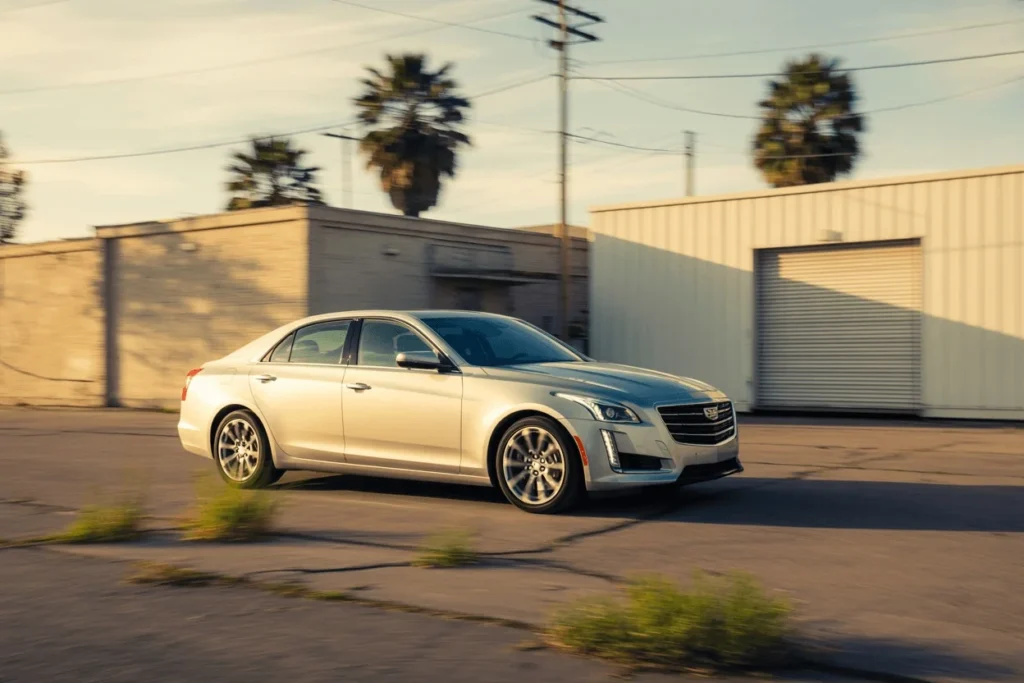
Pricing, Trim Levels, and Best Pick
Let’s get into the wallet-wringing details. The 2016 CTS kicks off with a Standard model that has an MSRP just under $50k; it’s the entry-level pick, but honestly, it’s well-equipped for most daily grinds. Step up to the mid-tier options like the Luxury Collection or the Performance trim, and you’re in around $60k territory. Then there’s the range-topping crowd: the Premium Collection, Vsport, and Vsport Premium, which can soar nearly $70k when fully loaded with extras like the Driver Assist Package.
So, what’s my recommended choice? I’ve driven them all, and the Luxury Collection nails the cost-to-feature balance. It’s plush without the price tag of a Performance trim that you’ll never fully exploit on public roads. The Standard model is a steal, but the mid-tier treats you better. Unless your commute involves a racetrack, save your cash and skip the top shelves, your bank account will applaud.
Powertrain, Transmission, and Driving Dynamics
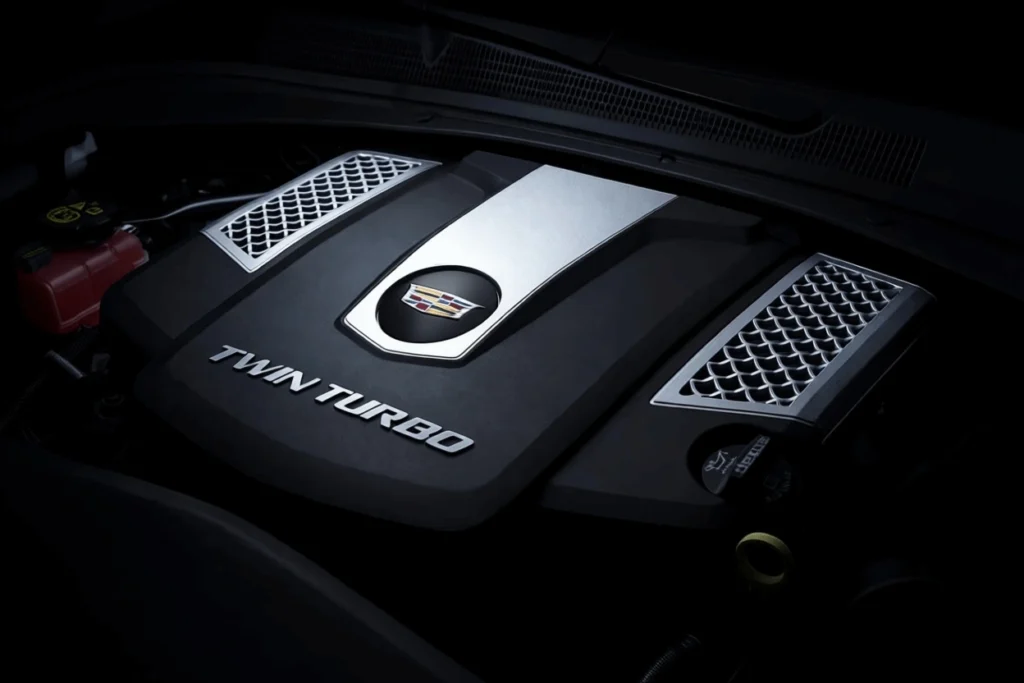
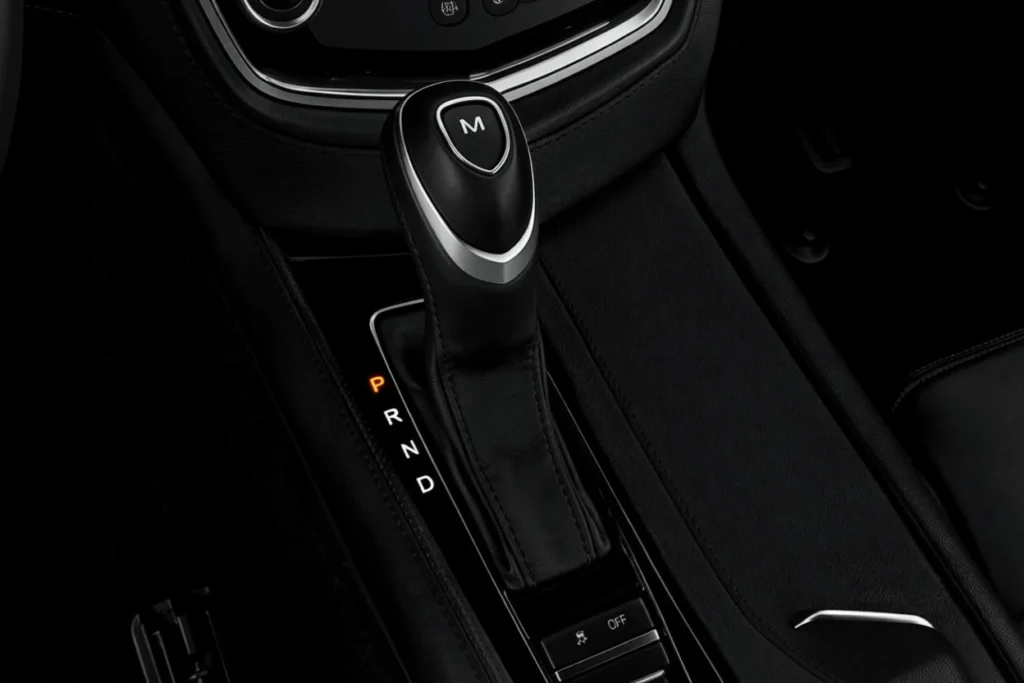
My 3.6 AWD tester packed the N/A V6 3.6-liter engine with 335 horsepower and 285 lb-ft torque, hooked to a new 8-speed automatic. On paper, it’s competent, but this long sedan weighs over two tons, you need to keep your foot in it to stay on boil. GM’s in-house transmission sometimes shows balky shift behavior, especially in cold-start conditions, which is a stark contrast to the polished demeanor of the German big three. Drivers considering a Dodge Charger will recognize that same big-sedan character here, just with a more refined luxury tilt. Yet, when those revs climb, it’s a smooth ride that handles handling larger CTS duties without much fuss. The history here is Cadillac’s chassis tuning, which gives this big Caddy a sharp balance between passenger comfort and flat cornering attitudes. It’s a fantastic compromise for a lengthy backseat cruiser that still wants to play on the sportier end.
Behind the wheel, the driving dynamics are involved enough to make you forget you’re piloting something lighter than outgoing models but still a sizable machine. It turns into corners with quick-witted responses, feeling smaller than it is, until you confront a massive turning radius in tight quarters. Compared to the ATS Coupe, the CTS loses some playfulness but gains a more mature character for shoppers also eyeing a Lexus ES 350 who want comfort without giving up composure. I’m impressed by how it stacks up against competitors like the E-class, A6 or 535xi, it’s a well-resolved handler that doesn’t hide its heft. The all-wheel drive system provides grip, but the real win is the smooth ride that isolates bumps without feeling numb. In the sandbox of modern luxury cars, this Caddy holds its own with crisp handsome looks and a fanatical focus on differentiate brand from other marques.
So, where does that leave the CTS? It’s a vehicle with a split image, part comfort-minded long sedan, part sportier end pretender. The case for it is strong, especially with killer lease deals, when measured against the Lexus GS or Infiniti Q70. But let’s be real: that balky shift behavior and massive turning radius are tangible gripes in daily use. Overall, it’s a competent, well-resolved handler that delivers a fantastic compromise for those who want a smooth ride without sacrificing all the involving fun. Not bad for a fairly small player in the history of GM’s bid to play with the big boys.
Cadillac CTS Fuel Economy Test
Let’s get straight to the numbers. The EPA-estimated fuel economy for the CTS is a rollercoaster. The base four-cylinder with RWD-only manages 22 mpg combined (21 city/31 highway), which is alright. But the regular V6 in RWD drops to 19 mpg combined (16 city/24 highway)—ouch. Go for the AWD version, and you’re looking at 24 mpg combined (20 city/28 highway). Interestingly, the V-Sport is even thirstier in the city with that 16 city rating. Compare this to the Audi A6 and its 30 highway figure, and the CTS isn’t exactly leading the pack.
In my real world testing, that 31 highway claim is almost believable if you’ve got a feather foot. But who buys a Caddy for that? The four-cylinder is pitched as fuel-efficient, but with 19 city in some setups, it’s no sipper. For example, the AWD four-cylinder gets 28 mpg combined, while the RWD regular V6 sits at 19 mpg combined. Honestly, the 25 mpg combined for the four-cylinder RWD is fine, but it’s not going to win any eco prizes. You get a comfortable ride, but the fuel economy won’t save you from frequent gas station visits.
Interior, Comfort and Space
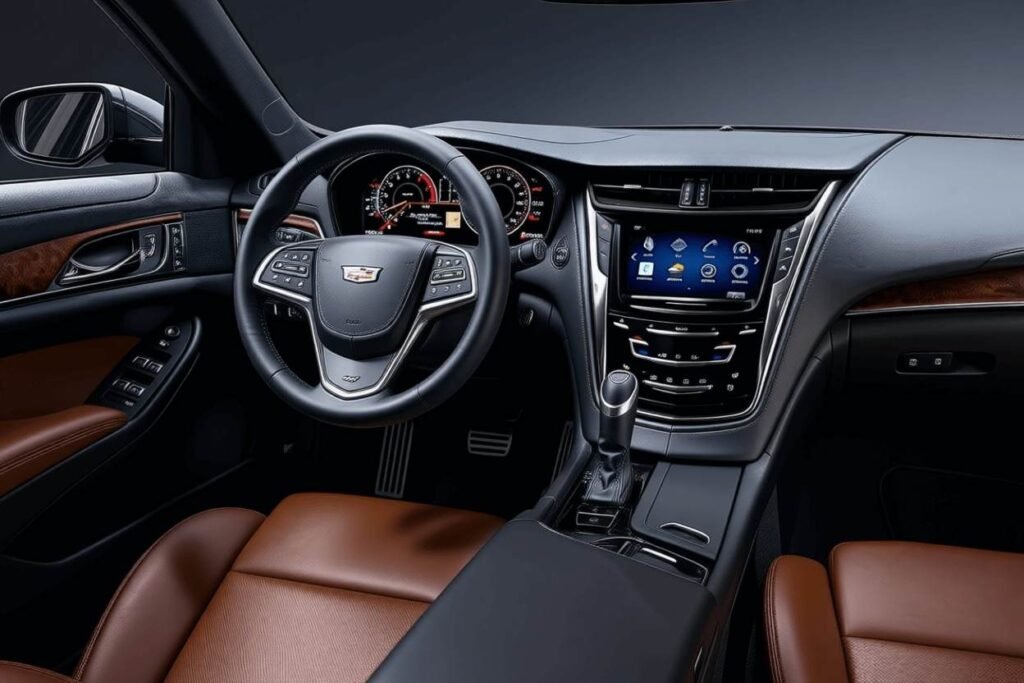
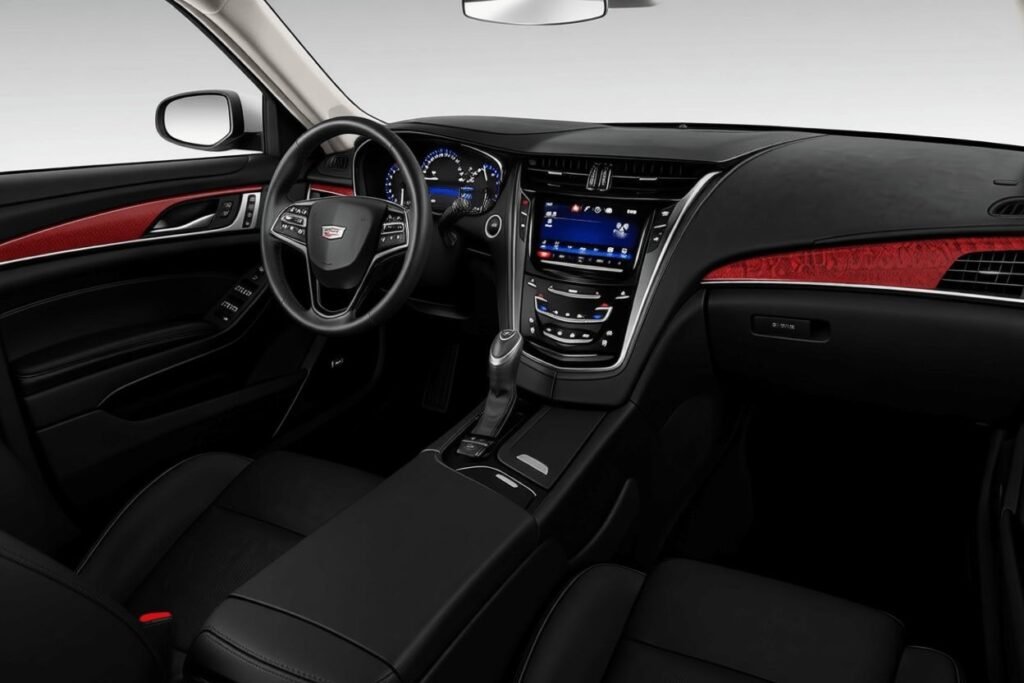
Inside the 2016 Cadillac CTS, the interior is a sight to behold. The dash is handsomely rendered with rich materials and sturdily-built panels. A gentle prod confirms the solid craftsmanship. The design meshes modern luxury with sporting intent quite nicely. Thoughtfully integrated touches like motorized privacy shades for the rear windows add a level of sophistication. Surprise, the CUE system boasts sophisticated technology, but using it feels like a mission at times. The climate controls are hidden behind a sleek cover, accessed via a touch interface that isn’t always better than physical knobs.
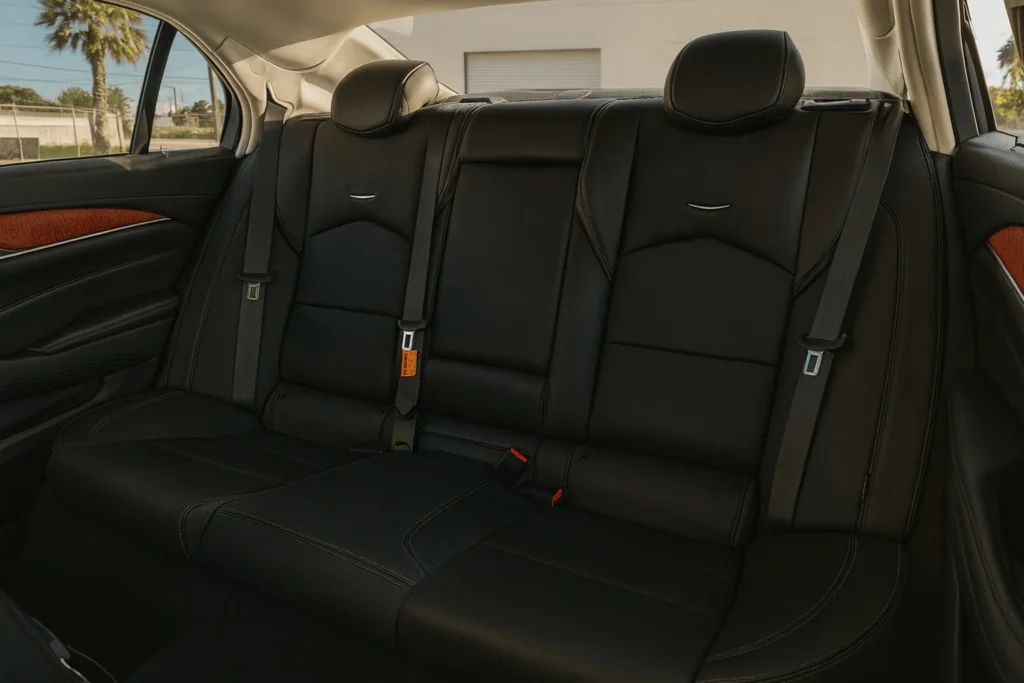
Front seats are enveloping and coddling, with ample room and personal space. It delivers the kind of cushioned support Buick LaCrosse owners appreciate in an easygoing highway cruiser. The back seats, however, are a different story. Passengers might not enjoy the same room, and the quarter space is tight. Similarly, the cupholder behind the center armrest is clever but small. At highway speeds, the cabin maintains a Trappist-monk silence, thanks to thick glass, which is a delight.
The car boasts plenty of storage options, and the integration of technology is sophisticated. Yet, the door panels feel a bit worse for wear after a thorough test. The cockpit is intimate and finished to a high standard, but some controls on the dashboard require a second look. Overall, the CTS interior offers a luxurious experience with plenty of clever touches, though not without flaws.
Cargo Space & Family Practicality
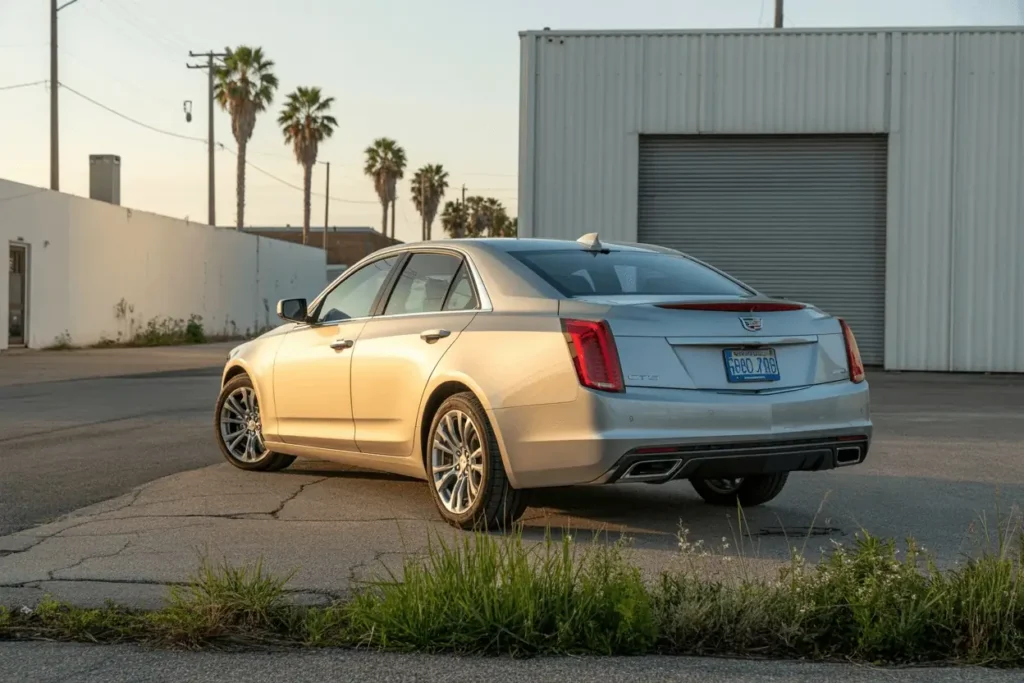
The 2016 Cadillac CTS plays it coy with utility. This midsize sedan’s trunk clocks in at 13.7 cubic feet, a modest offering that feels small by class standards. Rear passengers get less legroom than you’d expect, making the back seats a tight squeeze for adults. I was pleased with its grip on the road, but for family duty? Hauling kid gear or groceries in that space is like trying to fit a week’s luggage in a gym bag, it just doesn’t cut it.
Infotainment, Connectivity & Tech
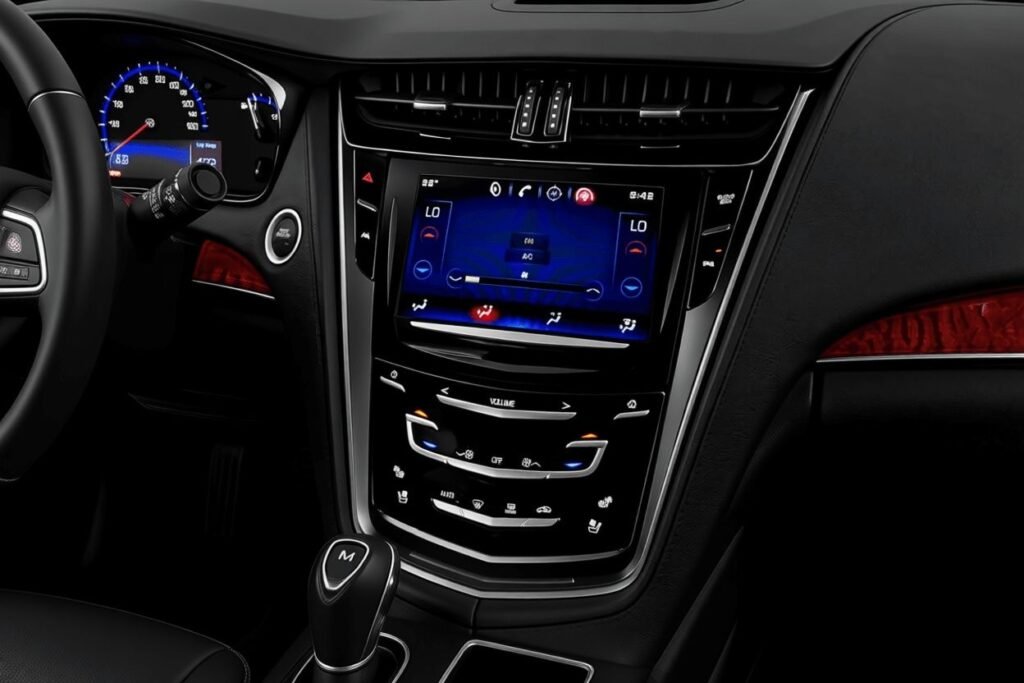
Let’s talk about the 2016 Cadillac CTS and its infotainment system, because oh boy, CUE (that’s Cadillac User Experience) is a mixed bag. You get this 8-inch graphically rich interface that’s buttonless, relying on a capacitive-touch system and those peripheral touch-panel inputs. But comparing it to normal knobs? Replacing physical buttons with swipes and taps for station tuning or temperature controls invites ire. The touchscreen’s responsiveness has seen improvements from the past, thanks to a faster processor and additional tweaks, yet it still manages to frustrate. Ever tried a quick command with the voice controls while driving? Good luck.
Now, keep in mind that Caddy’s packed this quicker model with technology features aimed at convenience. You’ve got three USB ports, an auxiliary audio jack, and wireless smartphone charging for your gadgets. There’s 4G data connectivity and Wi-Fi capability, making it a capable hub for now-ubiquitous needs. Base integration includes Apple CarPlay and Android Auto, the kind of everyday usability you also expect in something like the Mercedes-Benz E400 Cabriolet, so even without navigation, your phone’s apps step in. OnStar telematics is purposefully built for safety, but let’s be honest: oft-used functions like Bluetooth phone pairing or satellite radio can still frustrate. That volume slider? It needs some quelling of my rage, it’s just not intuitive.
Audio-wise, the 11-speaker surround-sound Bose system is solid, and HD radio is a nice touch. But the user experience overall? It’s a new attempt that feels purposefully built yet oddly frustrating. I mean, compatibility is there, but why does something as simple as station tuning have to be a chore? From 2015 to 2016, they’ve made strides, but it’s not quite there.
So, is the infotainment in the 2016 CTS a win? Well, it’s capable and loaded with technology features, but that buttonless interface and those peripheral touch-panel inputs remind me that not all progress feels like it. A mixed bag, indeed – better, but still testing my patience.
Safety Features & Driver Assistance
The Standard safety kit includes stability control and antilock disc brakes, plus a rearview camera and OnStar telematics for automatic crash notification and roadside assistance. You also get side airbags and curtain airbags, because who doesn’t appreciate extra padding when things go sideways? It’s all there, but does it feel like overkill for a grocery run? Sometimes.
In crash tests, the present-generation CTS earned a top rating from the (IIHS) Insurance Institute for Highway Safety, scoring five stars in front-impact safety and side-impact safety. It even grabbed a Superior rating for crash prevention, thanks to automatic braking and the collision mitigation system. Sure, it’s reassuring, but I’ve driven tanks with less paranoia. The data doesn’t lie, though; this car is built to take a hit.
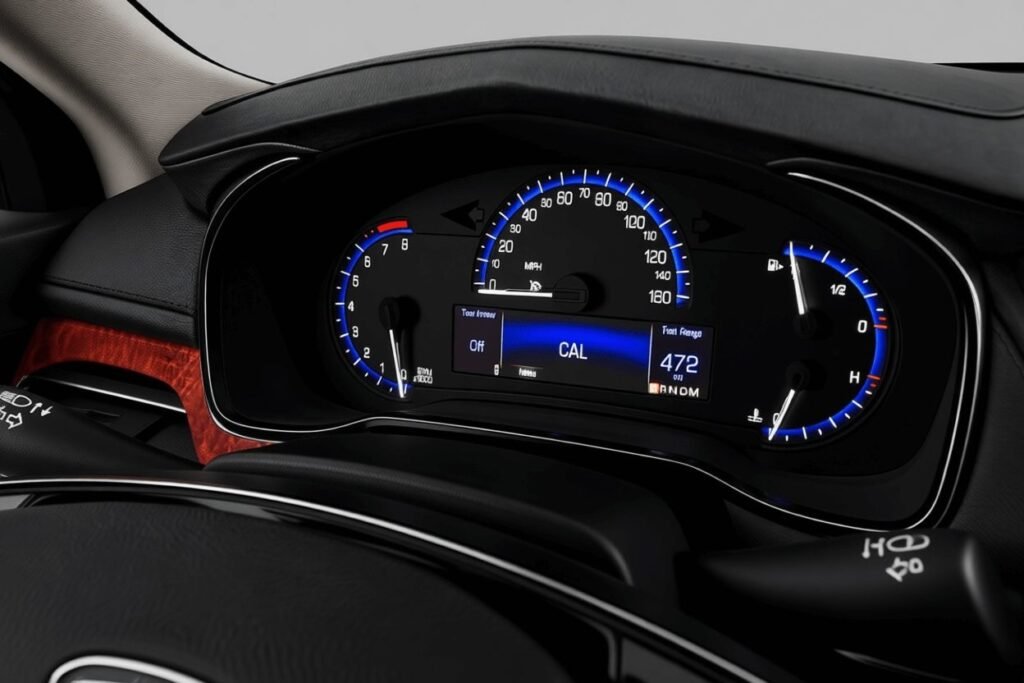
Opt for higher trims, and the Driver Assist package adds adaptive cruise control and active intervention that subtly guides you back into your lane. The Driver Awareness tech is like a nagging co-pilot, but it works. For parking, the surround-view camera provides a bird’s-eye view through the camera system, paired with parking sensors that beep like an eager backseat driver. Inside, the digital gauge cluster with upgraded graphics is clear, but honestly, I’d trade some pixels for simpler buttons.
Comfort isn’t forgotten, with sport seats or the Performance Seat option, along with alloy pedals for a grippy feel. Practical perks include remote door unlock, a vehicle locator, and an emergency button for quick aid. While some safety equipment borders on obsessive for city driving, it’s hard to complain when you’re this covered. The Cadillac CTS makes safety feel straightforward, even if it occasionally reminds you of a helicopter parent.
Warranty and Ownership Costs
Let’s cut to the chase: ownership costs for a used luxury sedan can be a nightmare, but Cadillac’s factory backing tries to soften the blow. You get a bumper to bumper warranty with a 4yr/50k coverage span and a powertrain limited warranty stretching to a 6yr/70k powerunit term. That drivetrain focus means major components are shielded, while the corrosion perforation warranty adds a rustproofing angle and paint blister guard for good measure. Throw in the roadside assistance package, your emergency tow bundle and mobility support for those “oh, come on” moments and it’s a solid breakdown readiness theme. But is it enough to offset the luxury upkeep? Well, it’s a start.
Now, about those included perks: The scheduled maintenance window uses 7500mile interval spacing, guided by smart oil life monitor data. You’ll score complimentary service visits and a courtesy transportation program so you’re not stranded during repairs. With a zero deductible policy, your out-of-pocket cost estimate stays low, and transferable owner clauses sweeten the deal for the next owner. But let’s talk about long run reliability, the annual repair frequency hovers around average, and the coverage claim rate suggests fewer nasty surprises. Still, expect some dealer attention; it’s part of the planned shop entitlements outlined in the basic scope outline.
If you’re paranoid, there’s an extended option outline with tiered shield limits for deeper component protection. Dig into the official booklet details, it’s drier than week-old toast, but it spells out your safety net. Overall, this package tackles mechanic bills with pragmatism, not magic. It won’t erase all ownership costs, but for a 2016 model, it’s a thoughtful buffer against the wallet-draining realities of premium driving.
Final Verdict: Should You Buy the 2016 Cadillac CTS?
Let’s be honest, the midsize luxury class is stuffed with showroom tinsel and fancy enticements. But here’s the real surprise: the CTS has a dash of character that’s genuinely charming. I found its sweet-spinning steering to be a delight feature, and that vocal V6 snarl is pure joy. But oh, those buttons and knobs or lack thereof. Cadillac’s CUE infotainment system is a frustration fest, a real low point in a car that boasts a lithe silhouette and a honed chassis. It’s like an athlete packed with tech that occasionally fights you. Compared to the usual target group, the BMW 5 Series or Audi A6. The CTS feels more sporty and mature than you’d expect, but that CUE system is a constant, nagging compromise.
Under the hood, the range of engines offers seriously fast performance, especially in the 2016 V-Sport model. The sharpness of its handling easily holds its own against the well-known all-stars like the Mercedes-Benz E-Class and Lexus GS 350. It’s a strange-but-true turn of events that this Cadillac can go toe-to-toe with the segment’s best. Considering the alternatives, the CTS presents a worthy complete package that blends superb dynamics with everyday grit. Ultimately, it’s not just about being fast; it’s about feeling both refined and ready for a backroad brawl without feeling like a try-hard.
So, should you buy one? If you’re looking for a sedan that dodges the usual German flavor, the CTS is a compelling pick. It’s that sibling in the group that’s genuinely fun, flaws and all. Forget the hybrid-powered 450h if you want drama; the V-Sport is the one to get. This car proves Cadillac is playing at the same level, offering a driver’s car that’s both sporty and mature. Just be prepared to forgive its tech tantrums for the sake of that honed chassis and lithe silhouette.
FAQs about the 2016 Cadillac CTS
Buying GuideIs the 2016 Cadillac CTS a good used luxury sedan to buy now?
Trim LevelsWhich 2016 Cadillac CTS trim offers the best value for money?
PracticalityIs the 2016 Cadillac CTS practical for family use and daily commuting?
| SPEC | DETAIL |
|---|---|
| Engine Options | 2.0-liter turbocharged inline-4 (268 hp) • 3.6-liter V6 (335 hp) • 3.6-liter twin-turbo V6 in V-Sport (420 hp) |
| Drivetrain | Rear-wheel drive (RWD) • Optional all-wheel drive (AWD) on 2.0T and 3.6 V6 |
| Power / Torque | 2.0T: 268 hp / 295 lb-ft • 3.6 V6: 335 hp / 285 lb-ft • V-Sport: 420 hp / 430 lb-ft |
| 0–60 mph | 2.0T: ~6.5 sec • 3.6 V6: ~5.5 sec • V-Sport: ~4.4 sec |
| Top Speed | 2.0T: ~150 mph • 3.6 V6: ~152 mph • V-Sport: electronically limited to 172 mph |
| EPA Fuel Economy | 2.0T RWD: 22 city / 31 highway / 25 combined • 3.6 V6 RWD: 20 city / 30 highway / 24 combined • 3.6 V6 AWD: 19 city / 28 highway / 23 combined • V-Sport: 16 city / 24 highway / 19 combined |
| Real-World MPG | 2.0T: 24–29 mpg combined (tested avg) • 3.6 V6: 20–25 mpg • V-Sport: 17–20 mpg |
| Fuel Tank | 18.0 gallons |
| Transmission | 8-speed automatic transmission (standard on all models) |
| Suspension | Independent MacPherson strut front • Independent multi-link rear • Magnetic Ride Control on Performance/Premium/V-Sport |
| Brakes | 4-wheel disc with ABS, traction control, electronic brake distribution • Brembo front brakes on V-Sport |
| Wheels / Tires | 17–19 inch alloy wheels depending on trim (all-season tires; summer tires on V-Sport) |
| Curb Weight | 2.0T RWD: ~3,600 lbs • 3.6 V6 AWD: ~3,900 lbs • V-Sport: ~4,000 lbs |
| Author | Hafiz Sikandar, automotive journalist and senior editor at VyoCar. |
|---|---|
| Expertise | Testing luxury midsize sedans and performance-leaning daily drivers since 2016, with a focus on real-world ride quality, chassis dynamics, interior usability, and long-term ownership behavior across varied U.S. road conditions. |
| Focus Areas | Gas-powered sport sedans, AWD-equipped commuters, and value-centered premium models with an emphasis on handling balance, cabin refinement, and feature practicality. |
| Disclosure | The 2016 Cadillac CTS used for this review was independently sourced for testing. Cadillac had no involvement in the evaluation process, editorial decisions, or final verdict. All impressions, fuel economy numbers, and handling observations are based on direct testing conducted over several days of mixed highway, suburban, and city driving. |
This Post Has 5 Comments
Pingback: The 2016 Chevrolet SS Feels Like a Secret Handshake - Vyocar : New Car Reviews, Buying Advice and News
Pingback: Review : 2016 Dodge Charger Is a Grown Up's Muscle Toy
Pingback: 2013 Lexus ES 350 Review: Still Feels New to Drive
Pingback: 2017 Buick LaCrosse Review: Luxury Value? Redesigned & Quieter
Pingback: 2014 Mercedes-Benz E350 Cabriolet Review: Comfort Over Excitement