

Pros & Cons
- Calm, confident cornering feel.
- Chic, modern cabin upgrade.
- Class-leading real-world space.
- Sluggish off-the-line power.
- Underwhelming AWD efficiency.
- Haptic controls feel disappointing.
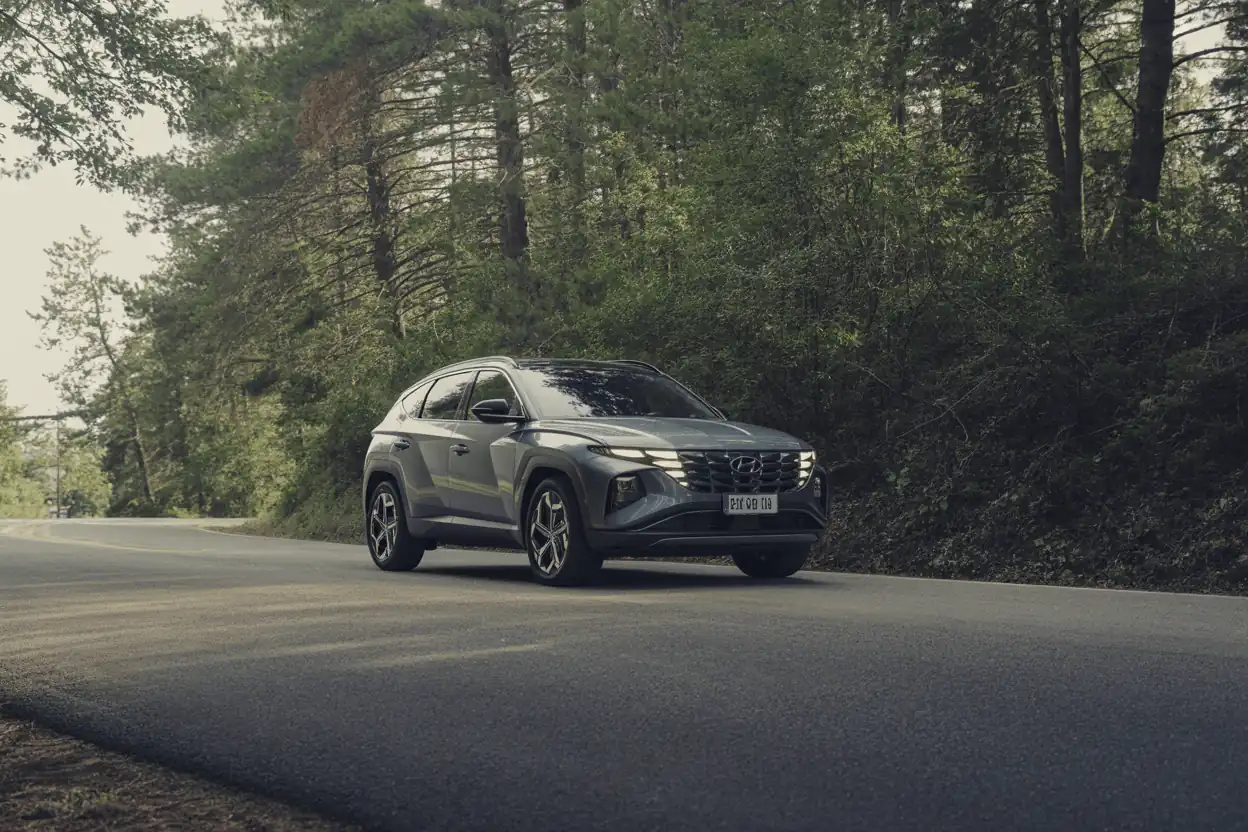
The gas Tucson is weirdly lovable because it’s slow off the line but feels genuinely composed and grown up through corners, like Hyundai finally nailed the chassis even if the engine didn’t get the memo.
Overview
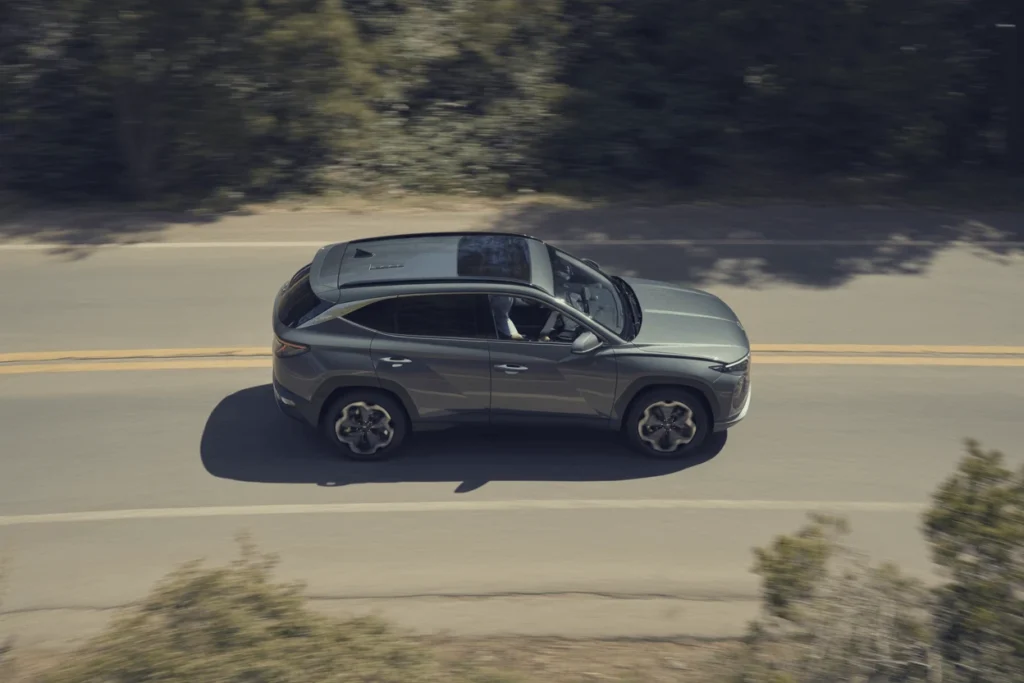
This feels like a smart update of the 2022 year playbook, only now it’s refreshed styling that’s properly chic-looking and a bit daringly styled. I like that it still leans hard into being practical, like the Ford Escape Titanium, because in the world of small crossovers and compact SUVs, that matters more than Instagram flexes. You get a spacious cabin and legit cargo area, plus a bunch of additional features, slick tech gadgets, and daily conveniences that make commutes less draining. The standard setup is a four-cylinder engine with 187-hp, front-wheel drive, and honestly, the acceleration is leisurely unless you opt for all-wheel drive. Not a crime. Most people want a comfortable ride and quiet road trips, not track day heroics, and this delivers with a nice layer of posh materials on the higher-end trims.
Against rivals like the Honda CR-V, Mazda CX-50, and Volkswagen Tiguan, it doesn’t chase spec sheet domination with fake bravado. Instead, it plays the long game. The gas-only version is fine, but the hybrid and plug-in models add real-world sparkle, more gusto, and less “why is my wallet crying” at the pump. It won’t give you nonhybrid driving verve that rewires your brain, but it does handle corners with calm confidence, and for this class, that’s basically the recipe for a clean sweep in everyday livability.
What’s New for 2025 Tucson
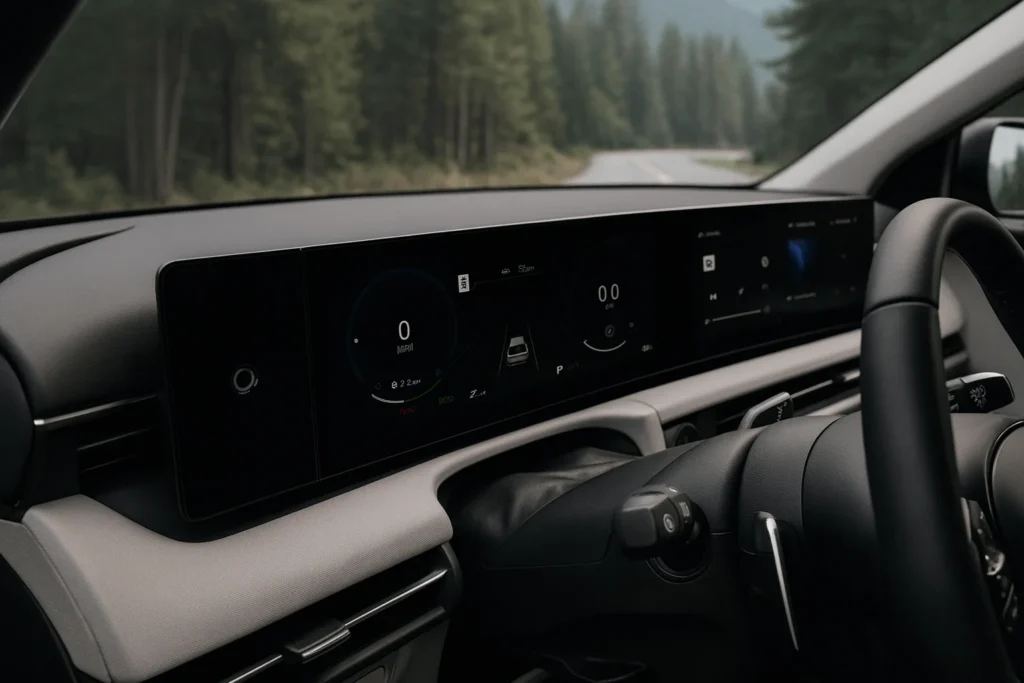
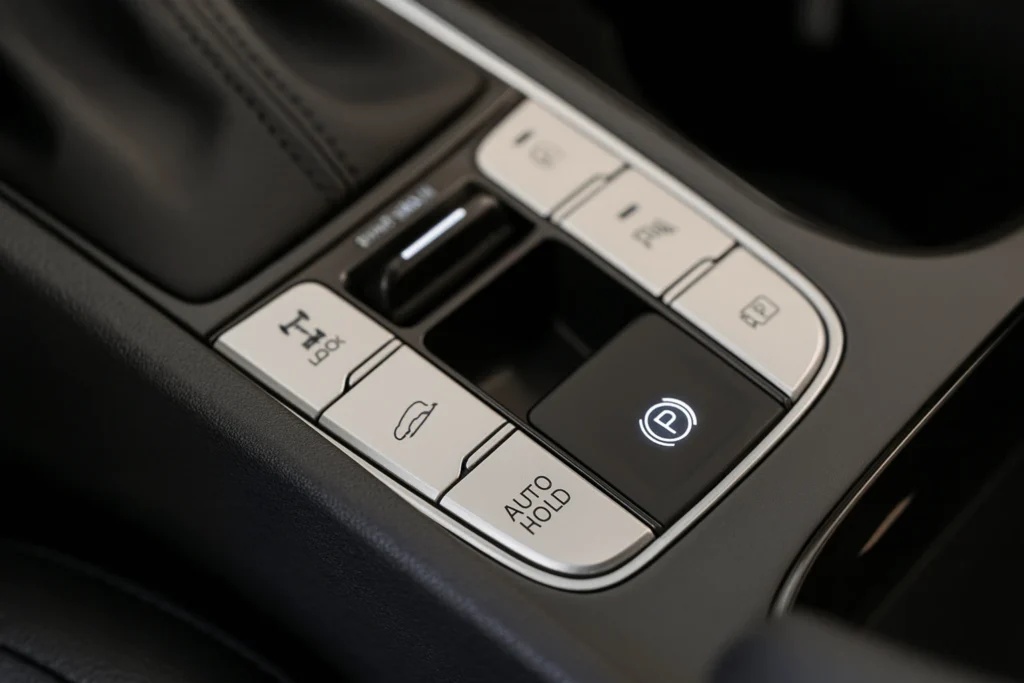
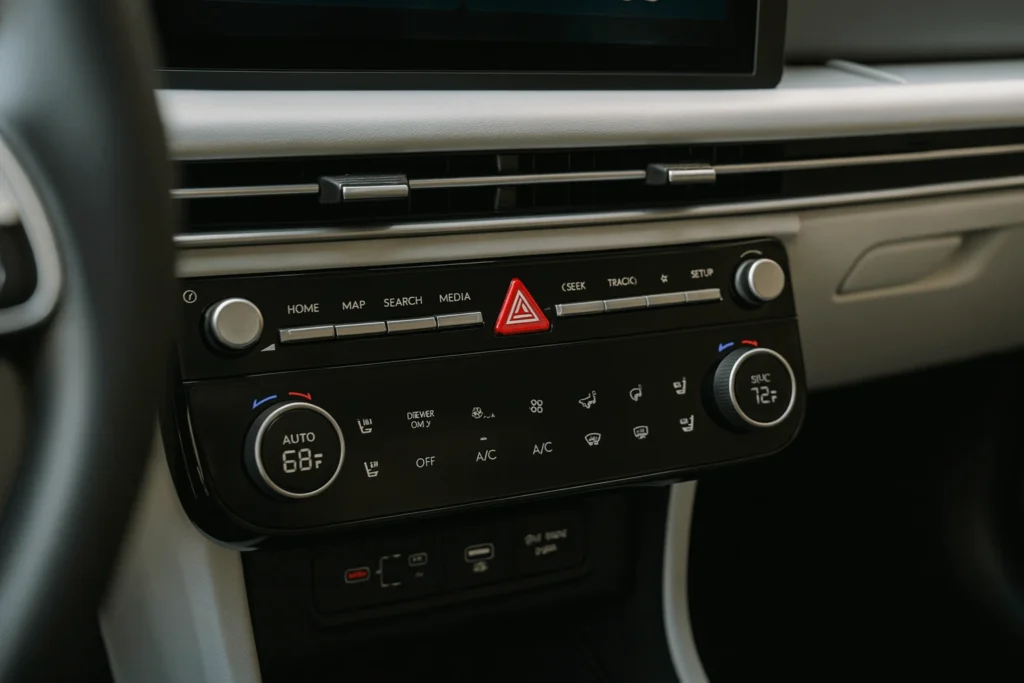
Walking up to the 2025 version, I can tell the brand did more than a lazy refresh. The interior feels updated inside, with a revised dashboard and a cleaner climate control panel that got swapped from the old layout. The fresh infotainment setup is the star. It receives two 12.3-inch touchscreen displays in a single housing. One screen shows digital gauges instead of analog ones, and the other handles apps. The graphics use a crisp rectangular design. Even the steering wheel controls feel better placed, so you are not hunting mid turn or sharing fingerprints with your passenger.
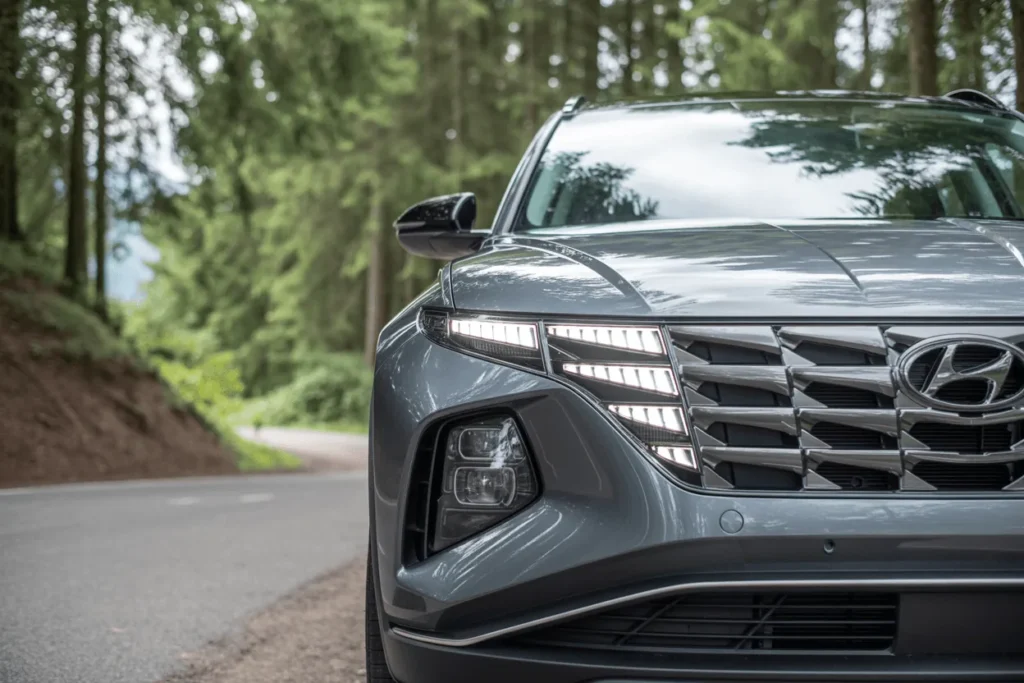
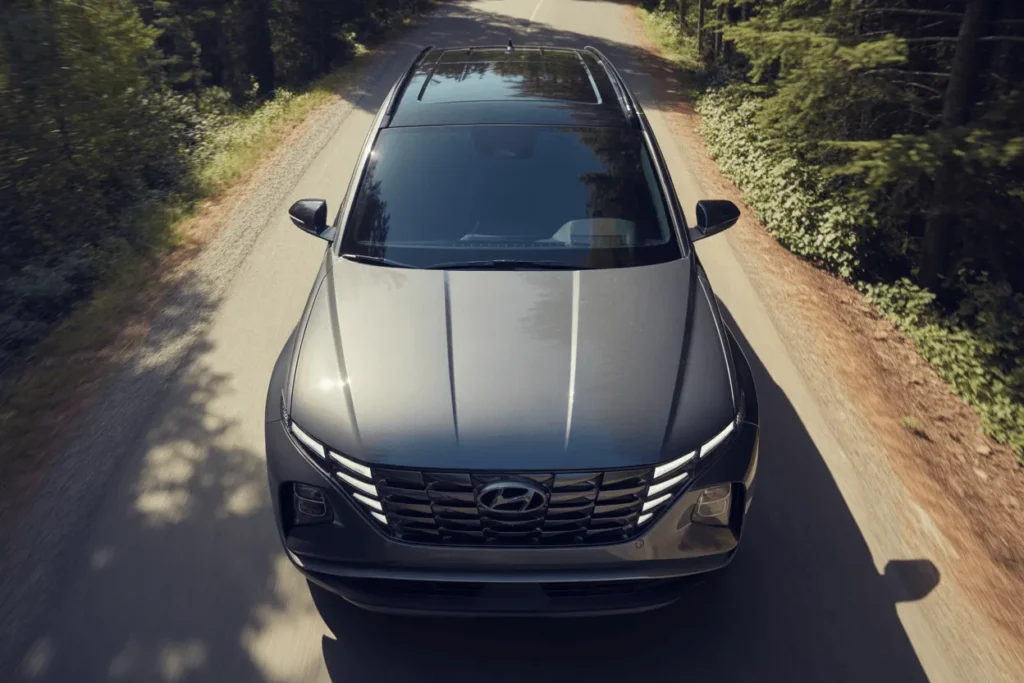
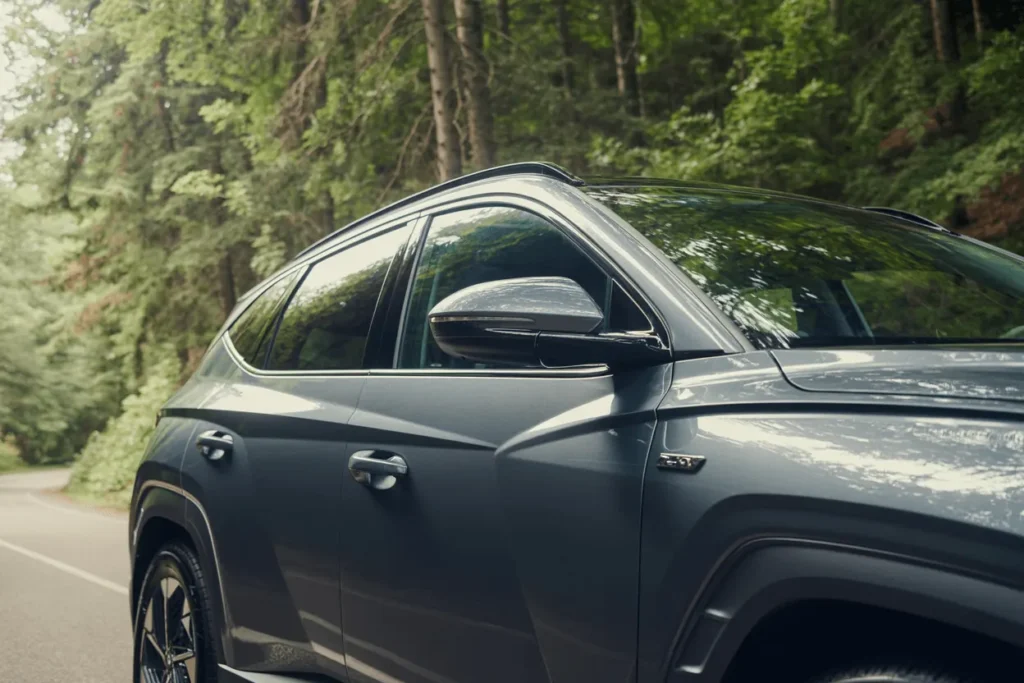
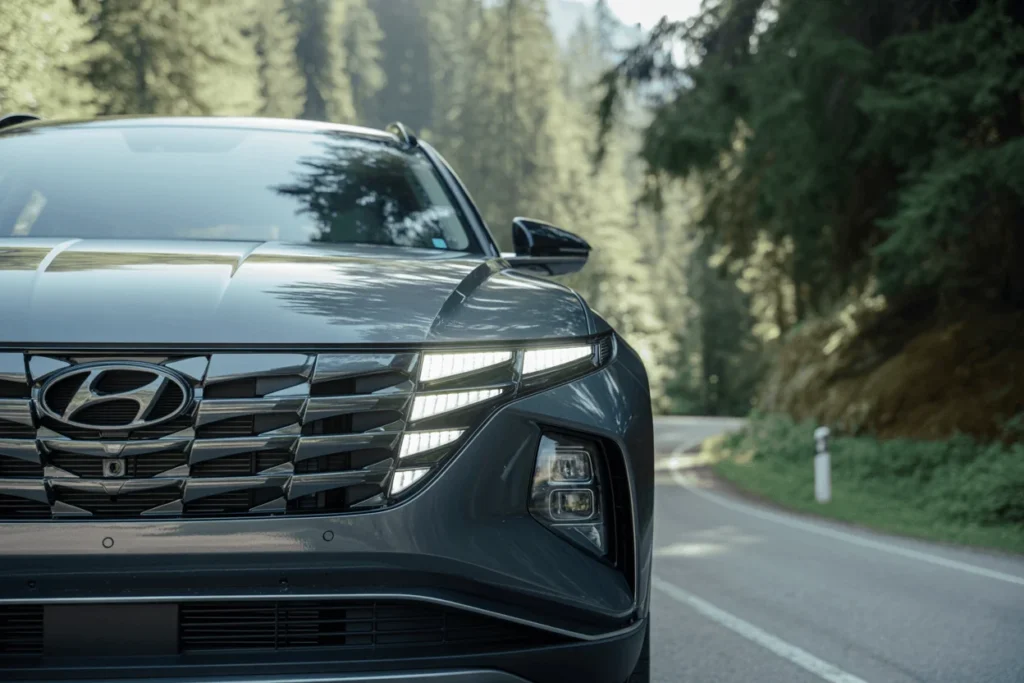
Outside, the changes are part subtle and part swagger. The grille is tweaked, the bumpers are reshaped, and there are new wheels on most models, even the entry-level trims. For this generation, first introduced in 2022, that is the right kind of mid cycle polish. It is the fourth year on sale, so these updates sharpen the styling without turning it into a totally different Tucson. A few bits stay optional, but the package includes enough upgrades to keep it competitive in this compact SUV market.
Pricing, Trim Levels, and Best Pick
The price starts at $28,605 and can climb to $38,545 depending on trim levels and options. That spread feels fair for 2025, especially when the mid-level SEL trim lands in the sweet spot. It packs desirable equipment like a power liftgate, heated front seats, and a wireless smartphone charging pad. You also get dual-zone automatic climate control, a clean digital gauge cluster, and the everyday niceties that make the commute less painful. I like that balance. It is not flashy, just smart stuff you actually use.
Want more toys without going full baller? The Convenience package is the move. For an extra $2450, it layers on additional features like built-in navigation, stronger driver-assist tech, and a few comfort upgrades that feel grown up, not gimmicky. If you are chasing light and air, add the sunroof for about $1500 and call it a day. Either way, the cabin kit plus calm drive manners make sense whether you stick with standard drive or step up to all-wheel. So yeah, Hyundai priced this one like they know real people buy cars, not spreadsheets.
Powertrain, Transmission, and Driving Dynamics
The vehicle is not for people in a hurry. The regular gas engine struggles to get the SUV moving with much authority, and the sluggishness shows when you ask for a quick burst. With the 187-hp 2.5-liter four-cylinder and eight-speed automatic, we’ve tested faster rivals, so this lands among the slowest crossovers. It hits 60 mph in a leisurely 8.9 seconds on our test track, which feels fine in OK around town cruising, but thin on highway passing maneuvers if you want quicker reactions or more power.
Still, it’s no sports car, yet the handling has real composure. The steering is easy, direct, and reasonably crisp, and the chassis stays confident through corners. The ride leans refined with a quiet cabin and a supple suspension that’s good at absorbing bumps on a rough road. That calm demeanor is one of its best traits, even when bottleneck traffic turns every commute into slow motion. Pick front-wheel drive if you live somewhere chill, or go all-wheel like the all-wheel-drive Limited I drove for extra grip.
The powerful hybrid and plug-in models are reviewed separately, and they bring Toyota RAV4 Prime–level acceleration that’s rare in this class, so lead-footed drivers should look there. Safety tech is mostly standard and genuinely helpful. The front parking sensors, blind-spot warning system, and other aids plus the large windscreen, thin roof pillars, and great visibility keep you out of trouble, though the incessant beeping can get tiring fast. The rear seat comfort and overall sense of luxury round it out better than the numbers suggest, even if the gas version sticks to adequate pep.
2025 Hyundai Tucson Fuel Economy Test
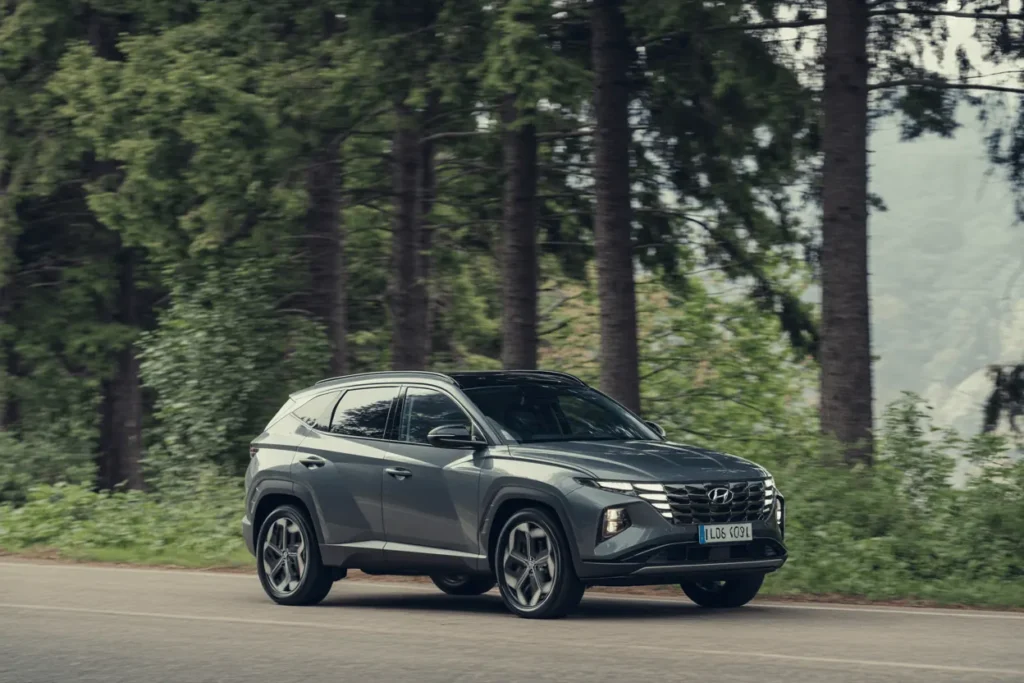
In guise as an all-wheel-drive AWD setup, the 2025 Hyundai Tucson posts EPA-estimated fuel economy at 25 mpg combined, with 23 mpg city and 28 mpg highway. I saw similar numbers in real-world use during mixed city driving and mixed highway driving, so the EPA figure holds up when you’re actually out there behind-the-wheel. That matters more to me than brochure bragging rights, because daily life is where this stuff gets exposed.
Still, the efficiency comparison story isn’t a mic drop. The AWD models of key rivals like the Honda CR-V and Nissan Rogue return higher figures, and this one falls short of them on pure thrift. I’ve tested enough crossovers to know that tradeoff is partly because it lacks acceleration, but hey, are you buying an AWD compact for drag races or for steady commuting? The EPA numbers are honest, the Tucson is consistent, and that’s a win even if it doesn’t top the chart. Efficiency isn’t class-leading, but inside is where Tucson really wins.
Interior, Comfort and Space
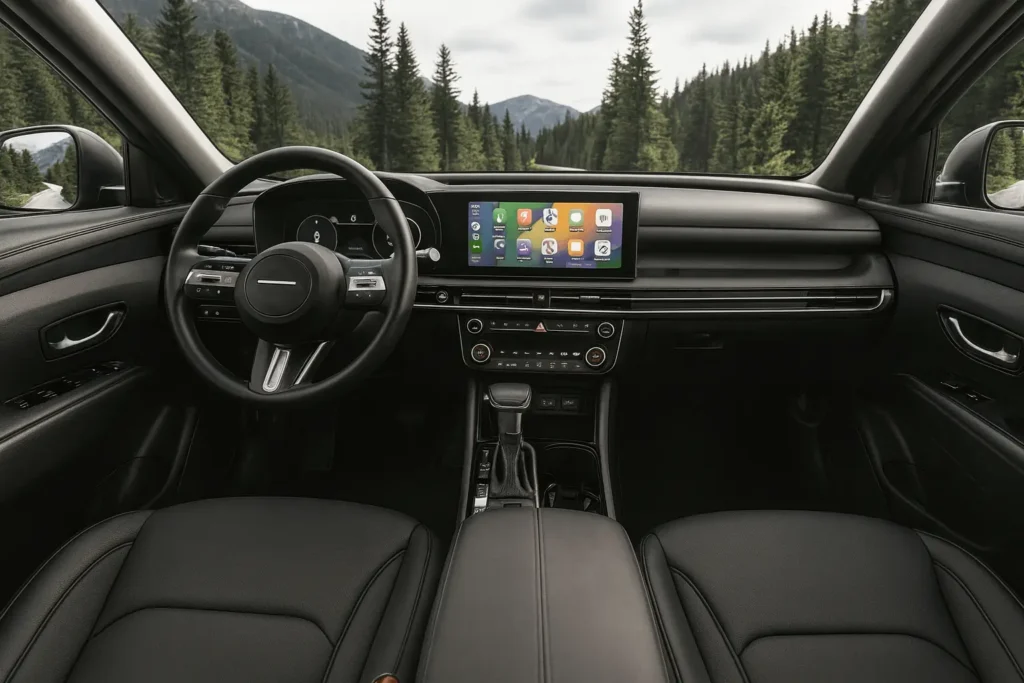
The seating position feels natural right away. I like that there is no weird reliance on gimmicks to make you feel special. It just approaches comfort in a calm, grown up way. The chairs are supportive, with long trip cushions, real lateral support, and power lumbar adjustments that actually work. In my test car with Limited trim vibes, the whole setup feels luxury-level without trying too hard. You sit higher than a regular sedan, but it never turns into that towering bus driver thing. The perspective stays chill, not a fake commanding view flex.
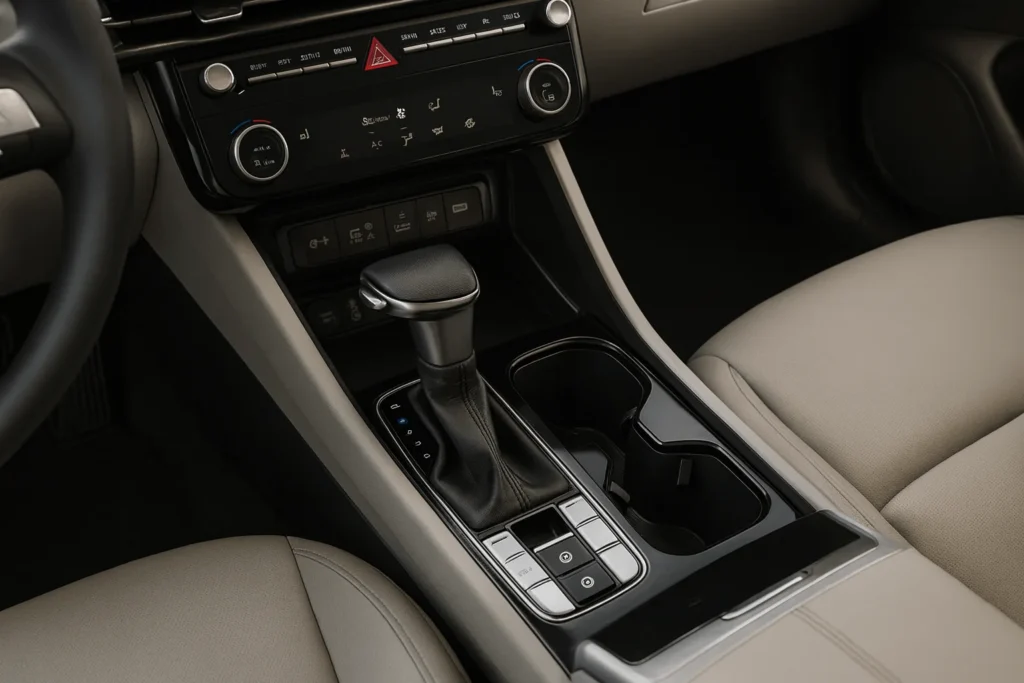
Up front, the layout is simple and modern. The dashboard design puts a flat screen and touchscreen where you can find them fast, plus a crisp digital gauge display right in your face. I’m glad they kept actual buttons for the climate-control system on a separate control panel. That panel is thoughtfully arranged, so drivers are not hunting through menus like it’s an escape room. The touch surfaces do have haptic feedback, which I expect to wow me, but it’s a bit disappointing in feel. Still, the cabin leans on quality materials, nice upholstery, and a few quiet premium touches that remind me the company’s interior game has improved a lot since the recently redesigned Sonata and the Elantra sedans. Call it a trend or even a watershed moment, but yeah, this brand has leveled up.
Spacing is the real win. There is ample room everywhere, including legit headroom and shoulder room for grown humans. I’m 6-foot-tall, and a 6-foot friend behind me still had real legroom and solid rear seat space. Passenger passenger comfort is not an afterthought here. The big front doors and large door openings make for easy get in and out, even if you are wrangling life. The backrest can recline, and the seats are not weirdly featureless slabs.
Family stuff is handled well too. The rear has LATCH anchors, three top tether spots, and they are not annoyingly hidden between cushions. I could fit a bulky infant seat comfortably without turning the cabin into Tetris. The mix of space and smart details screams everyday practicality more than showroom posing. There are enough tons of little storage ideas inside to keep clutter from exploding.
Cargo is strong. With the back seats up there is big luggage capacity behind the back row, and with seatbacks stowed it gets kind of massive. In my rough load test, it held nine carry-on suitcases, and with creative stacking it basically rose to 21 bags. That is larger than many rivals, and you access it easily without funky floor heights. It is not exactly a flagship Palisade SUV, but for this class it nails the balance of space and comfort. Even the little touches that feel slightly sporty in styling do not get in the way. The result is an excellent cabin that is ready for real life, not just a brochure.
Cargo Space & Family Practicality
Out back, this thing is a mini apartment for stuff. I can toss plenty of gear in there, with storage capacity that feels among the best in small SUVs. You get 38.7 cubic feet behind the rear seats, which is the largest in the class for real world hauling, and when you fold down those rear seats you’re sitting on 74.8 cubic feet of disposal space. The low liftover and flat floor make it easy to stack up boxes on moving day or stash presents for the holidays without playing Tetris. The cabin also does the little things right, with nice cupholders that actually hold larger water bottles, plus small items slots and decent sized spaces throughout, so your daily chaos has a home and doesn’t end up rolling around behind you like it’s mad at Tucson.
Infotainment, Connectivity & Tech
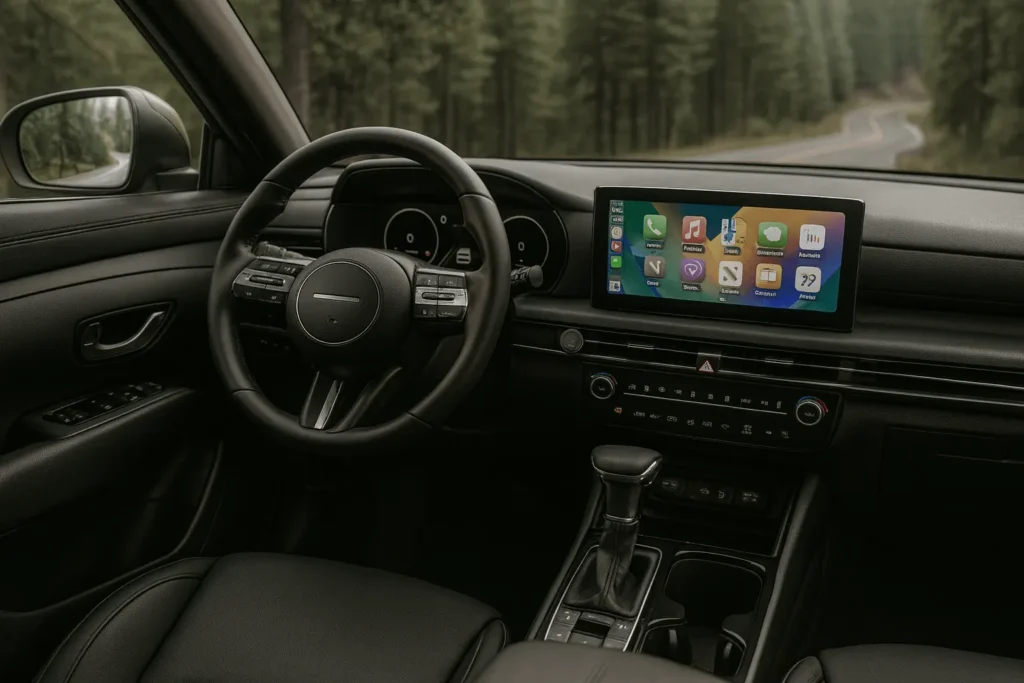
The cabin tech finally feels like it belongs in 2025 instead of a museum of analog gauges and regret. The star is the upgraded optional infotainment system with two digital screens in a slick monolithic housing that stretches across the width of dashboard. One side handles digital gauges, the other is a single 12.3-inch infotainment touchscreen for navigation, radio, SiriusXM satellite radio, vehicle settings, and whatever playlist is getting you through traffic. This new setup is standard on N Line models and Limited models, while the SEL trim gets it optional and other trims stick with the simpler layout. Even then, the basics stay standard on every model, so nobody is totally left behind.
What I like is the day to day convenience. The wireless connectivity actually behaves, and both Android Auto and Apple CarPlay pair without a weekly emotional negotiation. The upgraded Bose stereo system punches harder than I expected, like a surprise cameo you did not see coming. The Hyundai digital key and the smartphone app add real high-tech offerings too, letting you use lock features, unlock features, and a remote start option from your pocket. It is all standard across the range where it matters, and when you are juggling life, that kind of quiet competence is the real flex, even if the badge says Hyundai Tucson.
Safety Features & Driver Assistance
Safety is where this thing quietly flexes, and the results back it up. The National Highway Traffic Safety Administration and NHTSA both have solid crash-test numbers on their websites, and IIHS aka the Insurance Institute for Highway Safety echoes that vibe. What I like is how the tech feels like a real co-driver, not a nag. The driver-assistance features are actually tuned for normal humans, and yes, they count as key safety gear now, not bonus fluff.
You get Standard automated emergency braking, plus pedestrian detection that does not panic at every mailbox. There is Standard lane-departure warning, lane-keeping assist, and a smooth lane-centering feature that keeps you tidy without making you feel like a learner driver. If you want more help on long hauls, adaptive cruise control is available, and it plays nice with the rest of the features. Even Tucson’s assist suite feels like it was designed by someone who has sat in traffic before, which is the nicest compliment I can give.
Warranty and Ownership Costs
Warranty math is where this SUV quietly flexes in the compact market. The Limited warranty runs five years or 60,000 miles, while the Powertrain warranty stretches to 10 years or 100,000 miles, which is the kind of long haul coverage that makes me stop worrying and start road tripping. Only one rival really matches the vibe, its corporate twin the Kia Sportage, but there is still an advantage here thanks to a generous complimentary maintenance program. You get scheduled service covered for three years or 36,000 miles, and that is real money saved in warranty land. In plain talk, the Hyundai Tucson is the rare case where ownership costs feel less like a gotcha and more like a decent handshake.
Final Verdict: Should You Buy the 2025 Tucson?
If you want a compact SUV that looks sharper for 2025 but still majors in real life, the Tucson keeps making a strong case. It is roomy for actual adults, the cargo hold is a small miracle for this class, and the updated cabin tech finally feels modern instead of leftover, especially if you spring for the dual screen setup. On the road, the gas model is relaxed to the point of polite, so do not expect fireworks when you mash the pedal, but the steering and ride are calm, quiet, and easy to live with day after day. The SEL trim with the Convenience package is where the value clicks, giving you the features you will use without drifting into wallet panic, and the safety kit and long warranty coverage add a nice layer of stress relief even if the alerts can be a bit chatty. It may not top every chart, yet as a comfortable, practical, nicely updated daily driver for people who care more about livability than bragging rights, this Tucson lands exactly where it needs to.
Interior & UpdatesWhat are the biggest updates on the 2025 Hyundai Tucson, and do they change the daily driving experience?
Family & OwnershipIs the 2025 Hyundai Tucson a good family compact SUV for space, safety, and long-term ownership?
Trim ChoiceWhich 2025 Hyundai Tucson trim is the best value for most buyers?
| SPEC | DETAIL |
|---|---|
| Engine | 2.5-liter DOHC 16-valve inline-4 (naturally aspirated) |
| Drivetrain | Front-wheel drive (FWD); optional all-wheel drive (AWD) |
| Power / Torque | 187 hp / 178 lb-ft |
| 0–60 mph | ~8.9 seconds (AWD tested) |
| Top Speed | ~120 mph (estimated) |
| EPA Fuel Economy | FWD: 25 city / 32 highway / 28 combined mpg AWD: 23 city / 28 highway / 25 combined mpg |
| Real-World MPG | ~24–28 mpg combined (tested average) |
| Fuel Tank | 14.3 gallons |
| Transmission | 8-speed automatic transmission |
| Suspension | Independent MacPherson strut front / independent multi-link rear |
| Brakes | 4-wheel disc with ABS, EBD, and Brake Assist |
| Wheels / Tires | 17–19 inch alloy wheels depending on trim (all-season tires) |
| Curb Weight | 3,450–3,760 lbs (varies by trim and drivetrain) |

| Author | Hafiz Sikandar, automotive journalist and editor at VyoCar. |
|---|---|
| Expertise | Testing midsize sedans and everyday commuter cars since 2016, with a focus on long-term comfort, real-world fuel economy, and all-weather drivability across the U.S. |
| Focus Areas | Gas-powered and AWD family sedans, daily usability testing, and performance reviews centered on value, comfort, and driver engagement. |
| Disclosure | The 2025 Nissan Altima was a short-term press loan provided by Nissan North America. The manufacturer had no involvement in the review process, content decisions, or final evaluation. All driving impressions and test results are based on independent evaluation conducted over a full week of mixed city and highway driving. |
This Post Has 4 Comments
Pingback: 2025 Honda CR-V Review and Road Test
Pingback: 2025 Toyota RAV4 Review and Road Test
Pingback: 2025 Hyundai Sonata Hybrid Review and Road Test
Pingback: 2016 Ford Escape Titanium Review the quick crossover with a catch