


Pros & Cons
- Surprisingly strong standard fuel economy.
- Spacious, ergonomic cabin design.
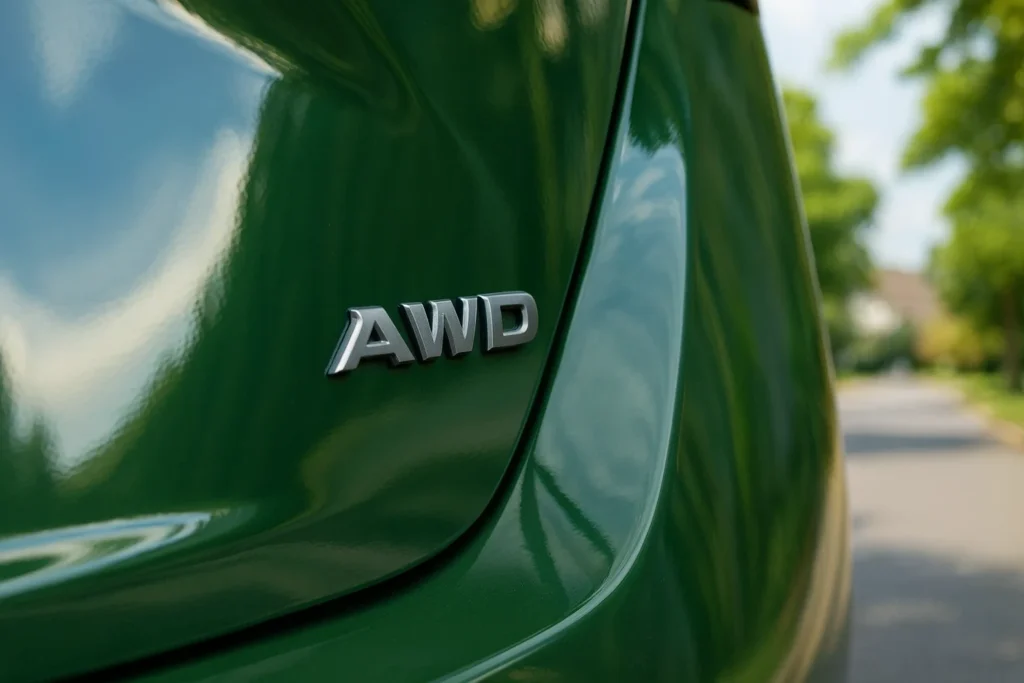
- Class-exclusive available AWD.
- Turbo discontinued, performance vanilla.
- CVT drone under hard acceleration.
- Mixed recent crash-test results.
They killed the turbo, leaving only a wheezy four-cylinder and existential dread where performance once lived.
Overview
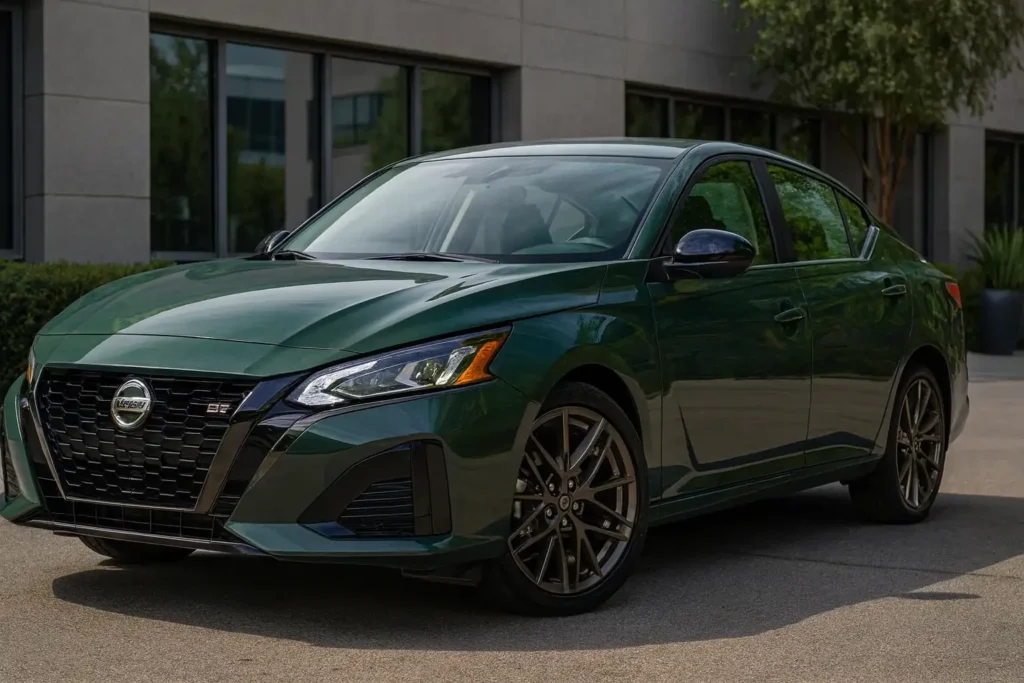
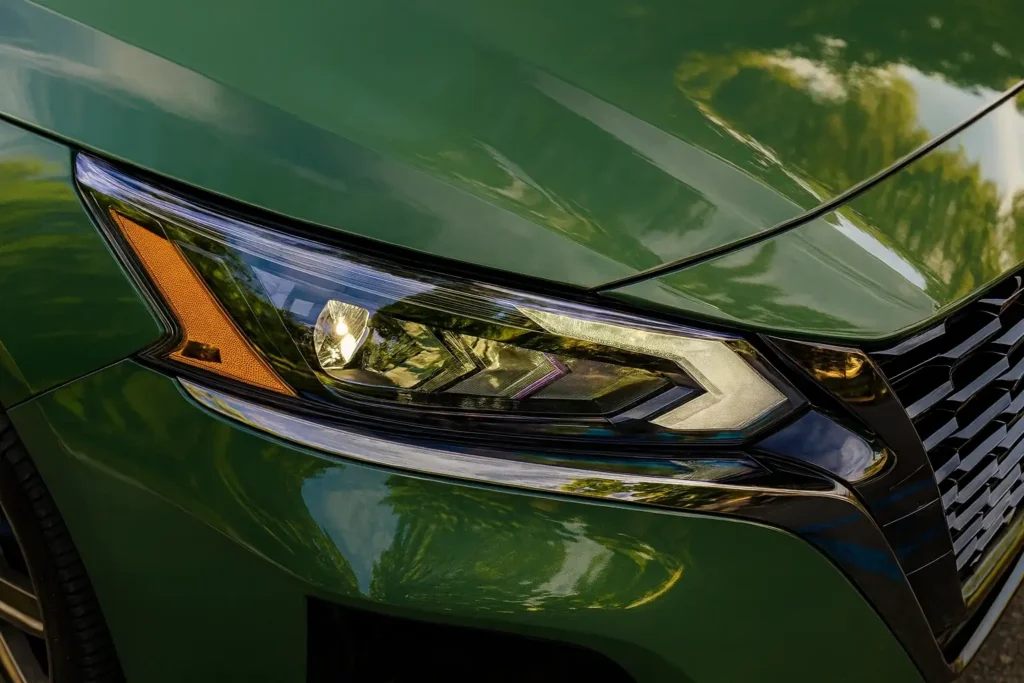
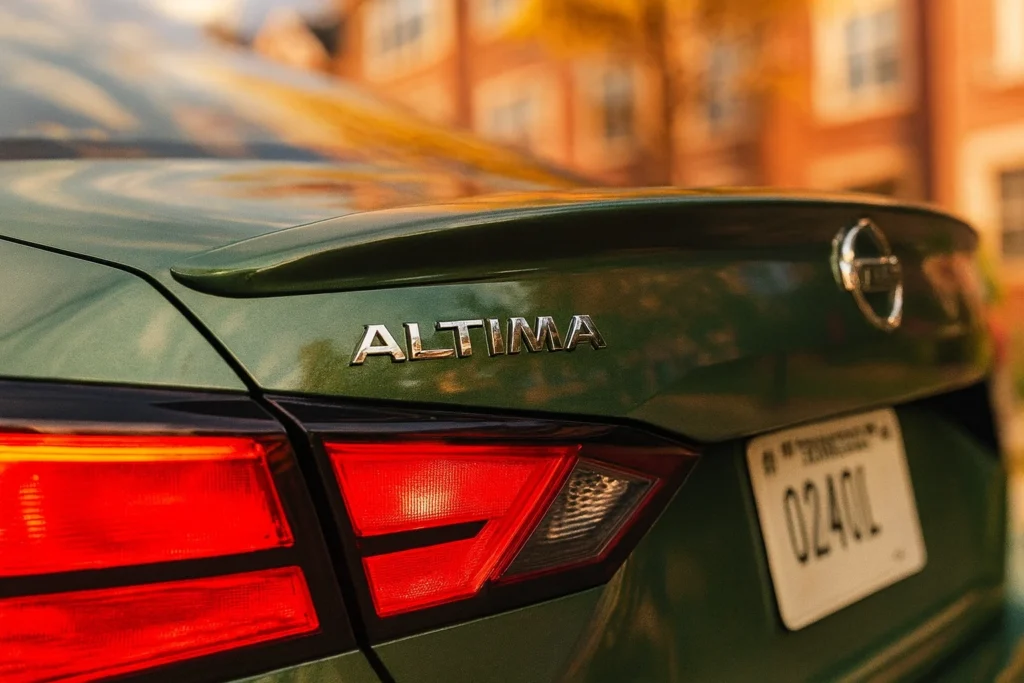
I’ve driven cars that try so hard to be fierce they look like they’re angry at a cloud. The 2025 Altima is not that car. Nissan gave it some minor styling changes this year, like a new big grille up front, but it maintains that straightforward design that has been its appealing balance for a decade. It’s an attractively styled five-passenger sedan with a wide low stance and a hint of that floating roof design. It won’t necessarily turn heads, but it has a confident presence. In a market screaming for another new car brand-new crossover, this four-door is a quiet, sensible rebel. It’s the bread and butter for Nissan, a viable pick in a segment where giants like the Honda Accord and Toyota Camry are still hitting home runs.
Forget the discontinued Maxima sibling; this is the heart of the lineup. My week testing a mid-level SV trim confirmed its mission: supreme daily usability. The cabin is a spacious, comfortable place to be. The seats are fantastic, the trunk space is decent, and the infotainment is simple and crisp. The standard four-cylinder engine is entirely sufficient for your office commute and errands. Is it a sporty experience? Please. The continuously variable automatic transmission CVT gets the job done with respectable fuel efficiency it delivers up to 39 mpg on the highway but serves up the occasional undesirable droning under hard acceleration. It’s not about passionate highs; it’s about checking all boxes for value minded buyers.
Let’s be real. The sedan body style is battling a large swath of SUVs, but the Altima has a secret advantage: AWD assurance. That’s a rare option in this class. While brands like Ford and Volkswagen are letting their sedans disappear, Nissan is keeping this oldest nameplate alive and well. It may not have the stylistic reason to steal allegiance from a Mazda, but it doesn’t need to. With annual sales over 100,000, it’s clearly doing something right. The 2025 Altima isn’t trying to be the flashy player. It’s the class competitive, affordable sedan that knows its job and does it with a respectable batting average. And sometimes, that’s more than enough.
What’s New for 2025
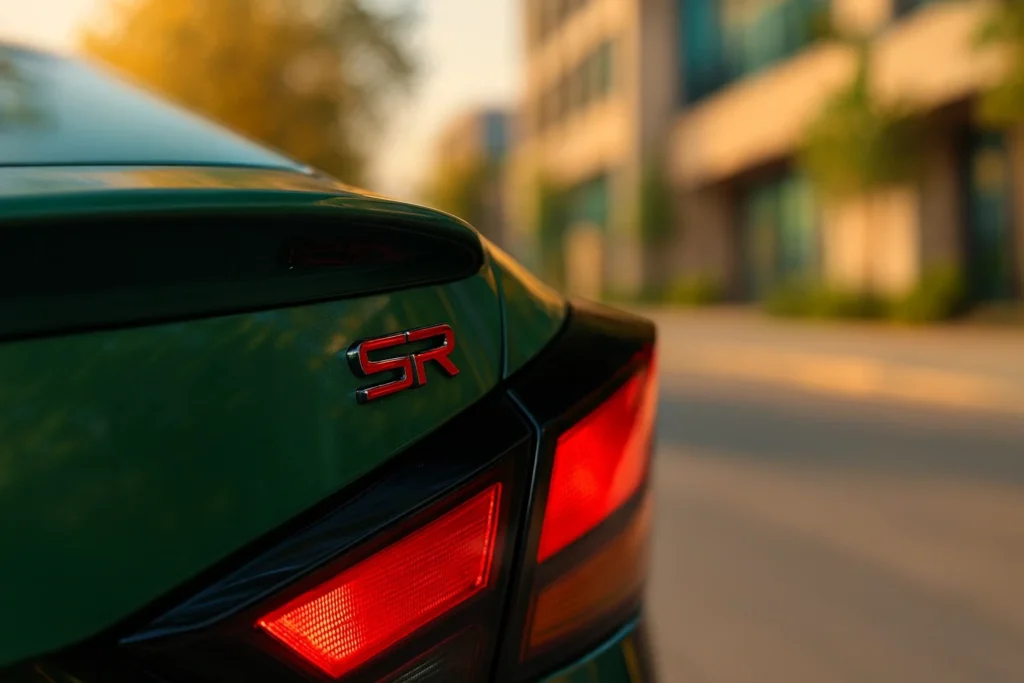
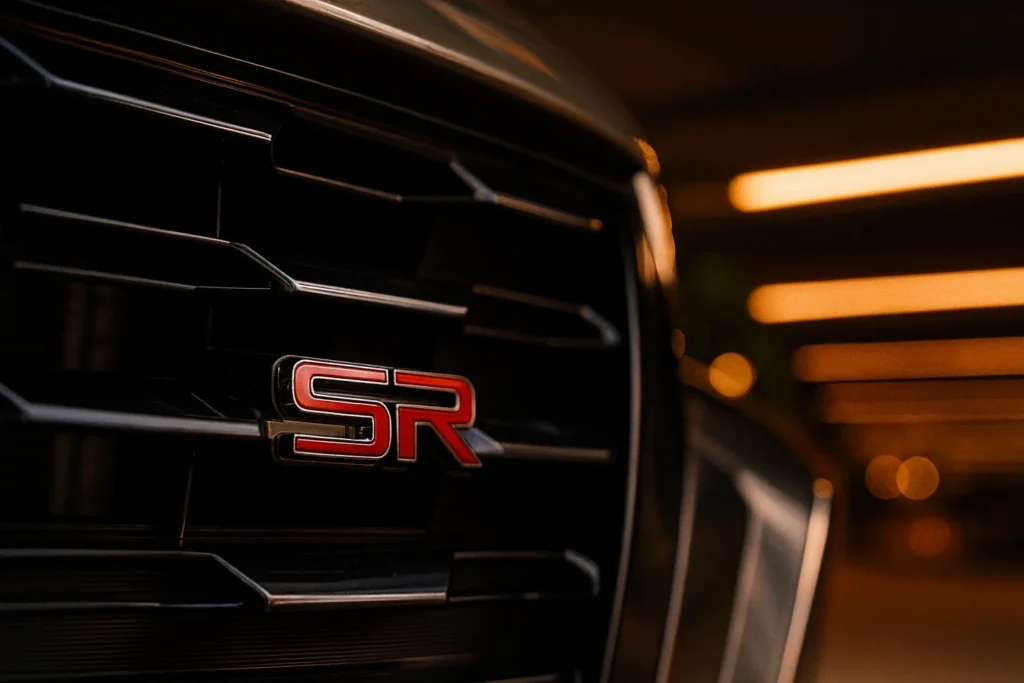
The big news is what got the axe. Nissan has officially discontinued the 248-hp SR VC-Turbo-powered model, and with it, they also previously discontinued the 236-hp turbo. Frankly, it’s a move that gives me a bit of existential dread. The only engine in the lineup is now the trusty, if slightly wheezy, 2.5-liter four-cylinder engine, which means every Altima makes a predictable 188 horsepower and 180 lb-ft of torque, all sent through a continuously variable automatic transmission. The upside? They’ve finally made all-wheel drive available on the lower-powered 182 horsepower AWD models, which is a smart, pragmatic play. For this year, you also get some styling and tech upgrades, including a newly standard 8-inch screen on the base S trim, though you’ll want to step up to the SV trim to even have the option of the gorgeous, optional 12.3-inch display. They’ve also carried over from last arrival a new Special Edition package for those who want a little more flair. But the real hero move, the thing that actually matters to your wallet, is the newly standard Nissan Maintenance Care for up to three scheduled oil changes or two years, which frankly feels like a brilliant peace offering for taking our turbo toys away. It’s a suite of tweaks aimed at making your daily grind a bit easier, and honestly, after driving this test vehicle for a week, I get it. This isn’t a track star; it’s an everyday hero, and that’s the real headline.
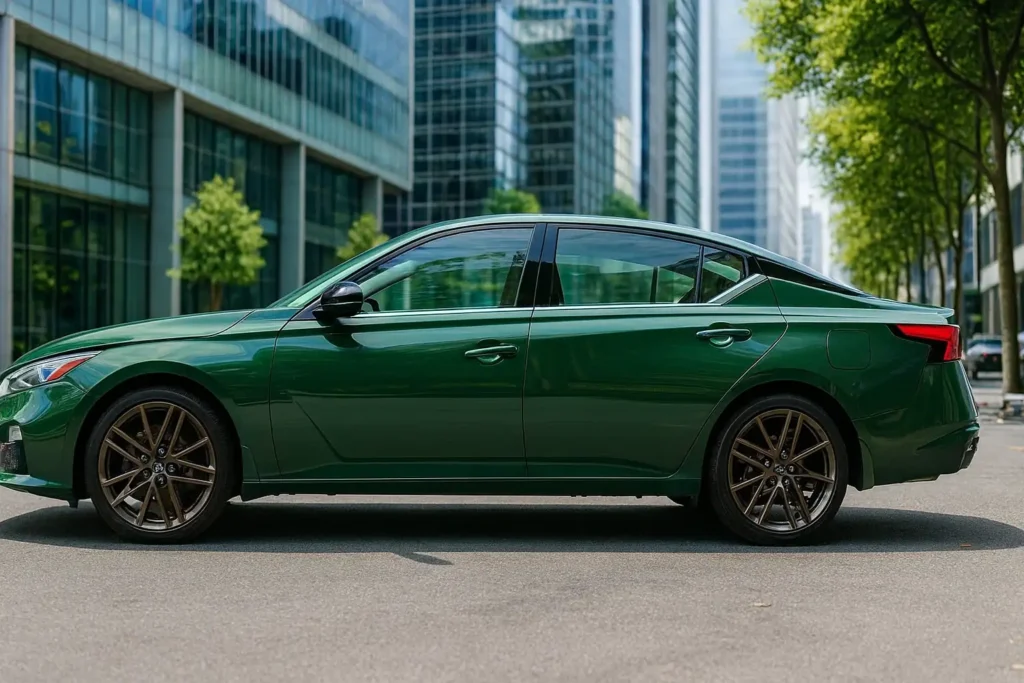
Pricing, Trim Levels, and Best Pick
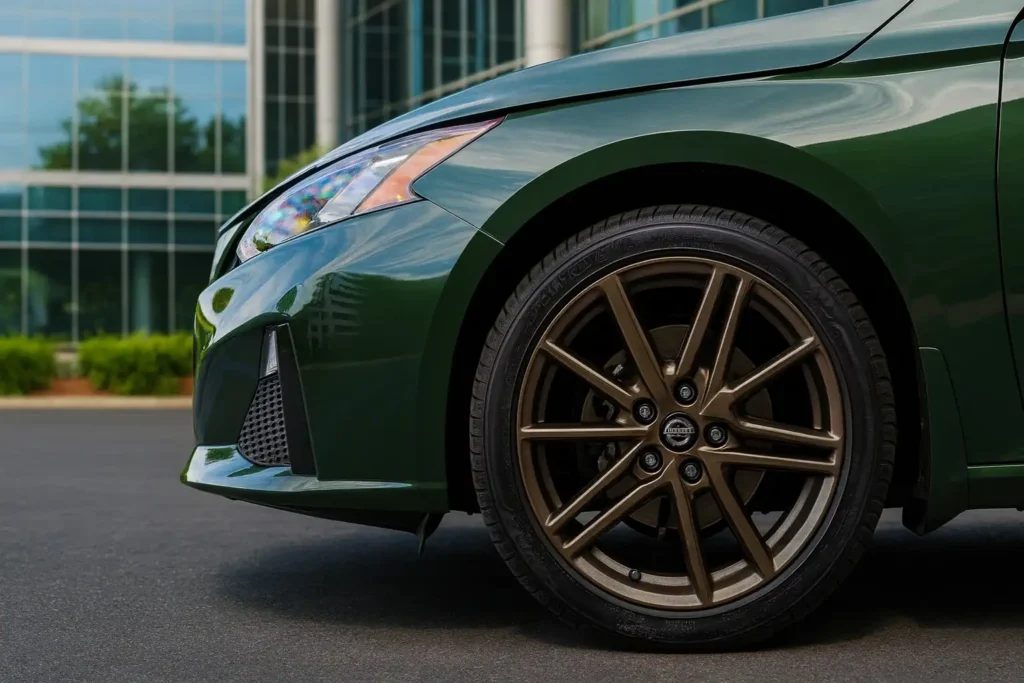
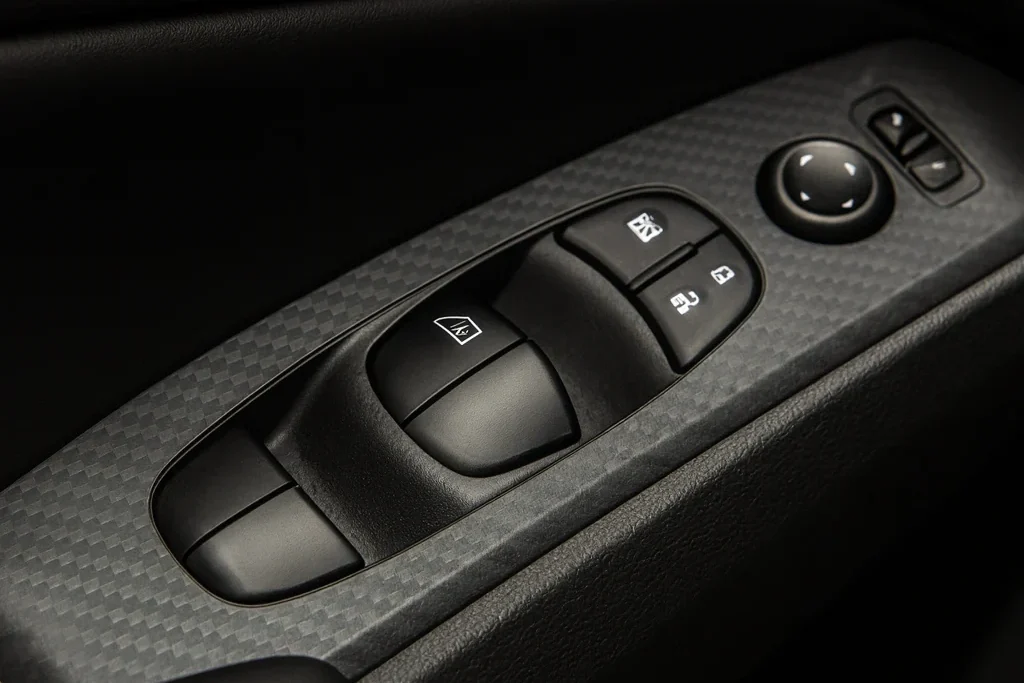
Let’s talk money and trims, because the 2025 Nissan Altima’s exterior glow-ups need a home. The lineup starts at $27,000, but hold your wallet, the final price tag can sprint to $33,330 for the SL as the most expensive option. Your choices are grouped tightly: S, SV, SR, SL. Nissan sent the SR VC-Turbo gone for 2025 to the shadow realm, so now the sporty-looking Altima SR is all show with its glossy black 17-inch wheels and pretend carbon fiber. Want to look fast without the guilt? There’s a new-for-2025 Special Edition package that’s basically an SR in a fancy dress. But here’s my best pick: stop selecting the SV trim. For a decently equipped experience without the premium, the SV gives you the brilliant 12.3-inch infotainment system, that crucial wireless charging pad in the center console, and dual-zone climate controls, all for a little shy of the SR’s base price. Adding all-wheel drive is $1500 on the first three trims, a solid value. The SL gets you a sunroof and illuminated kickplates if you must, but that price spread is no joke. Why pay more for a rear spoiler when the SV has the brains and the beauty?
Powertrain, Transmission, and Driving Dynamics
You’re not cross-shopping this with a supercar. You’re looking at a Toyota Camry or Honda Accord. So here’s the truth. My test model was the standard front-wheel-drive setup with the 2.5-liter four-cylinder making 188 horsepower and 178 lb-ft of torque, funneled through a continuously variable automatic transmission. Nissan’s variable-compression tech is an almost invisible partner. Around town, this powertrain is supremely easy to drive and responsive enough to scoot through traffic. But slam through the accelerator and the CVT gets strained, serving up extra engine noise without heart-pounding acceleration. The 0-60 mph time of 8 seconds feels about right. It’s not high-performance, but it gets the job done without setting your hair on fire.
For 2025 Nissan everyday driving, the Altima mostly glides along smoothly. But push it on a freeway onramp or in fast sweeping curves and the experience doesn’t quite live up to any sporty sedan pretensions. The steering too light for my taste, lacking the precise, decently direct feel of some rivals. My SR trim’s stiffer less relaxed sport suspension provides good composure, but the ride seems busy, translating more day-to-day constant stream little impacts through the cabin than a car its size should. It manage bumps without crashing, but it’s definitely a slightly bumpier ride than a Camry on comfy 16-inch wheels. Where it shines? All-wheel-drive is available on most trim levels, giving you superior traction when navigating a snow storm or dicey conditions.
So, is it fun? No. The driving experience is defined by what’s discontinued: the previously optional 236-hp turbo engine. That thing had zest. This 182-horsepower setup is slower and makes fun noises only in your dreams. The braking is linear and prompt, and the handling is perfectly stable for a solid car in this segment. But let’s not pretend you’ll use the paddle shifters. The CVT is the default and it’s well tuned for a smooth, drama free commute. It’s a comfortable, composed cruiser that makes navigating the highway easy, especially with the ProPilot Assist system whose low-speed adaptive cruise control and lane centering are spot-on. It’s a gas drive for people who see driving as a task, not a thrill. And for that, it’s utterly competent.
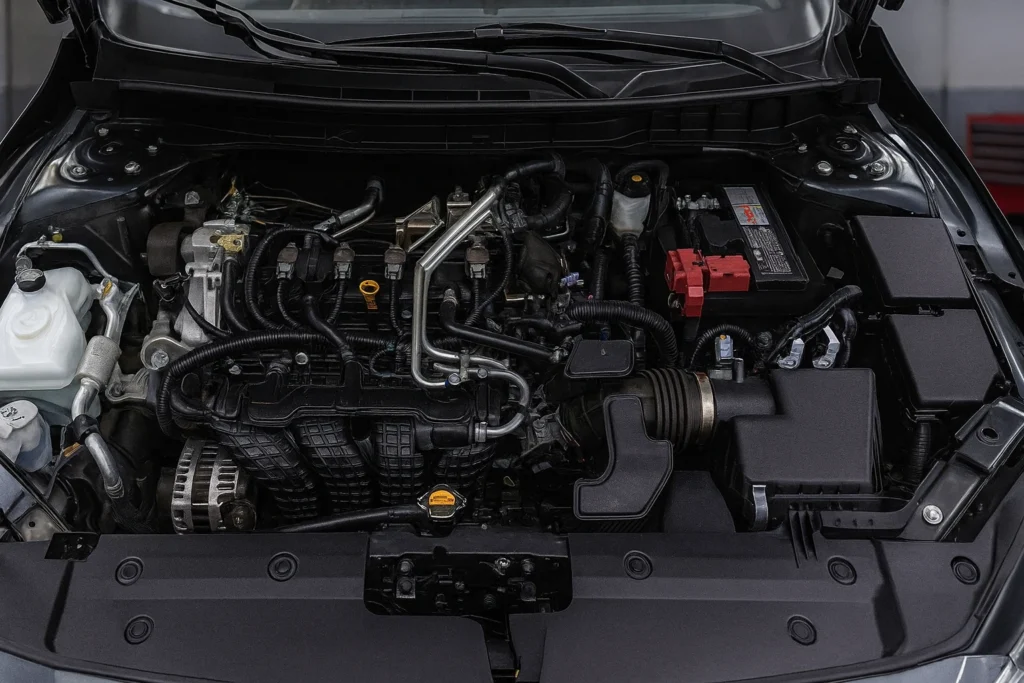
Fuel Economy & Real-World Driving
You’re not just a car shopper, you’re a person who hates seeing their money evaporate at a pump. The headline here is legitimately impressive: the 2025 Nissan Altima in its most fuel-efficient configuration (that’s the SV front-wheel drive trim, for the record) is an EPA-estimated 41 mpg highway monster. Let that sink in. That’s a nonhybrid sedan putting up a legit fight with some hybrid rivals. I took it on my own brutally honest fuel-economy route, a mix of my lead-footed commute and a 75-mph highway dash, and I consistently achieved numbers in the high 30s. The 2.5-liter four-cylinder engine is the standard powertrain, and while it won’t win drag races, its genius is in its frugality. But a quick reality check: spring for the all-wheel drive and those EPA estimates drop to 36 mpg highway. It’s still good, but it stings knowing the front-wheel drive Altima’s fuel economy is so stellar. So how does it stack up? The base Camry four-cylinder gets 39 mpg highway, and the Accord nonhybrid manages 39 mpg as well. So yes, the Altima technically wins on the EPA’s website. But in my real world, it’s a champion of sensibility, a sedan that makes you feel clever for saving your cash for things that aren’t gasoline. Just be honest, do you really need that all-wheel-drive system, or do you just want to brag about that 45 mpg potential you’ll never see? Thought so.
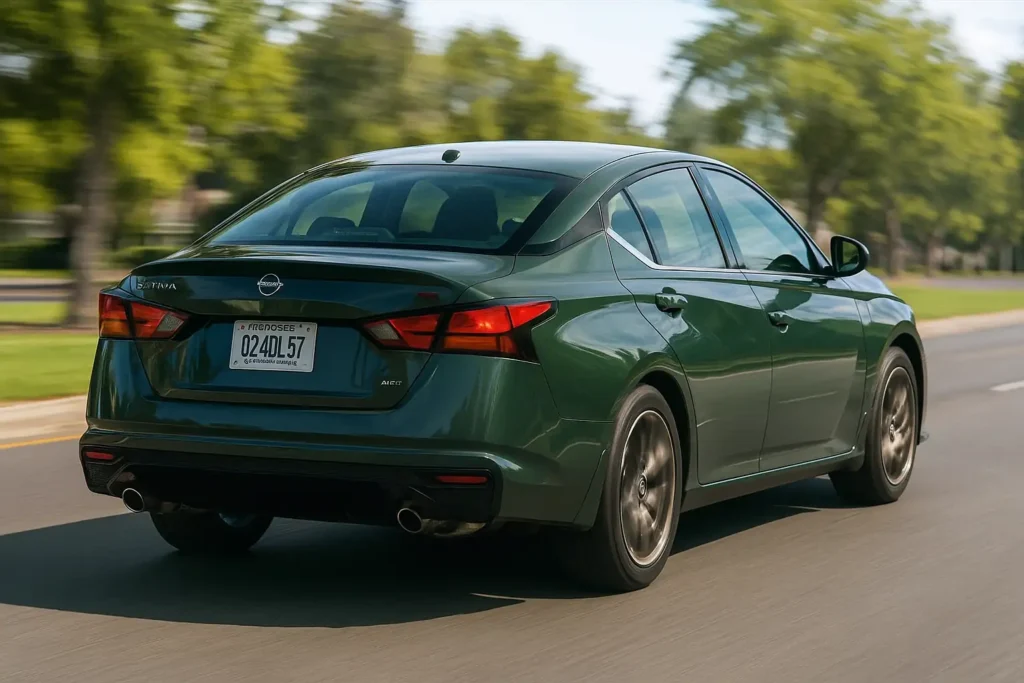
Interior and Comfort
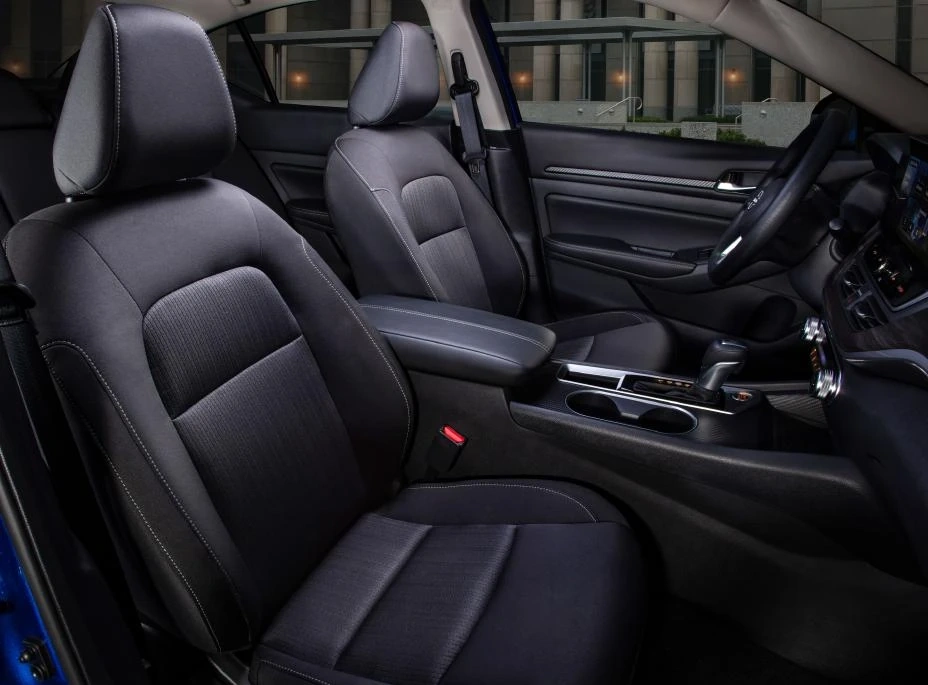
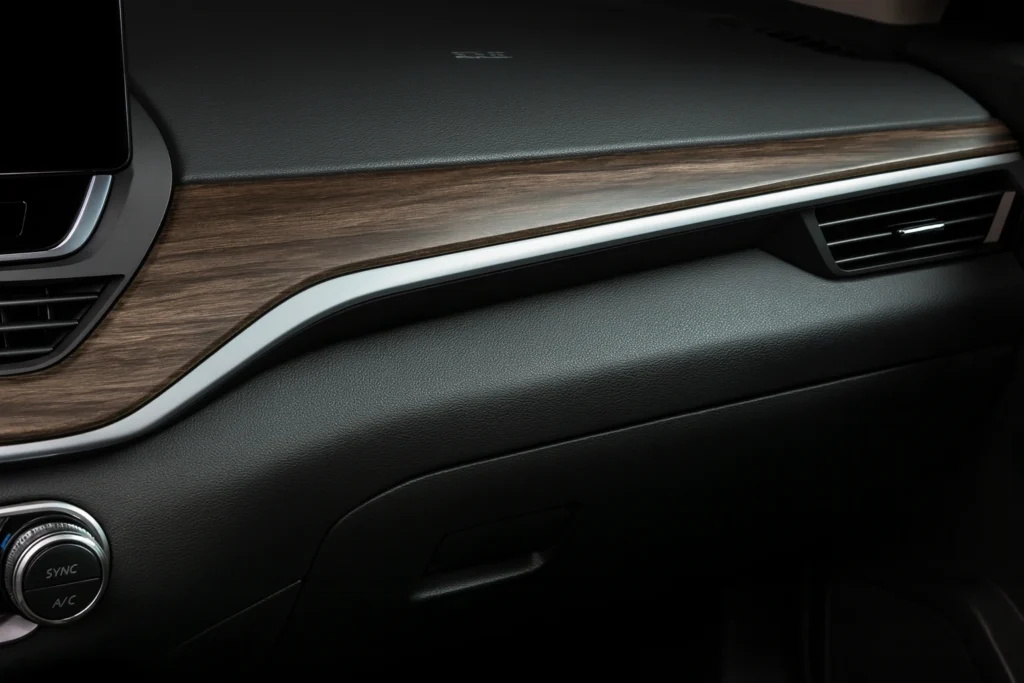
Look, after a week in this Nissan Altima, I can confirm the cabin is a triumph of sanity. Hop inside and you’ll find a straightforward dashboard that doesn’t pretend it’s a fighter jet. My SV tester had an agreeable mixture of digital information and classic analog gauges, which is a blessing. Because who has time to dig through confusing instrument cluster menus while merging? The seats, especially the ones with Nissan’s Zero Gravity marketing, are genuinely comfortable. They offer inviting, agreeable support without any aggressive lumbar nonsense. It’s a calm place to sit, a real win for daily traffic.
For families, the Altima’s seats and spacious seating are a home run. The backseat is the real star here. With 36.9 inches of rear legroom and 39.1 inches of headroom up front, it accommodates five passengers without a fight. The door openings are large, making it easy to hop inside. You get ample cupholders, large door pockets, and rear LATCH anchors that aren’t buried in the upholstery. It’s a sedan that thoughtfully caters to buyers who need a real, livable car, not a statement. It earns its points on usability, not on pretending to be something it’s not.
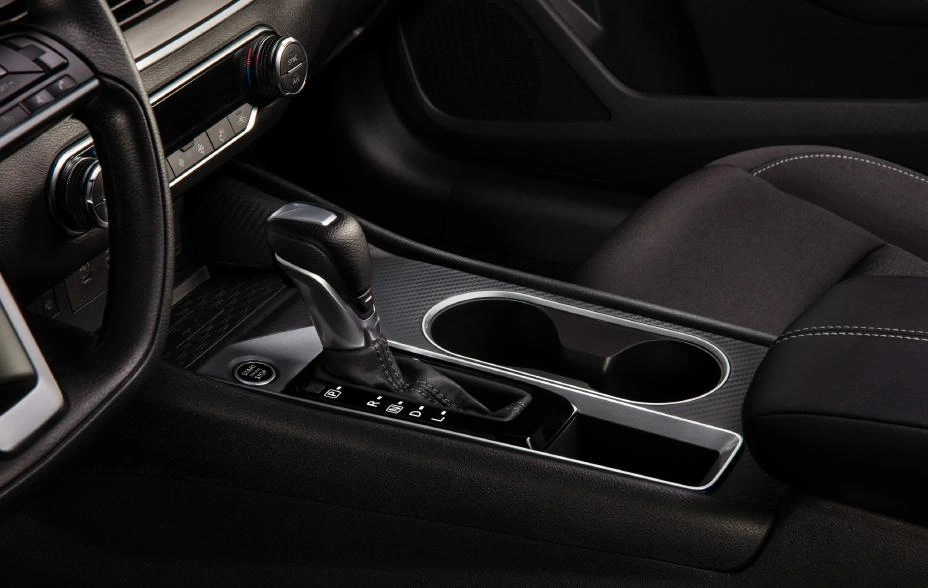
So, is it perfect? No. You’ll find some hard plastics if you go poking around, a stark reminder this isn’t a luxury maker. And while the cabin is commendably well isolated from wind and road noise, you’ll hear the CVT drone during modest power requests. But overall, the Altima’s interior is a comfortable, intelligently packaged space. It lacks the style of a redesigned Toyota Camry or Honda Accord, but it gets the important stuff right. It’s an impressively calm and agreeable place to endure your commute.
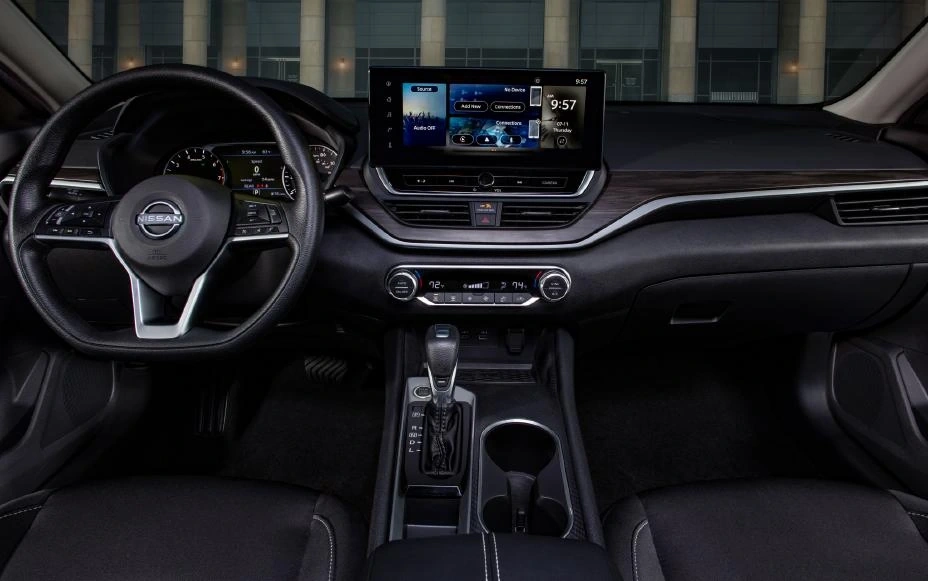
Cargo & Practicality
The 2025 Nissan Altima offers a good amount of cargo space for this class, with a 15.4-cubic-feet trunk capacity. That’s enough for your weekly grocery haul or a couple of suitcases, but let’s be real, it’s shallow and smaller than the largest in the class, namely the Honda Accord with its 16.7 cubic feet. The shape is more squared-off than the Camry’s, which helps with larger items, but you’ll still be playing Tetris with taller pieces of luggage. Inside the cabin, you get standard storage area up front with cupholders that can handle your massive water bottles and a small place for your phone, which is ample but not groundbreaking. Now, for the main event: needing to transport that awkward full-size floor lamp? The rear seatback releases are an annoying, old-school design. You have to pull these little tab releases from the trunk—no fancy automatic button that magically fold the seats down. It’s a two-step process of pulling the tab, then walking around to lower the seats manually. It gets the job done for maximum utility, but it feels like a cheap fare compared to the competition. Once you’ve got them folded, however, you unlock a genuinely useful load area that saves the practicality day.
Tech & Connectivity
Now let’s talk tech, because the Altima’s dashboard is a tale of two cities. My bigger test vehicle was loaded, boasting the optional 12.3-inch display that, let’s be honest, is the one you want. The screen size is present and the big gauges are clear. But the base 8-inch screen with its low-resolution graphics looks like outdated software from a decade ago. It’s a stark reminder that not all screens are created equal. Nissan’s touchscreen gets the job done with wireless Android Auto and Apple CarPlay, which works well and feels modern. But venture into the native system and you’ll find the onboard navigation and some menus have a steep learning curve. It’s no Hyundai Sonata, that’s for sure.
Honestly, I prefer using the excellent voice commands for Google-powered searches to find destinations over poking at the maps. And can we please have a moment of silence for the hopelessly ancient backup camera? Its grainy feed is a crime against clarity, especially at night. Thankfully, the surround-view camera displays are much better. But here’s my biggest gripe: the controls. I’m a sucker for physical buttons and knobs, and the Altima’s climate controls are spread out across a cheap sea of ill-fitting plastic trim. It feels like they designed the space for style over function. A little more old-school simplicity would go a long way. It’s a disappointing element in an otherwise pleasant and sensible alternative to the Honda Accord. You just have to push a little harder for the single selected function you want.

Safety
You’re not buying a tank, you’re buying a family sedan. Nissan makes this easy by making their Shield 360 suite standard on all Altima models. That means you get forward automatic emergency braking, lane departure warning, and my favorite, reverse blind-spot monitoring, without having to pay extra. It’s a solid move when some competitors still nickel-and-dime you for this stuff. But here’s the cold, hard truth from the lab coats. The National Traffic Safety Administration (NHTSA) gave the 2025 Altima a respectable five out of stars overall, but that drops to four stars in the frontal-impact test. More concerning? The Insurance Institute for Highway Safety (IIHS) delivered a mixed bag, with a Marginal score in the updated side-impact test. That’s the second-lowest score, folks, and it raises questions about protection for rear-seat passengers in a t-bone with a big SUV.
Now, about that semi-autonomous system, Nissan ProPilot Assist. It combines adaptive cruise control with lane-keeping steering assistance. It’s competent on the highway, but it can feel a bit nervous compared to the systems in the Honda Accord or Toyota Camry. The real elephant in the room is that challenging Poor rating from the IIHS in their newer latest evaluations for the front and lane departure keep assist category. These are tough tests the Altima simply didn’t ace. So while the advanced safety features are great to have, the actual crash-test scores are a reminder that you should probably keep your hands on the wheel and your eyes on the road, not on the spec sheet.
Warranty and Maintenance Plan
The new Altima actually starts to feel like a good value. The limited warranty covers you for three years or 36,000 miles, whichever comes first, which is perfectly average. But then Nissan provides this surprisingly competitive complimentary scheduled maintenance program for the first two years or 24,000 miles. That means free oil changes and tire rotations. Take that, Honda Accord and Toyota Camry rivals. It’s a small thing, but for the first 60,000 miles, this car aligns with the low stress ownership you actually want. The powertrain coverage comes up to five years or 60,000 miles, which is decent. It’s not a lifetime supply of free lattes, but it’s a genuinely smart value play that saves you real money and hassle right out of the gate.
Final Verdict
The 2025 Nissan Altima isn’t trying to be the valedictorian of the mid-size sedan class. It’s the solid B+ student who shows up, does the work, and never gets detention. Its strengths are simple: it’s easy to drive, reasonably priced, and packed with standard safety features. You and your passengers can stretch out comfortably inside, and its pleasant if unexciting engine gets good gas mileage. But let’s be real, against a Honda Accord with its now-standard hybrid powertrain or a Toyota Camry, the pure-gas variant feels like going into battle with a slightly duller sword. It’s a well-priced and worthy choice, a solidly nice daily driver that knows its role.
So, is the 2025 Nissan good all-rounder? For the right driver, absolutely. It’s a comfortable daily that holds its own as a still-competitive option. But its middle-of-the-pack status is both a blessing and a curse. You don’t get the distinctive styling of a Hyundai Sonata or Kia K5, the fun-to-drive edge of a Mazda, or the high-mileage of its Japanese rivals. The base infotainment system isn’t matched to the class leaders, and the lack of a hybrid form or any AWD option (hello, compact Rogue SUV, I see you) is a tangible weakness in a segment where the RAV4 dominates the market. It’s less expensive than some, sure, and you get two years of complimentary oil changes. But you’re trading the fun factor and the feature-rich interior of a full redesign for pure, simple value.
Fuel EconomyIs the 2025 Nissan Altima a good daily driver for commuters, and how is its real-world fuel economy?
Trim ChoiceWhich 2025 Nissan Altima trim offers the best value, and should I add all-wheel drive?
Safety TechHow safe is the 2025 Nissan Altima, and what driver-assistance tech does it include?
| SPEC | DETAIL |
|---|---|
| Engine | 2.5-liter DOHC 16-valve inline-4 (naturally aspirated) |
| Drivetrain | Front-wheel drive (FWD); optional all-wheel drive (AWD) |
| Power / Torque | 188 hp / 180 lb-ft (FWD) & 182 hp / 178 lb-ft (AWD) |
| 0–60 mph | ~8.0 seconds (SV FWD, tested) |
| Top Speed | 120 mph (electronically limited) |
| EPA Fuel Economy | 27 city / 39 highway / 32 combined mpg (FWD) 26 city / 36 highway / 30 combined mpg (AWD) |
| Real-World MPG | ~30–37 mpg combined (tested average) |
| Fuel Tank | 16.2 gallons |
| Transmission | Xtronic continuously variable transmission (CVT) with D-Mode step logic |
| Suspension | Independent MacPherson strut front / independent multi-link rear |
| Brakes | 4-wheel disc with ABS, EBD, and Brake Assist |
| Wheels / Tires | 16–19 inch alloy wheels depending on trim (all-season tires) |
| Curb Weight | 3,244–3,462 lbs (varies by trim and drivetrain) |
| Author | Hafiz Sikandar, automotive journalist and editor at VyoCar. |
|---|---|
| Expertise | Testing midsize sedans and everyday commuter cars since 2016, with a focus on long-term comfort, real-world fuel economy, and all-weather drivability across the U.S. |
| Focus Areas | Gas-powered and AWD family sedans, daily usability testing, and performance reviews centered on value, comfort, and driver engagement. |
| Disclosure | The 2025 Nissan Altima was a short-term press loan provided by Nissan North America. The manufacturer had no involvement in the review process, content decisions, or final evaluation. All driving impressions and test results are based on independent evaluation conducted over a full week of mixed city and highway driving. |
This Post Has 3 Comments
Pingback: 2025 Honda Accord Hybrid Review: It Beat Its EPA Rating
Pingback: 2025 Toyota Camry Review, Trims, Features & Buying Guide
Pingback: 2025 Hyundai Sonata Hybrid Review and Road Test