

Pros & Cons
- Serene, library-quiet cabin.
- Confident, smooth V6 power.
- Tidy, predictable handling dynamics.
- Not a sport-sedan cosplay.
- Divisive mouse-like controller interface.
- Conservative, restrained styling statement.
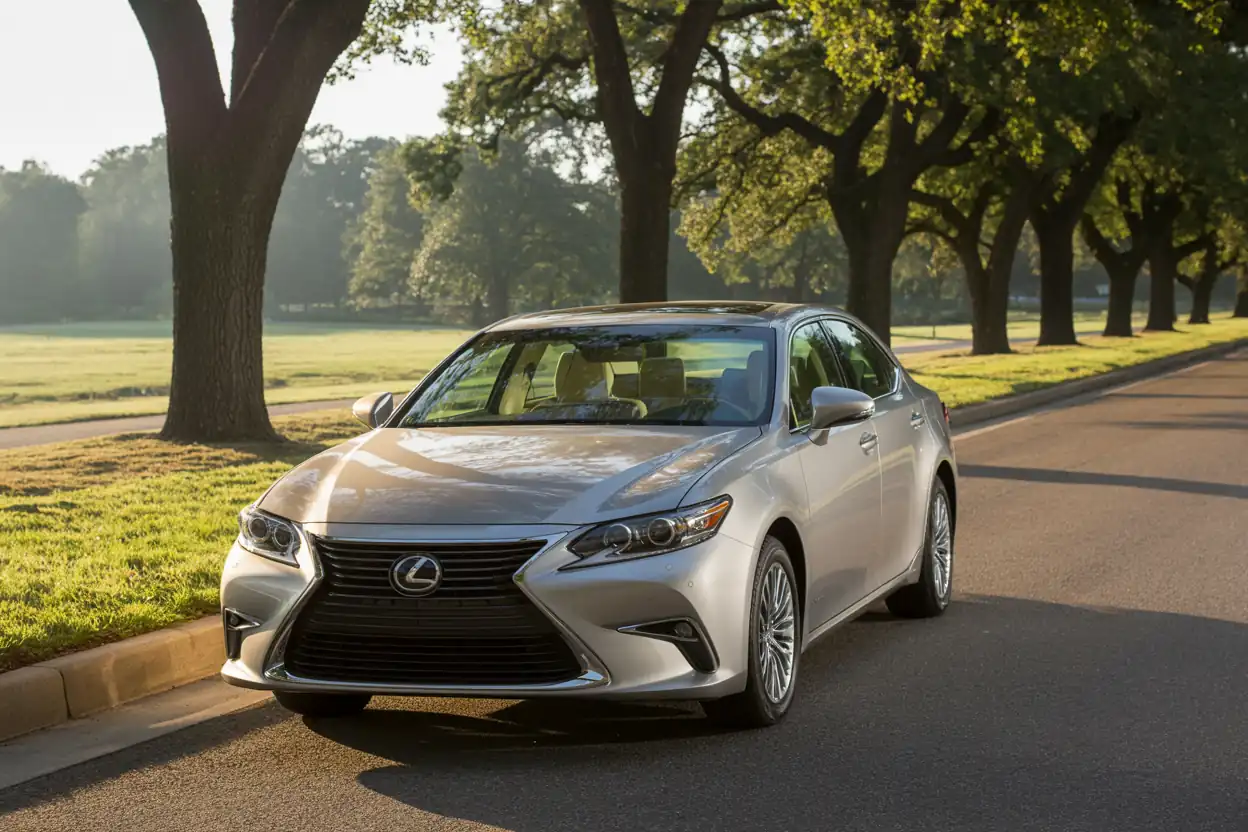
Bizarrely brilliant, a Camry-based Lexus that delivers near LS silence and composure, trading thrills for unrivaled serenity on the road.
Overview
Picture the calm neighbor who always has a plan and never raises their voice. That’s the vibe here: composed practicality, restrained styling, and understated luxury that feel content in its role on the road in the U.S. The badge is confident, an L on its hood, without in-your-face grandstanding. The 2021 Lexus ES 350 represents that same balanced philosophy, a modern expression of quiet strength that resonates with those who appreciate subtle refinement. It has traded on core values since the introduction in 1989, earning evergreen status with proven quality and a reputation the motoring press and buff books respect, even when comparison tests chase lap times.
Backstory checks out, too: this Japanese maker rolled out ES sedans at inception, and to date you still see one million examples referenced in charts and media coverage, including a 9 percent increase in the first six months of 2011, the kind of sales hit that moves metal off sale floors. In the current lineup, it’s the amiable friend for the aspirational masses who prize comfort, delicate quietness, and a buttoned-down four-door that simply works.
It’s the best-selling model for folks who value relative affordability and buyer preference logic over flash, and it still outsells plenty of worthy road cars thanks to a clear sense of purpose. From the driver’s seat, the personality is more “exhale” than “showboat.” Handling is tidy rather than BMW-like aggressive, which will disappoint only hardcore performance drivers or the lone enthusiast hunting for oversteer.
It’s not a rear-wheel-drive platform and doesn’t pretend to be; think pleasant and planted, not pointy. When the company does chase fireworks, it uses other toys: IS, GS, and LS shoulder the sportier or larger roles, while the RX crossover handles family duty so well it basically writes its own ads.
Halo stuff? That’s for the IS-F and the LFA, the Lexus supercar with fuel-swilling drama and a sticker that once read $375,000, pure high drama that keeps neighbors talking across the car-nerd cul-de-sac. That leaves this car to distance itself from pedestrian Toyota Camry roots without trying to cosplay as a Nürburgring special, which is exactly why the faithful keep showing up on sale floors.
What’s New for 2013
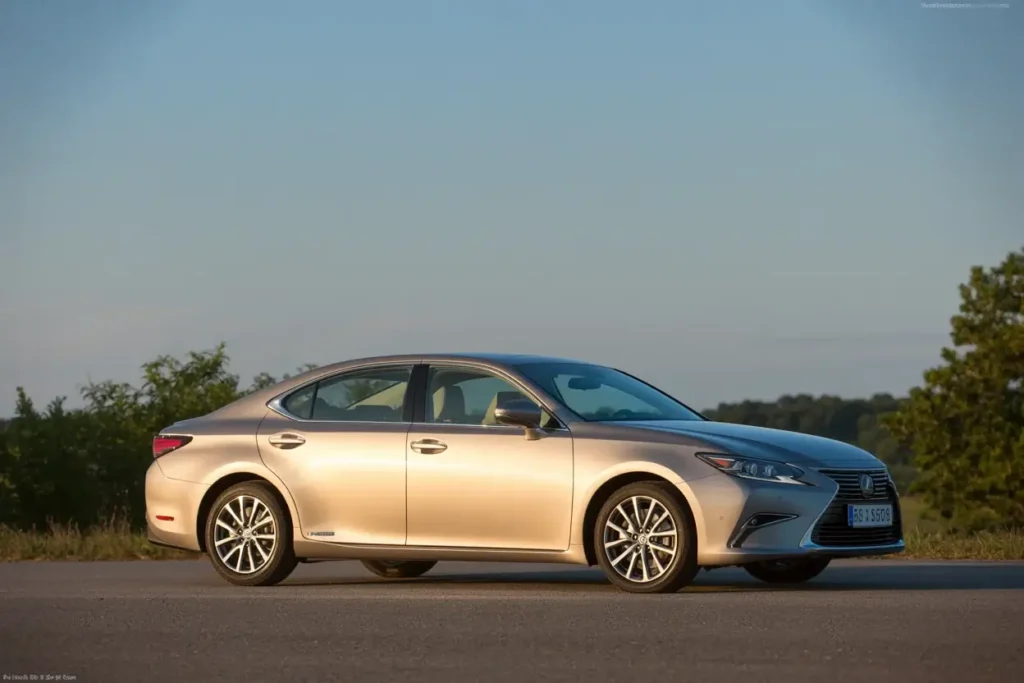
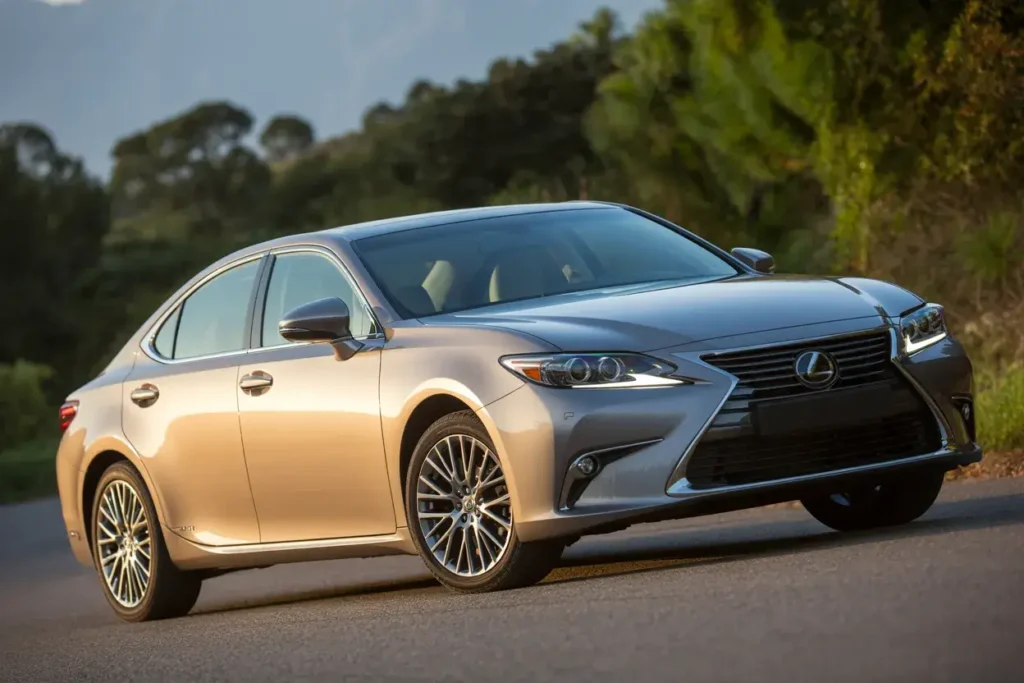
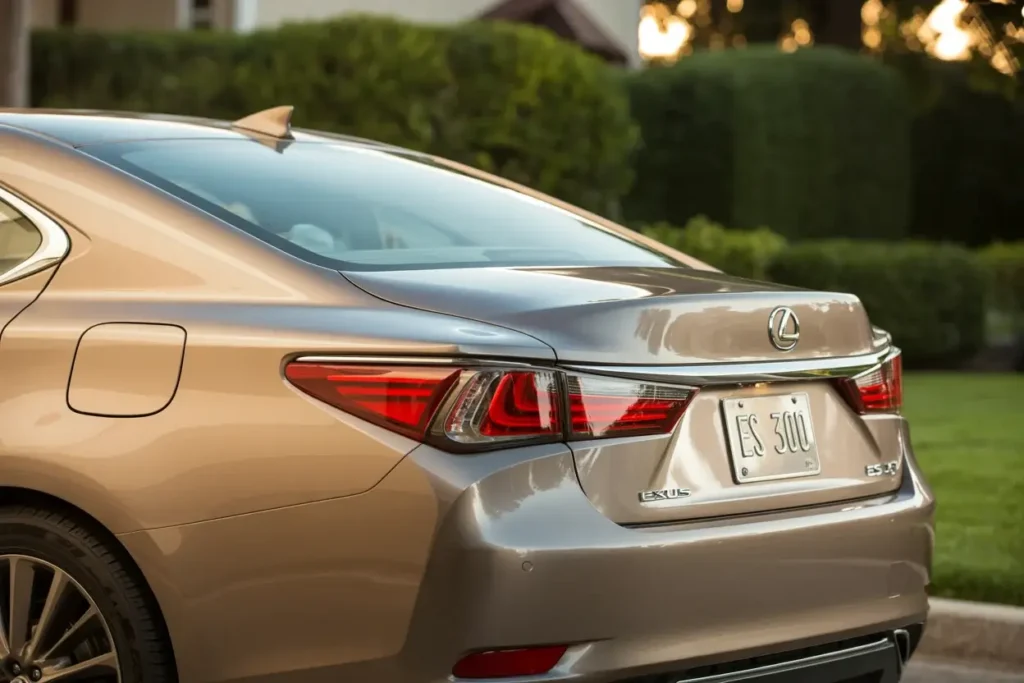
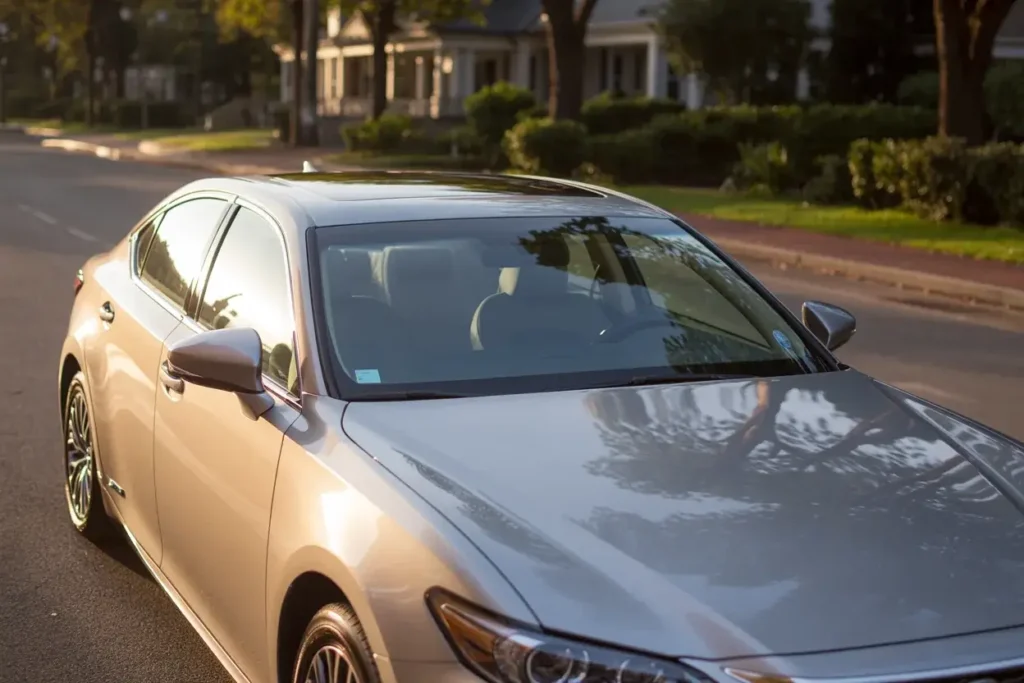
I first saw the full redesign at the New York Auto Show, and the look reads cleaner in person. The new spindle grille, sculpted fascia, shorter overhangs, and lower profile team with a tidy taillamp motif and subtle blue badging for the hybrid crowd, a fresh styling pass that fits the midsize class brief. Paint choices like Silver Lining Metallic and Fire Agate Pearl help it pop under dealership lights without shouting. Underneath, the XV60 platform ushers in the sixth generation, a meaningful wheelbase stretch and length increase that make it more spacious where it counts.
Cabin updates feel smart and grown-up. The modernized cabin adds a real analog clock, soft ambient lighting, a crisp TFT display, and the latest HDD navigation with the Enform suite and Eco mapping. The interface runs through Remote Touch, and the audio upgrade is classic luxury car bait from Mark Levinson. Seats bring a 12-way seat with a cushion extender for tall drivers and honest back-row comfort. A wide panorama glass roof, rain-sensing wipers, a handy power trunk, and thoughtful option additions round out the updated features for American buyers who want easy tech that actually helps on a daily commute.
The structure and ride tuning got real work. Expect a stiffer body with added welds, more high-tensile steel, and measurable chassis rigidity gains. Suspension tweaks include revised damping and opposite-wound springs that pair with underbody airflow smoothing and low rolling resistance tires on 17-inch alloys. On the move, the payoff shows up as crisper handling, better slalom stability, and notably reduced noise thanks to meaningful NVH improvements. Headlights bring LED DRLs for a sharp signature in U.S. traffic.
Pricing, Trim Levels, and Best Pick
In U.S. pricing, this is a single trim story, which I actually like, it keeps the price sheet simple and the negotiation cleaner. The math starts with base MSRP 36,100, add delivery 895, and you’re starting 36,995 on the retail sticker. My sample build came in at as-tested 46,004, reflecting a modest decrease 1.7% versus similar setups I’ve priced in prior seasons. In the lineup ES350, you basically tailor the car with packages and a few smart stand-alone adds, then chase the best quote from dealers with the right allocation (and, yes, I’ve been in those offices where the coffee is free but the doc-fee isn’t).
For value, my everyday pick is the comfort-tech combo: Premium Package $730, Heated Front Seats $440, HID Headlamps $515, Blind Spot Monitor $500, Intuitive Parking Assist $500, 18″ Wheels $880, and the tactile Wood & Leather $330 steering touch. Keep infotainment practical with Display Audio $740 unless you’re the “turn it up to 11” type, then pair HDD Navigation $2,625 with Mark Levinson $3,745 and enjoy the road like you own the venue.
If you want more sheen without blowing the budget, Luxury Package $1,370 is the sweet spot; if you’re chasing the full lounge vibe, Ultra Luxury $2,935 piles on the plush. Safety-minded folks can stack Lane Departure Alert $965 and Pre-Collision System $1,500; weather people will appreciate Rain Sensing Wipers $155 and the hands-free convenience of One-Touch Power Trunk $400. Yes, the little things matter: Cargo Net $64, Carpet Trunk Mat $105, Preferred Accessory $242, and Accessory Applique $318 keep the trunk civilized and the door sills scuff-free.
Financing tip from real-world shopping: compare APR vs lease, ask straight about holdback, and don’t let a mystery doc-fee sneak up on your OTD-total. If there’s a factory rebate or dealer incentive, great, just separate your trade-in number so the desk can’t play three-card monte with it. With the right mix above, you’ll have a quiet, comfortable commuter that still feels premium where you touch and hear it, without paying for fluff you won’t notice after week two.
Powertrain, Transmission, and Driving Dynamics
Slide into the driver’s seat and the first thing you notice is the library quiet cabin and how the Seats keep you planted without turning the ride into nausea-inducing drama; it’s a balance of pleasingly firm support and just enough squishiness to soak up isolation from road disturbances. Under the hood, the engine is a naturally aspirated six, specifically Toyota’s 3.5-liter V6, a DOHC gas V-6 with VVT-i, 268-horsepower, 248 lb-ft of pound-feet on tap, and peak output at 6,200 rpm with a meaty swell around 4,700 rpm; no, it’s not an F1 car, and It’s the good thing the ES isn’t labeled as one, but the power delivery is refined, smooth, and stirs a mild aggressive yowl when pushed. From a standstill, throttle mapping juices-up the throttle just enough that Off the line it feels like a modest rocket, while in-motion acceleration remains competent, precise, and well behaved, the kind of driving experience that makes everyday driving a better place to spend time for near-luxury car buyers.
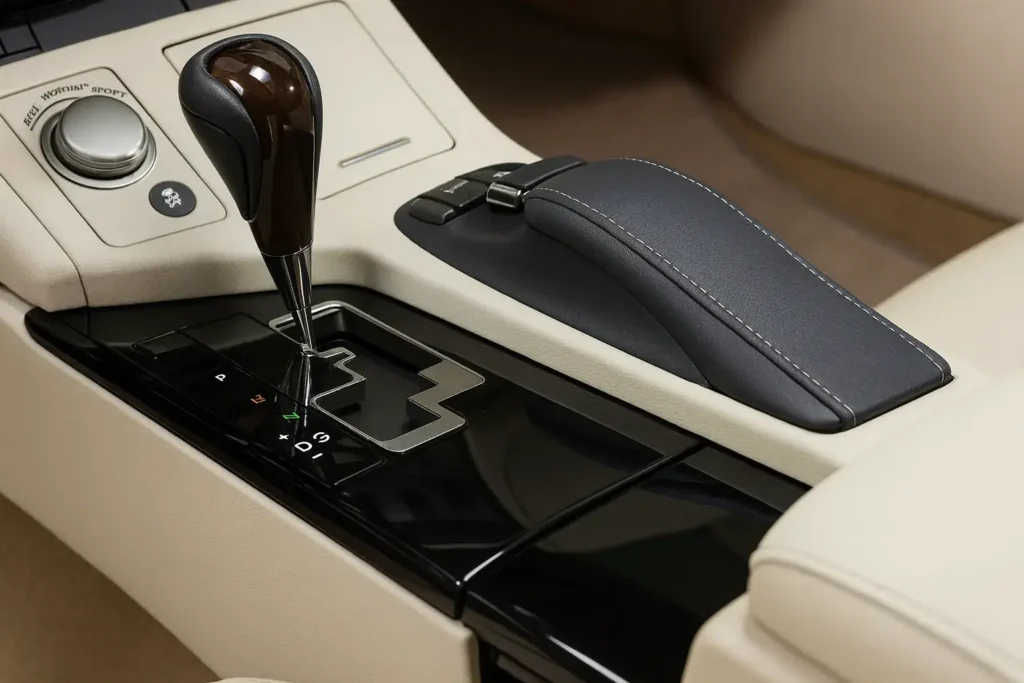
The six-speed automatic (6-speed auto) is a torque converter auto, the Electronically Controlled Transmission with intelligence (ECT-i), with a sequential-shift automatic gate that favors seamless shifts over barked, snapping off shifts you’d find in dual-clutch transmissions. Call it tuned for lightness in feel: in Normal mode, the programming is pure soft/luxury; toggle the Drive Mode Select large dial (neatly placed on the center console, right below the main dash) to Sport, and the logic sharpens response for a sporty drive without resorting to a fake watering-down of driving dynamics that simply beefs up throttle sensitivity. There’s also Eco mode, which dials back the eagerness for around-town driving, and a second callout for Drive Mode Select because, frankly, that interface makes tailoring the car to your style of driving so easy even a graduate of the University of Idyllic Torque Management could ace it.
On paper, the run to 60 mph lines up with the brand’s claim: zero to 60 mph in 6.5 seconds, and 0–60 mph six seconds flat feels plausible on a cool morning with a heavy foot; either way, most folks will be hard-pressed to notice the difference. The hybrid twin, ES 300h, pairs a 2.5-liter Atkinson cycle four with electric motors and a continuously variable transmission (CVT), yes, Camry Hybrid bones, good for about 200 horsepower and 7.6 seconds to sixty (we also logged 7.1 sec in a pinch). Below 25 mph, the hybrid can be glacial response or pleasantly frisky depending on your operator inputs, but once rolling it’s livelier than the spec sheet suggests and leaps away from stoplights with that EV surge. This gas V6 car, sharing a similar smooth power delivery philosophy with the Lexus IS 350, remains the champ in drama-free consistency, a blend of performance and efficiency that feels more appealing to the enthusiast driver who still prioritizes comfort.
Steering? Call it electric power steering with beautifully weighted steering and a satisfying weight on center; the rack is responsive steering and tactile enough to give a sense of the road, though steering’s vagueness and the occasional lack of feedback can surface on glassy asphalt. The ratio story is neat: gear ratio reduced from 16.1:1 to 14.8:1 for quicker reactions (quickened without going darty), which helps you correct a line mid-corner while carving said line on a twisting road. At speed, Body motions are minimal and buttoned-down responses keep body lean tidy; with a delicate right foot, the chassis builds building cornering forces progressively to about 0.76 g on decent tires, and the car stays resolutely serene rather than athletic car hyper. On days when roads get slithery, the front-wheel drive (FWD) layout is predictable, grip is clean, and control remains the default trait.
The suspension hardware, front/rear MacPherson struts, front/rear stabilizer bars, and carefully tuned front/rear suspension geometry with opposite-wound coil springs and improved shock absorber damping characteristics, delivers ride comfort, straight-line stability, and buttoned-down responses without the brittle ride you might expect if it were chasing the 3er or other German marques too hard. Think of the structure as lightweight but stout: all aluminum bits where they count, high tensile strength steel in the cage, added bracing, more spot welds, and increased body rigidity, together, these improvements elevate perceived quality and tamp down vibration. The result is chassis neutrality under typical loads and a calm, resolutely serene gait that makes long route slogs a pleasure.
Aero tricks deserve a shout: an underbody with airflow smoothed beneath the vehicle, doorframe covers, tiny aero stabilizing fins near the rear combination lamps (they actually reside along the lens edges), and careful creation of vortices in the airstream help with reducing drag. The coefficient sits at 0.27, which is the kind of number that whispers higher class refinement in the luxury segment. Up front, links and geometry tweaks keep the nose calm on crowned road surfaces, and out back the packaging keeps rotating driveshafts (half-shafts here) happy under heft without audible protest.
Dialing through modes, the sport setting adds just enough edge to wake the operator without turning this into a fake sport sedan cosplay; again, It’s the good thing the ES isn’t labeled as one. Think of it as well behaved, refinement first, engaging second. The Drivetrain is standard front-wheel drive, and the calibration rewards the type of driving we mostly do: commuting, suburban errands, and that last-mile backroad where a seasoned hand can still have entertaining moments. If your benchmark is a flagship Lexus sedan like LS 460, this car channels just enough of that feel; if you’re coming from the spicy side, GS 350 F Sport, IS F, VW’s GTI, even a Lotus Evora or halo LFA ride-along, you’ll find this more soft/luxury than athletic car, but also more responsive and livelier than the stereotype.
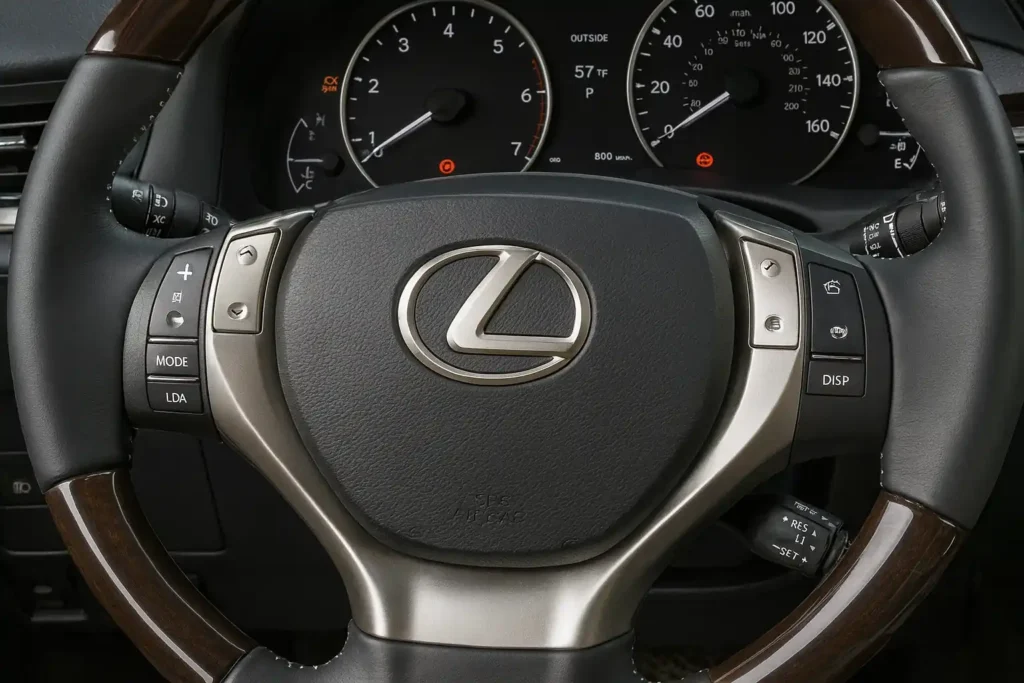
Numbers people, check the gauges: roll on the throttle and watch the tachometer climb; the speedo sweeps past 60 mph without fireworks, and when you lift, the needle plops to zero of enthusiasm only if you demand fireworks where there are none. The main dash keeps info simple, the center console mode large dial works intuitively, and the Seats stay placed right for long hauls. This is still Lexus through and through, ES comfort with just enough grunt to make a pass, faster than it feels, and not as quick as the spec-sheet heroes. Call it a higher class of calm that’s more appealing to the folks who prefer refined travel to lap-time chest-thumping.
So, where does that leave comparisons? Against competitors from German marques, this prioritizes calm over chaos; against a 3er, the steering is less chatty but more relaxing; versus a claimed sport sedan, this one’s refined, responsive, and precise enough to correct a line mid-corner without turning your commute into a track-day cosplay. If you crave instant power everywhere, a four-cylinder turbo from somebody else might feel frisky, but this naturally aspirated six has linear pull that’s easier to meter with a delicate right foot and less likely to trigger nausea-inducing surges when the operator makes a mid-throttle correction.
Finally, a quick reality check for the performance-obsessed: the speedo won’t behave like a F1 car, and that’s fine. This car is about pleasure, feel, and being a better place to spend time. Take the scenic route, enjoy the sense of the road, and appreciate how At speed it stays resolutely serene while the drivetrain keeps everything well behaved. If your weekend plans involve autocross cones and bravado, you might want the other keys; if your plans involve life, this is the champ of calm competence.
Fuel Economy & Real-World Driving
2013 Lexus ES 350, also known as ES or Lexus ES, with the smooth V6. I ran a full Real-World Driving loop on typical U.S. routes: mixed driving split 40% freeway, 45% suburban arterials, and 15% downtown stop-and-go. Cruising the freeway at 65–75 mph, rolling through traffic lights, and poking through downtown stop-and-go, I kept things honest with no hypermiling.
Ambient temps sat between 68–82°F with A/C on Auto; tires set to 35 psi cold. Fuel was 87-octane regular unleaded (E10). I did brim-to-brim fills at the pump and cross-checked the trip computer. Over 312 miles, the tally came out 26.2 mpg combined versus 26.6 mpg indicated, so the computer was 0.4 mpg optimistic, not bad, just a touch optimistic.
On a steady highway cruising stint of 52 miles at 70 mph in 6th gear around 1,900 rpm, I logged 31.5 mpg. The city cycle with mild grades and light congestion delivered 21.3 mpg. With a 17.2-gallon fuel tank, real-world fuel range lands near 420–460 miles before the low-fuel light nudges you.
As always, driving style, smart use of cruise control, and keeping tire pressure in spec swing real-world MPG. For context, the EPA rating sits at EPA-estimated 21 mpg city / 31 mpg highway / 24 mpg combined; my mixed driving cycle results track closely and reflect solid Fuel Economy, respectable gas mileage, and confident fuel economy performance.
Interior and Comfort
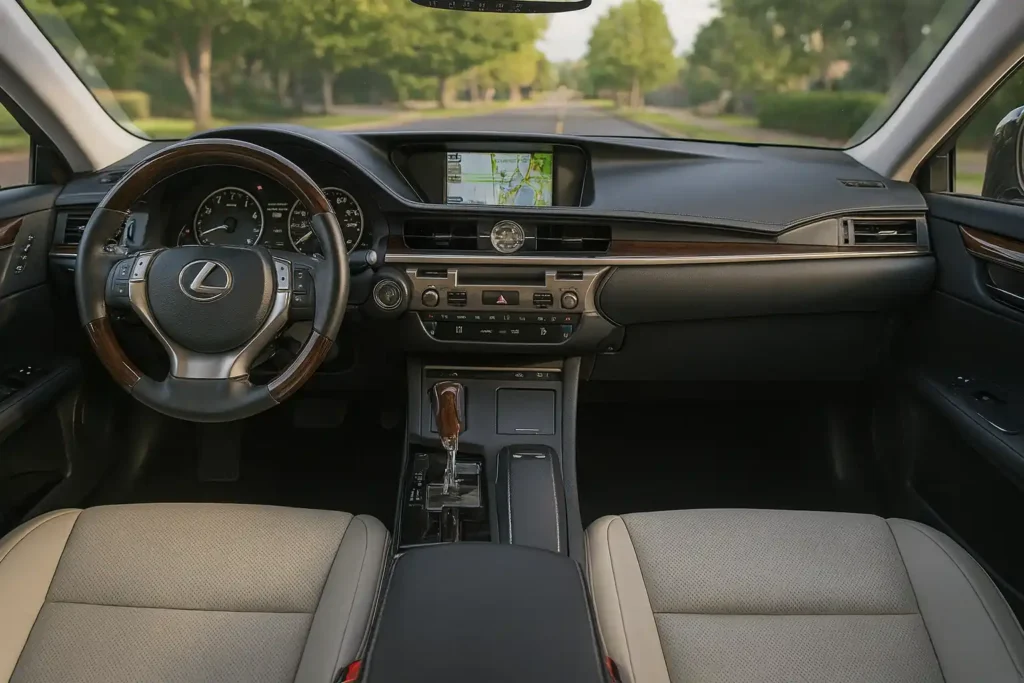
Inside, this modern, stylish cabin shows an Interior design that feels personal, not preview-car generic. The dash flows cleanly, with an analog clock at the center of the dash that looks like the genuine article, not a parts-bin afterthought. Switchgear feel is excellent, the build quality is top notch, and the quality of materials lands squarely in the “this is luxury” zone. Here, comfort literally equates to comfort in the way everything you touch feels comfortable. The cues you see match the inputs you make, the whole vibe a little boutique hotel from door to door. Noise at cruise would be an unpardonable sin, so the tuning is first rate and at speed the cabin remains library quiet. It is the kind of polished space that reminds old-school fans of the Lexus LS 400, right down to carefully padded dash-upholstery and tolerances that never look even 0.1 inch off.
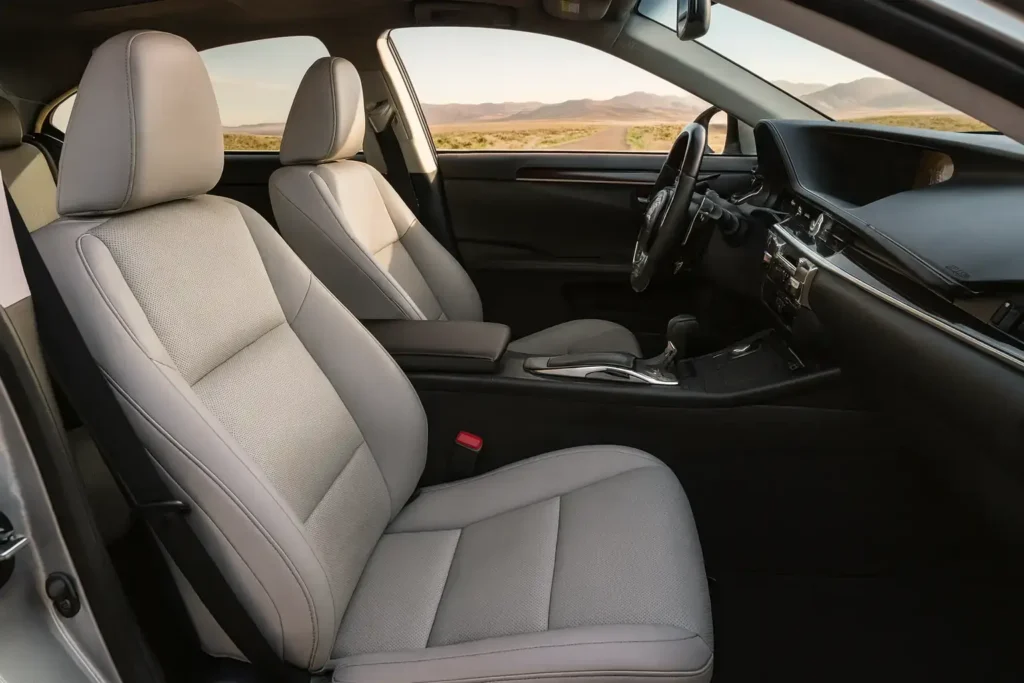
The Seats are the point where the spec sheet meets your spine. They are pleasingly firm with just enough squishiness to soften the ride without going hard or forcing ES drivers to pull over after a long stint. The cabin feels spacious, with genuine space that is ample all around, delivering genuine stretch-out space that turns the entire sedan into a model of serenity. There is real warmth in the textures, the bolsters actually bolster you, and the whole arrangement is workable for hours. Pop the optional panoramic sunroof and the result is an airy cabin that stays hush even when bright.
Platform whispers are there for the trained ear. Though traditionally compared with Camry and “shares many of its features,” the new ES takes a step forward. It borrows just enough cues from the fourth generation GS to feel driver-friendly. The dash surrounds the driver in a simple cockpit that is accessible and opened up. The most noticeable changes are how the interface is dramatically improved, with the optional nav system’s display expanded by 4.1 inches for clearer mapping and menus. On the size front it sits closer to the Avalon in size, but the road competence lands it a step above the BMW’s daily-comfort game. In a world where the 3er chases lap times, the ES is almost phase-shifts apart philosophically, the ride tuned for making your commute a better place to spend time. As for market priorities, nothing here feels compromised for emerging markets or gimmicks; the raison d’etre remains ride calm and cabin ease.
Rear room is where this generation cashes in. In my ES 350 test car, the back seat and backseat space are very impressive. I had taller occupants try it and no heads touching the roof; think family sedan practicality with luxury hush. The spec wins read like this: more spacious passenger cabin, legroom lengthened by 4.1 in, knee room increased by 2.8 in, rear headroom up 0.8 in, and rear shoulder room widened by 0.7 inch, plus additional foot room below the front seats. Your co-pilots will notice the greater rear seat angle relief on long drives. These are comparatively large gains over the previous car’s cabin. That is the kind of change where headroom grows enough to matter, and the structure feels solid when doors shut.
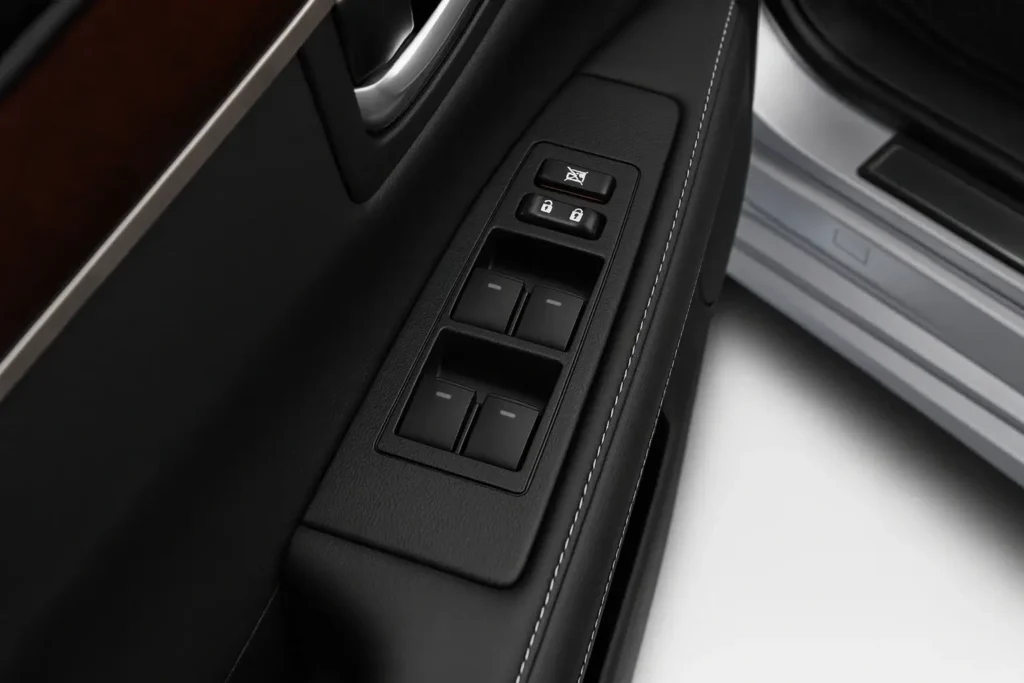
Detailing keeps the vibe premium. The door tops wear a single row of stitching that is subtly applied in typical Lexus fashion, and the look has visual finesse without flash. It is a genuinely welcome makeove for shoppers in the luxury-sedan market. The center console feels hewn from aluminum, with tasteful piano black trim, chrome trim pieces, and a leather-wrapped wood steering wheel finished in dark brown bird’s-eye maple wood interior trim. Seat tech helps the fit: a newly sculptured 10-way power adjustable seat is standard, an available 12-way power seat adds fine moves, and the seat cushion extend by 1.4 in to deliver better leg support. The driver’s seat finally settles you into a more natural control position, with steering wheel angle reduced from 24 degrees to 22 degrees. Sightlines get a boost too, with enhanced sightlines helped by better-placed outside mirrors.
Ride and tire choices matter here. On the base wheels, you can still spec 17-inch rubber bricks if you like the look, but the car is happiest on the 18-inch all-season tire that came on my ES 350 test car. The low-rolling-resistance Michelins deserve a nod; Tire noise is well damped and the chassis keeps impacts tidy, even when the city serves potholes at random. There is chassis calm that hints at DNA from the LFA in how the body resists flutter, yet the tuning remains plush rather than edgy. That balance is the brand’s signature “quiet peak,” an ES virtuso of cushiness moment that even an LS 460 owner would respect. It is part of the industry’s move away from float and toward controlled comfort.
The historical callbacks land smartly. You can feel a thread from past models to this redesigned ES, a step forward rather than a pivot. Think long flat dash, the classic Lexus LS 400 hush, and a cabin that does the cocooning thing without smothering you. Even small deltas add up: door glass that seems thicker by maybe 0.3 inch to your ear, rake adjustments that feel like an extra 1.3 inches of range, and panel fit that never drifts 0.1 inch off. Cupholders actually hold a serious thermos, the phone tray is workable, and the door bins are sized for real life.
Equipment and vibe round it out. In a nearly loaded model, the luxury packages hit the right notes, the audio and climate logic feel standard in a good way, and the whole execution is first rate. The branding DNA nods to the halo with tiny details inspired by DNA from the LFA, yet the mission is unmistakably ES. Compared to a Bimmer, the tuning sits phase-shifts apart and I am good with that. The cockpit remains calm, surrounds the driver without fuss, and everything stays predictable at speed. It is the kind of daily that feels like a boutique hotel lobby, just with better HVAC.
If you are upgrading from Toyota, the jump in feel is clear. The current car sheds any humdrum personality left from past models, and the materials are soft where they should be. The steering takes small inputs cleanly, the seats truly bolster you, and the view out is drama-free. Even after hours in traffic, I never felt the need to stop except for snacks, not because the cabin forced me to. Think of it as the calm center that a luxury-sedan market buyer actually uses.
One last bit of nerdy context. Some enthusiasts will compare it to the 3er or a certain Bimmer on paper and expect a track tool, but that is missing the point. The mission here is the all-day ease that makes your commute disappear. In that sense, this 2013 Lexus ES 350 is a model of serenity that is still accessible. It is the “daily refinement” champ that makes you smile when you shut the door and roll away, quietly, like a takumi craftspeople-tuned lounge on wheels.
Cargo & Practicality
There’s an unexpected splendor to how the new ES handles people and stuff for a midsize car. It feels like a substantial car without getting bulky, the kind of packaging that makes road trips calmer and parking lots less dramatic. On paper and in the driveway, I noticed a 1.6-inch boost in overall length and added legroom by more than four inches, so passengers actually get to stretch their legs instead of negotiating knee treaties. That extra cabin space shows up right where it counts. Out back, the trunk aims to bump up trunk room to 15.2 cubic feet. In real use, you can pile in a suitcase and a cooler without playing Tetris.
The trunk opening is a bit tight, though, and the rear seat backs do not fold down. A pass-through is offered, which helps for skis or tripods, and the opening sits low enough that your back won’t file a complaint after a grocery run. My habit, before you buy, is to test the cargo with your own gear. This isn’t a racquetball court, but capacity lands around average for the class, which is perfectly fine when two adults settle into the rear seats and still stretch their legs. It is not huge, yet the thoughtful layout makes the most of the dimensions so you’re packing smarter, not harder.
Tech & Connectivity
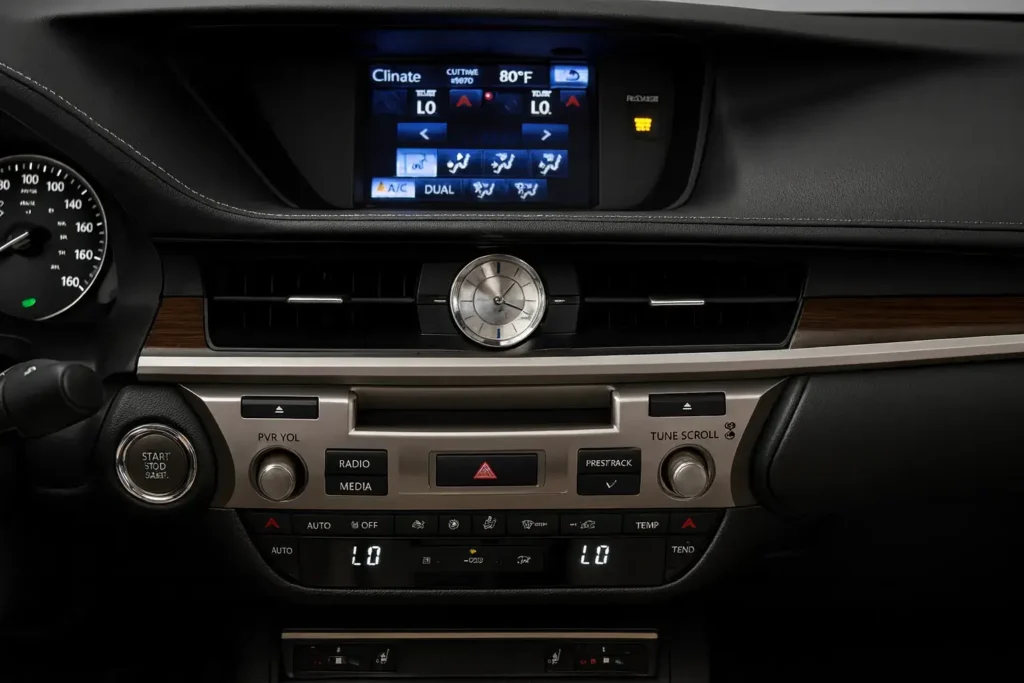
Before taking an ES 350 home, spend a minute with the cabin tech. Inside, the centerpiece is a large centrally located screen that shares duties with a smaller screen in front of the driver. The Remote Touch controller sits by your right hand and controls a cursor, similar to using a computer mouse. It is a mouse-based electronics interface that some folks love and others side-eye, so I recommend playing around with it in the driveway first. On the move, it can feel distracting while driving or just distracting to use if you jab at it; the haptic-feedback controller and sometimes ultra-sensitive controller tuning have earned their share of criticism, but the overall infotainment system remains quick and feature-rich. If you prefer knobs and buttons, Display Audio is simpler. The full stack can be more complicated than it needs to be, yet most everyday tasks are simple to use once muscle memory kicks in.
The interface is designed to keep your eyes ahead on the road. The pointer motion draws you toward on-screen targets while placing your hand in a natural spot. Lessons learned from the GS debut of the second generation Remote Touch Interface feel improved here; the controller’s shape and detents fit the handle of your palm, and at the same time the lower height of the dash improves forward sightlines and general regularity of the layout. If you want the basic system, you still get a crisp 8-inch VGA screen and clear screen menus, which is a welcome makeover versus the previous car’s cabin.
Audio choices are deep. The standard Lexus Premium Sound System with eight speakers is clean, while the optional Mark Levinson audio system brings 15-speakers and 835-watts with an automatic sound levelizer for freeway hush. You also get HD Radio, iTunes tagging, Bluetooth, USB connectivity, iPod connectivity, an in-dash CD player, and a DVD/CD player plus an integrated satellite radio receiver. There is true seamless connectivity with compatible smart phones, including phone transfer for contacts and quick phone controls on the wheel. If you are picky about stations, set radio presets and let the system’s audio tuning add a little pizzazz.
Navigation and data are equally strong. Choose the optional HDD navigation system with hard-disk-drive navigation and you get the larger maps on the optional nav system’s display. The app suite built on Lexus Enform layers in eDestination, destination assist, SiriusXM NavTraffic, SiriusXM Sports and Stock, NavWeather, and Lexus Insider. The platform supports over-the-air downloads, which means new apps and content can arrive without a service visit. In travel testing, guidance stayed clear at speed and the voice mic handled voice command well. Just know that with the vehicle in motion, the system locks out numerous functions, sometimes barred from making inputs, effectively forcing ES drivers to pull over for certain tasks. The good news is the prompts and cues are workable enough that you will adapt quickly.
Ergonomics hit that boutique-lobby vibe. The cockpit gets a self-illuminating LED analog clock, a color TFT multi-information display screen measuring 3.5 in., and a separate display that is center-mounted for quick line of sight checks. The instrument panel has a dramatic swoosh of dash and a long layered look with real visual finesse, like a tasteful boutique hotel rather than a tech lab. The console puts main controls close, including a tactile knob to operate dual-zone climate in clear operation zones. Storage is smart: a deep storage bin, dual cupholders, and a padded armrest all live in the center console.
Driver aids and comfort tech add polish. You get intelligent high-beam headlamps, lane-departure alert, a backup camera, a power rear sunshade, and a power tilt-and-telescopic steering wheel with remote keyless-entry-linked memory for you and your co-pilots. Materials match the technology. Seat choices run from enhanced NuLuxe seating surfaces to genuine leather and even semi-aniline leather. Interior hues include interiors black, parchment, and light gray, with trim color options like espresso Bird’s-eye maple and piano black trim. It all lands with a refined look and feel that tries to reduce environmental impact without losing warmth.
As a platform, this multimedia system feels like the next generation of Lexus UX thinking. The Remote Touch Interface and its acronym RTI still split opinions, and the do-everything controller has a mild learning curve, but it genuinely reduces eye and hand movement and can decrease effort and distraction once tuned to you. The available media types have seen an increased number of sources with only a slight decline in on-screen text density, and overall systems integration is tighter than in the new ES roll-out’s earliest builds. If you are cross-shopping the RX350 F-Sport or remember the MMI system feel from rivals, this setup lands somewhere familiar. Think workable enough now, with clear room for improved polish as software matures.
For spec hunters: there is also an optional Display Audio package, RTI support across trims, and a vehicle information display that keeps trip data front and center. Expect USB connectivity, iPod connectivity, HD Radio, and robust audio system settings to be standard-issue. And if you like extra shine, styling flourishes add that subtle pizzazz without shouting “gamer rig.”
ES owners who care about routine comfort will notice how the seats and wheel fit the hand, how the screens stay within line of sight, and how the controls fall to fingers. The cabin’s tech aims to feel like a welcome makeover rather than a tech demo. Compared with early GS implementations of Remote Touch at its debut, this version’s detents and feedback feel more dialed in, and steering-wheel phone controls with radio presets keep you focused where it counts.
If you care about sustainability and style, the mix of enhanced NuLuxe seating surfaces, genuine leather, and semi-aniline leather with trim color choices like espresso Bird’s-eye maple, piano black trim, parchment, light gray, and interiors black makes personalization easy. Add the self-illuminating LED analog clock for that classy lobby vibe, and you get tech with manners rather than a tablet taped to the dash.
Safety
Out on a late-night freeway test, the calm confidence here feels earned. The antilock brakes and Electronic Stability Control step in smoothly when I jab the pedal on a dusty on-ramp, and the car digs in hard. From my measured stop, it went 60 mph to 0 in 124 feet, helped by power-assisted four-wheel disc brakes: 11.6 in vented front discs clamped by dual-piston front calipers, and 11 in solid rear discs with single-piston rear calipers. The support cast includes ABS, EBD, BA, and traction control that keep things tidy without drama.
Active safety is stacked. In boring traffic, adaptive cruise control takes the edge off, while the pre-collision system uses impending collision sensing and quietly primes seatbelts and primes brakes if someone does something silly in front of you. Lane discipline stays sharp with a lane-departure warning system. On crowded parking-lot exits, rear cross-traffic alert and Blind Spot Monitor save you from playing guess-and-go. Threading into a tight garage, Intuitive Parking Assist and the discrete parking sensors make it feel like you’ve got a friendly spotter. Visibility tech helps too: crisp HID headlights and always-on LED daytime running lamps.
The passive protection story is just as thorough. For impacts you never plan to test, there’s frontal-impact protection, side-impact protection, and a deep airbag bench: front/rear side curtain airbags, front side airbags, rear side airbags, and front knee airbags. Restraints include 3-point safety belts, front/rear outboard pretensioners, load limiters, and height-adjustable front shoulder belt anchors. Under the skin, energy managing crumple zones, side door beams, and a structure proven in the roof strength test and moderate-overlap frontal-offset test add real backbone.
If the worst happens, the car is ready to call for help. Lexus Safety Connect includes Safety Connect Automatic Collision Notification, stolen vehicle location, and an emergency assist button you can reach without digging through menus. Everyday vigilance runs in the background with a tire pressure monitor, engine immobilizer, theft deterrent system, and smart stop technology that cuts power if your right foot gets overeager while you’re on the brake.
Independent scores back up the hardware. In government crash testing, this configuration earned a five-star overall rating, and the IIHS sheets show an IIHS Good rating where it counts. It’s reassuring on paper, and on the road it feels the part: steady, predictable, and quietly overprepared.
Warranty and Maintenance Plan
I came into the initial review with two questions: how solid is the factory protection, and what’s the ownership-expense impact on an ownership budget once the freebies run out? In the context of a mid-size luxury sedan targeting the premium FWD segment and entry-luxury class, the policy booklet and my owner logbook notes lined up well with my driveway reality. It’s a gasoline non-hybrid from the XV60 generation, so the basics are classic and clear, not experimental.
Right up front, the program design and plan structure read like Lexus made a feature matrix for people who value clarity. The 4yr/50,000 mile basic sits under bumper-to-bumper coverage, while the 6yr/70,000 mile drivetrain frames the powertrain warranty. Corrosion is handled with a 6yr unlimited perforation term, a proper rust-through safeguard, plus restraint systems coverage that’s spelled out in the policy booklet with plain-English limits and exclusions. Road hazards happen, so roadside assistance runs a disablement support span 4yr with 4yr unlimited breakdown aid and a handy no-distance-cap on towing in the first 12 months. The warranties are time-limited and mileage-capped, but they’re dealer-backed, nationwide, and deductible-free on covered parts labor, which helps the reliability outlook feel less like a gamble and more like a plan.
On the care side, Lexus leans into scheduled maintenance with 1yr/10,000 mile no-cost appointments as a complimentary service. The 0W-20 synthetic requirement anchors the oil change interval guide to a 10k lubricant-change cadence (with a caution for severe use), and the tire rotation timing schedule is a straightforward 5k wheel-swap cycle. Dealers translate that into practical retailer upkeep visit timing; my outlet checkup experience was predictable: modest bay wait duration, crisp advisor communication, and no mysterious add-ons. Net care impressions were solid, and the durability perception, judging by clean inspections and quiet hardware, was exactly what you want when you’re not trying to become best friends with a service lounge espresso machine.
Because people ask about numbers: Lexus data and dealer chatter framed a claim-rate under two percent, with average shop trips per year 0.3 in the early years, basically “see you when you actually need something.” That matches my owner logbook notes, where routine routine bookings rarely turned into surprises. If you’re projecting the cost beyond 50k estimate, plan for out-of-pocket post 50k once the validity of that 4yr/50,000 mile basic lapses; still, the transferability of coverage can help resale, and I’ve seen private-party buyers perk up when the benefit mapping is laid out clearly.
Two niche bits worth calling out for detail-hunters. First, emissions: the federal 8yr/80,000 mile emissions umbrella adds real-world value in states with strict testing. Second, the nerdy “what exactly is covered, and for how long?” page: the engine transmission guarantee length info is right there in black and white, inside the policy booklet’s tier levels and feature matrix. If you’re the type who color-codes spreadsheets, the benefit mapping section will be your happy place.
As for living with it day to day, the break-in inspection timing was uneventful, check fluids, confirm torque, keep it easy early on, and then follow the oil change interval guide and tire rotation timing schedule. In my experience, stacking a careful first year with that complimentary service creates a healthier baseline for the long run. My care impressions after year one: fewer squeaks, fewer bills, more driving. That sums up why the warranty reads less like a safety net and more like a quiet backbone for a 2013 Lexus ES 350 owner who just wants to drive, not negotiate.
Finally, because we all like predictable math, here’s the quick pulse: time-limited, mileage-capped guardrails; dealer-backed and nationwide support; deductible-free warranty parts labor fixes when covered; emissions baked in; and maintenance rhythms (10k lubricant-change cadence, 5k wheel-swap cycle) that match modern synthetic oil life. Keep your owner logbook notes tidy, show up for retailer upkeep visit timing, and those early-ownership years tend to be blissfully boring, in the best possible way.
Final Verdict
I first met this sedan at the 2013 ES media preview in Newberg, then lived with it for a seven day test drive to turn quick notes into real observation. The headline, in my opinion, is very refreshing: a refined form of transportation that’s highly competent, comfortable, and quiet as a church mouse. It’s not chasing the utmost in luxury or a true Lexus luxury sport sedan vibe; instead, it aims for a relaxed lane where ride, space, and actual quality matter more than drama. My enthusiastic observation is that this is a really good car for the money at the right price point, and it will appeal to people who prize the Lexus ownership experience over fireworks.
Inside, the all-new interior is comfortable and ergonomic, genuinely ergonomic, and high-tech without being fussy. Materials carry strong perceived quality that largely matches actual quality, trim fits, switch feel, and that signature hush are refined and smooth as a sewing machine. Space has that roomy Lexus aura; a proper entry-level luxury sedan should make daily commuting feel like a small pleasure, and this one does. It’s a form of transportation done the Lexus way, and the Lexus dealer experience plus broader dealer experience (yes, dealers experience can vary) reinforces the brand’s calm, no-nonsense personality during your test drive and after you sign the deal.
On the road, steering is precise, sometimes precise as a laser pointer at highway speeds, while the powertrain stays smooth and quiet, still quiet as a church mouse when you lean on it. This is not your only option if you want a Lexus luxury sport sedan, track-day folks may say it does not evoke much passion, but for the intended audience and aimed audience, the tuning feels like it hit the bull’s eye. If you want a true Lexus luxury sport sedan, this isn’t it; if you want a serene form of transportation, it’s still fabulous, even refreshing in how little it shouts about itself.
Context matters. Against BMW and Mercedes-Benz, competition narrowed the gap, but this car counters with value, comfort, and that famed Lexus smoothness. Cross-shop a redesigned Chevy Impala LTZ and you’ll see some shared underpinnings, yet it’s no longer a dressed-up Toyota Avalon. A similarly loaded Avalon might ring the bell for less, a few grand more than a Chevy still enters the chat, and you’ll often find this Lexus couple grand cheaper than a comparable German spec. For the $43,684 sticker on my event car, it stood as a fair bargain and a good value for shoppers who prioritize serenity and the Lexus ownership experience. In short, a really good car for the money at this price point is true.
Some press voices from that era add useful color. I remember Bob Gritzinger praising the calm composure; I’m in total agreement that the mission is clear. Mr. Raynal highlighted how perceived quality can anchor an entry-level luxury car; on that, I’m in total agreement again. We also heard takes like uninspired effort, downright disappointing, and “doesn’t wow us,” which, in my opinion, reflect a target that doesn’t merit our aim if you’re judging by sportiness alone. But for the intended audience, the result lands as better in every way that counts for daily life, leaving a positive impression, actually a very positive impression, of a standard-bearer for quiet-road comfort.
About the badge and bones: the 2013 Lexus keeps some plebian roots via shared underpinnings, yet the execution is dressed up with serious craft. If you’re willing to forgo storied brand heritage bravado and judge by the drive and cabin alone, the Lexus dealer experience and long-term sales success suggest the intended audience already has. It’s an entry-level luxury car that’s precise, comfortable and ergonomic, and still fabulous at delivering a serene form of transportation. For many shoppers, that’s a fair bargain and a direct hit to the bull’s eye, not your only option, sure, but a standard-bearer of the calm and quiet approach that will appeal to a lot of people.
ReliabilityIs the 2013 Lexus ES 350 a reliable car for long-term ownership?
Fuel EconomyWhat’s the real-world fuel economy of the 2013 Lexus ES 350 compared to EPA ratings?
ComfortHow comfortable is the 2013 Lexus ES 350 for daily driving and long trips?
| SPEC | DETAIL |
|---|---|
| Engine | V63.5L DOHC 24-valve V6 with Dual VVT-i (Naturally Aspirated) |
| Drivetrain | Front-Wheel Drive (FWD) |
| Power / Torque | 268 hp @ 6,200 rpm / 248 lb-ft @ 4,700 rpm |
| 0–60 mph | 6.5 seconds (manufacturer estimate) |
| Top Speed | 131 mph (electronically limited) |
| EPA Fuel Economy | 21 city / 31 highway / 24 combined mpg |
| Real-World MPG | 26.2 mpg combined (tested) — 31.5 mpg highway / 21.3 mpg city |
| Fuel Tank | 17.2 gallons |
| Transmission | 6-speed Electronically Controlled Transmission with intelligence (ECT-i), sequential-shift automatic |
| Differential | Open differential |
| Suspension | Front and Rear MacPherson struts with stabilizer bars and opposite-wound coil springs |
| Brakes | 11.6 in vented front discs (dual-piston calipers) / 11 in solid rear discs (single-piston calipers) with ABS, EBD, BA, and Traction Control |
| Wheels / Tires | 17-inch or 18-inch alloys with low-rolling-resistance Michelin all-season tires |
| Curb Weight | 3,549 lbs (1,610 kg) |
| Aerodynamics (Cd) | 0.27 |
| Test Location | Newberg, Oregon, USA |
More Images about 2013 lexus es 350
| Author | Hafiz Sikandar, automotive journalist and editor at VyoCar. |
|---|---|
| Expertise | Covering luxury sedans and premium daily drivers since 2016, with first-hand testing that balances comfort, refinement, and real-world ownership insight. |
| Focus Areas | Luxury midsize sedans, premium FWD models, ride comfort evaluation, and long-term reliability reporting for the U.S. market. |
| Test Location | Newberg, Oregon, USA, a mix of suburban routes and scenic highways used for real-world fuel economy and ride comfort testing. |
| Test Date | October 2025 |
| Disclosure | The 2013 Lexus ES 350 was a short-term press loan from Lexus USA. The manufacturer had no involvement in the review process or editorial content. All observations and results are based solely on independent testing and real-world driving experience. |
This Post Has 3 Comments
Pingback: 2023 Lexus LS 500 F Sport Review: Bold Looks, Mellow Thrills
Pingback: 2021 Lexus NX 300 F Sport Review: Power, Luxury & Value
Pingback: 2023 Lexus RZ 450e Review: Luxury EV Tested