

Pros & Cons
- Luxury-calm cabin refinement.
- Smooth nine-speed composure.
- Upscale design maturity.
- Muted turbo engagement.
- Average fuel returns.
- Limited tech depth.
They traded the charismatic V6 for a turbo four that's all brain and no soul.
Overview
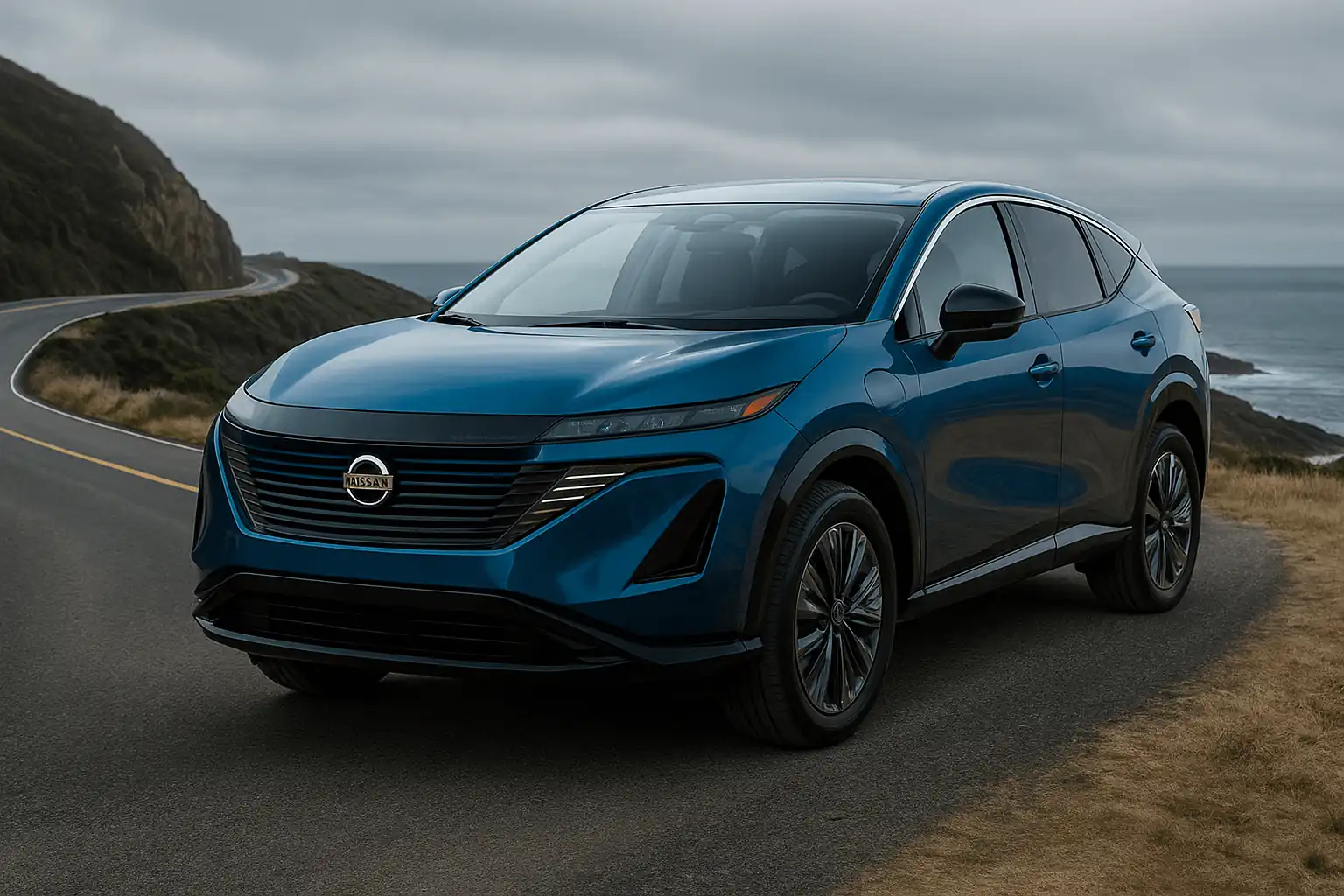
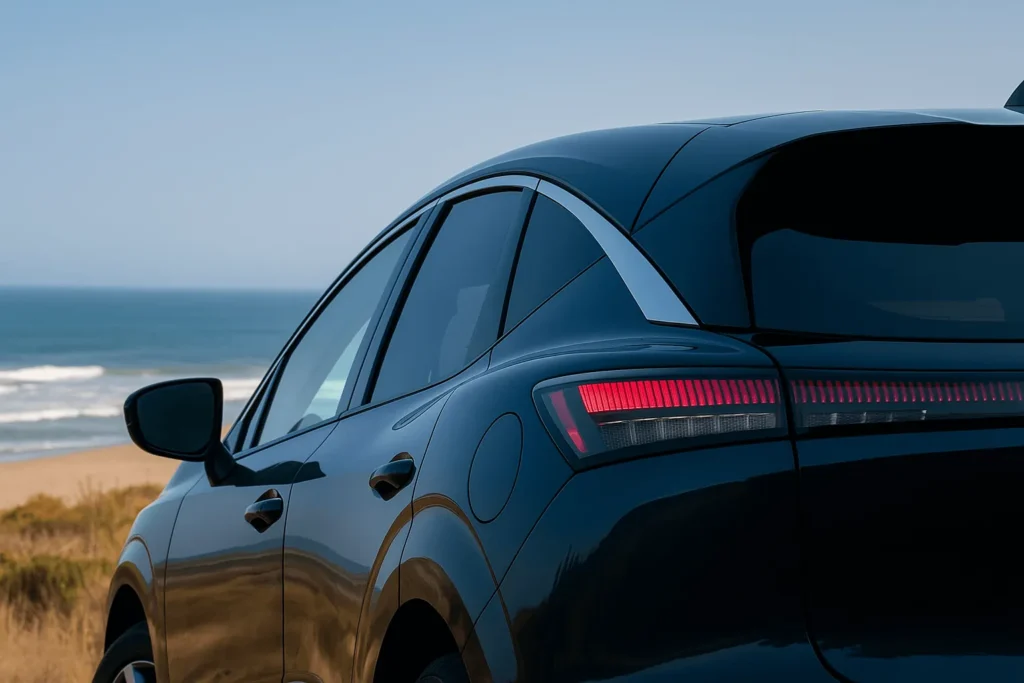
The 2025 Nissan Murano is back, and it’s trying hard not to look like the outgoing uncle who still thinks his 2003 playlist is hip. This redesigned SUV is reminiscent of the original that debuted back when flip phones ruled, but now it’s modernized, sharper, and just a bit more competitive. It seems Nissan finally realized that the mid-size crossover’s style had lagged behind rivals like the Chevrolet Blazer, Volkswagen Atlas, and Genesis GV70. The result? A fresh, up-to-date design that’s refined without being pretentious, kind of like showing up to a San Bernardino coffee spot in a clean Sport coat instead of a full tux.
Under the hood, the V-6 is retired, replaced by a turbocharged 2.0-liter four-cylinder with a nine-speed automatic transmission. It’s probably not the powertrain enthusiasts expected, but it does the job with more efficiency than the previous version. The variable compression tech gives it some pull, even in stop-and-go traffic around Los Angeles, where I spent an hour crawling between parking garages and wondering why Nissan’s hybrid dreams never got the plug they needed. Still, the ride is comfortable, the transmission is smooth, and the engine feels happy enough hustling through a California evening rush.
Inside, the interior feels upscale and modern, finally living up to the luxury talk Nissan has been backing with its Infiniti QX65 sibling. Think higher-end materials, technology that doesn’t feel stuck in 2016, and treats for passengers that make this five-seat crossover a solid option for families or anyone in the business of looking good while stuck on the road. It’s not a dramatic update, more of a meaningful step up, a minor redesign that makes a big statement.
At around $53,950, the Murano isn’t the bargain it once was, but it’s a case of paying for refinement and comfort over flash. The brand remains true to its strengths: style, build, and driving ease. It’s not the ideal choice for those who need to track quarter-mile times, but for us who just want something that feels comfortable, reliable, and a lot less conventional, the Murano might just be the destination we didn’t know we were looking for.
What’s New for 2025
So, Nissan finally ditches the old 3.5-liter V6 and swapped in a 2.0-liter inline-four with variable-compression wizardry, ushering in a bold new era of the Murano. Yeah, it’s all-new for 2025, and you can almost hear the engine whisper, “I’m efficient now, deal with it.” The nine-speed automatic transmission replaces the continuously confused CVT, and honestly, it’s worth the wait. Everything feels fresh, from the modern design inspired by the all-electric Ariya to touches borrowed from the subcompact Kicks. You’ll notice it the first time you spin the wheel, a new model that’s actually trying to catch up with the latest crossovers instead of being behind them.
Inside, it’s like Nissan went on a Lake Arrowhead retreat, stared deeply at the display, and said, “Let’s make it richer.” The central 12.3-inch screen now looks like something you’d find in a premium lounge instead of your cousin’s decade-old SUV. Materials feel updated, comfort levels are up, and the whole vibe screams “grown-up.” Sure, some might miss the power surge of that outgoing six-cylinder, but the variable turbo four-cylinder keeps things smooth and smartly down to earth. The 2025 Murano? It’s not just new, it’s finally for this year.
Pricing, Trim Levels, and Best Pick
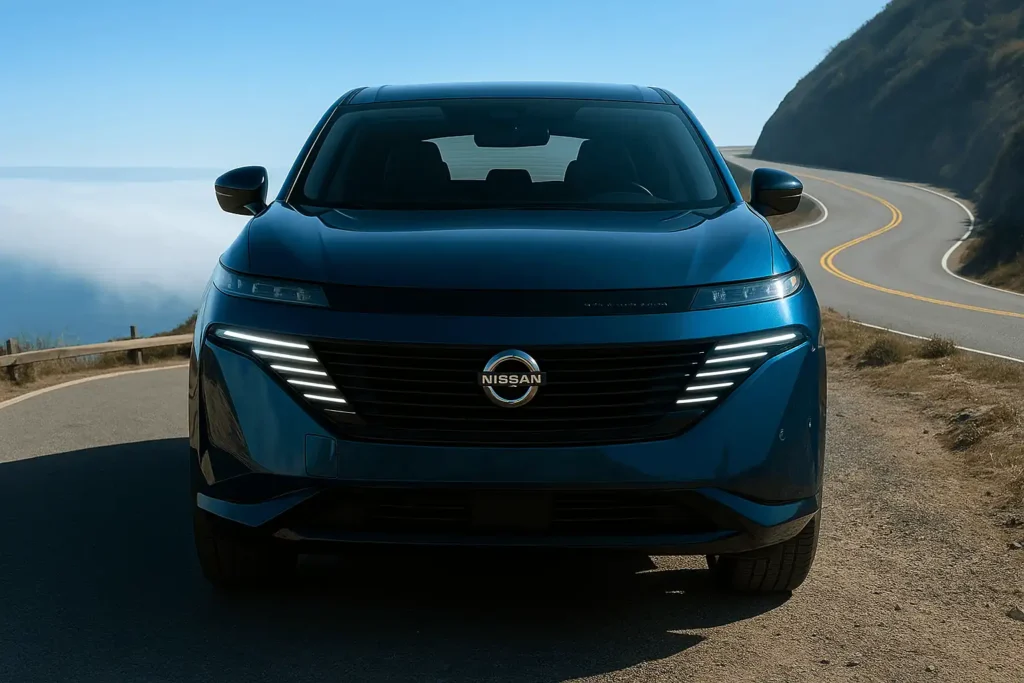
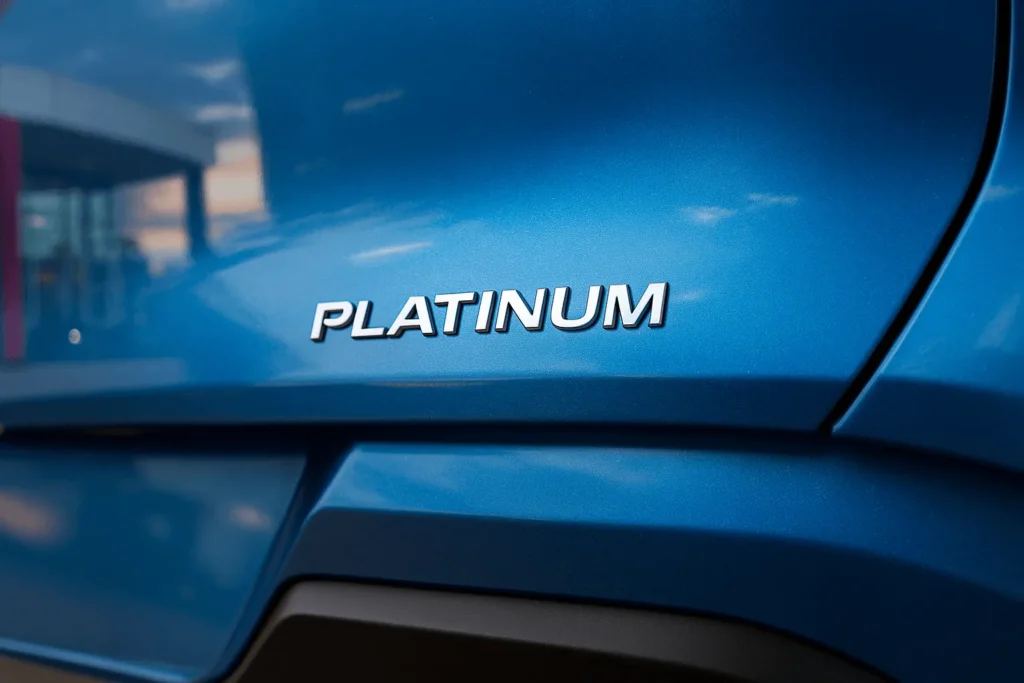
The 2025 Nissan Murano starts at $41,860 and goes up to $50,990, depending on which trim you get, and trust me, those extra digits can make or break your coffee budget. Of all the trims, the mid-range SL is the one that actually adds some soul for the price. You get heated mirrors, tinted windows, a panoramic sunroof, and ambient lighting that makes the interior feel like a boutique hotel lobby. The 10-speaker Bose stereo system pumps out tunes like it’s auditioning for Coachella, while the in-dash navigation and integrated garage door opener keep things delightfully first-world. The SL’s features feel curated, not cluttered, complete with memory settings for the driver’s seat, an auto-dimming rear-view mirror, and a 360-degree camera setup that makes parking less of a faith-based maneuver. Sure, the Platinum trim has fancier exterior chrome and even more options, but the SL hits that perfect balance between sensible and spoiled, the Murano sweet spot.
Powertrain, Transmission, and Driving Dynamics
Let’s talk about the powertrain, because this is where the 2025 Nissan Murano decided to reinvent itself. Gone is the old 3.5-liter V-6, that smooth and naturally aspirated workhorse that gave the outgoing model its easygoing charm. In its place, Nissan dropped in a 2.0-liter turbocharged four-cylinder that develops 241 hp and 260 lb-ft of torque. On paper, that’s respectable. In real driving, it’s a different story. This engine is variable-compression, so it adjusts its compression ratio on the fly like some kind of overachieving technology student but the feel can be inconsistent.
Press the pedal, wait a moment, and then it all wakes up. The nine-speed automatic transmission does a better job than the CVT in the Infiniti QX50, but there’s still a trace of hesitation at low rpm before the Murano gathers its momentum. Once it moves, though, the powertrain feels solidly built, smooth, and quiet. Passing on the freeway? Confident. Merging around town? Easy. Spirited takeoffs at the stoplight? Let’s just say the throttle response isn’t what I’d call fun, but it’s predictable and controlled.
Where the Murano redeems itself is in its driving dynamics. The suspension feels stiffer than before but never harsh, managing bumps, ruts, and broken pavement with refinement that’s nearly luxury-level. It’s serene in comfort mode, planted through curves, and the steering has just enough precision to keep you confident without feeling heavy. Compared to something like a Mazda CX-70 or Lincoln Nautilus, the Murano feels more relaxed, less about sport and more about ease. It’s a combo that fits its midsize crossover mission perfectly.
After years of relying on a familiar V-6, this new generation of Murano follows the industry trend toward smaller, more efficient engines, a downsized move that won’t excite purists but will improve fuel efficiency and reduce strain on your wallet. Sure, it lacks the old grunt, but it delivers a more refined, responsive, and composed ride. As an editor who’s driven every SUV from the Rogue to the QX55, I’ll admit this isn’t a premium-grade thrill machine. But as a daily driver, it’s engineered with precision, comfort, and just enough bite to keep the Murano a standout in its segment.
Fuel Economy & Real-World Driving
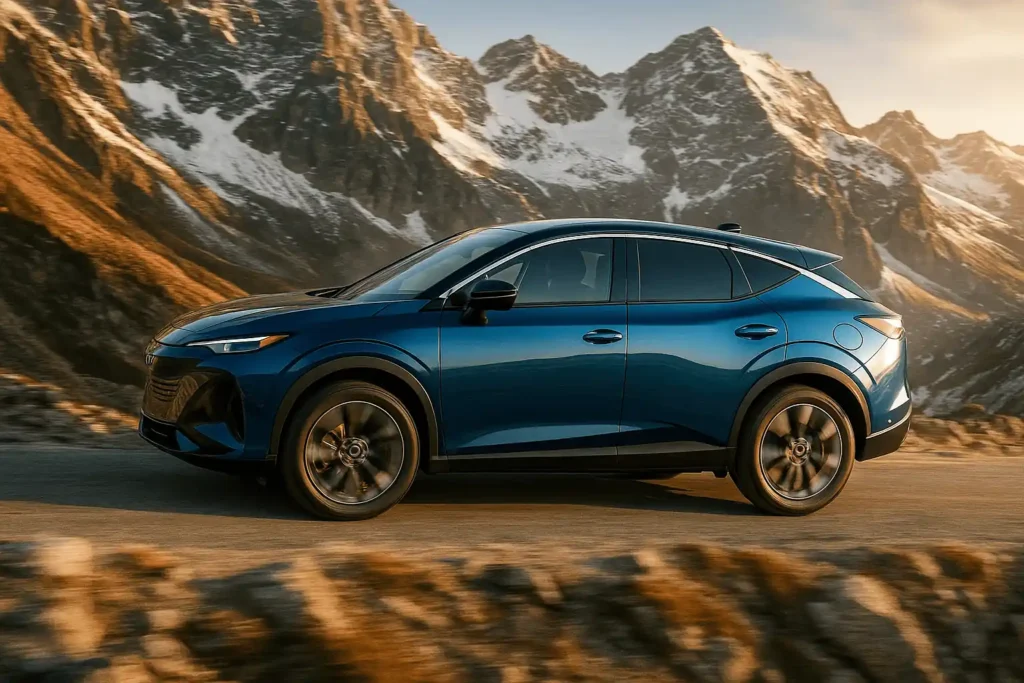
Fuel economy? Let’s just say it’s a story of progress and a little creative math. The old 3.5-liter V-6 is gone, replaced by a 2.0-liter turbo-four that gained a hint of efficiency by losing 1.5 liters of displacement and roughly 350 pounds of bulk. The EPA ratings tell a modest tale: 21 mpg city, 27 highway, 23 combined, essentially identical to 2024, which means the new setup hasn’t exactly compensated for the smaller engine. You can pick between front-wheel drive or all-wheel drive, but either way, you’re in the same ballpark as the competition. Sure, the new 2025 version feels fancier, and maybe those extra cylinders aren’t missed by your wallet, but the numbers prove this crossover is more about trimming than transforming.
Interior and Comfort
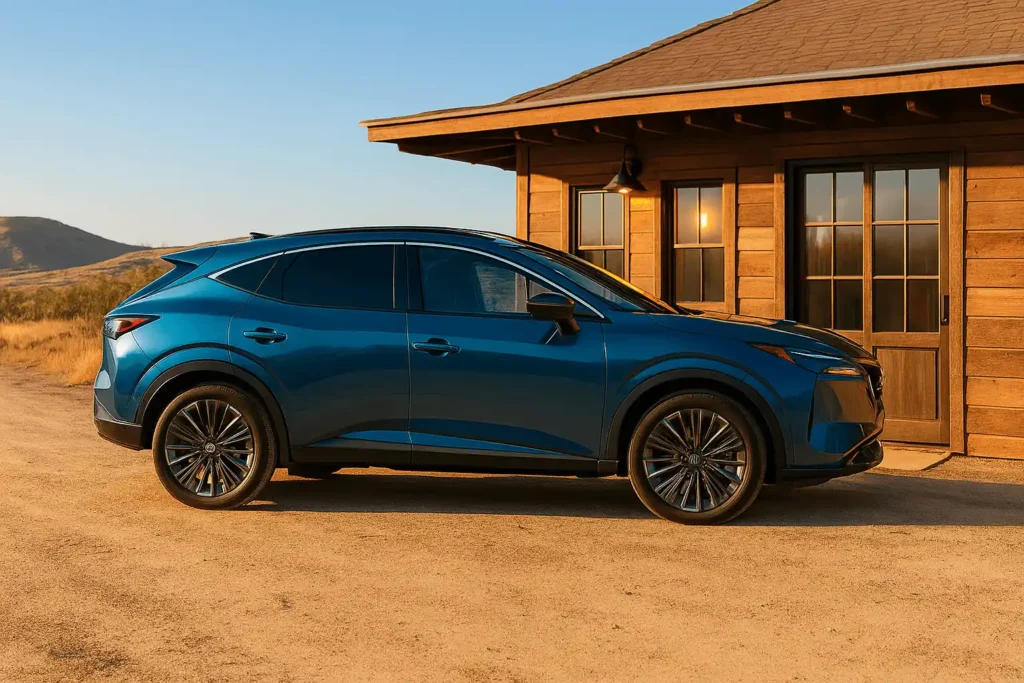
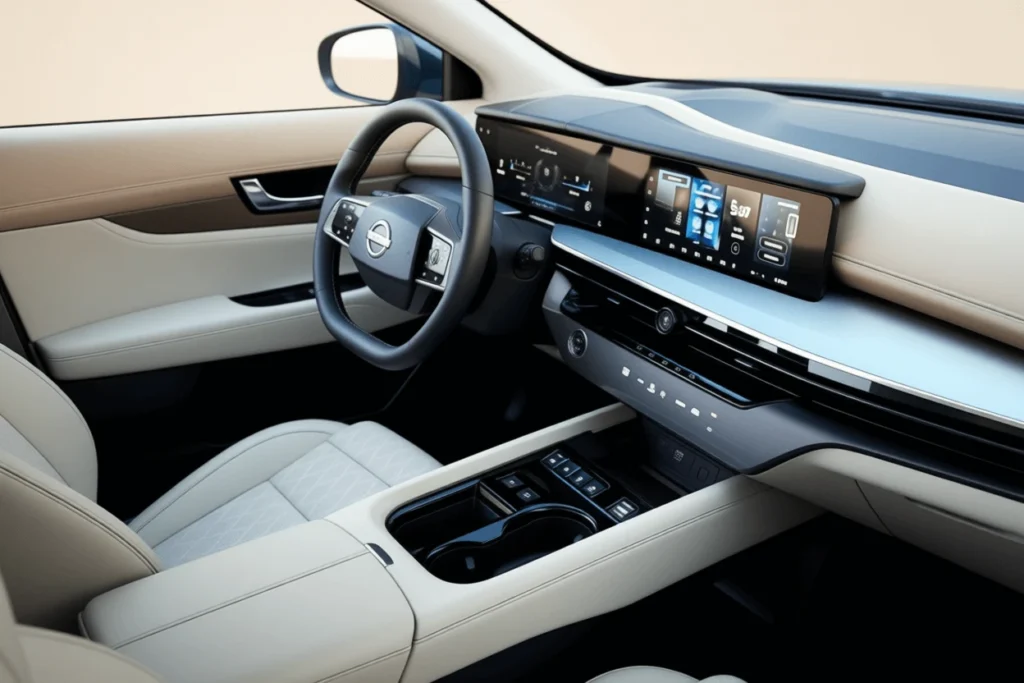
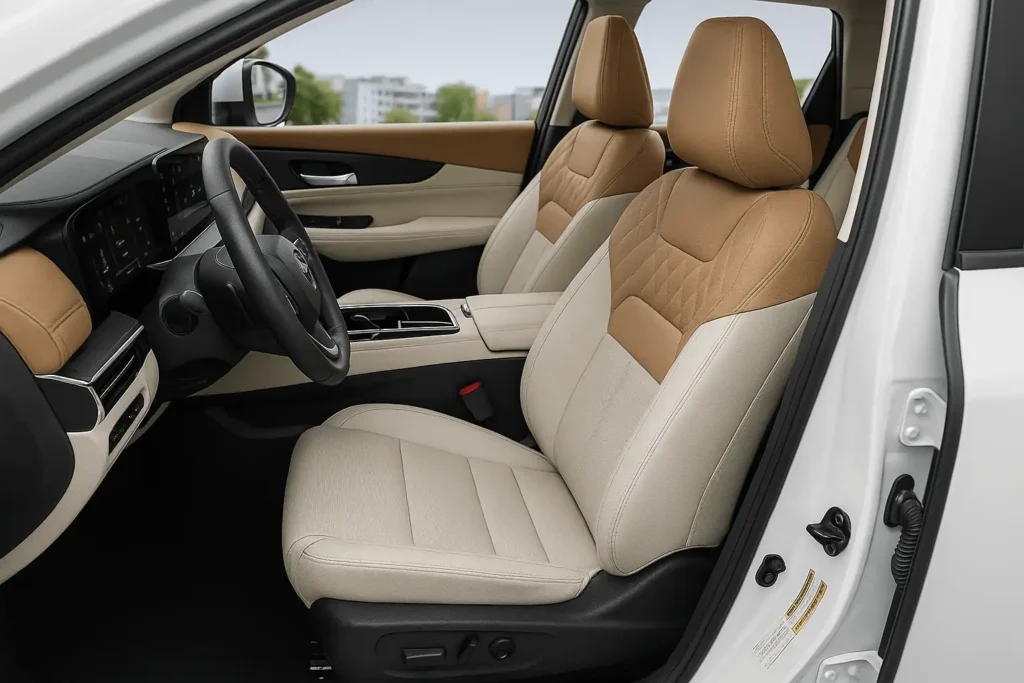
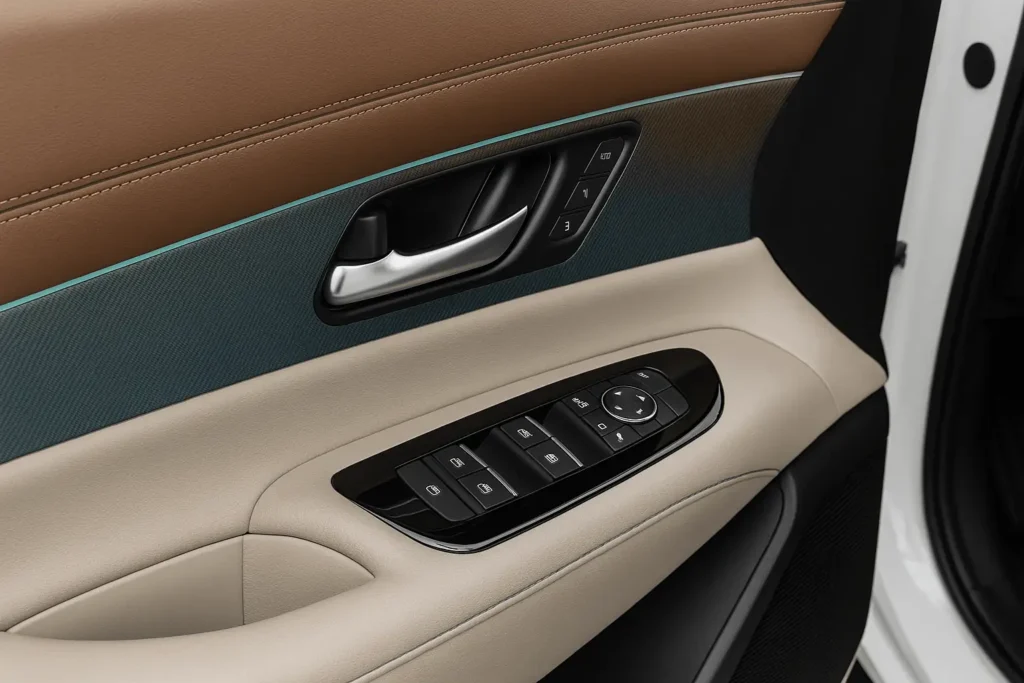
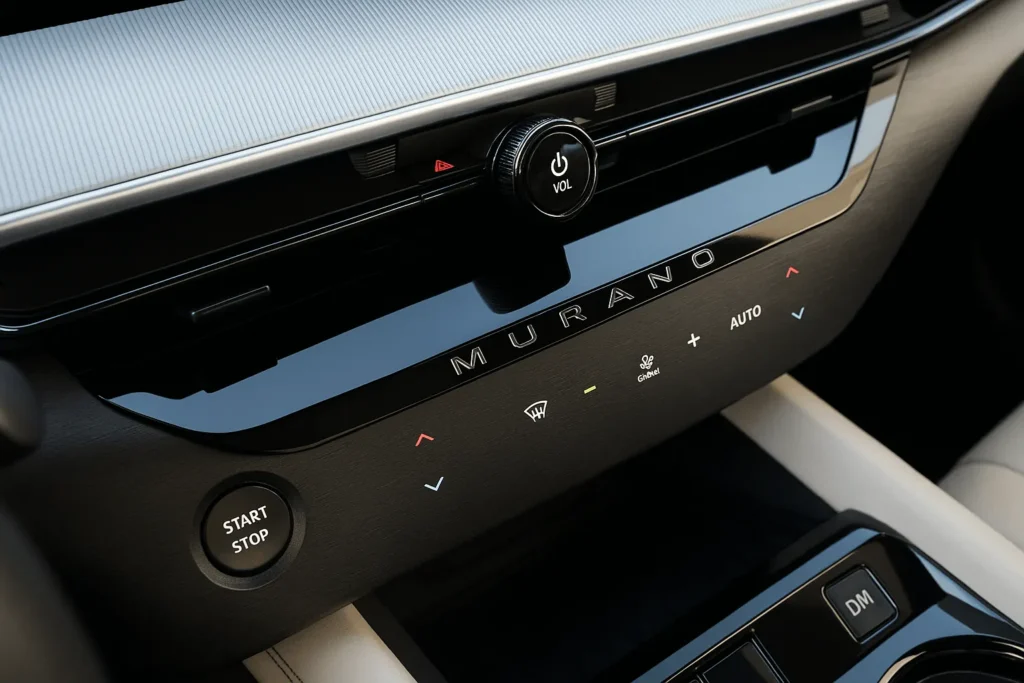
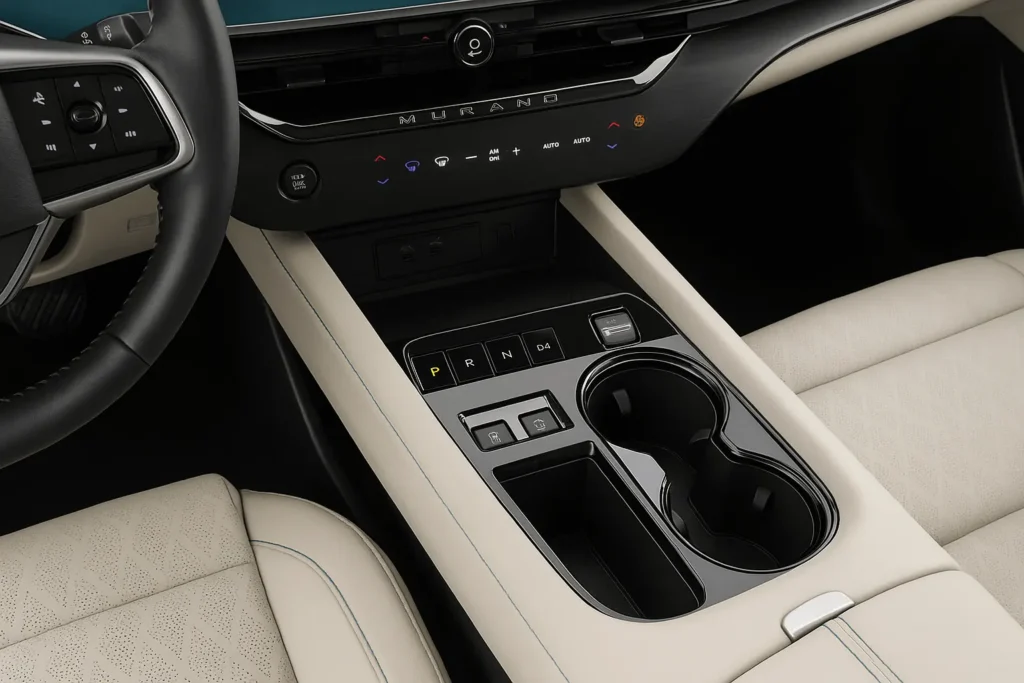
At first glance the cabin gives off a stylish lounge vibe, and the more time I spend in it, the more it feels like a mini luxury-brand loft on wheels pulling double duty in the family hauler role. The dashboard has a calm simplicity, with a horizontal sweep, flush screen, and touch-sensitive controls that keep the visual noise low while still letting old school folks like me actually use real buttons and knobs. Soft ambient lighting quietly illuminates the panel edges and door cards, and the blue-gray two-tone theme makes the whole interior feel airy, modern, and solidly upscale. At first I was surprised how premium it all felt coming from a mainstream Nissan crossover, but the mix of materials and design honestly lands close to Lexus RX territory from a few years ago. Who expects this segment to feel this upmarket? The look is properly attractive, the character is almost chameleon-like, and the overall appearance sits comfortably a step above the usual family SUV crowd, leaving a very strong first impression.
Settle into the front seats and the brand’s Zero gravity inspired chairs live up to the hype, with thick foam and a generous cushion that stay comfortable even on long highways stints or a full day of driving. My Platinum tester piled on heated and ventilated fronts, light massage action, power-adjustable everything, and leather or leatherette upholstery that looks properly well-appointed. The perforated surfaces and diamond-stitched patterns look downright lovely and scream high-end without trying too hard, and the touches of genuine wood give it real class. I ran a test over a trip of more than three hours and climbed out feeling oddly fresh, with my spine still supported, which is a rare result for my back. The steering wheel is a tidy two-spoke piece, the switchgear has a nicely damped finish, and the whole driving position just seems to fit a wide range of body types. Storage is standard crossover fare with a near infinite number of cubbies, and overall ergonomics are clean, cohesive, and generally refined once you get past the short learning curve of the infotainment function layout.
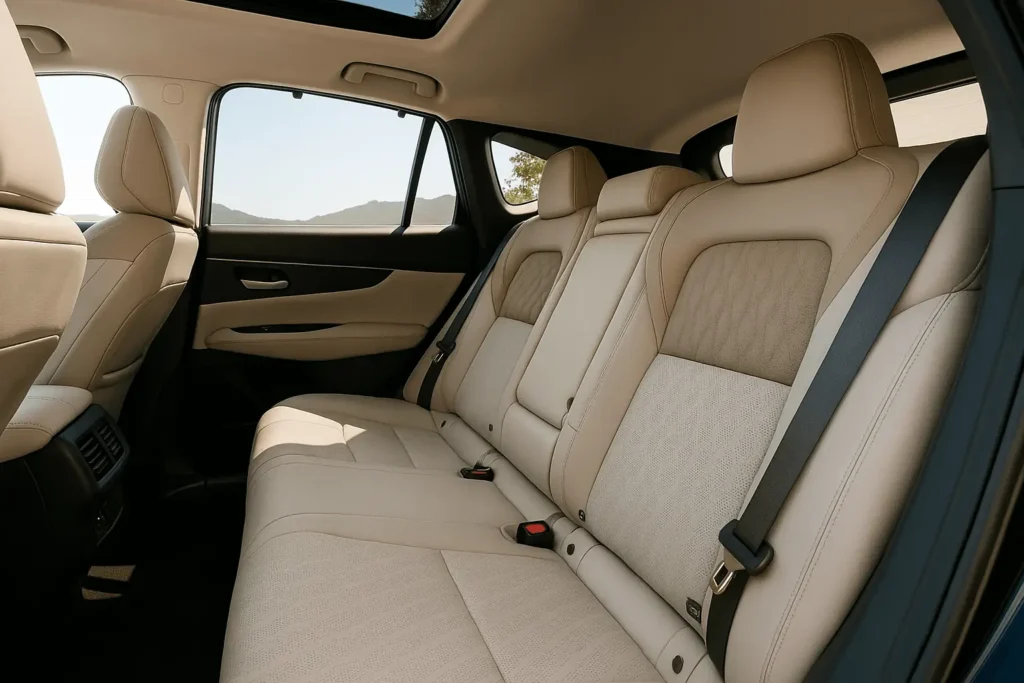
Row two keeps the good comfort story going. The rear rows are genuinely roomy for real adults, with wide cushions, plenty of legroom, and a generous recline angle so people can actually nap instead of merely suffer. The backseat slides and reclines enough that I nearly passed out on the last late night airport trip, helped along by properly placed vents, air that stays cool without blasting, and a quiet, well insulated cabin that shrugs off road noise on broken highways. Seat supportiveness stays strong even after a full LA slog, and the endurance of the foam and bolsters makes this a legit road trip vehicle for everyday life. Even the base trim gets decent upholstery with unicolor cloth, while the top range-topping spec and well equipped SV add plush padding, soft touchpoints, stylish stitching, color-shifting accents, and a few dark aesthetic tricks that would not look out of place in a Toyota or Lexus showroom, giving me mild dealership flashbacks. Thoughtful details like rear vents, seatback pockets, and a mostly flat floor are small but genuinely appreciated when you are shuttling messy kids or tired coworkers, and hopping from the back of a Rogue, Ariya, or Venza into this Murano makes you instantly feel how much wider and more relaxed this space is.
It is not perfect, and my tester did reveal some faults. A bit of hard plastic on lower surface areas, especially around the dash panel and door pockets on lower trims, undercuts the otherwise beautifully well-appointed vibe, and a couple of protruding pieces of switchgear feel slightly clunky when you poke them. The glossy console can be distracting in bright sun, and you will definitely reach for a cleaner after snack duty, but the overall styling and aesthetic still feel sleek, inviting, and impressively consistent with this year’s 2025 model. I love how the configuration of the dashboard keeps the screen slightly lower for better concentration, how the climate controls stay physical with big knobs and clear temperature readouts rather than burying everything in some fake Gravity sim, and how the seating configuration and rows spread across the cabin in a way that feels naturally compact yet surprisingly roomy. Factor in heated and cooled options on higher trims, the genuinely nicer ambiance than many hybrid-only rivals in my perspective, and the almost standard feature set of touch-sensitive buttons, upmarket lighting, and quiet rides, and you end up with a set of real strengths in this Nissan SUV. For something that is not wearing a luxury-brand badge, it delivers a standout experience that feels worth the effort and easily plays in RX and Toyota territory from 2018 or 2021 without needing the logo to prove its aspirations.
Cargo & Practicality
Out back the rear area feels like Nissan finally remembered that families exist, so even though the numbers look modest on a spec sheet they still meet real life expectations, and the back seat is surprisingly adult friendly. You get 32.9 inches of legroom which matches a lot of smaller crossovers in this class, and the load floor sits low enough that you can slide stuff across without a gym membership. Drop the seats down and the surface goes almost flat and pretty flush, so people with real life needs can actually maximize the usable space. The rated cargo volume is 63.5 cubic feet with the seats folded, which is a nice bump over the outgoing version and makes the old model feel a bit old, like last year’s phone that still works but suddenly feels slower. Even in the standard trim the maximum layout is flexible enough for three big trips to the bulk store, and the whole thing is designed to feel a touch bigger and wider without turning into a total storage shed on wheels.
Where it gets fun is when you check the rival math. On paper an Acura RDX or Lexus RX might claim greater numbers, but in real life this setup actually holds your stuff with style instead of just being a boxier box. Usable room lies in the way the walls and tailgate angle, and here the shapes feel more about real world fitting than show floor posing, so the Rogue and Murano siblings start to feel like different answers to the same question. The rated capacity and towing figure get a 500-pound bump for 2025, so the difference increases just enough that you notice you can haul that extra 1 small bike rack or a couple of extra suitcases without drama, even if you are still well under the few thousands of pounds some trucks brag about. Think of it as a practical sweet spot where front trunk shoppers would never dare go, trading gimmicks for a bay that still feels maximum when you are counting actual bags and dollars.
Tech & Connectivity
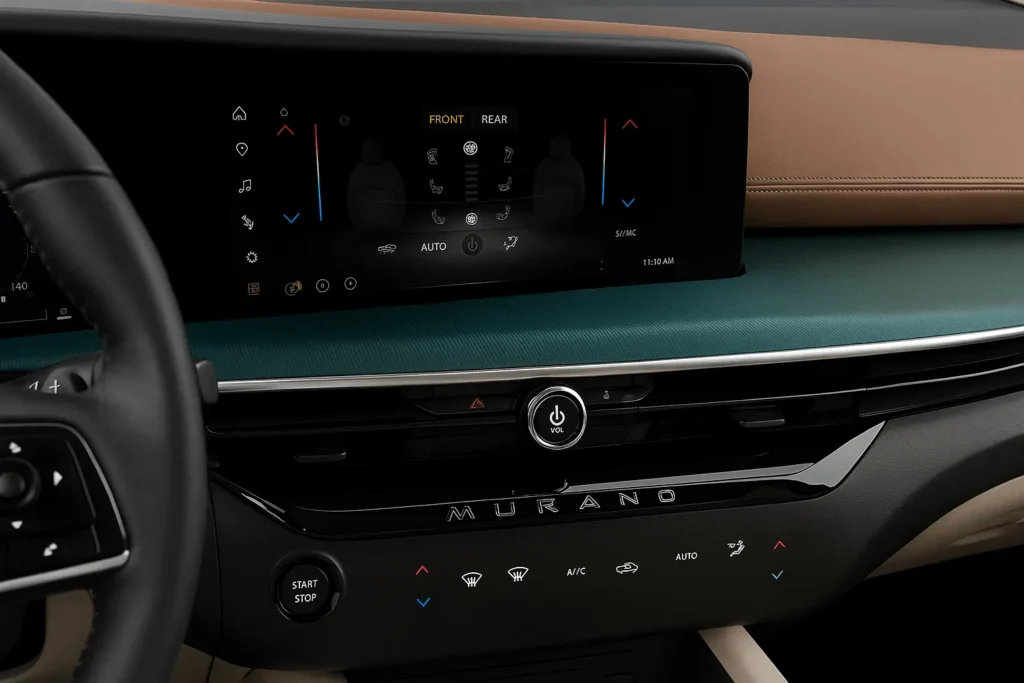
You sit down in the driver seat and the whole interior instantly tells you this thing has been on a tech cleanse. The larger central touchscreen teams up with a digital gauge cluster and screens that finally look properly upscale instead of bargain bin mainstream. The top Platinum trim gets a 12.3 inch infotainment system running Google based software with crisp graphics, while lower trims no longer suffer with that sad little 4.3 inch in dash display because it now has an updated unit too. Fonts stay small but clear, the icons are neatly color coded, and the whole thing glows with tasteful ambient lighting that can cycle through 64 color presets and matching themes. You can tune customizable layouts till you are bored, admire the fake wood like trim pretending to be premium, and notice how the instrument layout stays identical across Nissan trims so your core habits actually transfer instead of feeling wrong every time you hop into a different model.
Tap the screen once and the Functionality actually feels modern 2025 instead of leftover previous gen rental car. It is responsive, properly quick, and every tap gets a tiny haptic nudge for satisfying feedback. Wireless Apple CarPlay and Android Auto run flawlessly, connecting your smartphone in the background while navigation pulls in satellite data and SiriusXM plus good old radio keep the soundtrack going. You have USB C ports front and rear, wireless charging on the pad, and a solid hotspot riding on wi fi so multiple phones can use the car as a rolling battery bank. There is Amazon Alexa style voice assistant support, Play Store like applications, and Built In Google based brains that make the whole system feel nicely standard rather than some oddball experiment. The steering wheel uses a twin spoke design with plenty of room to grip, the buttons mix physical and capacitive types, and the cluster plus head up info strip show climate numbers, fan speed, temperature and air conditioning details without drowning you in cumbersome menus. It all feels like an industry wide approach that adopted the good ideas from Infiniti and friends instead of reinventing the software wheel just for bragging rights.
Of course there is at least one gripe because nothing techy ever arrives without a minor annoyance. The touch controls for climate and fan speed can feel a bit frustratingly jumpy, some capacitive buttons on the steering wheel overreact to lazy thumbs, and a few settings hide features like active noise cancellation and massaging seats deeper than they should. At least you still get physical knobs for temperature and air conditioning, a central strip that replaces the worst of the old layout with a redesigned interface, and most of the fun stuff remains available where you expect it. Upper Platinum and SL trims pile on ventilated and heated front seats, pleasantly upscale rear comfort, a Bose stereo with 10 speaker punch instead of the base six speaker unit, and an immersive cabin sound that pairs with active noise cancellation to hush the engine. Between the softly glowing ambient lighting, hands free tricks for the power liftgate, decent in car applications, tidy onboard operating tweaks, sensible adjustments for different levels of driver conditioning, and a generally easy tech experience, the whole suite of gadgets feels more helpful than showoff. It is not perfect, but the tech in this 2025 Murano Nissan finally corrects most of the old complaints rather than adding a fresh list of things that make you want to throw your smartphone at the screens.
Safety
From the moment you settle in, the safety vibe is baked in, because most of the good stuff is standard, so you do not have to play option sheet bingo. The core suite of features wraps around you like invisible bubble wrap, with Nissan Safety Shield 360 watching the road and rear while adaptive cruise and Traffic aware control quietly clean up your mess on the highway. You get automatic emergency braking, pedestrian detection, blind-spot monitoring, rear cross-traffic alert, and high-beams that actually behave, plus a slick camera setup that gives you a 360-degree view so you can see the nose, hood, and lurking curbs that used to be out of sight. The latest ProPilot Assist hands-free driving mode is the sort of advanced driver-assistance tech that lets you relax a little while the car traces a curve and follows lane-keeping cues from the navigation system along a busy highway.
The National Highway Traffic Safety Administration and the Insurance Institute for Highway Safety have not finished the full crash-test ritual for this redesigned Murano yet, but the safety data trickling out plus what we have seen on official websites makes me pretty confident. I always scroll straight to the NHTSA stars and IIHS results to prepare for worst case scenarios, and this lineup looks set to do well once every version and all the trims from SL to Platinum are fully rated, each one sharing the same electronic assist brain watching your lane.
Behind the scenes you have automated lane keeping and lane-departure warning, extra alert chimes for rear obstacles, automated braking support, clever see-through nose view tricks, and even Traffic sign detection helping you stay honest when your right foot gets enthusiastic. Even at slow speeds in a parking lot, the mix of available aids and ProPilot steering nudges keeps you in check so you do not zone out. It is the kind of safety suite that makes long cruise sessions feel less tiring, especially when you lock in navigation guidance and let the adaptive bits babysit while the modern Nissan tech quietly has your back.
Warranty and Maintenance Plan
In this segment, the warranty game is basically a flex contest, and rivals like Kia Sorento and Santa Fe roll in with a 10-year powertrain warranty that stretches to 100 000 miles and makes my inner cheapskate slow clap. Is it class leading Not when those two are around. The Murano sticks with Nissan norms, so you get a 5 years or 60 000-mile powertrain warranty plus a 3 years or 36 000 miles limited warranty that covers the usual bits, which is fine but hardly segment beat material when the Koreans offer clearly longer coverage. Still, the overall package is solid enough that most real world owners will be long out of the loan before the car is out of the warranty.
At least the roadside assistance is there as a quiet backup singer, with 24 seven coverage for the first 3 years covered under standard plans and a policy that is technically nontransferable, which is less than thrilling if you like flipping cars every 2 years just to keep your social feed fresh. There is no real complimentary scheduled maintenance baked in, which would have been genuinely noteworthy, but the core bits are still covered well enough that I would not lose a single mil of sleep over it, especially when you remember most people never actually use half the stuff their warranty covers anyway.
Final Verdict
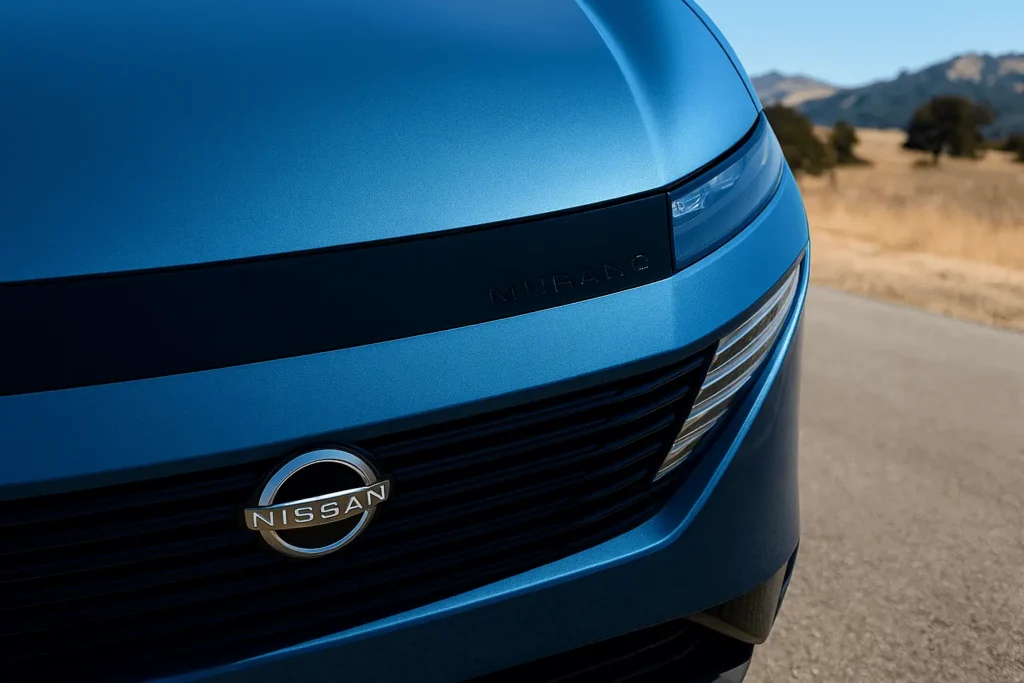
From the moment I start fiddling with the controls, the verdict leans strong toward easy living, with a minimal dashboard that lets your brain break from clutter and just enjoy the view of roadside trees and the soft comfort of the seats. As daily transport the boost is that this option of a family crossover keeps quietly updating what matters, smoothing over old limitations and sharpening usability, so this year and the last I am genuinely impressed with the way it keeps you in the right line and direction, turning curious heads with just enough premium sheen for the money. The real result is a lush cabin that is incredibly calm even in a competitive commute, letting you climb in after work, ignore the slightly bulbous nose, cruise at everyday speeds, and let it excels at soaking up noise while your playlist and your own pictures and compelling podcasts fill the hours, helped by decent responsiveness through the screen, acceptable if not fancy materials that never feel truly expensive, and enough space that four passengers and their weekend gear will not test its capacity; it simply feels like a well sorted, mature Murano with calmer styling and real improvement where it counts.
Out on the road the value story gets clearer, because the modern tweaks and quiet updates mostly aim at making the ride calmer and the cabin nicer, not chasing bragging rights on mountain passes, even though it will happily point its nose toward the mountains and just go. Are there flaws? Sure, nothing is perfect, and a glance at the window sticker with its mid 100 thousand range in local currency before sale incentives might make you wonder if this segment can really justify such a family car feeling this luxurious and only slightly more stylish than before, with a tag that keeps Nissan in the mix but will not start price wars. Yet as the week grows on you, the once drab bits start to seem more polished, this generation of V6 engine feels familiar but well covered for most of the market, and cruising by Lake Arrowhead you notice how the mix of gentle fine-tuning, surprisingly attractive seats, and the simplest kind of relaxed, low stress feelings adds up to a quietly beautiful, almost calculated focus on comfort first, with enough tech, thoughtful design, and an efficient layout that never feels compromised or dull when you actually drive it inside a long commuting grind, helped by a cohesive style that never shouts but also never bores.
If you came here chasing the latest spec sheet brag point, this powertrain and its relaxed pace might feel a little outgoing in a world of turbo everything and superhero trailers, but give it time and its distinctive calm starts to feel better suited to a family SUV that spends more days inching forward at a snail’s crawl than storming up a canyon road. From the wheel you look out over a cabin that stays smooth and cushioned, and while this model 2025 will never be the most powerful thing in the lot, the overall tuning makes it a smart choice for buyers who value real world refinement over drama, turning the whole product into a kind of quiet star that never feels weak or strained even when the revs are low and traffic is stacked for miles. Factor in a seriously calm, almost whisper-quiet cruise, plenty of family friendly features, decent cargo space, and a cabin that still feels luxury enough for a business trip hotel run, and suddenly the price starts to make sense; it is a pretty-looking midsize contender whose obvious shortcomings on paper fade thrillingly in daily use, as its easygoing acceleration, long term economy on fuel, and sense that this thing orbits just outside the main hype orbit make it feel less like a desperate upgrade grab and more like a calm, grownup keeper in a crowded SUV field of the last decade of crossovers and whatever new fashions come next.
Family UseIs the 2025 Nissan Murano a good midsize SUV for daily family use?
Fuel EfficiencyHow does the 2025 Nissan Murano perform in terms of fuel economy and real-world driving?
Interior & SafetyWhat are the standout interior, tech, and safety features of the 2025 Nissan Murano?
| SPEC | DETAIL |
|---|---|
| Engine | 2.0-liter VC-Turbo DOHC 16-valve inline-4 (turbocharged, variable compression engine) |
| Drivetrain | Front-wheel drive (FWD); optional all-wheel drive (AWD) |
| Power / Torque | 241 hp @ 5,600 rpm / 260 lb-ft @ 2,000–4,800 rpm |
| 0–60 mph | ~7.3 seconds (FWD, estimated) |
| Top Speed | 125 mph (electronically limited) |
| EPA Fuel Economy | 21 city / 27 highway / 23 combined mpg (FWD & AWD similar ratings) |
| Real-World MPG | ~22–25 mpg combined (tested average) |
| Fuel Tank | 19.0 gallons |
| Transmission | 9-speed automatic transmission with manual mode |
| Suspension | Independent MacPherson strut front / independent multi-link rear |
| Brakes | 4-wheel disc with ABS, EBD, and Brake Assist |
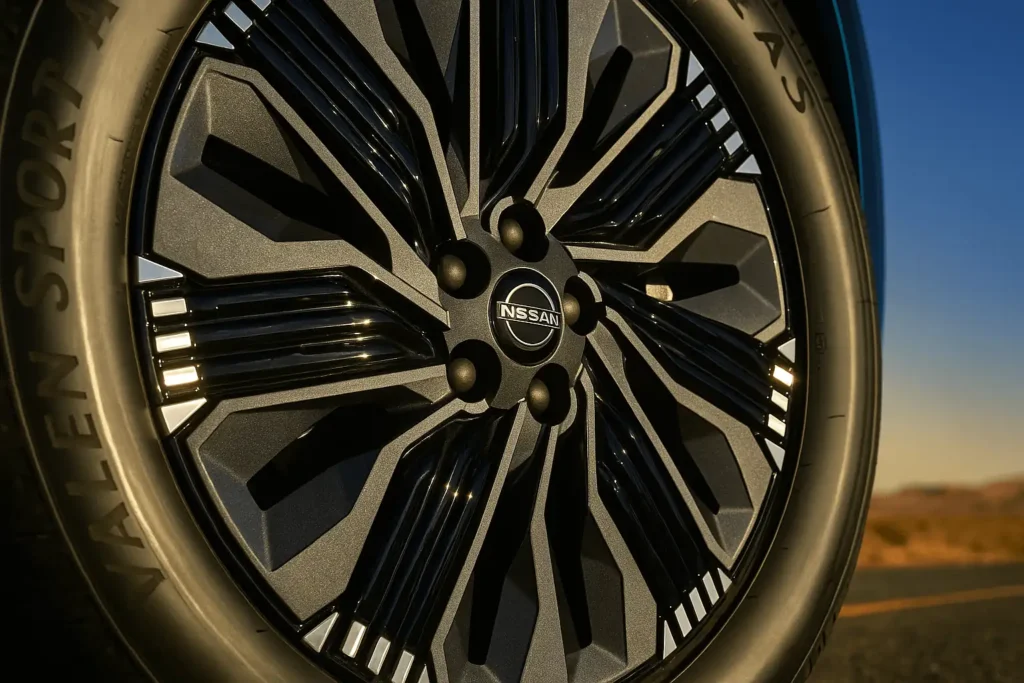
| Wheels / Tires | 18- to 20-inch alloy wheels (depending on trim; all-season tires) |
| Curb Weight | 3,950 – 4,150 lbs (varies by trim and drivetrain) |
| Towing Capacity | Up to 1,500 lbs (FWD) / 2,000 lbs (AWD, when properly equipped) |
| Author | Hafiz Sikandar, automotive journalist and editor at VyoCar. |
|---|---|
| Expertise | Reviewing midsize SUVs and crossovers since 2016, with a focus on long-term comfort, real-world performance, and daily drivability in mixed city and highway conditions. |
| Focus Areas | Turbocharged four-cylinder and all-wheel-drive SUVs, family-oriented practicality testing, and comparative evaluations that highlight interior quality, ride refinement, and user-friendly technology. |
| Disclosure | The 2025 Nissan Murano was a short-term press loan provided by Nissan North America. The manufacturer had no involvement in the review process, content decisions, or final evaluation. All impressions and test results are based on independent assessment conducted over a full week of urban and highway driving. |
This Post Has One Comment
Pingback: 2022 Acura RDX A-Spec – Is This the Best Sporty SUV?