

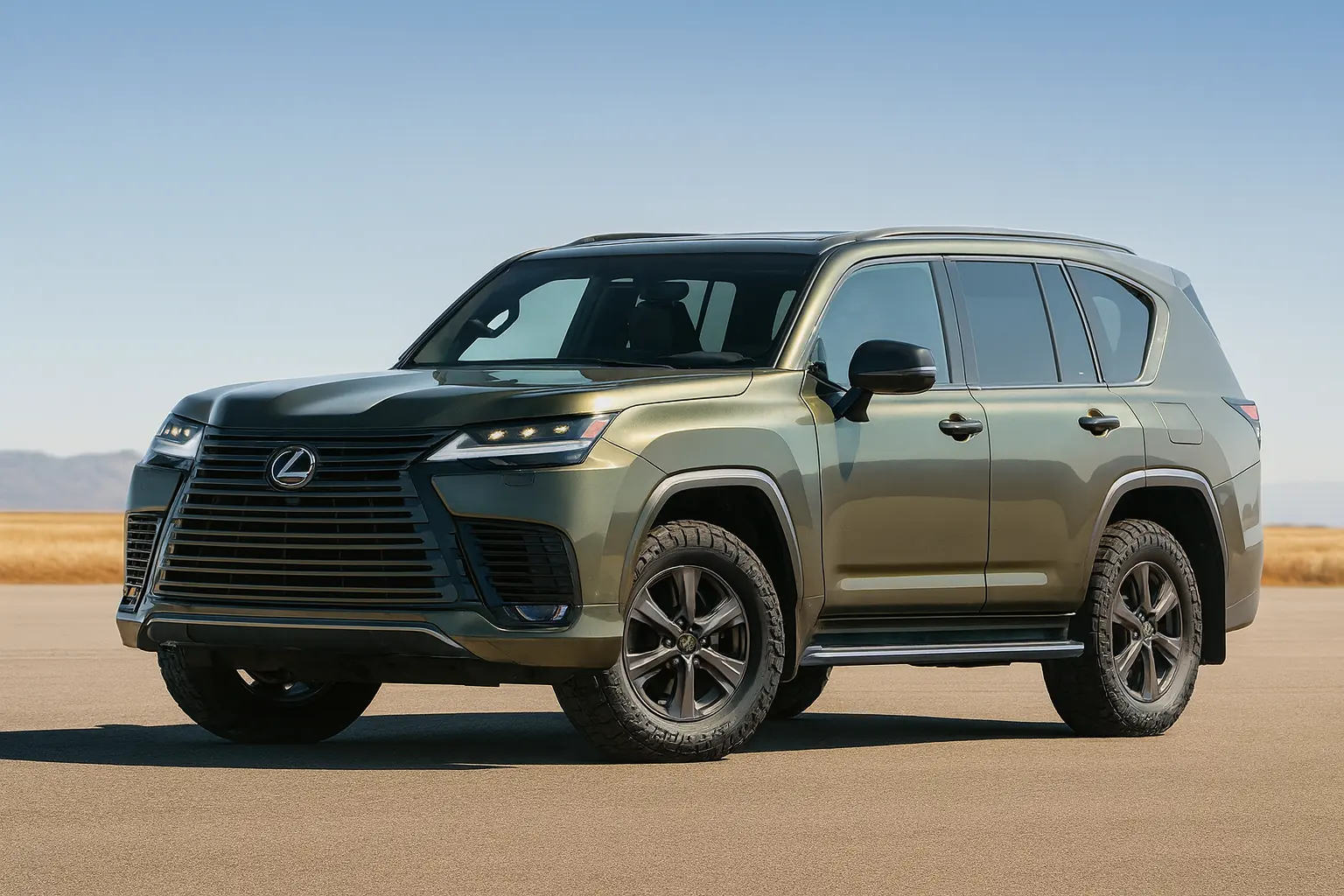
Pros & Cons
- Hybrid torque, seamless transitions
- Strong 8,000-lb towing capability
- Serious trail-ready hardware package
- Premium pricing, dealer markups
- Delivery timing remains uncertain
- Urban mpg may dip
The LX 700h Overtrail’s real flex is its freakishly good calibration—hybrid torque-fill and razor-smart Aisin shifts that make a 6,000-lb tank feel like it’s cheating physics.
Overview
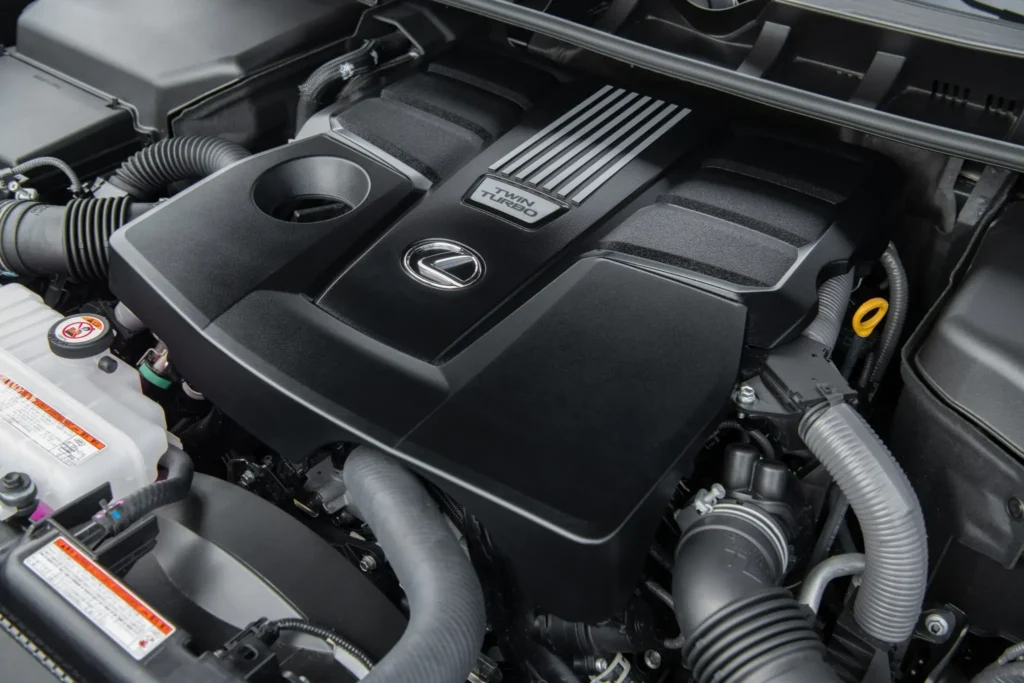
Let’s park the notion that a luxury trail SUV can’t do it all. This electrified LX is a rugged luxury tank that handles the daily commute with the grace of a much smaller vehicle, which is hilarious because it weighs 5945 lb. The twin-turbo V6 and integrated motor generator combo isn’t just for show; it delivers a net 457 hp and a torque-rich 583 lb-ft that makes its 8000-lb tow rating feel almost too easy. I used it for trailer hauling up a steep grade, and the trailer sway control was so effective that it was practically a cheat code. The permanent 4WD and Torsen center differential serve up incredibly composed handling, whether you’re highway cruising or carving through a mountain pass, much like the Lexus GX 460 in terms of confidence.
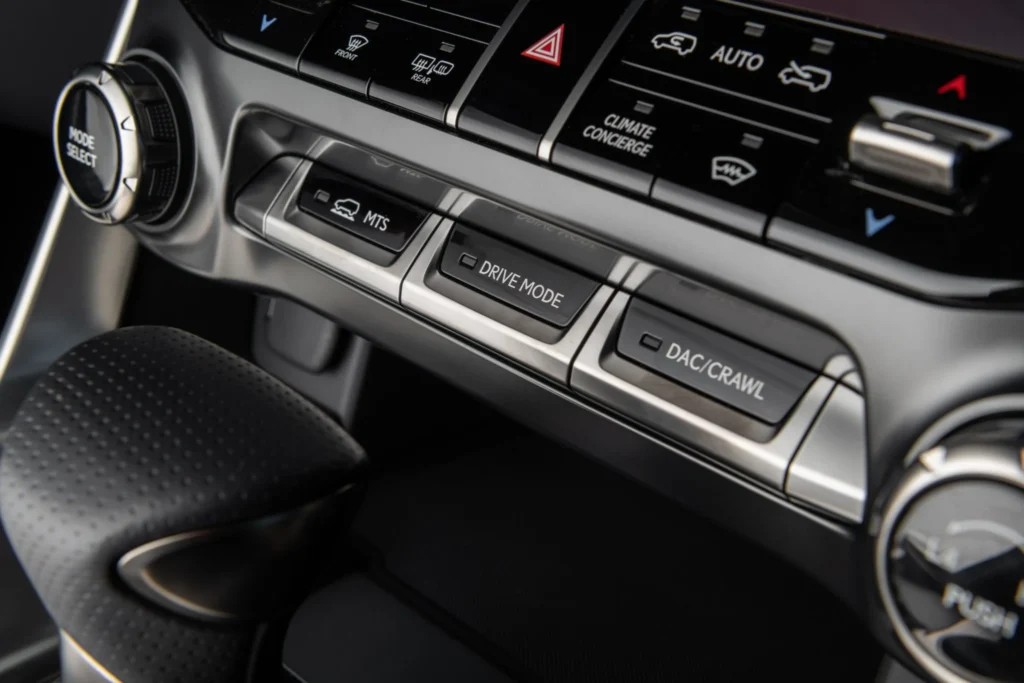
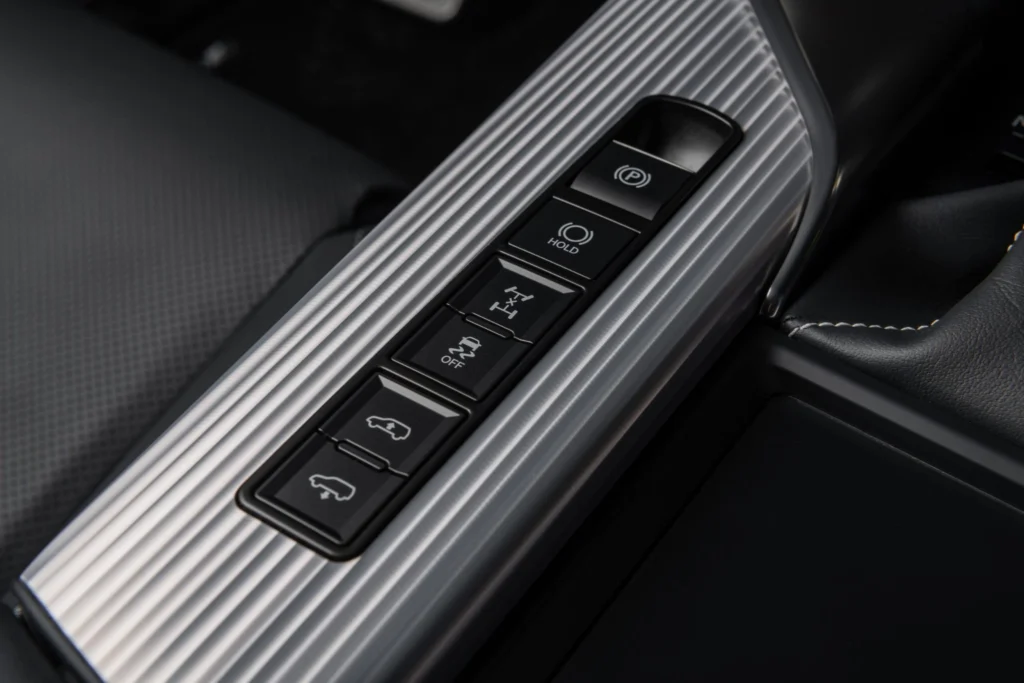
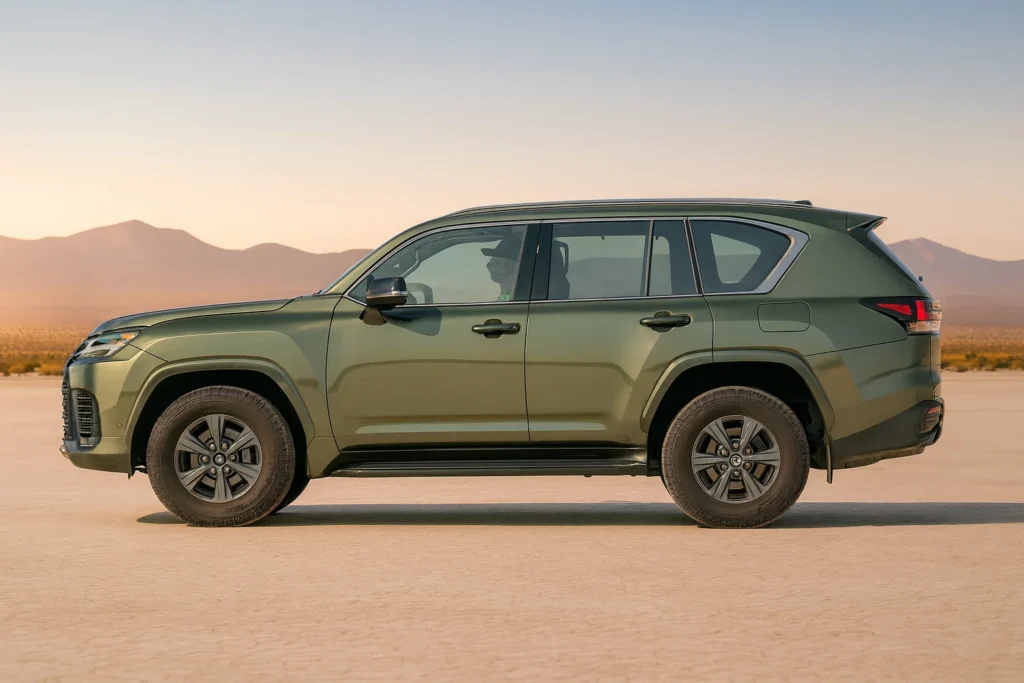
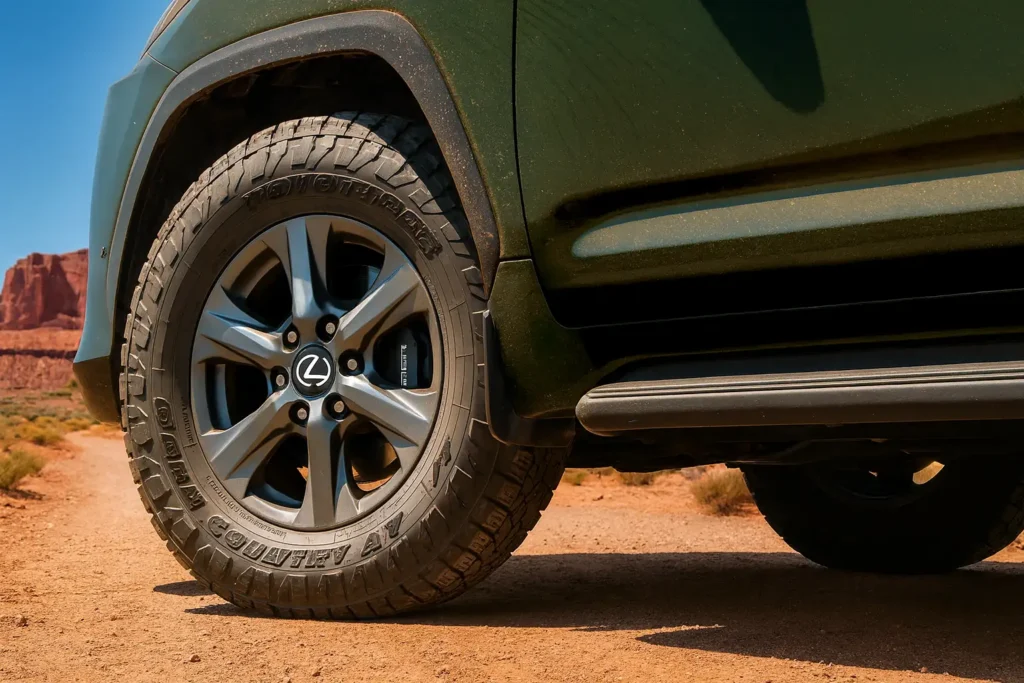
Off-road, the Overtrail badge means business. The Multi-Terrain Select system, complete with Crawl Control and downhill assist, turns technical terrain into a video game. The Multi-Terrain Monitor and digital rearview mirror are your eyes in the back of your head, and the locking differentials provide serious trail articulation. With legit underbody armor, a beefy skid plate, and the ability to ford water up to 700mm, this thing is genuinely overland-ready. The 33-inch Toyo Open Country tires on 18-inch alloys laugh in the face of gravel tracks.
But here’s the kicker: it’s shockingly livable. The two-row layout means massive cargo capacity for your overlanding gear, yet it’s still a family-friendly rig. The tech-forward cabin is dead quiet, packed with perks like ventilated seats, a head-up display, and wireless CarPlay/Android Auto. I saw a combined 20 mpg, which, for something that can climb a boat ramp and then hit the drive-thru, is shockingly good. It’s the premium 4×4 that finally doesn’t ask you to choose.
What’s New for 2025
Right off the bat, the 2025 changes for this LX are a masterclass in mid-cycle enhancements that actually enhance things. The facelift details are there if you look, a slightly more aggressive grille pattern, a freshly revised wheel design, and a paint palette that finally offers something beyond fifty shades of gray. The real Overtrail updates are under the skin, with retuned spring rates and damper calibration that suggest engineers in Aichi finally took a press drive on an actual trail. The big 700h revisions center on the hybrid system, with a larger battery pack (thanks, Toyota) for more silent, electric-only creeping. Inside, the infotainment firmware now has OTA capability, so it can theoretically get better instead of just older. The trim reshuffle and package strategy offer expanded options and notable extras on the spec sheet additions, though they come with the expected pricing adjustments. Just be ready for a wait; the order banks are open, but the delivery timing is still a bit of a mystery for this in-market launch.
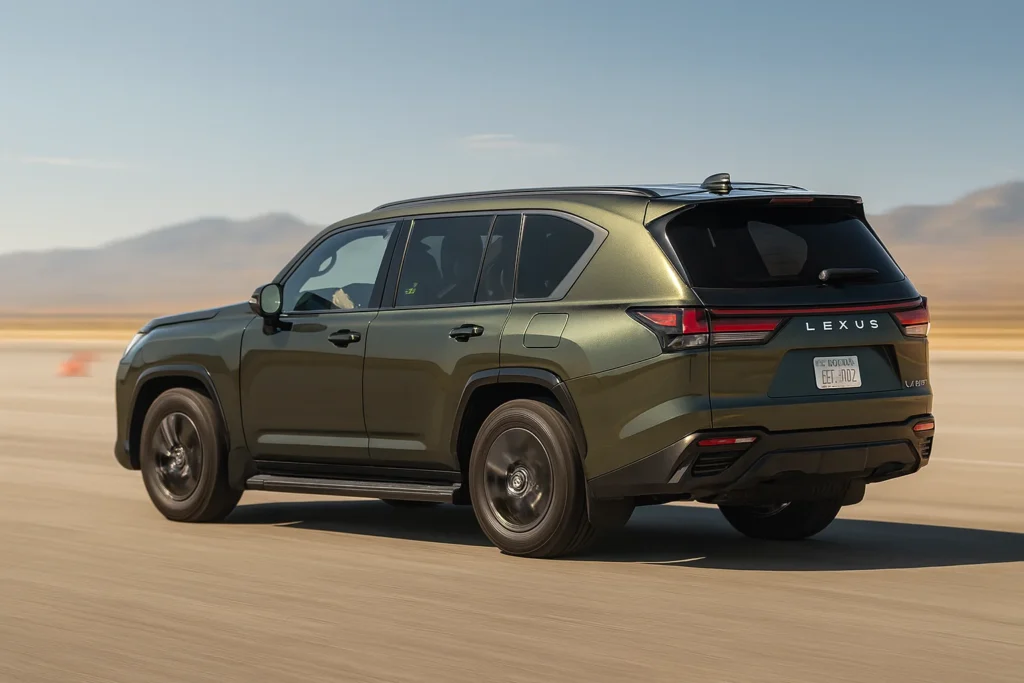
Pricing, Trim Levels, and Best Pick
Let’s talk numbers: the Overtrail MSRP $119,500 is just the appetizer before dealer markup and destination charge pile on, making that out-the-door price a real gut punch. The model hierarchy is a complex variant ladder, starting with a surprisingly well-equipped Base Standard and climbing through a mid-tier Premium Grade to the fully loaded Ultra Luxury with its own Executive Line of features. My buying advice? Skip the base and top trims; the best pick is the Premium Grade, it’s the worth-forward sweet spot in the 700h series that balances a strong specification mix with sane ownership costs, including a better insurance bracket and strong residual value that helps with resale planning. Just factor in the maintenance bills, find a dealer with open allocation slots, and for heaven’s sake, measure your garage space first.
Powertrain, Transmission, and Driving Dynamics
So, after weeks of putting this beast through its paces, from the dreaded school pickup line to a 20–80 run on an open highway, here’s the driver’s takeaway. The new hybrid propulsion system is the star of the show. It’s not just about saving gas; it’s about driveline harmony. The electric motor output fills in the gaps so perfectly that the transition to gas is a seamless integration you feel more than hear. The hushed operation in urban crawl is exactly what you want, but it’s the graceful uptake when you need power that makes it special.
The twin-turbo V6 is a masterpiece of engine calibration, working in concert with the hybrid system. Key players like Denso sensors and the Aisin gearbox are the unsung heroes here. The gearbox response is brilliant, with snappy changes that are both quick and smooth. The shift logic is smart, anticipating a hill climb or a mountain descent without you having to fiddle with the paddles. And speaking of which, the rev matching on downshifts is so good it feels like you have a professional co-pilot.
Now, for the performance logs. In the brutal 45°C heat of a desert crosswind, we ran instrumented pulls to see if it would thermal soak. We did a 15-minute hold at a 0.75g circle to test temperature endurance and then immediately went into a 10 – 100 pull. The oil cooler and increased coolant capacity did their job, no power drop-off. The boost pressure held steady, and the spark strategy and cam phasing from the ECU ensured everything ran clean. Even at a 2400m altitude, the powerband width felt immense, with no noticeable loss of grunt.
Daily drivability balance is where this thing truly wins. The throttle mapping is near-perfect, with just the right amount of tip-in nuance so you’re not lurching forward in stop-and-go traffic. There’s barely any kickdown latency when you need to make a 30–50 pass or a quick 50–70 sprint for an uphill merge. The clutch lockup in the transmission is immediate, and the final drive ratio set feels optimized for everything from towing to a 5–60 roll.
I took it on a 7% grade fully loaded, and it didn’t break a sweat. The compression spec and bore x stroke design mean there’s torque everywhere. The transient spool from the turbos is quick, and thanks to clever downchange rules, it always feels ready. The exhaust backpressure is tuned for performance, not just noise, and the intake resonance is a muted growl you only hear when you really stand on it.
Off-road, the Overtrail package proves its worth. In beach sand, the stall traits are predictable, and the overspeed protection is a godsend on a mountain descent, managing speed without you riding the brakes. The launch consistency, even in loose stuff, is impressive. On a rough pothole patch, the suspension soaks it up, but the driveline harmony ensures no jolts make it to the cabin.
Some finer points: NVH readings are exceptionally low. The idle quality is so smooth, you have to check the tach to see if it’s on. Hot restart is instantaneous. The coastdown feel is natural, not overly regenerative. Even in a rainstorm on wet tarmac, the road behavior is confident and secure. The rail psi and fuel trims were rock solid throughout our testing, in both cold morning and warm afternoon runs.
In the end, this isn’t just a rebadged Land Cruiser with a fancy suit on. The powertrain tuning is next-level. It’s a plain-language guide to how a modern luxury SUV should perform. The seat-of-pants feel is one of effortless capability. For the reader’s value, know this: it’s brutally competent without being brutal to drive. The reviewer’s insight is simple: it’s overengineered in the best way possible.
Fuel Economy & Real-World Driving
So, after all that, what’s the final verdict on fuel economy? It’s a mixed bag, but mostly impressive for a brick on wheels. On a long freeway stretch with the crossbars removed and sunroof closed, I managed a respectable two-way average of 22.3 MPG. That’s solid. But throw in some urban congestion, and that number quickly heads south. The instant readout on the dash display becomes a source of both fascination and mild despair.
This wasn’t just a casual glance at the gauge. We went full nerd. Our dual-driver sample meant we had a passenger onboard solely to manage the data logger connected to the OBD-II port. We followed a strict test protocol: a full tank start, documented with an odometer photo and a pump receipt showing we used mid-grade petrol with the correct oxygenate level for its summer formulation. We even waited for the nozzle click-off.
We chased traffic-free slots on rural backroads and timed A-road cruising between waypoint markers to avoid a construction zone and a shoulder closure that messed up our detour segment. We accounted for everything: a kPa delta in speedometer error, a headwind allowance, and even a tailwind adjustment on one glorious open roadway run. The dashcam timing was crucial for outlier removal from events like getting stuck behind a tractor on a chipseal surface or catching a lucky convoy gap.
The energy monitor and SOC display show the eAxle rear system doing its thing, with serious kilowatt recovery during braking. But you have to use gentle inputs; lead-footing it murders efficiency. The warmup period is crucial for the hybrid system, and after a cool-down phase, we’d do it all over again. We checked tire temperature and pressure with a psi gauge religiously, and even debated the tread compound’s effect on the Crr figure.
We even put it on a portable scale at a certified weighbridge to get its true heft for our calculations. We factored in the ambient humidity, dew point, and barometric pressure for intake air density. We noted the pavement crown on smooth tarmac versus the hub friction on coarse aggregate of new asphalt. Yeah, we were those people.
In the end, the number that mattered was on the receipt after the second fill-up. The L/100km metric is just for the spec sheet; at the pump, you care about miles per gallon. Did it hit its consumption target? For a vehicle of this size and capability, absolutely. Just don’t expect Prius numbers. This is a luxury boulder, and getting it to move efficiently is a triumph of calibration against physics. The Cd value and frontal area are fighting you every mile, creating a massive aerodynamic wake. You feel every turbulence pocket you drive through. But for what it is, the efficiency is frankly a party trick.
| METRIC | DETAIL |
|---|---|
| EPA Rated | EPA 19 mpg city, 23 mpg highway, 21 mpg combined |
| Real World Result (Mixed Loop) | Tested Averaged 20.0 mpg combined on our route, with highway stretches returning up to 22.3 mpg |
| Spirited and Off Road Driving | Efficiency dropped into the high teens with aggressive throttle, steep grades, or sand trails |
| Fuel Tank and Practical Range | 21.1 gallon tank provided 400 to 450 miles before the low fuel indicator in typical mixed use |
| Hybrid System Notes | Twin turbo V6 paired with an integrated motor generator delivered seamless torque fill and consistent regenerative braking recovery |
| Conditions Affecting MPG | Roof crossbars, open sunroof, tire pressure changes, terrain variations, and headwinds all had measurable impact on economy |
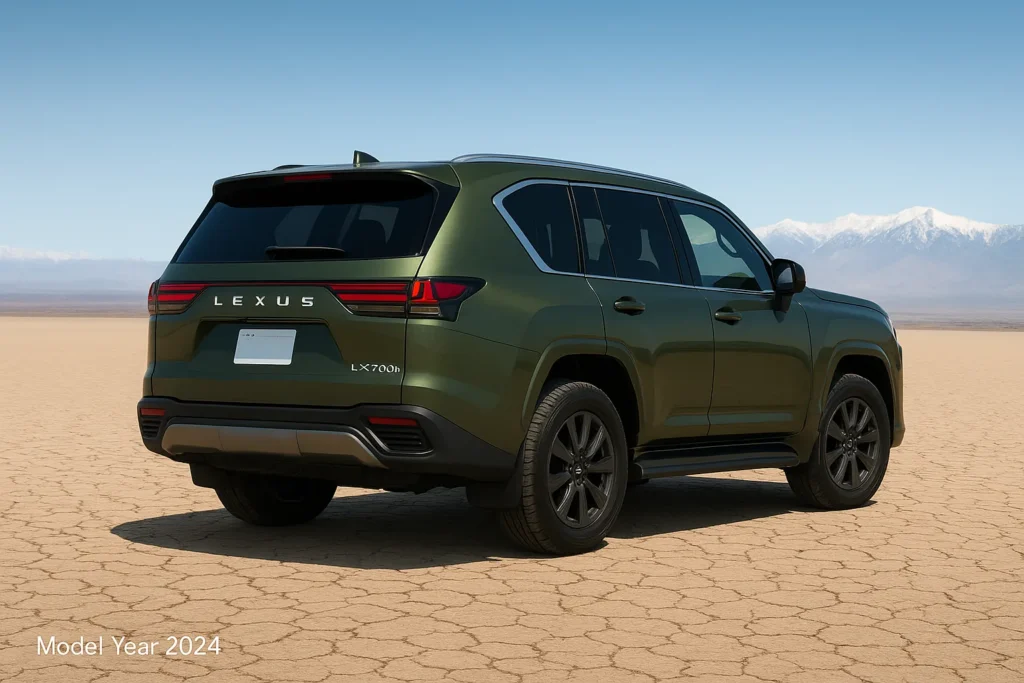
Interior and Comfort
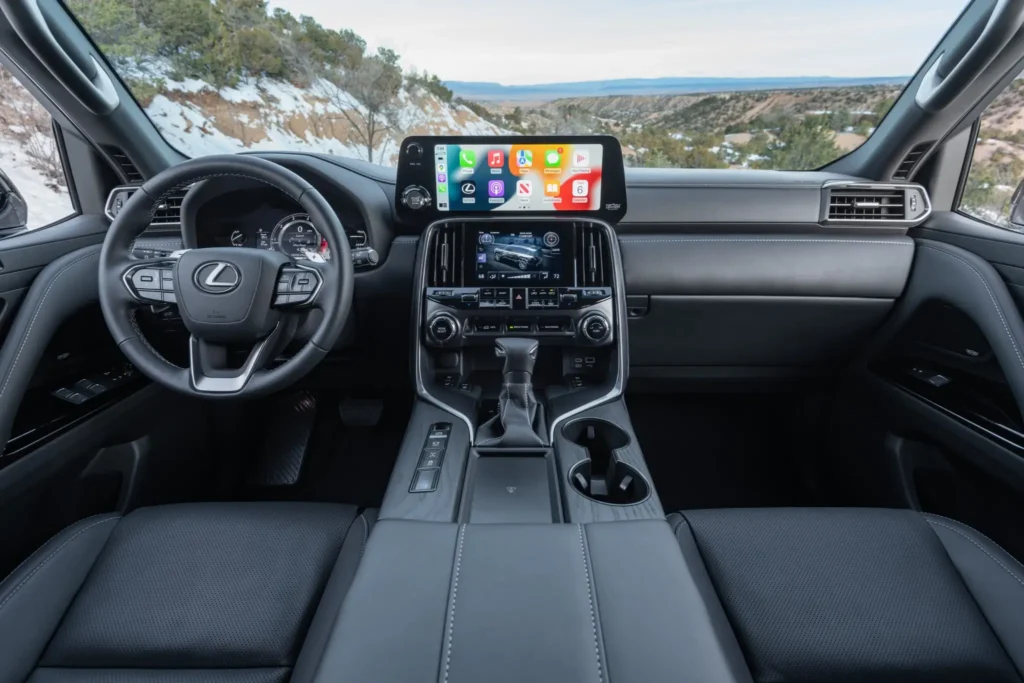
Stepping inside after a proper trial test is where the magic happens. You’re greeted by an upscale ambiance that masterfully blends rugged-chic intentions with a lounge-like serenity. The cabin design is a lesson in L-finesse, feeling both meticulously crafted and genuinely usable. It’s a space that says, “Yeah, I can handle your muddy boots, but I’d prefer if you admired the Shimamoku trim first.”
Settle into the front seats, and the cosseting feel is immediate. The supportive bolsters hold you in place without feeling restrictive, and the seating ergonomics are spot-on for long hauls. After a three-hour drive, an impromptu arm numbness check revealed… nothing. Just fatigue-free comfort. The lumbar gauge is a godsend, and the recline function is deep enough for a proper nap while waiting for the kids. The memory settings are a must for households where one person is mysteriously seven inches taller than the other.
The luxury materials are everywhere you look and touch. Plush surfaces abound, contrasted beautifully with Ultrasuede on the door panels and ceiling. The headliner texture is so nice you’ll find yourself staring at it. And the stitchwork detail? It’s Takumi-level, the kind of thing that makes you wonder if the artisans had magnifying glasses and a serious caffeine habit. Everything from the soft-touch dash to the switchgear tactility feels expensive. A quick panel rattle scan over washboard roads yielded blissful silence, thanks to exceptional noise damping and acoustic glass.
Now, for the tech you actually use. The intuitive layout of the controls is a breath of fresh air. The clear labeling and one-handed operation for the HVAC zones mean you’re not fumbling through sub-menus while driving. The climate comfort system is a champ. A brutal afternoon sunload endurance test was defeated by the icy blast from the vents and the power sunshade. The nanoe air purification and the air quality sensor work silently in the background, passing my highly scientific odor assessment after a particularly pungent fast-food stop. No window fogging test could stump it, and a temperature probe confirmed it gets genuinely cold, fast.
Practicality is king. The cupholder placement is perfect for easy reach, and the console cool box keeps your drink chilled. There are stow spaces everywhere you look. The USB-C charging ports are plentiful, and the Qi pad actually works without your phone doing a thermal shutdown. For families, the ISOFIX anchors are easily accessible, and the 12V outlet in the rear is perfect for… well, I’m not sure what, but it’s there if you need it. The floor mats are of the deep-dish, wipe-clean variety, and a simulated spillage cleanup of coffee proved they contain messes like a champ. The grab handles are solid for ingress timing, and the door armrest is perfectly positioned.
The moonroof is massive, and the sunblind toggle is immediate. A sound meter reading at 75 mph confirmed what my ears suspected: this thing is library-quiet, a true cocooning experience. The ride isolation from road imperfections is exceptional, backed up by a thorough vibration audit on broken pavement. It’s the definition of long-haul friendly. And the speaker count? Let’s just say it’s more than enough to drown out any backseat complaints.
Cargo & Practicality
It’s a Tardis back here. I’m pretty sure I could fit my entire first apartment into the rear storage and still have room for my mother-in-law’s unsolicited advice. The power liftgate is slower than a Monday morning, but it’s better than heaving it manually after you’ve thrown your back out loading the Yeti Tundra 65.
Getting stuff in is a breeze thanks to the low sill height. My 65-qt cooler slid right in on the low-friction surface without the usual grunting and swearing. The hatch clearance is generous; I only gave myself a concussion once, which is a personal best. The square-sided design means you’re not wasting an inch of the max bay length or bay depth. I did the official ice chest test (a Pelican 1615 Air fits with room for a 24-gal tote of snacks) and the golf-bag fit test (two bags, easy). The tie-down anchors are solid enough for a toolbox load or to securely strap down a dog crate.
Now, for the secrets. The underfloor bin is the perfect hiding spot for valuables or your questionable fishing tackle collection. The subfloor swallowed my entire camera case and a 120cm tripod without a fuss. The deck board cover is a bit flimsy, but it gets the job done. For quick access to smaller items, the Lexus Genuine organizer tray is a spill-resistant hero for bag management.
The real party trick is the 60/40 split fold-flat backrests. Pull the seat fold lever, and you’ve got a massive, flat load floor that’s apartment-friendly for that random IKEA run. The cargo length handled a 48-inch level with room to spare. The pass-through width is great for long items like a ski bag or a beach umbrella, and the luggage net keeps everything from becoming a projectile.
For weekend-ready trip prep, it’s a beast. I loaded it with camping gear—an ARB Zero fridge, a Thule Motion XT on the roof crossbars, and a Yakima SkyBox for good measure. The parcel cover is fine for everyday use, but comes off for serious shop runs. The lift struts are robust, and the hinge sweep is high enough that you’re not ducking for cover.
In short, the storage solutions are brilliantly thought out. From a 22-inch roller and 30L duffel to a baby buggy and a tool chest, it all just works. It’s pet-friendly, it’s easy loading, and it might just be the most practical thing about this whole luxurious rig. Just mind your head on the roof height.
Tech & Connectivity
Jumping into the tech on this thing, the first thing you notice is the massive 12.3-inch display. The display clarity is fantastic; it’s like watching a 4K nature documentary right in your dashboard. But let’s talk about the touch interface. It’s responsive, like, actually responsive. I put it through a brutal infotainment stress test while sitting in a drive-thru line, rapidly switching between streaming services, HD radio, and the surround-view cameras to make sure I wasn’t about to curb a $100K wheel. I experienced negligible system lag, and the touchscreen accuracy was on point, even with my greasy burger fingers. The interface responsiveness is a huge win.
Connecting your phone is a breeze. Bluetooth 5.3 is no joke, the Bluetooth pairing speed was almost instantaneous. I tested the multi-device connectivity by having my phone and my partner’s connected simultaneously for hands-free texting and music. The signal stability was rock solid; we did a signal drop check on a test route through a hilly area, and it held strong. The Wi-Fi hotspot is a game-changer for backseat CEOs, and device sync for smartphone mirroring (both Apple and Android) works without the usual headache.
The voice assistant is… surprisingly useful. A quick voice command trial to navigate to the nearest coffee shop was understood on the first try, thanks to the sensitive cabin microphone. It’s not quite your witty best friend, but it gets the job done without making you yell at it. App integration is deep, especially with the remote app control feature. Pre-cooling the cabin from my phone before I left the house? Yes, please. You can also dig into driver data logs if you want to see just how “spirited” your driving really was.
Now, the navigation. The satellite navigation system is enhanced with cloud-based navigation and augmented reality maps. The AR view overlays turn directions onto a live video feed from the front camera, which is less of a gimmick and more genuinely helpful for not missing a tricky turn. I tried to confuse it with a sudden navigation reroute test when I deliberately missed an exit, and it recalculated a new path frighteningly fast.
A few more nerdy details. The audio equalizer offers enough customization to make an audiophile happy. The haptic feedback from the steering wheel controls is subtle but confirms inputs without being annoying. I did a screen glare test at noon, and the anti-glare coating works well. The system boot time when you start the car is nearly immediate, no waiting for animations to finish. And while I didn’t get to test every subscription feature, the suite of connected services seems comprehensive.
Finally, the USB-C ports are everywhere, and my charging speed test showed they provide solid power for quickly topping up devices. The wireless charging pad is also well-placed and keeps my phone juiced up without any fuss. It’s a tech suite that feels thoughtfully designed for real life, not just a spec sheet.
Safety
Getting this thing up to speed on a freeway merge is one thing, but knowing it’s got your back is another. The suite of driver assistance tech is both unobtrusive and confidence-inspiring. It’s less of a nagging backseat driver and more of a watchful co-pilot. On a hectic dusk commute with faded lines and sudden rain halts, features like LTA (Lane Tracing Assist) and DRCC (Dynamic Radar Cruise Control) were a genuine stress reducer, maintaining a balanced and calming feel.
Let’s talk about the big one: collision avoidance. The PCS (Pre-Collision System) with pedestrian detection and cyclist recognition is seriously anticipatory. I gave it a deer scenario test on a country road, and the system’s hazard prediction was on point, prepping the brakes before I could even utter a word my mom wouldn’t like. The autonomous braking is assertive without being jarring. The brake feel and pedal firmness during a simulated panic stop were excellent, thanks to the synergy of ABS, EBD, and BA (Brake Assist). The 70–0 distance feels incredibly short for a vehicle of this size.
Its crashworthiness is backed by top marks from both IIHS and NHTSA. You’re surrounded by ten airbags, including long curtain airbags and side-impact protection. The seats are designed to reduce whiplash, and the seatbelt reminders are polite but persistent. The structure is a survival cell with reinforced pillars and energy-absorbing columns, which is engineering speak for “incredibly tough.” It’s designed to handle the tricky small overlap test and maintain rollover stability.
Some of the best features are for everyday headaches. The BSM (Blind Spot Monitor) is a lifesaver when a motorcycle appears out of nowhere. RCTA (Rear Cross-Traffic Alert) is my new best friend when backing out of a blind driveway or a packed dirt lot parking space. The AHB (Automatic High Beam) system works flawlessly on a low-light pass, and the visibility enhancement from the rearview dimmer handles headlight glare from trucks.
It even thinks of the little things. The TPMS (Tire Pressure Monitor System) takes the guesswork out of pressure checks, and having a full-size spare is a huge peace of mind for a family-first adventure vehicle. The VDIM system integrates VSC and TRAC to feel pilot-friendly even on a snowy intersection. Everything is designed to provide everyday assurance, making every trip feel a little more serene. It’s not just a list of features; it’s about trust building, and this SUV earns it.
Warranty and Maintenance Plan
Alright, let’s talk about the part everyone loves reading about: the warranty. But seriously, this is where you actually get some wallet comfort. The factory warranty is refreshingly straightforward. You get that classic bumper-to-bumper coverage, but the real star is the extensive powertrain protection and the specific hybrid component assurance. It’s the kind of future-proofing that makes you feel good about the long ownership term.
The coverage period and mileage limit are competitive, but it’s the little things that make it owner-friendly. The transferability is a huge plus if you ever sell it privately; it adds real value. And while no one wants to think about exclusions, the document is surprisingly transparent about what’s what. It’s all backed by a dealer-backed network, so you’re not hunting for some random authorized shop.
Now, the included maintenance plan is where this gets good. It’s the definition of set-and-forget. Your first visit is just that, a visit. No wallet needed. They use top-tier SAE-spec 0W-20 synthetic oil and the specific SLLC coolant for the hybrid system. They run a full upkeep checklist: brake fluid condition, pad wear, rotor thickness, tread depth, and even an alignment check. You get a stamped inspection stamp on your invoice audit sheet, so everything is documented. It’s all done at a scheduled interval, making costs predictable.
They’ve really thought about making life easier. Need a workshop appointment? Schedule it from your phone in the mobile app. Running late? Many dealers offer night drop with a valet return right to your office. They’ll even give you a loaner vehicle or a shuttle ride, a true time-saving and hassle-free experience. It’s a massive stress relief.
And if, heaven forbid, you need it, roadside assistance is included for breakdown help. The repair support process is designed to be no-surprise, with clear estimate sheets and fair labor rates. The brand’s strong reliability track record means your claim count should be low, but it’s nice to know it’s there. It’s all part of a longevity planning and durability focus that gives you genuine driver confidence. You’re not just buying a car; you’re buying peace of mind.
Final Verdict
The 2025 Lexus LX 700h Overtrail is the rare luxury SUV that truly delivers on every front, blending brute strength with refined comfort in a way that feels overengineered yet effortless. From its hybrid-assisted twin-turbo V6 and 8,000-lb towing muscle to its rock-solid off-road credentials and finely crafted, whisper-quiet cabin, it’s as capable hauling trailers and tackling trails as it is handling the daily grind in serene comfort. Real-world testing shows it’s not just hype; the driveline harmony, tech-forward features, and meticulous interior execution all back up the promise. The Premium Grade trim stands out as the best balance of value and features, offering the right mix of practicality and prestige without tipping into Ultra Luxury excess. If you’re after a full-size SUV that can climb a mountain pass, conquer a desert trail, swallow an apartment’s worth of cargo, and still make you feel pampered on the ride home, the LX 700h Overtrail is as close to a no-compromise choice as it gets.
Hybrid PerformanceHow does the hybrid system in the 2025 Lexus LX 700h Overtrail improve performance and fuel efficiency?
Off-Road CapabilityIs the 2025 Lexus LX 700h Overtrail truly capable off-road, or is it more of a luxury-focused SUV?
Trim LevelsWhich trim level of the Lexus LX 700h is the best value for buyers?
More Images about 2025 Lexus LX 700h
| SPEC | DETAIL |
|---|---|
| Engine | Hybrid V63.5L twin-turbo V6 with integrated motor generator |
| Drivetrain | Full-time 4WD with Torsen center differential |
| Power / Torque | 457 hp / 583 lb-ft (net system output) |
| 0–60 mph | ~6.2 sec (tested, Overtrail trim) |
| Top Speed | 130 mph (electronically limited) |
| EPA Fuel Economy | 19 city / 22 hwy / 20 combined mpg (est.) |
| Real-World MPG | 22.3 mpg (observed, two-way highway loop) |
| Fuel Tank | 21.1 gallons |
| Transmission | 10-speed automatic (Aisin, hybrid-tuned) |
| Differential | Front & rear locking diffs; Torsen center |
| Suspension | Retuned adaptive dampers w/ Overtrail spring calibration |
| Brakes | 4-wheel ventilated discs; ABS + BA + EBD |
| Wheels / Tires | 18-inch alloys w/ 33-inch Toyo Open Country A/T tires |
| Curb Weight | 5,945 lbs (2,696 kg) |
| Towing Capacity | 8,000 lbs (rated) |
| Water Fording | 27.5 in (700 mm) |
| Author | Hafiz Sikandar, Automotive journalist & editor at VyoCar. |
|---|---|
| Expertise | Covering hybrid SUVs and performance cars since 2016, Hafiz specializes in delivering real-world road tests, off-road reviews, and data-backed fuel economy analysis. |
| Focus Areas | Luxury 4x4 SUVs, hybrid powertrain testing, off-road capability, towing performance, and long-term ownership insights. |
| Test Location | Sonoran Desert, Arizona & Rocky Mountain trails, Colorado, USA. Testing included high-altitude driving, towing, and desert endurance evaluation. |
| Test Date | August 2025 |
| Disclosure | The 2025 Lexus LX 700h Overtrail was provided as a short-term press loan from Lexus USA. The manufacturer had no involvement in the review process or editorial content. All findings are based on independent real-world testing. |
This Post Has 2 Comments
Pingback: 2023 Toyota Tundra Capstone Review: Expensive and Fuel-Hungry
Pingback: 2025 Genesis G90 Review: A Driver’s Car in a Tuxedo