

Pros & Cons
- Hybrid mileage, real-world strong.
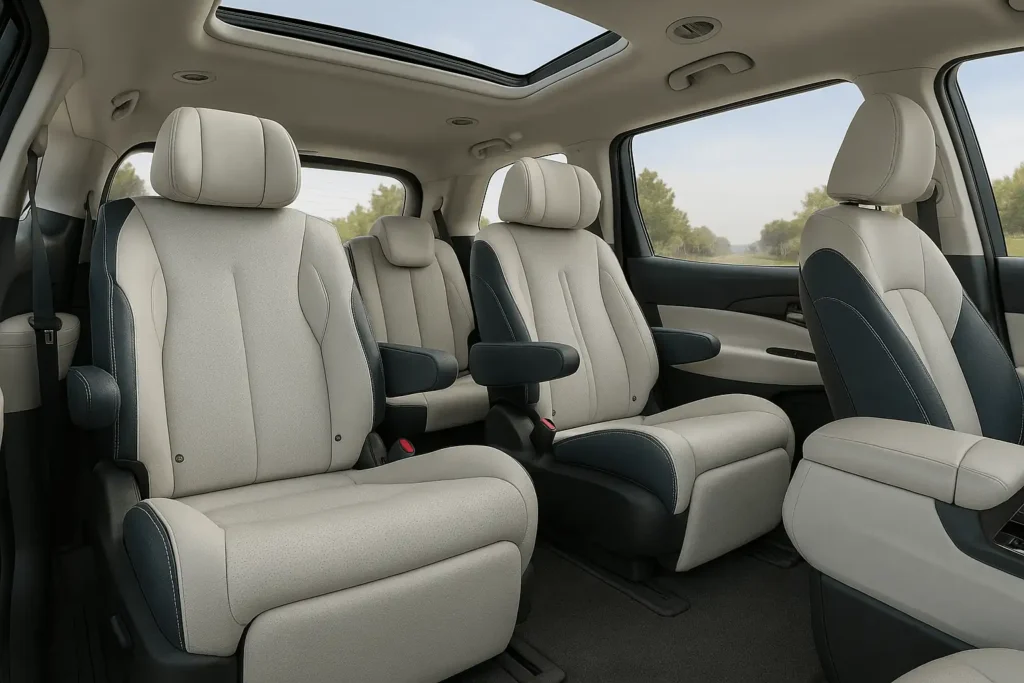
- Lounge second row comfort.
- Family-first tech sanity saver.
- Regenerative braking feel inconsistent.
- Glossy touch controls fiddly.
- Lower child anchors buried.
It swaps a charismatic V-6 for a hybrid system that prizes serene, smug efficiency over any semblance of driving soul.
Overview
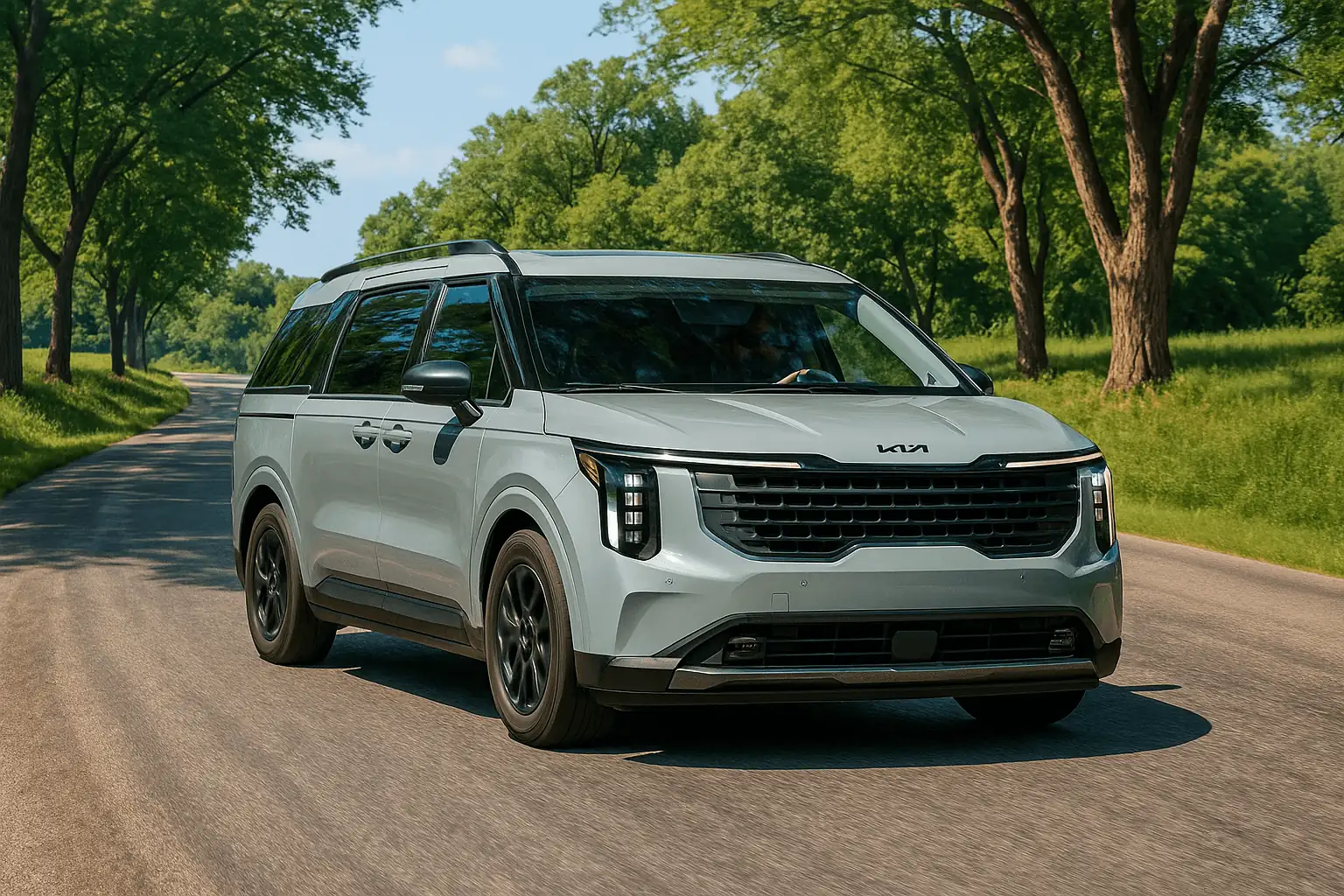
The 2025 Kia Carnival gets a hybrid option. Hallelujah. Kia finally swapped the old naturally aspirated V-6 for a 1.6-liter turbocharged four-cylinder paired with an electric motor. This isn’t some novel, full-on electric setup; it’s a serious powertrain comprised of a six-speed automatic and that motor to create a fuel-efficient people-hauling machine. Under the hood, it’s really the same system from its Hyundai sibling, and it gives the Toyota Sienna some understandable competition. With an on-road poise that’s gaining refinement, the Carnival shows its potential not just as a van, but as a vehicle that doesn’t scream “I’ve given up.” The front-wheel-drive layout is the only option for now, which is fine, because all-wheel-drive capability in this segment is often more about marketing than practicality.
Let’s talk about the interior, because that’s where this minivan counts. The seating layout is retained, and thank goodness for that. You still get three rows of family-friendly comfort. The second-row “recliners” are a thing, complete with footrests. It’s like first-class seating for tiny, sticky tyrants. The updated rear-seat entertainment system is a kid-pacifying marvel. Think of it as a TV for streaming their favorites, because sometimes you just need 300 miles of quiet. And the cargo potential? Massive. You can convert the seats and haul an impressive amount of… well, life’s debris. The sliding doors are automatic, a nonhybrid attribute they’ve retained, because trying to open a minivan door manually with your hands full is a lost art.
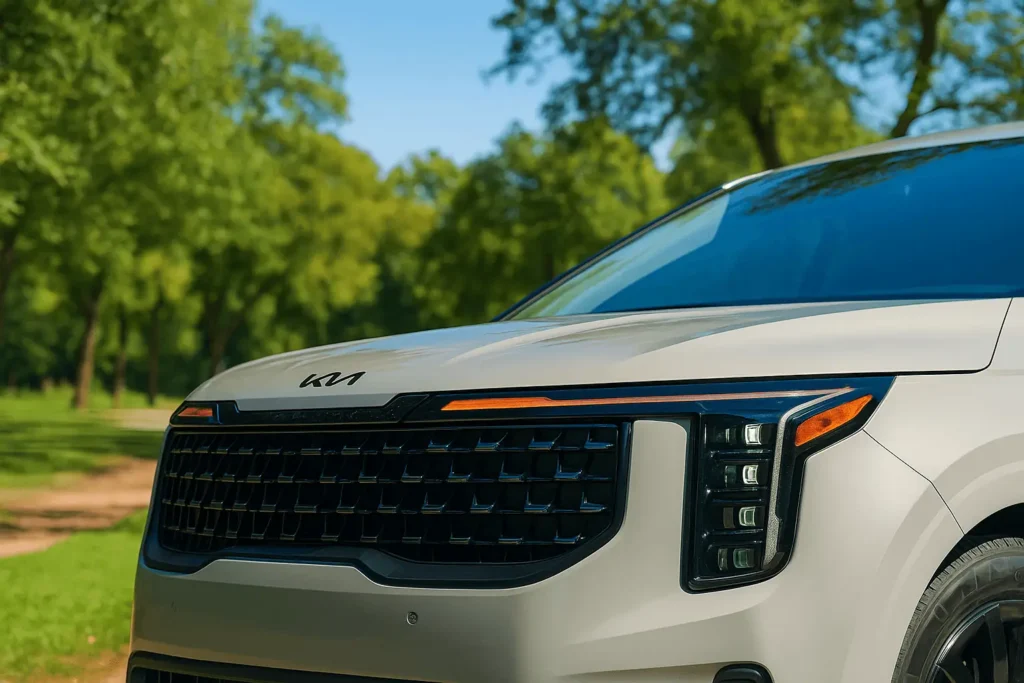
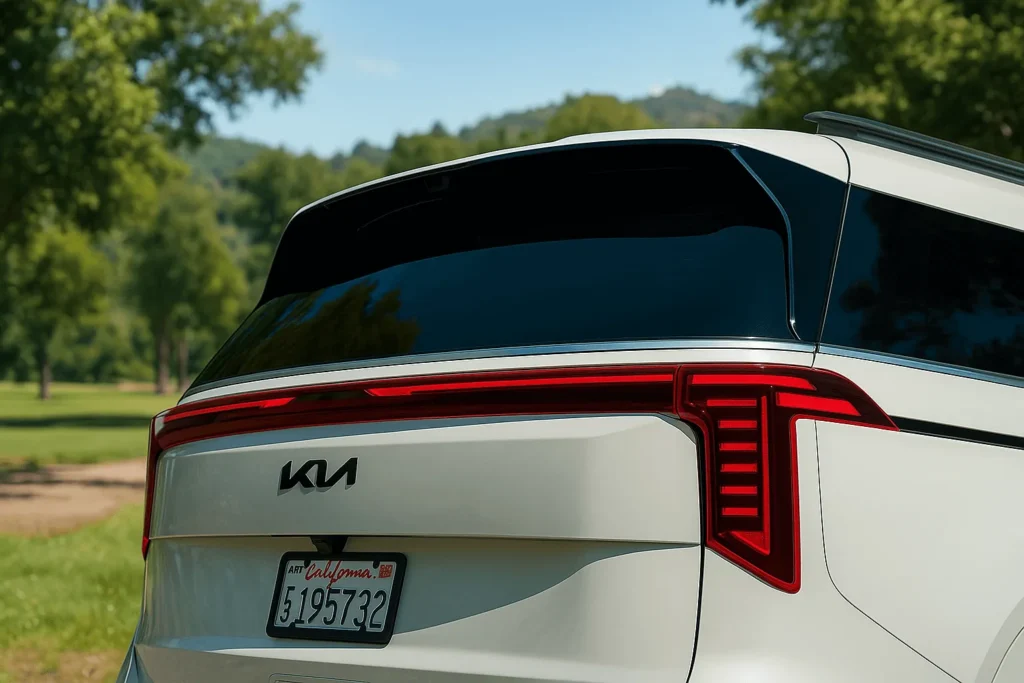
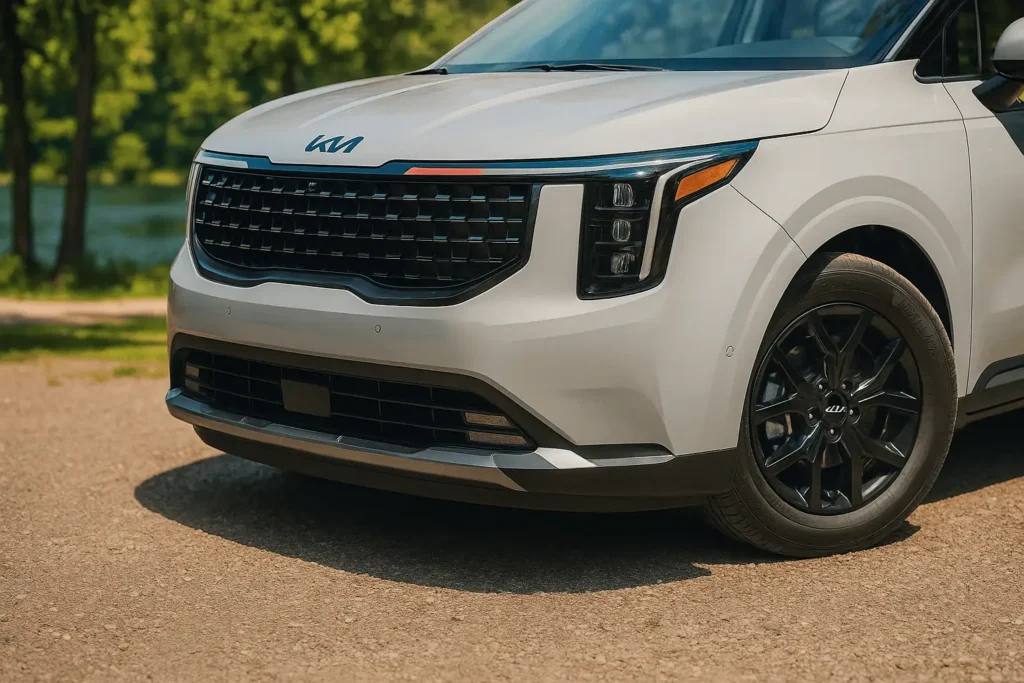
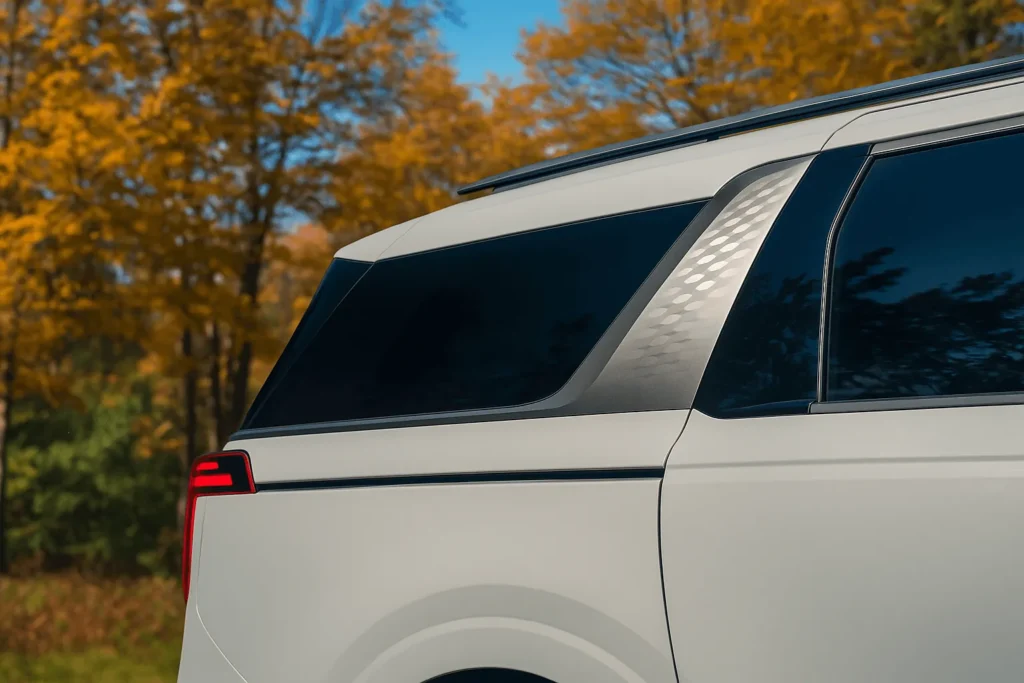
Look, the 2025 model year updates are more than just an electrified powertrain. The styling wears its SUV like looks well, helping it avoid the stigma associated with the multi-purpose vehicle segment. It doesn’t look like a loaf of bread. It gets some subtle telltale Hybrid badges, but nonetheless, it still looks like a Carnival. Considering the gas-only version from 2022 was already great, this hybrid aims for something more. It says Kia is serious about offering a vehicle with the practicality we need and the fuel-efficient powertrain we really want, and if you have ever lived with a three-row SUV like the Kia Sorento X-Line, you know how much that everyday versatility matters. After having spent some time with it, I’m impressed. It wears its minivan badge with a surprising amount of poise.
What’s New for 2025
The 2025 Kia Carnival struts into the model year with one addition everyone actually asked for: a Hybrid. Finally, right? For years, we’ve watched the minivan market whisper about electrification while we all guzzled gas. Well, Kia heard you, or more likely saw the math, and has bolted a hybrid powertrain directly into the Carnival lineup this year. It’s not a full rethink, but it’s a smart, pragmatic play. Alongside this headline act, you get several other subtle tweaks and new standard features to keep the nonhybrid versions feeling fresh, making the entire new model a more compelling family hauler that’s finally playing the efficiency game.
Pricing, Trim Levels, and Best Pick
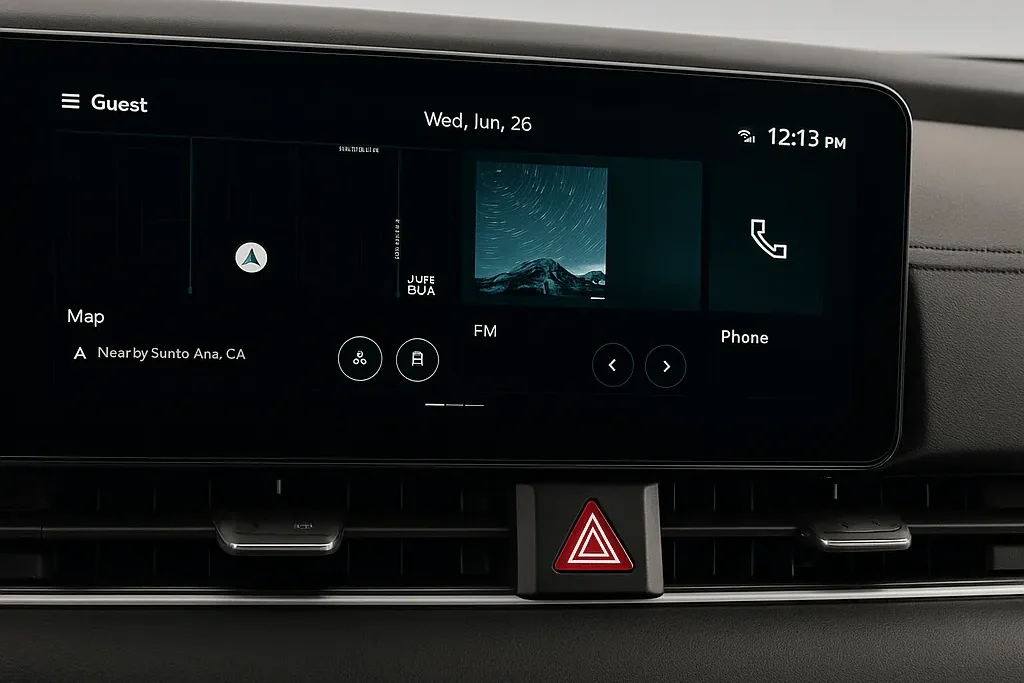
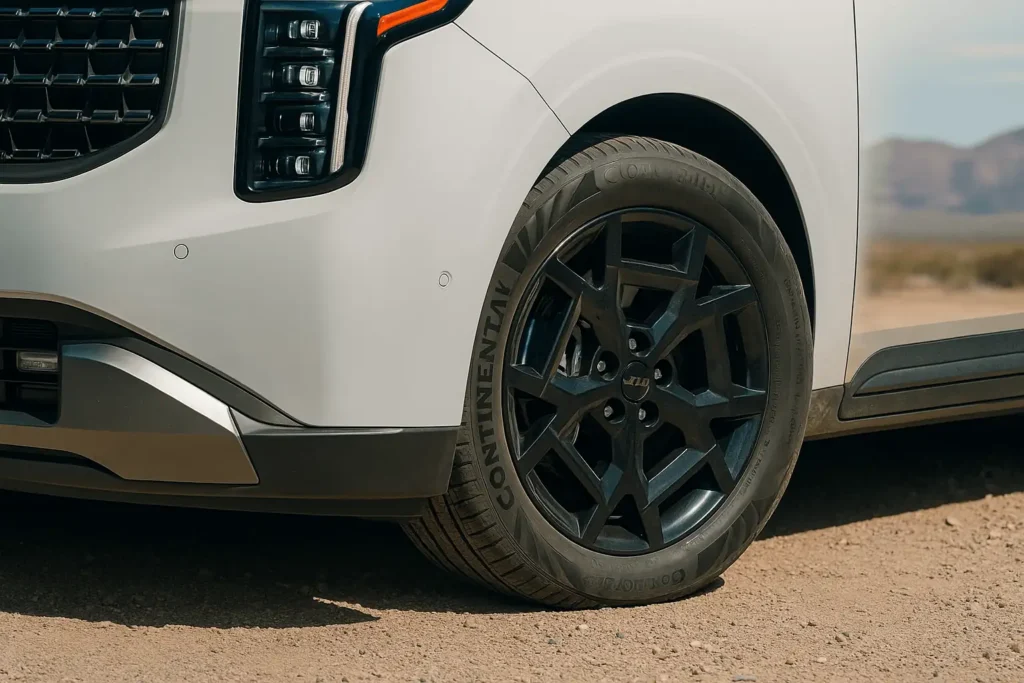
The 2025 Kia Carnival Hybrid starts at $42,700 for the base LXS and climbs all the way to $52,600 for the loaded Prestite, depending on how much extra fluff you need. You get four main trim options: LXS, EX, SX, and the aforementioned Prestige. Your entry-level gets you the important stuff, but you’ll want to step up to the SX trim for the goodies. This is where the value really represents itself. You get a larger 12.3-inch touchscreen infotainment system, a wireless smartphone charger, and those far better looking 19-inch wheels that make the base trims’ 19-inch wheels look like sad donuts. The EX is a solid middle ground, but the SX is my pick for the best blend of features and sanity. Sure, the Prestige adds a power-folding tailgate and enough power outlets to electrocute a small army, but the SX is the smart play for those of us with adult money, not “I’ve won the lottery” money.
Powertrain, Transmission, and Driving Dynamics
You’re not buying this Carnival for track day. You’re buying it to move people and stuff without funding a small country’s oil industry. So the new hybrid powertrain is a genius move. It swaps the old V-6 for a 1.6-liter turbocharged four-cylinder engine that’s augmented by a 72-hp electric motor. This combination makes a slightly higher standard horsepower than the nonhybrid, landing at a powerful 287-hp system. But the real magic is in the smooth, refined drive. It’s surprisingly pleasant and quiet around town, almost eerily so when the engine can shut off. We tested the nonhybrid model last year, and this 2025 Carnival Hybrid is just a less thirsty, more secure feeling car. Our real world testing confirmed the 7.7 seconds to 60 mph is plenty for merging, but let’s just say it doesn’t lift your soul to higher levels.
Now, about the driving dynamics. The ride is superb, absorbing bumps like a champ. The regenerative braking has varying settings you can cycle through via paddle shifters. In its strongest regeneration settings, you get that nifty one-pedal driving feel, which is great until you need the actual brake pedal, and then the braking feel gets a bit…mushy. It’s the system’s only real dynamic flaw. The handling is exactly what you’d expect: it’s a massive front-wheel-drive box. It’s composed and secure, but let’s not pretend it’s fun. Pushing it downhill reminds you that physics is undefeated. But overall? This hybrid system stretches your gas tank and your sanity on long drives. You feel efficiently smug, not slow.
Fuel Economy & Real-World Driving
Now let’s get to the real reason you’re here: Kia’s website will proudly show you the EPA’s official combined rating of 33 mpg for this Hybrid model, a significant boost over the 29 mpg from the nonhybrid Carnival. And hey, in my city test loops, I even achieved 34 mpg, which is frankly brilliant. But let’s be honest, your life isn’t an EPA test cycle. On the highway, holding a 75-mph pace against a headwind, I saw numbers slightly below that, hovering around 31 mpg. So while the Hybrid’s fuel-economy is a genuine win for your wallet, the real-world fuel economy has its nuances. It’s not a magic carpet ride, but it’s a far cry from the gasoline-gulping rates of its competitors.

Interior and Comfort
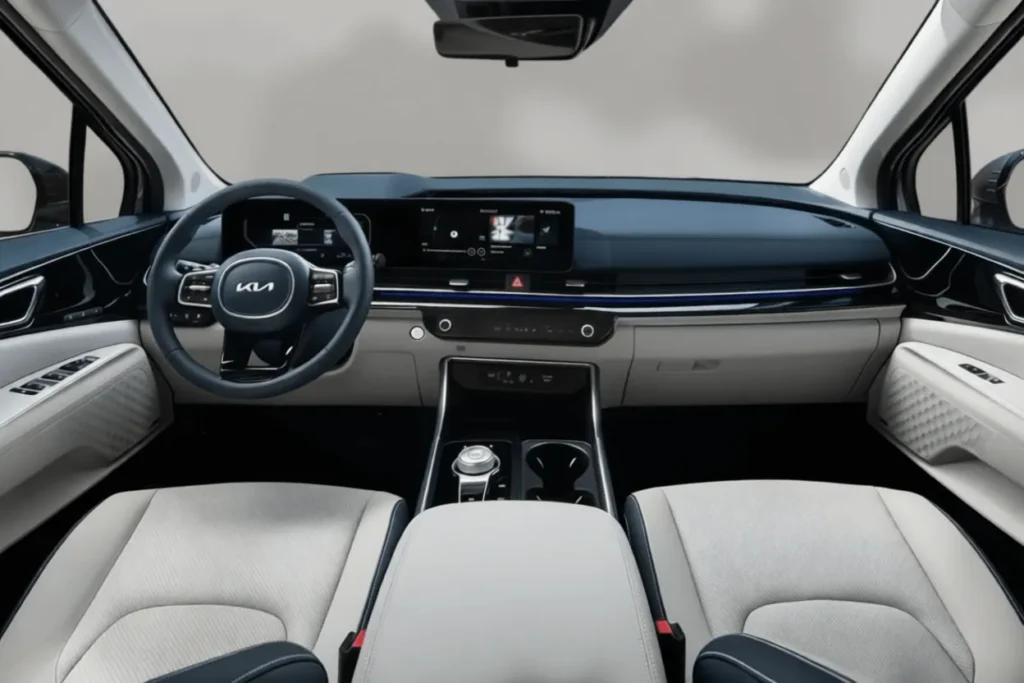
Let’s get this out of the way: the Carnival Hybrid is a minivan. It embraces its quintessential van qualities with highly spacious confidence. Forget the look of other vans; the Carnival’s interior design is a masterclass in making you forget you’re driving a big vehicle. The sliding doors are a godsend in tight spots, and the exterior openings are huge. Outward visibility is excellent, though the optional surround-view camera system is worth its weight in gold for parking this thing. Sitting inside, the spaciousness is immediately apparent. The lounge-style second-row seats are the star, offering legroom you can stretch your feet out in. They slide, recline, and are ridiculously comfortable. You can effectively make a bed back there. Even the third row isn’t a punishment bench; adults can actually find a comfortable spot for a long drive. It’s a versatile seating setup that puts many rivals to shame.
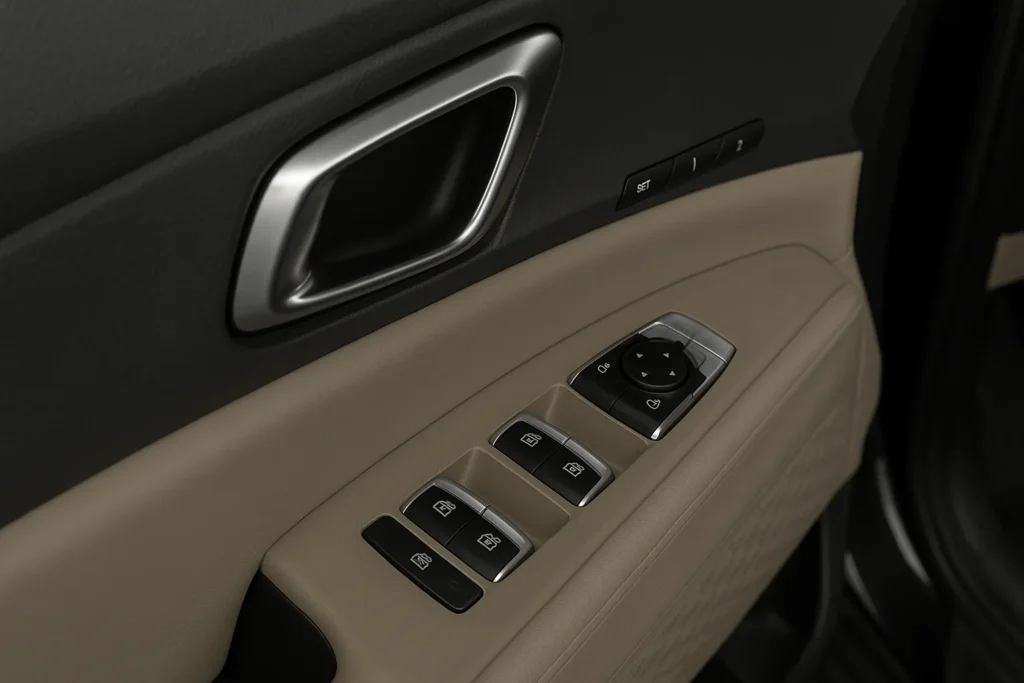
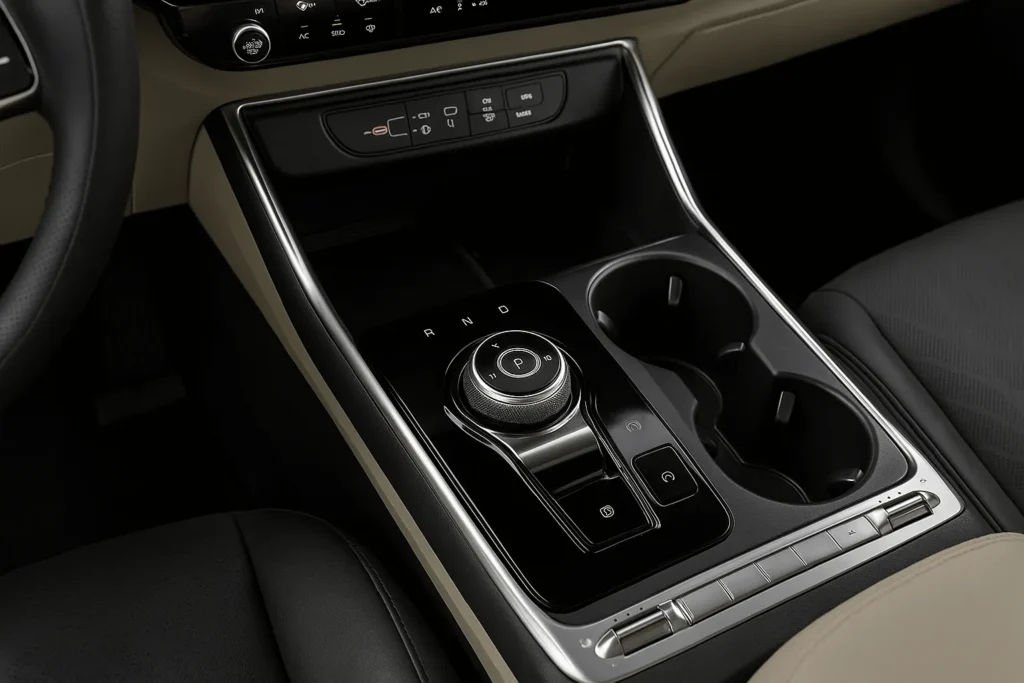
Now, for the driver’s perspective. The cabin look is premium, but some controls are a touch too cumbersome. Kia, I know you want a car-like feel, but those glossy touch-sensitive functions are a fingerprint magnet and a distraction. Just give me a physical button for the climate control. That said, the ventilation and heating work great, quickly cools or heats the entire cabin. Everything is functionally laid out. You interact with the center stack easily, and all the features feel suited for real life, not just flashy gimmicky spec sheets. When you’re buying a people-hauler, you want it to make life easy, and the Carnival largely gets that right. You should try moving between the rows; it’s a simple slide and stretch, not a contortionist act.
On the road, the Hybrid drives with a significantly more refined and smooth feel than its smaller minivan class rivals. It soaks up bad bumps without a shudder, feeling planted and quiet on the freeway. I’ve driven plenty of minivans that feel like, well, vans. This one does not. My only real complaint? That fantastic second-row seat rests its leg extended function on a cumbersome adjustable footrest. It’s a small thing, but you’ll find yourself fumbling with it. A minor gripe in what is otherwise a great exception to the rule that vans can’t be brilliant for drivers and people in loads of sizes. Keep this test in mind: if you have kids, gear, and other adults to haul, the Carnival is highly suited for the job. It’s the versatile family command center you’ve been looking for.
Cargo & Practicality
Now, let’s talk Cargo & Practicality, because let’s be honest, that’s why you’re even looking at this Hybrid Carnival instead of something “cooler.” The space is the main event, and in this eight-passenger configuration, it’s a chock full cabin of cleverness. I love that the second-row bench seat can either be a three person perch or divided into two independently sliding sections. Need to access the third-row? Just have one slide forward. Need to haul a giant IKEA flat pack? You can remove each second-row section entirely, though fair warning, they are hilariously heavy. Once you fold the third-row seats down into the floor, which they do conveniently flat, you’re left with a cavernous 40.2 cubic feet back there. But get this, if you go full pack mule and remove those second-row seats, you get a simply unreal 145.1 cubic feet. Let that amount sink in. These are figures that match or beat the best in the class, gas or otherwise. For small-item storage, Kia nailed it. The cabin is full of pockets, shelves, and bins somewhere for all your stuff; you will find a place to store your phone. Now, the real test: installing child seats. The LATCH anchors are a tale of two cities. The upper anchors are a dream, super easy to find and use. The lower anchors in the second-row, however? Buried deep. It’s not difficult, but it’s harder than it should be, requiring a dedicated hunt with your fingertips. It’s my one real gripe in an otherwise brilliantly practical cargo well. So, does it have room for your young children and all their accompanying chaos? Plenty. Just budget an extra minute for the necessary safety install. You will fit everything. Probably.
Tech & Connectivity
Let’s talk about the digital heart of this vehicle. My SX Prestige trim had the available 14.6-inch curved display centered on the dashboard, and it is a big, crisp-looking screen. This isn’t some slow, performing menu structure; the software works smoothly for navigating standard Apple CarPlay and Android Auto. Both are wireless, thankfully. The 12.3-inch digital gauge cluster for the driver is equally sharp, serving up easy-to-use graphics for everything from your speed to the adaptive cruise control. You can ask the voice assistant to perform tasks verbally, like adjusting the climate control or opening the power window, but it sometimes leaves you desiring a single USB port to plug into instead. The Bose 12-speaker stereo system is an optional highlight on the top-spec models, and it provides crisp, powerful sound for your streaming services. Integrated built-in navigation helps, and its traffic aids are decent for keeping you on schedule.
Now, for the real world testing ground: the rear-seat occupants. Seven USB ports are included across the cabin, which is a lifesaver. But the pièce de résistance? The optional dual Bluetooth-enabled headphones that let your kids watch their own entertainment on the rear-seat displays. This feature is a game-changer. It provides peace on long drives, effectively keeping the cabin from descending into a Paw Patrol patrol. You get much-needed quiet, and they get Bluey. Everybody wins. The connectivity works well, allowing them to access their desired destination in the entertainment universe without a single fight. It’s a purpose-built system for family sanity.
Beyond the big screen, the car is packed with tech features meant to make driving easier. The lane keeping aids and adaptive cruise control work well on the highway, providing a helping hand without being overly intrusive. You get a limited hands-free stretch on certain highways, which is neat, but I still prefer keeping my hands at the recommended ten and two positions. The wireless charging pad is standard and performs its duty without a hitch. Ultimately, the technology package feels well-integrated and thoughtfully designed for everyday usability, not just spec sheet bragging rights. It helps you drive, navigate, and survive a road trip with your family intact.
Safety
Alright, let’s get the boring-but-crucial safety stuff out of the way. The 2025 Kia Carnival Hybrid absolutely piles on the safety features, and honestly, it needs to. Look, you’re hauling your most precious cargo, right? So the standard suite is predictably robust, with automated emergency braking and pedestrian detection that I’ve thankfully only experienced in controlled tests. It also throws in lane-keeping assist and lane-departure warning to gently nag you back into your lane, a feature my coffee-deprived brain appreciated. Available features include genuinely useful blind-spot monitoring and adaptive cruise control with lane-centering, which is basically a driver-assistance co-pilot for soul-crushing Highway Traffic. The automatic high-beam headlamps work flawlessly. For the real crash-test information, you should visit the IIHS (Insurance Institute for Highway Safety) and NHTSA (National Highway Traffic Safety Administration) websites, but the gist is the Carnival’s results are stellar. Key takeaway? It’s packed with tech that will genuinely help you avoid a fender bender, and it’s likely to compete directly with the Honda Odyssey and Toyota Sienna, while utterly shaming the Chrysler Pacifica on safety tech.
Warranty and Maintenance Plan
This is where Kia absolutely trumps the competition. Look, that Hybrid powertrain is a big deal, and Kia backs it with a 10-year/ 100,000-mile Limited warranty that just shames everyone else. Unlike certain rivals cough Toyota Sienna cough, the Carnival covers all your scheduled maintenance for five years or 60,000 miles. Let me spell that out for you: No extra cost for oil changes and tire rotations. That’s a genuinely complimentary policy that spans the time most people actually own the car, putting real money back in your pocket. It’s a masterclass in peace of mind.
Final Verdict
Minivans are supposed to be practical, not cool. But the 2025 Kia Carnival Hybrid is here to prove that other thinking is outdated. This thing handles a lot more like a stylish, good looking car than a boring shuttle; it’s fun to drive and sips fuel while doing it. Nearly 35 MPG combined is a shocker for a vehicle this size, a tricky blend of entertaining driver and fuel-efficient hauler. It’s the same choice for families who want style without the $60,000 sticker shock of a Chevy Tahoe or a hulking pickup. That’s the real Value you’ll argue to your soccer mom or dad friends who traditionally bought those SUVs.
So, is it worth your money? If your family’s mantle is taken by small humans and their stuff, I’d say absolutely. It makes the roll around town something you don’t dread. The Carnival Hybrid isn’t just a well done minivan; it’s a really smart, practical machine for parents who are tired of proving nothing and just want to keep their sanity. Especially for parents, moms and dads alike, this Kia pulls off the one thing cars like this typically fail: it makes family duty feel cool.
Family UseIs the 2025 Kia Carnival Hybrid a good choice for families who need a spacious three-row hybrid minivan?
Fuel EconomyWhat kind of fuel economy and real-world MPG can I expect from the 2025 Kia Carnival Hybrid?
PracticalityHow practical is the 2025 Kia Carnival Hybrid for cargo, car seats, and everyday family life?
| SPEC | DETAIL |
|---|---|
| Engine | 1.6-liter turbocharged inline-4 + 72-hp electric motor |
| Drivetrain | Front-wheel drive (FWD) |
| Power / Torque | 242 hp / 271 lb-ft (combined system output) |
| 0–60 mph | ~7.7 seconds (tested estimate) |
| Top Speed | ~118 mph (electronically limited) |
| EPA Fuel Economy | 34 city / 31 highway / 33 combined mpg |
| Real-World MPG | ~31–34 mpg combined (test average) |
| Fuel Tank | 19.0 gallons |
| Transmission | 6-speed automatic with paddle-controlled regen modes |
| Suspension | Independent MacPherson strut (front) / multi-link (rear) |
| Brakes | 4-wheel disc with ABS, EBD, and regenerative braking |
| Wheels / Tires | 17- to 19-inch alloy wheels (all-season tires by trim) |
| Curb Weight | 4,600 – 4,800 lbs (approx., varies by trim and equipment) |
| Author | Hafiz Sikandar, automotive journalist and editor at VyoCar. |
|---|---|
| Expertise | Reviewing family-oriented vehicles and hybrid powertrains since 2016, with a focus on real-world practicality, long-distance comfort, and fuel efficiency in everyday driving. |
| Focus Areas | Hybrid and gas-powered minivans, three-row family vehicles, and detailed usability testing that emphasizes cabin versatility, driving refinement, and technology integration for modern families. |
| Disclosure | The 2025 Kia Carnival Hybrid was a short-term press loan provided by Kia Motors America. The manufacturer had no input in the review process, editorial decisions, or final conclusions. All test impressions and data are based on independent evaluation over a full week of mixed urban and highway driving. |
This Post Has 4 Comments
Pingback: 2023 Toyota Sienna Review: The Minivan That Outsmarts SUVs
Pingback: 2024 Honda Odyssey Review: Still King of Minivans?
Pingback: 2017 Chrysler Pacifica Review: The Minivan You'll Want
Pingback: 2022 Kia Sorento X-Line SX Prestige feels like a class above