

Pros & Cons
- Raw muscle wagon vibe
- Surprisingly capable family hauler
- Addictive, thunderous Hemi soundtrack
- Fuel-saving tech feels intrusive
- Dated backup camera resolution
- Numb steering communication fails
2016 Jeep Grand Cherokee SRT Review with Vyocar
An unapologetically raw muscle SUV that delivers fire-spitting V8 thrills with the subtlety of a sledgehammer.
Overview
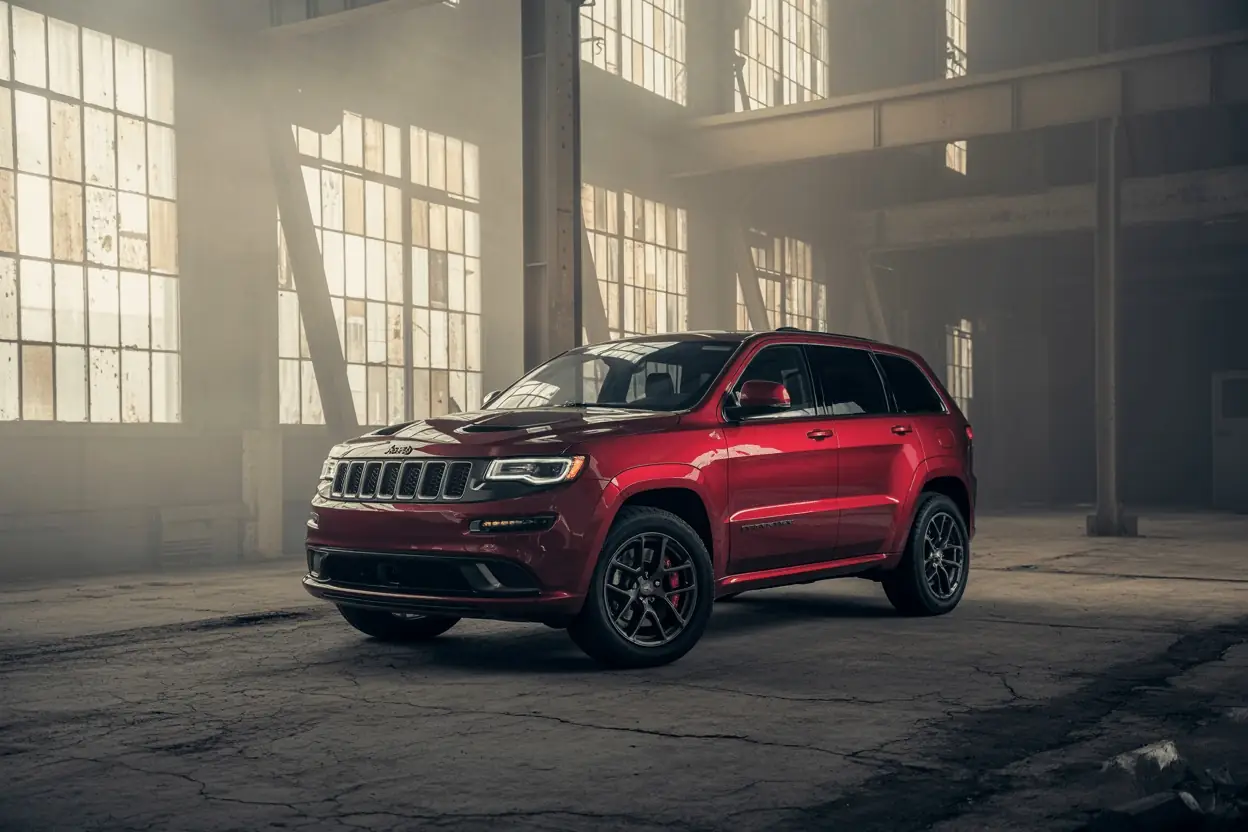
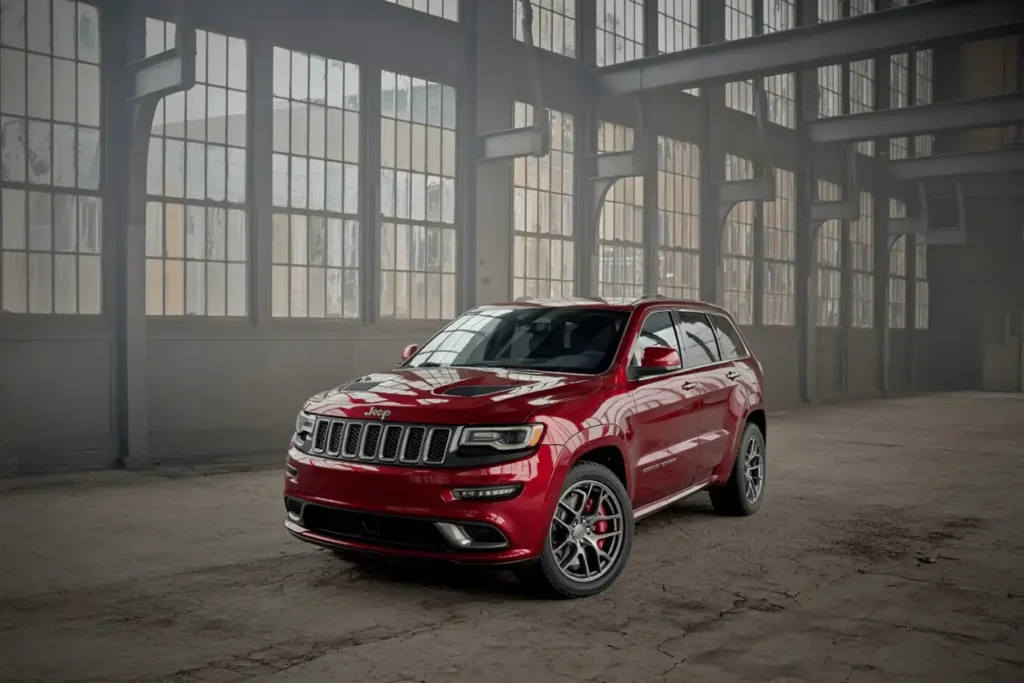
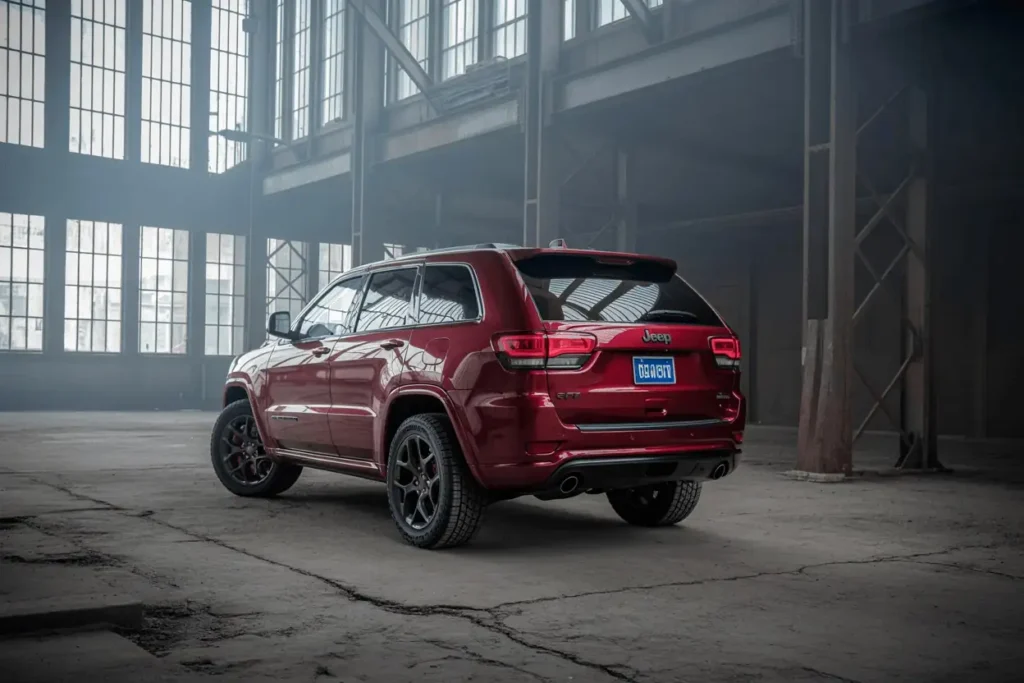
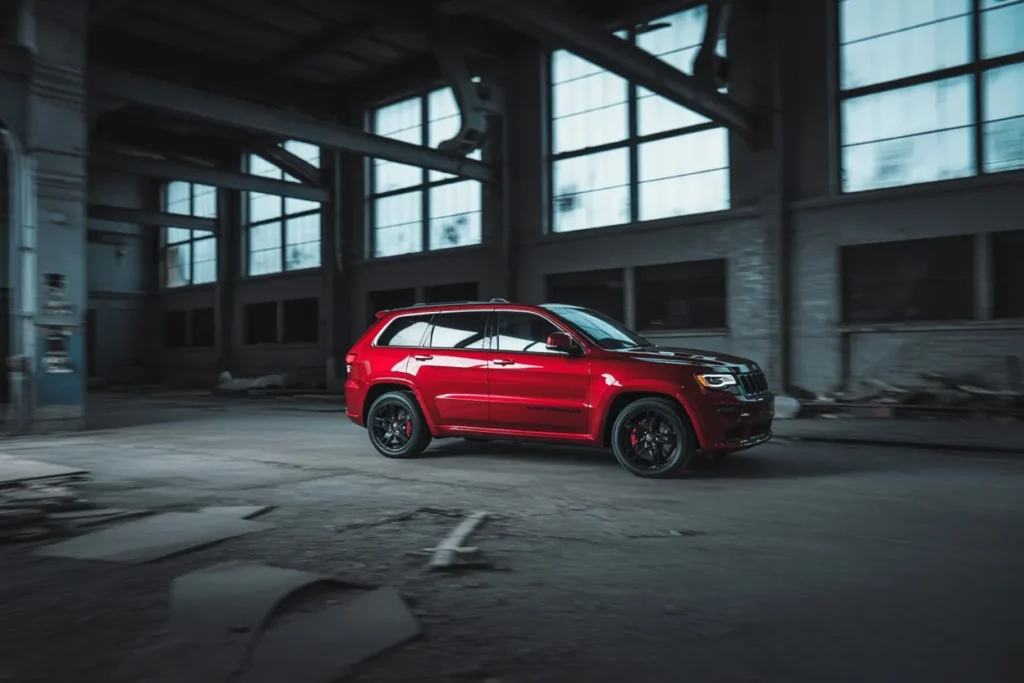
Let’s kick this off with a truth bomb: the Jeep brand has diversified from its spindly, knobby-tired WWII replacement roots. For example, gone is the cavalry horse; enter this pumped-up version of the Jeep Grand Cherokee. This isn’t some subtle refresh; it’s a second-generation design turned into a fat-tired Street and Racing SUV with nearly 500 horsepower. That throws it into the food chain with some fast company, like the BMW X6M, Mercedes-AMG GLE63 S coupe, Porsche Cayenne Turbo, and Land Rover Range Sport Supercharged. My opinion? After considerable exposure, I say this lineup contender borrows its spirit from fire-spitting muscle cars, a classic American steel move now filtered through the Italians at the Fiat-Chrysler group. Think of it as a muscle-bound Wagoneer, a 1960s truck attitude made ballsy for the modern era.
Now, the SRT badge means business. Seat time in this thing is a riot, thanks to the 6.4-liter Hemi. If you’ve driven Hemi-equipped Chargers or Challengers, you know the drill: monstrous torque, glorious sounds, and quick shifts from the 8-speed ZF automatic. But let’s not pretend it’s perfect. You’ll get lousy gas mileage, and the ride can be jarring on broken pavement. Yet, it satisfies a certain itch. The GC’s character here is unapologetically raw, which might endear it to you more than its Dodge sedan counterparts.
This staple in the market has been around for multiple model years, and the 2016 iteration amplifies its strengths. It’s capable of shocking luxury SUVs at stoplights while still being a usable family hauler. That’s the trick, isn’t it? The automotive industry is full of pretenders, but this Jeep feels authentic.
What’s New for 2016
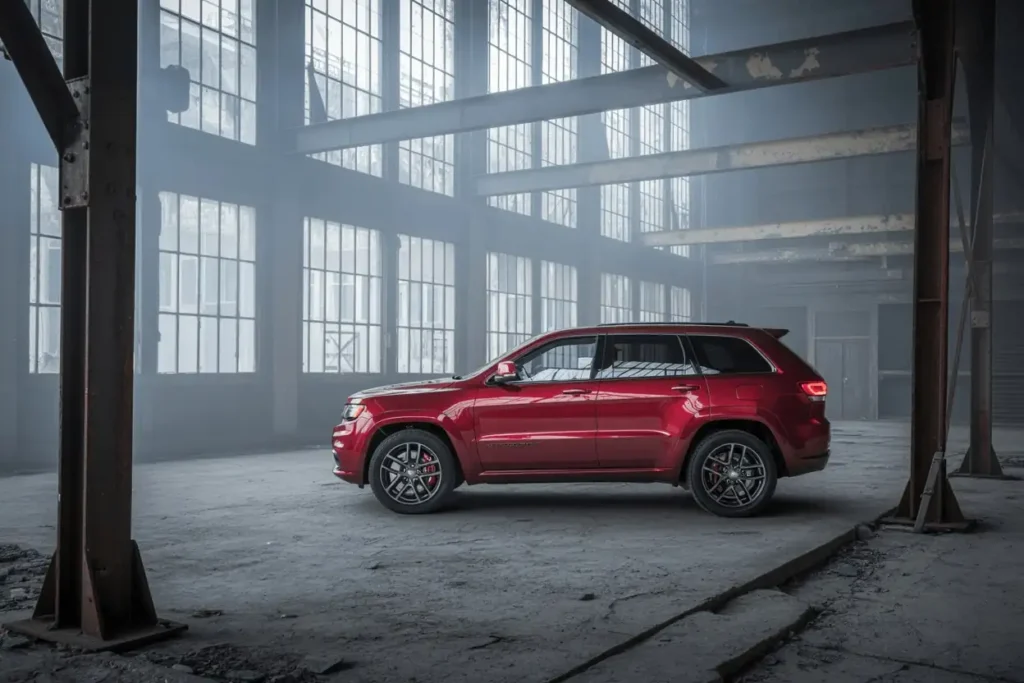
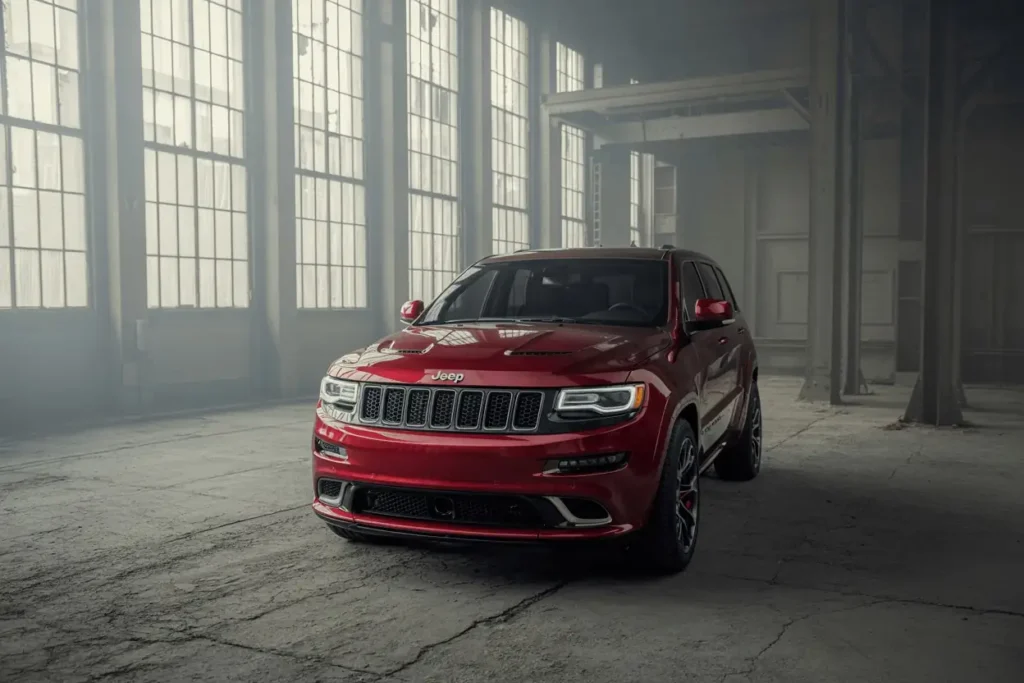
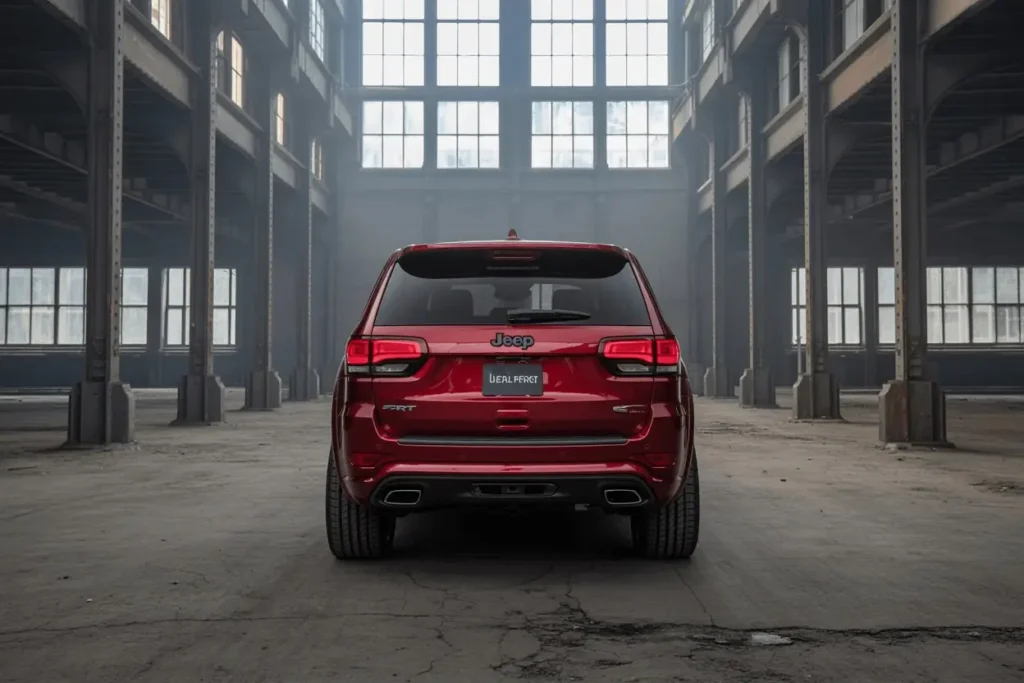
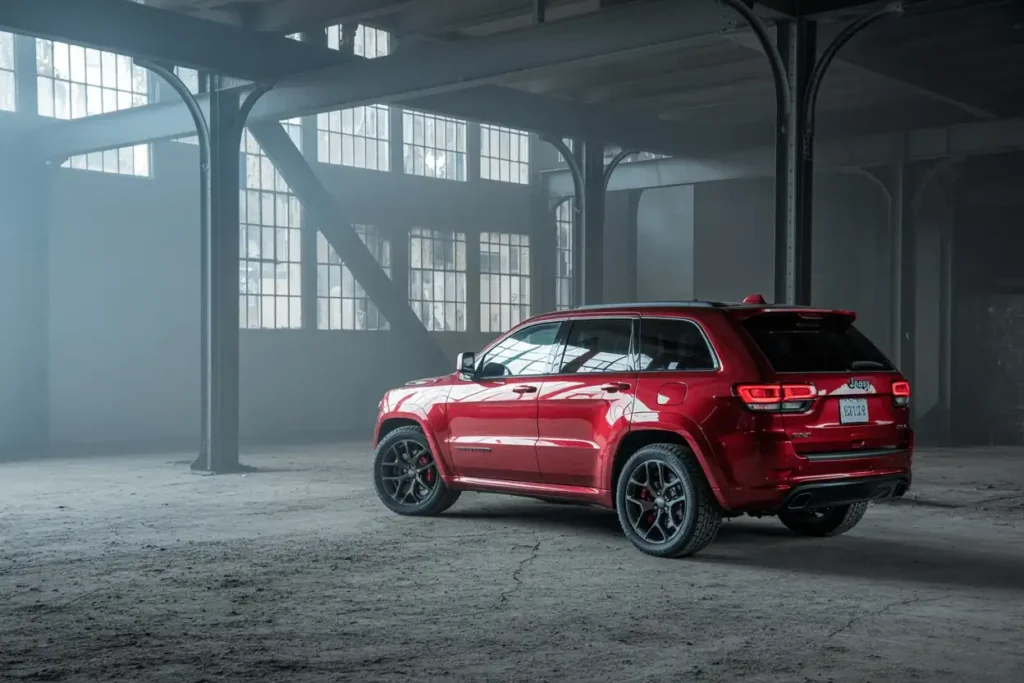
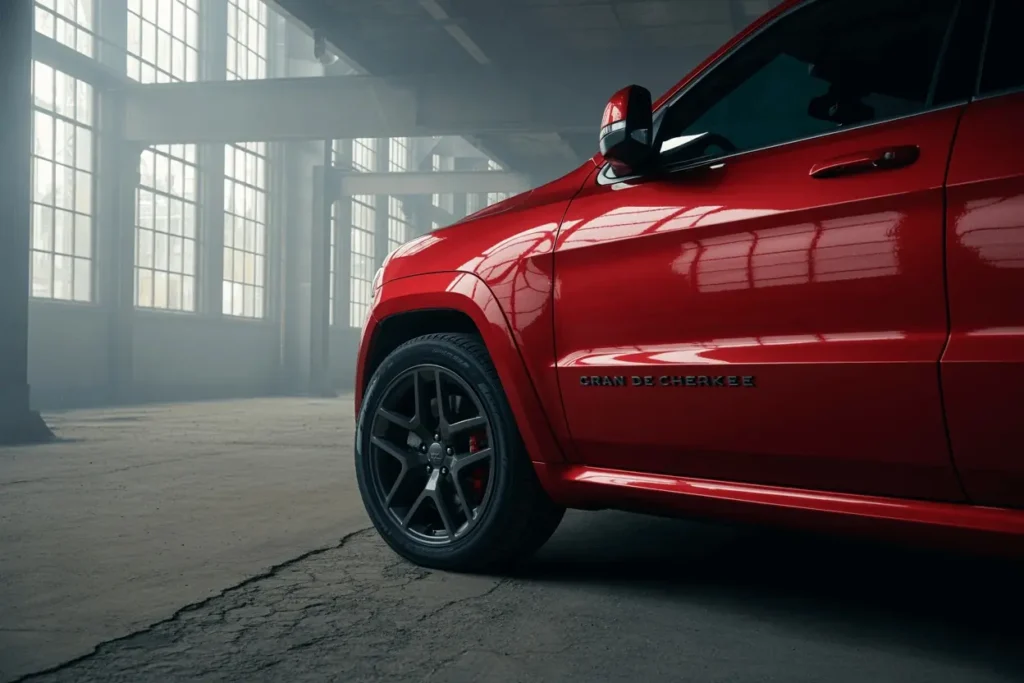
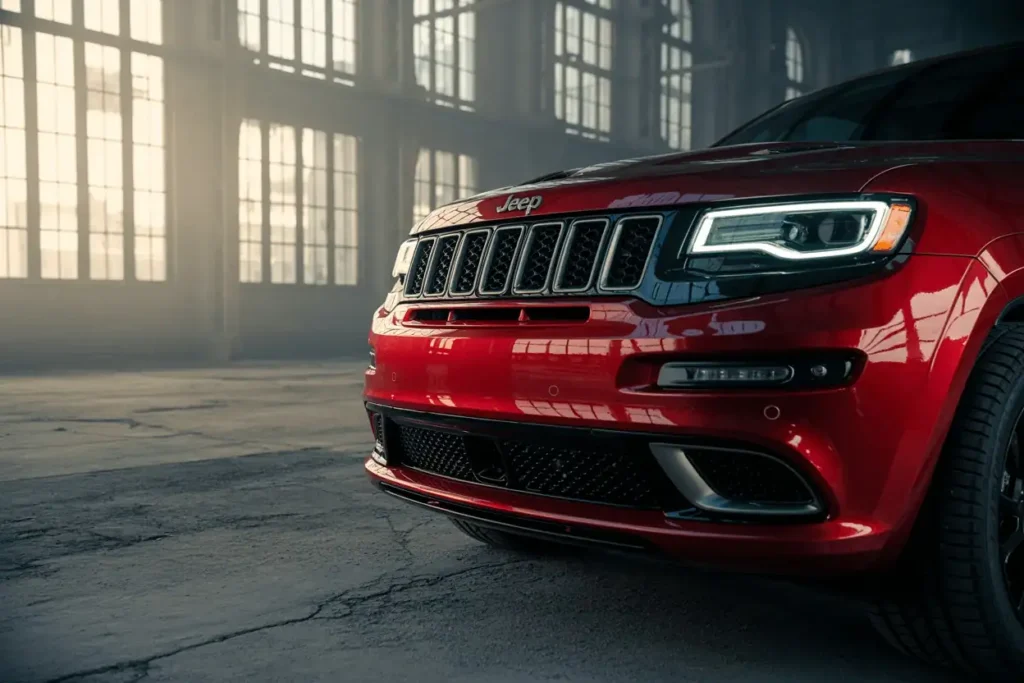
For this SUV’s mid-cycle update, Jeep wisely avoided messing with the core SRT-ness. The noticeable changes are mostly a sharp suit. Front fascias and rear headlights are redone, looking meaner. It now rolls on standard 20-inch x 10-inch 5-Spoke wheels shrouded in 295/45ZR20 BSW All Season Tires. Quad exhaust tips? Still gloriously present. It’s enough for parking attendants to recognize the brand, but still familiar.
Inside, the big news is the configurable electronic gauge display sandwiched between an analog speedometer and tach. This lets you personalize info, a handy custom setting. Materials are wrapped in nicer stuff and center stack buttons are added. For performance, the Selec-Track drive modes got a tweak.
A new custom setting allows the driver to personalize throttle, shifting, and all-wheel parameters. Reduces frustration, truly. But that thick left corner pillar? Still a light pole hider. Overall, they added just enough to keep it feeling fresh against pedestrian Grand Cherokee levels. Valet activated mode? Still my favorite party trick for this car.
Pricing, Trim Levels, and Best Pick
The price entry for this beast is steep, but Jeep wants you to see it as a value-priced mid-size luxury performance SUV. Honestly, that’s a stretch. The exhibit of add-ons suggests the Grand Cherokee designers might have let the stray Viper influence their coffee breaks. You’ve got the practical Trailer Tow Group right next to indulgences like Premium Laguna Leather. My test car landed just under $77,000 as-tested, a figure that demands a level of scrutiny. For that, you get the Dual-pane panoramic sunroof, a cabin design that’s plush but not perfect, and SRT High-Performance Audio that’ll shake your fillings loose. Want Rear Seat Entertainment or 20” Black Chrome wheels? That’s how you climb from the non-SRT model to the most expensive trim.
Is it worth it? Compared to luxury-brand competitors, this Jeep can be commanding than double the money yet still feel like a domestic FCA product inside. The materials are good, but not at least $35,000 more good. Think about it: a family-friendly $29,995 Grand Cherokee Laredo exists. This SRT isn’t that. It’s a spendy, 2.5-ton Jeep wearing 3-season tires that laugh in the face of logic.
My best pick? Skip the frippery. The core SRT delivers the thrills without mimicking an insanely optioned heavy-duty Ram pickup. Because sometimes, less is more, even when you’re hauling tail.
Powertrain, Transmission, and Driving Dynamics
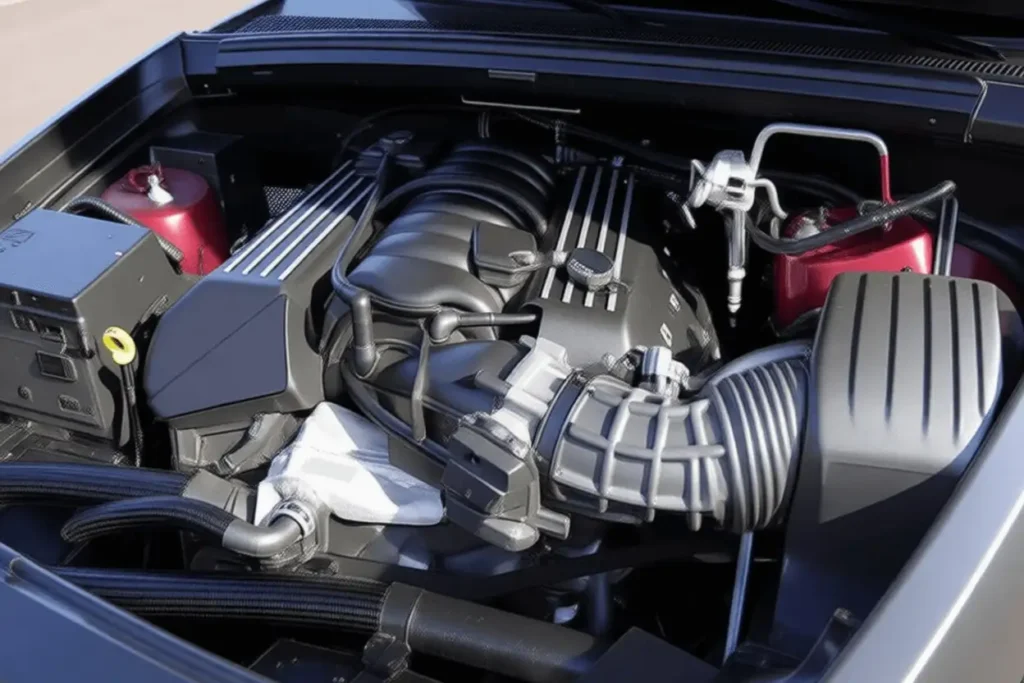
The soul of this Grand Cherokee SRT is a 6.4-liter Hemi V-8. That’s right, the same engine from the raucous Challenger 392, now playing family taxi. It makes 475-horsepower and 470 lb-ft of torque. That’s an insane amount of shove, delivered with no turbos in sight. The sound is an unmistakable, potent exhaust note—a lusty bellow at full cry that settles into a rumbly growl at idle. It’s an aural delight for about ten minutes. Then that ever-present thunder becomes omnipresent. Frankly, it can grow tiresome. But when you stamp the pedal, it’s intoxicating.
Power routes through a ZF-sourced box, an 8-speed automatic. The transmission has eight gears and in sport mode, it snaps shifts with whip-crack speed. Around town, it’s decisive and smooth. You get various adjustments via independent selections for steering sensitivity and shock stiffness. Jeep claims this enables sportier driving. On public roads, that feels like marketing-speak. The adaptive dampers are standard-issue Bilstein. They’re fine, but unusual surfaces transmit coarse shocks into the cabin. It’s insular in here, a bit detached.
Now, the chassis. This four-door weighs more than 5000 pounds. Yet, it’s unbelievably nimble for a big beast. Credit the optional 295-width 20” Pirelli P-Zero summer tires. They offer admirably high adhesion levels, claiming a maximum .90 G lateral acceleration. But find the limits of grip, and you’ll meet gradual understeer. The all-wheel drive system uses an aggressive torque split, sending up to 70% power rearward. It’s a welcome addition for traction, even allowing for rear-wheel smoky burnouts. Still, the sheer bulk is always felt.
Steering is linear but numb. Control freaks will hate it. It feels exactly like what it is: a jacked-up Charger. The buttoned-down streetable compromise means it’s grippier than a typical SUV, but precision isn’t in the vocabulary. The throttle response is linear too, clawing for pavement without sneaking up. Brakes? The stopping power is strong, but you’re always managing mass.
So, what’s the tone? It’s a performance SUV with a big-block attitude. The Hemi’s rumble is subdued only when you behave. The drives are isolated, suited for large events or highway jaunts. Is it faster than you need? Sure. But for 3-seasons of sportier driving, it’s a buttoned-down streetable compromise. The looks promise fury. The reality is a fast, heavy machine that plays a great jacket-up Charger. Just don’t expect a revolution. It’s a big beast that’s more fun on a ramp than a ramp.
Jeep Grand Cherokee SRT Fuel Economy Test
You don’t shop for a 6.4-liter Hemi V8 with go-fast goodness and then weep at the pump. You just laugh maniacally as you swipe your card. But for the record, and your budget’s trembling joints, here’s the Jeep’s take on economy.
Official numbers? The five-cycle EnerGuide says 18.5 L/100km city and 12.6 highway. That translates to a combined 16 MPG. In my week with the vehicle, I hovered right around that 16 MPG mark. So yes, it’s thirsty. But context is everything. That’s actually 13-percent better than the older less powerful version. Progress, sort of.
The trick is its class-exclusive cylinder deactivation technology. Under light-load cruising conditions, like a steady highway run, it shuts down four cylinders. In theory, this should save fuel. In practice, you feel it. The switch often comes with a subtle sour engine note and faint odd driveline vibrations through the fully carpeted floor. It doesn’t quake, but you sense a quiver, a hint the beast is napping fitfully. The auto start-stop at idle is less graceful, making the whole Grand Cherokee SRT shudder on restart. It feels at odds with the metal-ribbed, performance vibe.
You can force the issue with the Selec-Track drive dial in its selectable Eco mode. It softens the throttle and prioritizes early upshifts. It turns the SRT into a gentle giant, for a while. But your right foot will rebel. The go-fast goodness is a siren song. One poke and you’re back to eight cylinders, and your economy dreams are weak in the knees.
The real saving grace is the larger gas tank. At 24.6 gallons, that single tank range is legit. I saw an estimated 450 to 500 miles on the highway, or about 800 km. That’s the GC’s practical capability talking. It means you can chase horizons, not just gas stations.
So, final verdict? This is top-tier style and sound with a higher standard of thirst. The tech tries, but you feel its compromises. You buy it for the 720 horses, not the miles per gallon. The numbers are what they are. Your wallet’s trembling joints were warned.
Interior, Comfort and Space
This was a historic weakness for Jeep. The ’05–’10 third-generation felt like a volume-oriented Cracker Jack box you’d hate to win. Opening the door of a Compass or Patriot from that era promised a Kinder Surprise capsule of plasticky gloom, sharing too much cabin DNA with the wretched Dodge Caliber. That German ownership under Daimler? It bled Chrysler coffers while remaking Mercedes-Benz, leaving the Auburn Hills brands in a great divide. The word “children” comes to mind, like an egg from the Italian confectionery Ferrero—sweet shell, disappointing interior. Even the Jeep parent headquartered in Turin couldn’t immediately fix it.
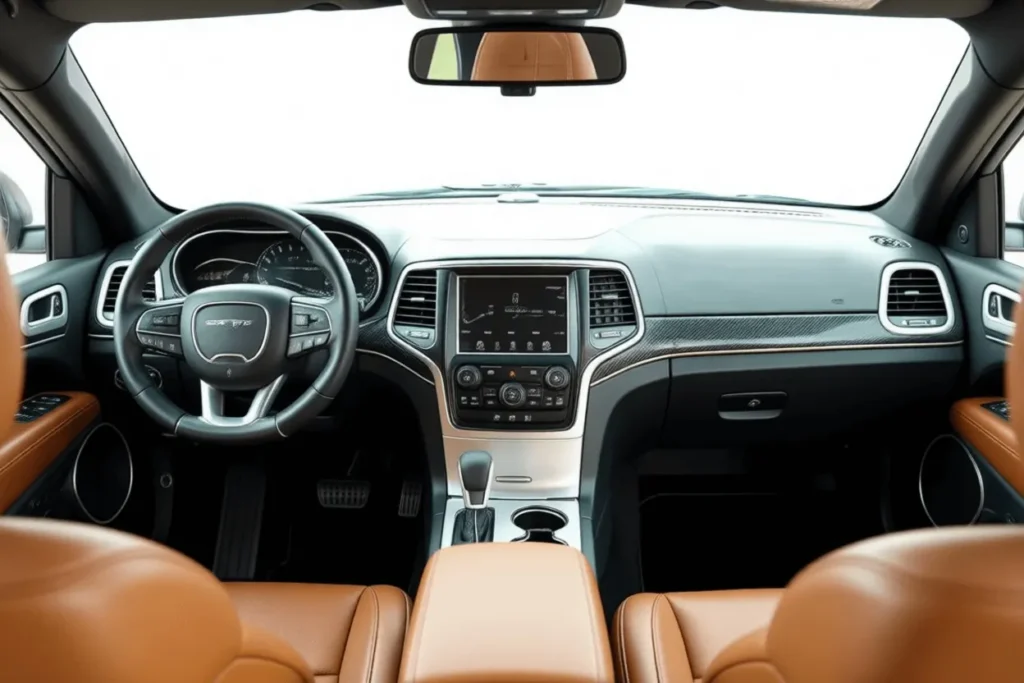
Thankfully, the fourth-generation brought a premium-like revolution. Step into this SRT and it’s a welcome breath of micro-filtered air, especially after the improved 2014 model year update. The dash top, instrument panel, and door trim are now swathed in luxuriant soft-touch synthetic surfaces and stitched leather. The roof pillars and roofliner get black suede. Key areas feature genuine carbon-fibre inlays or stylish satin-silver aluminum. It’s a massive leap.
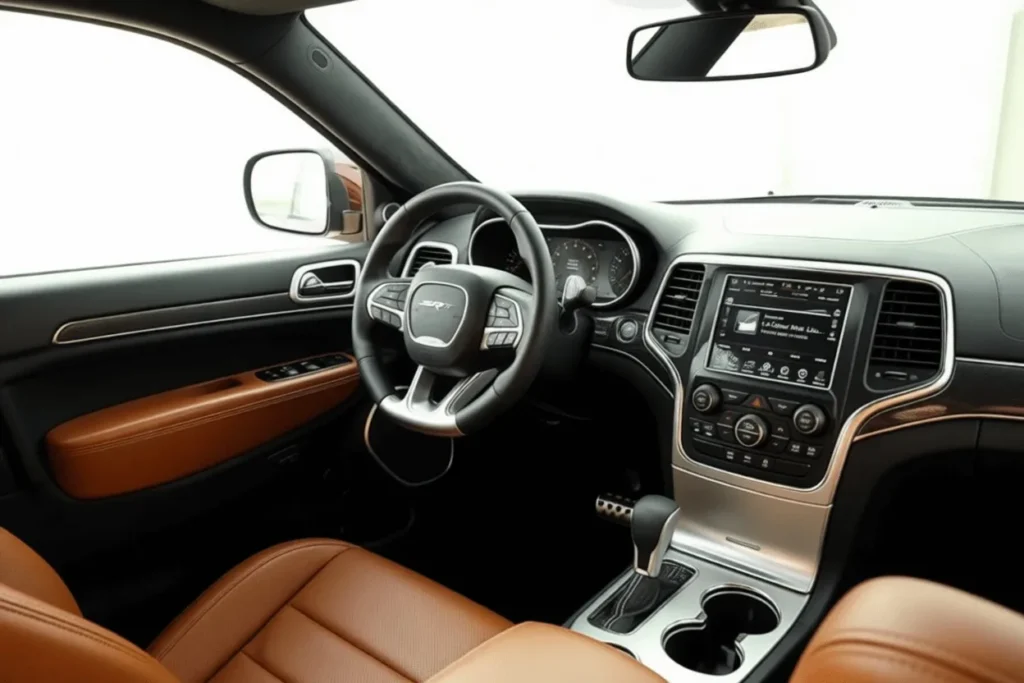
You sit behind a thick flat-bottom leather-wrapped heatable sport steering wheel, your feet on bright metal pedals. The Nappa seats are superb, with ventilated perforated inserts up front and even for the rear outboard spots. The unique driver-configurable TFT primary gauge cluster is pure theater, putting Performance Pages and Launch Control settings in your face. The switchgear and higher grade electronic interfaces feel legit, a world away from the old parts-bin stuff. Is it enhanced? Sure, let’s call it that.
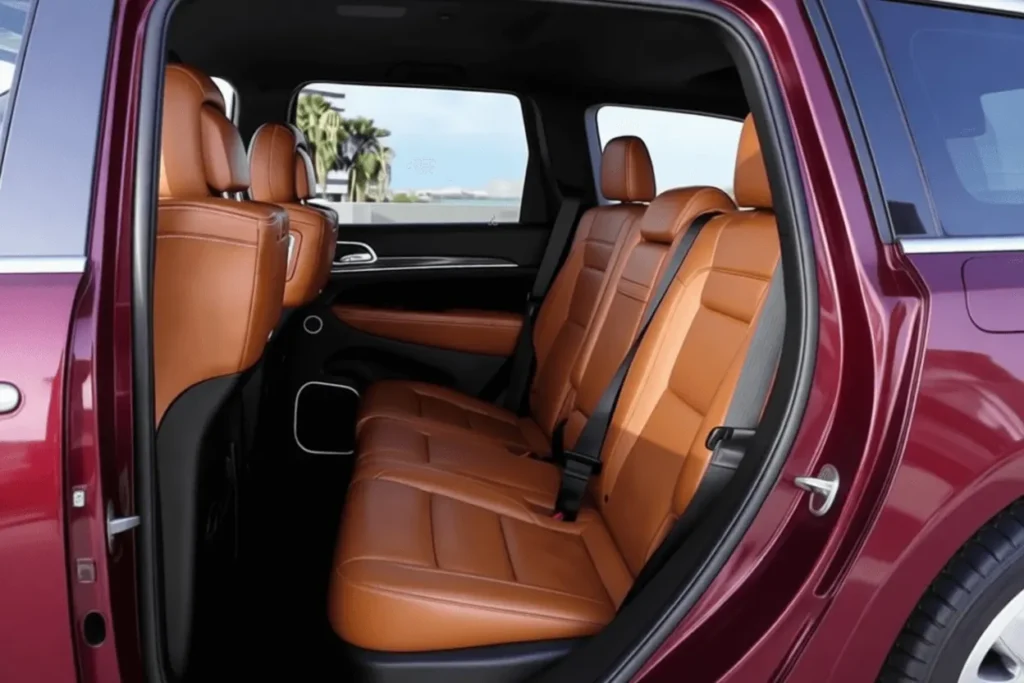
Comfort is excellent for long road trips. The seats are grippy and enveloping yet suitable for everyday driving. Our tester had the $1,495 Laguna package with stunning tobacco-colored hides and glossy carbon-fiber accents along the beltline, adding serious wow factor. The second-row is comfortable, with velour backing. Underneath, this was one of the last projects Daimler and collaborated on; it shares DNA with the GLE-class. That legacy means the structure is sound—no worrying squeaks rattles during my inspection.
Cargo Space & Family Practicality
The cargo space behind the bench seat offers 36.3 cubic feet of cargo volume, enough for a week’s luggage or a colossal stroller. Pop the hatch (it’s a power liftgate, bless it) and you’ll find a flat floor with underfloor storage for hiding valuables. A cargo cover and cargo mat are standard, and the split-folding seats expand room fast. Inside, storage compartments like the deep center console, door pockets, and glovebox eat your groceries whole, while cupholders hold your coffee hostage. There’s even a cargo net and an optional storage bin to corral the chaos.
For people duty, the passenger seating is supportive yet firm — think gym buddy, not sofa. Headroom and legroom are sufficient, but shoulder room gets cozy with three adults. Is it family-friendly? Sure, with obvious LATCH anchor points and tether hooks for a child seat or booster seat. The air conditioning vents in the rear are a savior, and heated seats or cooled seats upfront feel indulgent. That panoramic sunroof boosts morale, but for monitors and rear entertainment, you’re solo — no factory DVD system here.
Utility muscles in with roof rails and a tow hitch; towing capacity hits 7,200 pounds, enough for a trailer of toys. The infotainment touchscreen provides decent connectivity for entertainment, but it’s no tech superstar. Overall capacity? It handles the daily grind, but let’s be clear: this is a Jeep with a hellcat heart, not a minivan.
Infotainment, Connectivity & Tech
Let’s talk about the cabin tech, because you’re not going to live in the mode that uses all eight cylinders all the time. Frankly, you can’t afford to. The 2015 model year saw the addition of the excellent Uconnect system, and for 2016, it remains the big, shiny heart of the suite. The 8.4″ touchscreen is standard and it absolutely operates with more grace than a two-ton beast has any right to. It’s quick, the menus make sense, and it’s the best cure for boredom during a lengthy commute.
My problem was never with the software. It’s with the expected hardware given the price. The backup camera resolution looks like it was sourced from a mid-2000s flip phone. You know, back when we thought DVD players in seatback monitors were the height of luxury. For a Jeep asking this much money, that’s a concern. It’s a feature that feels previously occupied by a cheaper model.
Now, the audio-system. Ah, the booming, beautiful noise. The available 19-speaker Harman Kardon setup is worthwhile. It’s designed not just for volume, but for clarity. It manages the low-frequency roar from the engine and exhaust without making your favorite content sound muddy. It’s a commendable effort to reduce cabin noise intrusion, though it’s fighting a front with dual exhaust valves. Good luck, speakers.
Connectivity is loaded, with USB ports somewhere for everyone. The heated and cooled chairs up front are a godsend, and the panoramic sunroof is a light, airy addition I truly enjoyed. Active safety items? Encouraging, but not a full suite by today’s point. You get blind-side monitors and rear cross-path detection, which you’ll want.
Finally, the Fuel Saver feature. This is the tech that deactivates four cylinders when you’re just cruising. It works, silently. You won’t know it’s happening. It’s there to keep your wallet from screaming, a small digital angel on your shoulder whispering “77” as you pass a gas station. Does it make a big difference? At least you have it. It’s a peace-of-mind button for when the riders in your stacks of heated chairs start judging your life choices.
Safety Features & Driver Assistance
The SRT badge promises thrills, but Jeep packed this Grand Cherokee with sensible safeguards. You get forward collision warning that actually nags you, it can reduce rear-enders by 50% in ideal conditions, paired with active braking for when your reflexes fail. Those Brembo brakes are monstrous, but these electronic aides are the quiet heroes. Blindspot monitoring and cross-traffic detection? Essential, given the humongous Pirelli P Zeros and their appetite for asphalt. Even with standard Bilstein adaptive dampers, you’ll appreciate the extra eyes.
Daily usability shines with luxury features that border on lavish. The bi-xenon HID headlamps cut through night drives, while the dual-zone automatic HVAC system coddles you. The infotainment display runs navigation via the Jeep menu, and it’s mostly intuitive. Rain-sensing wipers, heatable powered side mirrors with integrated turn signals, and proximity-sensing access feel slick. Pushbutton ignition? Sure, but the auto-stop function is a jerk. Parking this beast is eased by a rearview camera with dynamic guidelines and front parking sensors. And yes, there’s a rear sunglasses holder, because why not?
Underneath it all, the on-demand all-wheel drive and selectable driving modes let you tailor grip, while cruise control handles highway slogs. Compared to lesser trims, you’re paying for this comfort and convenience suite, including a power liftgate. So, while the SRT wants to play rough, its driver assists and safety-feature boxes make it surprisingly civil. A win for livability.
Warranty and Ownership Costs
The warranty is basic, three years or 36,000 miles. Powertrain coverage stretches to five years or 60,000 miles, but it’s limited. You get roadside assistance and corrosion protection, and that’s about it. Want peace of mind? An extended service contract might help. The warranty is transferable, which helps resale value. Speaking of resale, expect brutal depreciation; this isn’t a certified value champion. Now, the upkeep. Fuel economy? A gluttonous 13 mpg city. Insurance costs will make you wince. Reliability ratings are mediocre, so budget for repairs and parts. Brake pads and tires vanish if you use the power. Routine maintenance engine oil, coolant, the works – adds up. Labor at your repair shop isn’t cheap. Watch for recall notices. The annual cost? My math puts the average cost near $3,500. Factor in deductible, tax, and fee surprises upfront. Planning a trade-in later? You’ll take a hit, but that’s the price of admission.
Final Verdict: Should You Buy the 2016 Cadillac CTS?
Should you buy it? If you crave a menacing look that’s still approachable for carpool duty, this SUV is an all-roads achiever. Call it a mixed martial arts expert: a street fighter with legit off-road talent. That Hemi’s horsepower torque delivers stupid performance bang for your buck, blending cruiser comfort with bruiser force. It feeds you adrenaline fun and a fixed grin of excitement. But let’s be honest, it’s a thrilling savage parked in a midsize premium garage next to luxury competitors.
Is it expensive? Pricey, absolutely. Total overkill for groceries? Yep. Yet it’s powerful, shockingly agile, and stable on launch. It’s sporty, capable, and fearsome dominant without feeling prohibitive or wasteful. My recommendation? Balance the pros and cons. For the enthusiast who wants iconic muscle truck attitude in a niche SUV, it’s a thrilling win. For others? This mixed bag might not fit.
FAQs about the 2016 Jeep Grand Cherokee SRT
Daily UseIs the 2016 Jeep Grand Cherokee SRT a good daily driver or just a track-focused performance SUV?
Running CostsWhat kind of real world fuel economy and running costs should I expect from a 2016 Jeep Grand Cherokee SRT?
Buying GuideWho is the 2016 Jeep Grand Cherokee SRT really for, and is it worth buying used today?
| SPEC | DETAIL |
|---|---|
| Engine | 6.4-liter HEMI V8 (475 hp / 470 lb-ft) |
| Drivetrain | Full-time all-wheel drive (AWD) with active torque split (up to 70% rear bias) |
| Power / Torque | 475 hp @ 6,000 rpm • 470 lb-ft @ 4,300 rpm |
| 0–60 mph | ~4.4 seconds |
| Top Speed | ~160 mph (manufacturer estimate) |
| EPA Fuel Economy | 13 city / 19 highway / 15–16 combined MPG |
| Real-World MPG | 14–17 MPG combined (tested avg; depends on driving style) |
| Fuel Tank | 24.6 gallons |
| Transmission | 8-speed automatic (ZF-based) with paddle shifters |
| Suspension | Bilstein adaptive dampers • Independent front (short/long arm) • Independent multi-link rear • Selec-Track drive modes |
| Brakes | Brembo high-performance brakes • 6-piston front calipers • 4-piston rear • 4-wheel ABS • electronic brake assist |
| Wheels / Tires | 20-inch x 10-inch wheels • 295/45ZR20 BSW All-Season or optional Pirelli P-Zero 3-season tires |
| Curb Weight | Approx. 5,104 lbs (fully equipped) |
| Towing Capacity | 7,200 lbs |
| Drive Modes | Auto • Sport • Track • Tow • Snow • Custom (independent tuning for throttle, shift, AWD, and suspension) |
| Performance Features | Launch Control • Performance Pages • Active exhaust • Cylinder deactivation (Fuel Saver mode) |
| Author | Hafiz Sikandar, automotive journalist and senior editor at VyoCar. |
|---|---|
| Expertise | Testing high-performance SUVs, muscle-inspired crossovers, and luxury utility vehicles since 2016, with a focus on real-world driving behavior, chassis dynamics under load, long-distance ride comfort, and how big-power engines perform in everyday suburban, highway, and family-duty scenarios. |
| Focus Areas | V8-powered performance trucks, all-wheel-drive performance SUVs, and sport-tuned utility models with an emphasis on power delivery, interior refinement, practicality, and overall livability. Special interest in evaluating how American muscle DNA translates into modern large-format performance utility vehicles. |
| Disclosure | The 2016 Jeep Grand Cherokee SRT used for this review was independently sourced for testing. Jeep or FCA had no involvement in the evaluation process, editorial decisions, or final verdict. All impressions, performance observations, ride-quality notes, and fuel-economy results are based on direct testing conducted over several days of mixed city, suburban, and highway driving. |
This Post Has 2 Comments
Pingback: 2017 Jeep Grand Cherokee SRT: Beast Mode SUV Review?
Pingback: 2015 Dodge Challenger SRT 392 living with a V8 cannonball