
Pros & Cons
- Turbo torque pulls strong.
- Real fuel economy delivered.
- Trunk swallows everything practical.
- Seats lack lateral grip.
- Safety features cost extra.
- Tech feels already outdated.
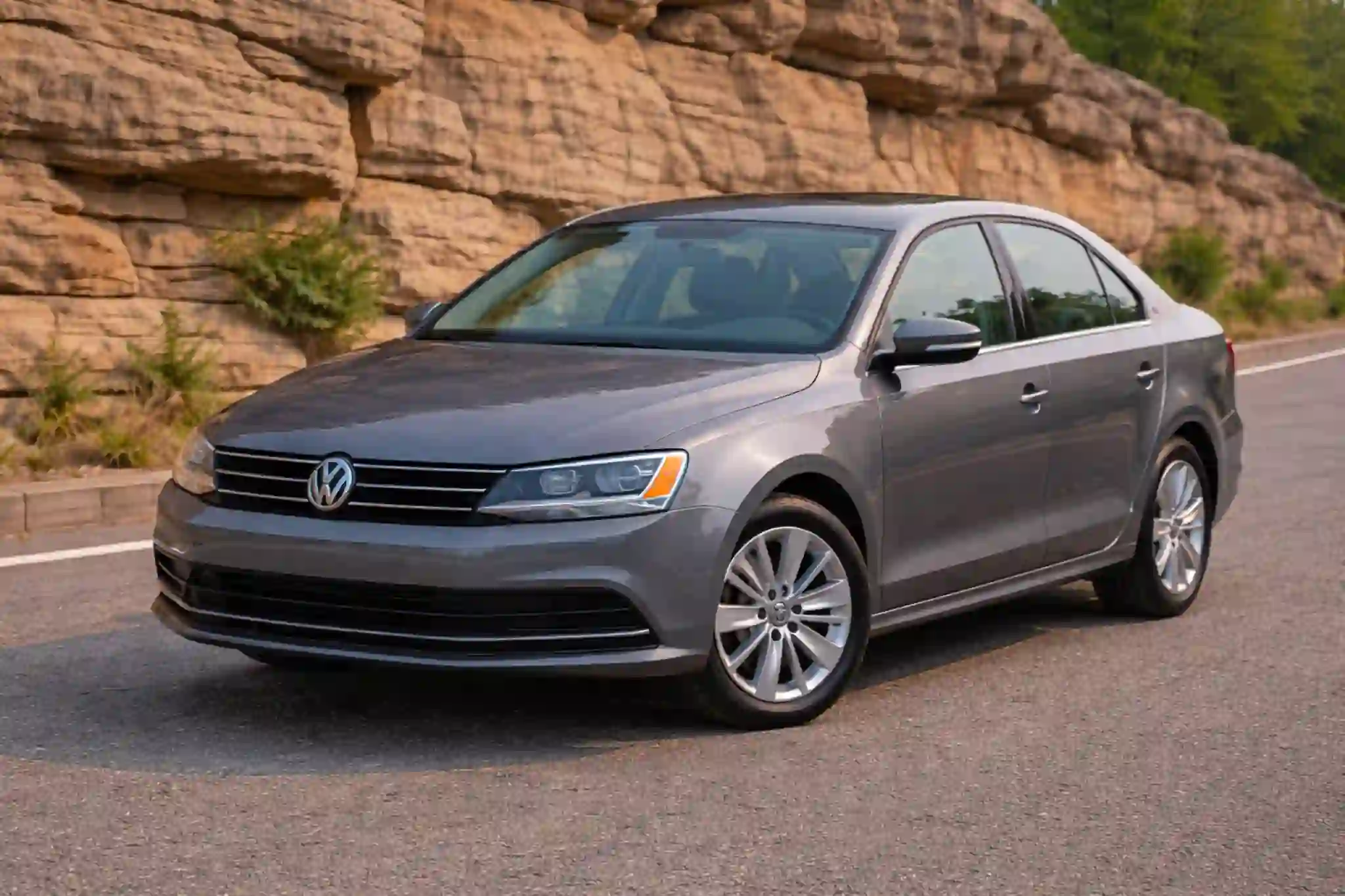
2015 Volkswagen Jetta 1.8T SE Review with Vyocar
Overview
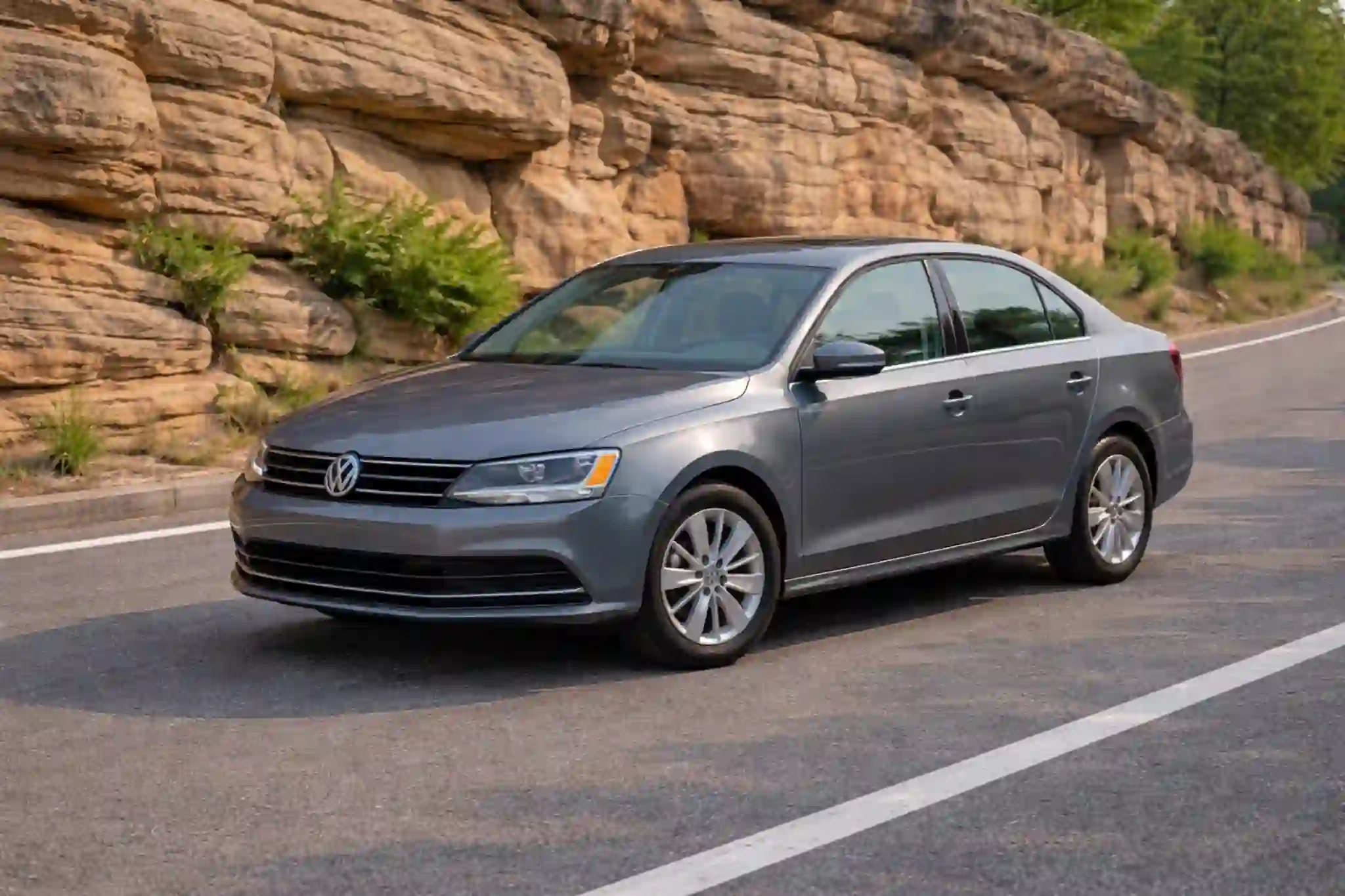
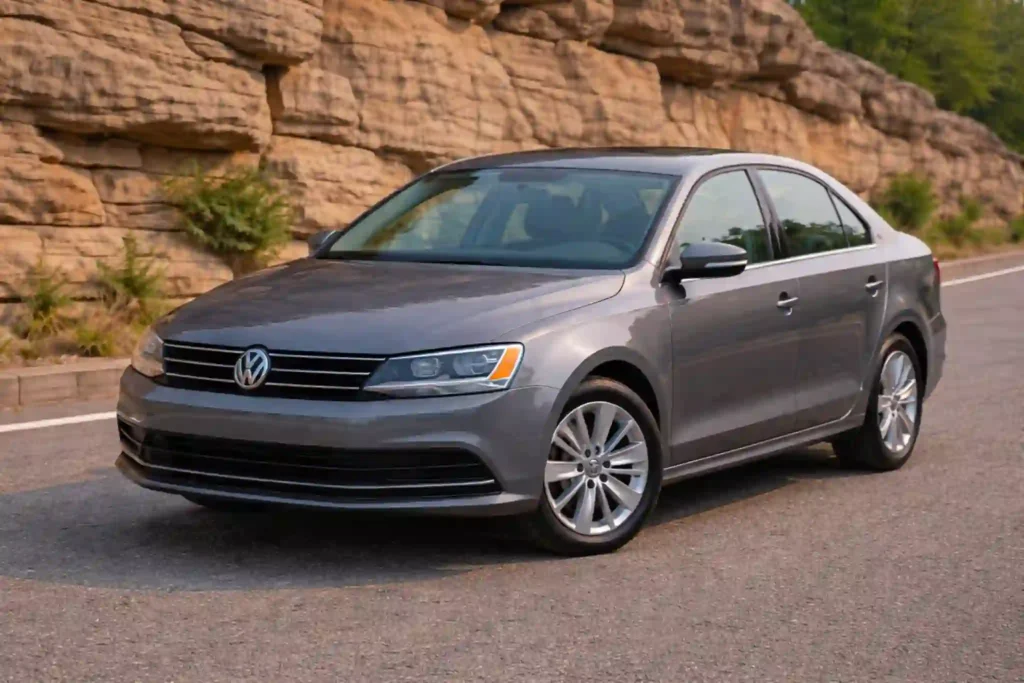
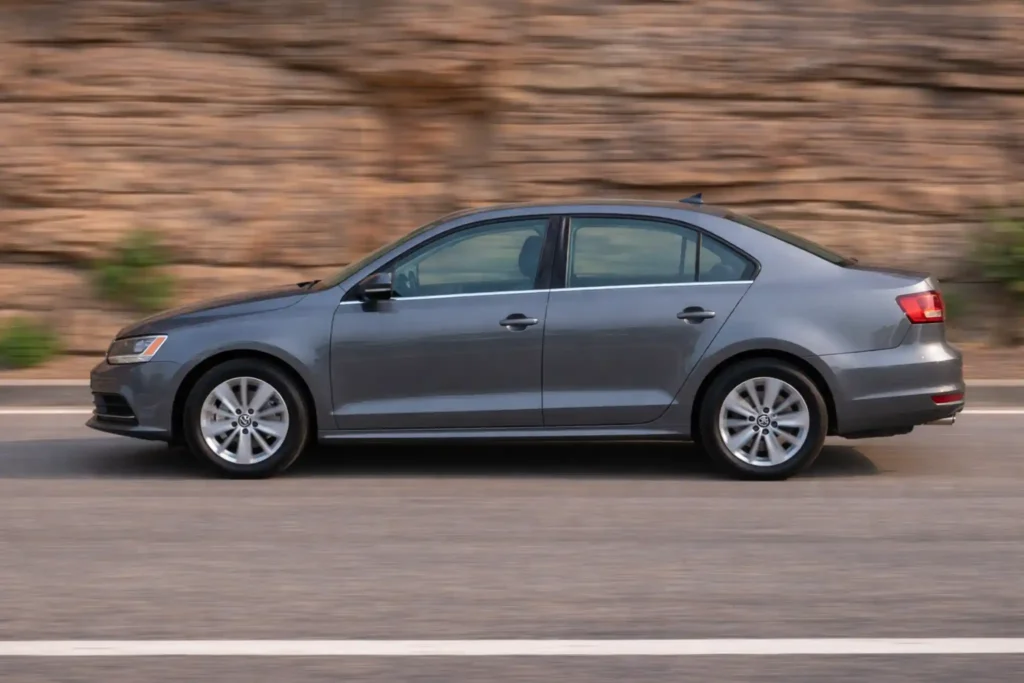
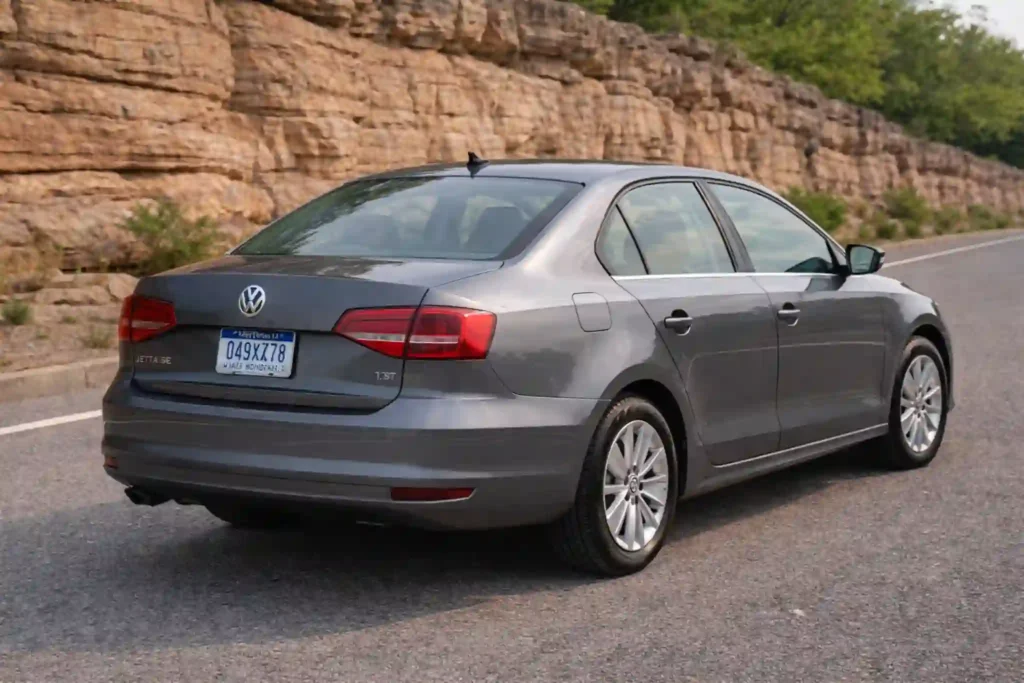
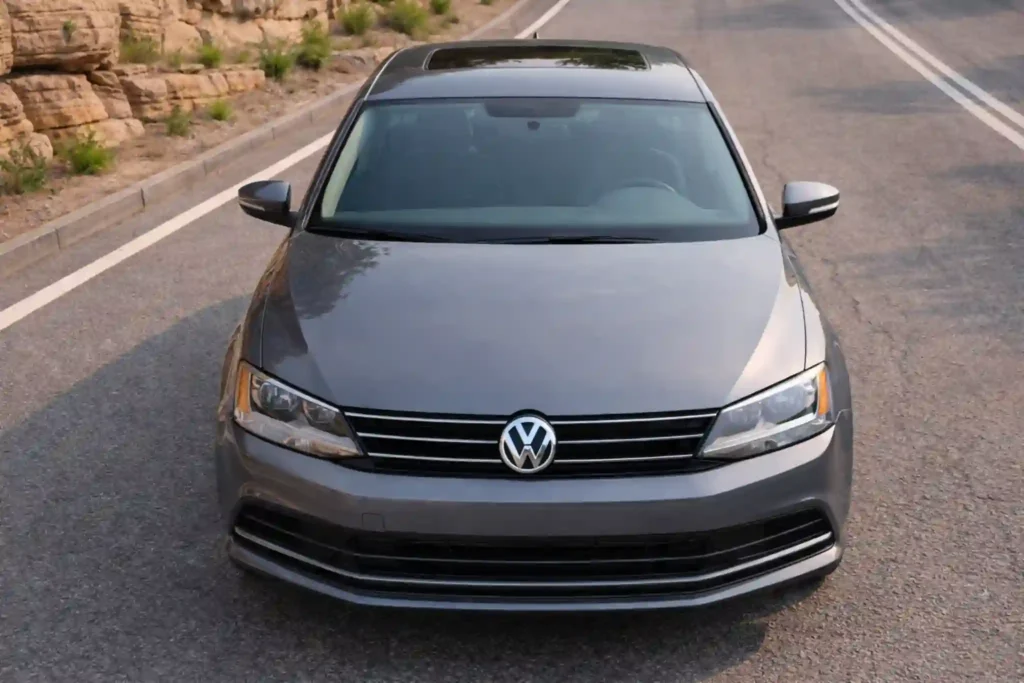
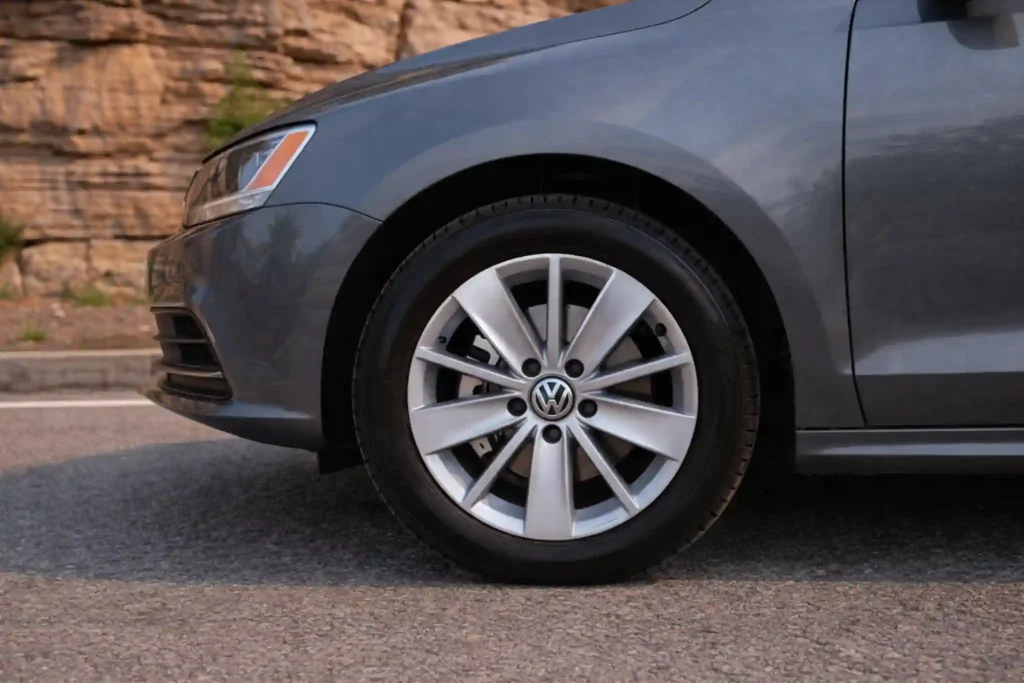
The 2015 Volkswagen Jetta SE lands as a refreshed version of the mellow 2014 model, modified with LED-ringed bi-xenons that make you look fancier than you actually are and a retuned suspension that still clings to the older PQ35 architecture rather than the newer MQB platform used by the Golf. Under the hood sits a turbocharged four-cylinder pushing 170 horsepower through front-wheel drive (FWD), which feels genuinely pleasurable in the compact sedan field, though those craving true hot-hatch aggression might find themselves eyeing alternatives like the Nissan Juke Nismo instead. VW did cut costs in less visible ways, but the 1.8T SE keeps rear disc brakes and a proper multi-link rear suspension, even if the tuning favors comfort over aggression. The Sport trim throws in a leather steering wheel with contrasting stitching, 17-inch wheels, navigation, fog lights, and a subtle spoiler that won’t get you laughed at, all hovering around a starting price of $25,000 that undercuts the Mk6 GTI while still making you question VW’s commitment to true sportiness.
What's New for 2015
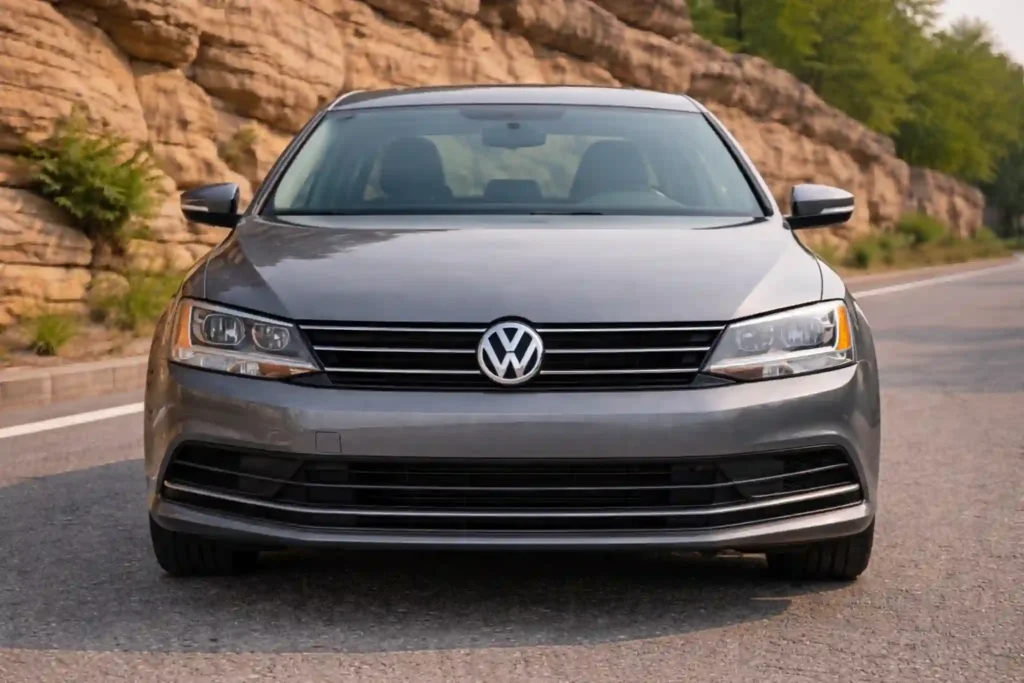
VW terminated the old 2.5-liter five-cylinder and swapped in a 1.8-liter turbo four, which marks the advent of actual decent fuel economy in this thing, while the exterior got slightly revised fascias front and rear that you’ll need a magnifying glass to spot. The real changes hide under the skin with grilel shutters that close at speed to cut wind resistance by a few percentage points, plus new LED daytime running lamps and available bi-xenon headlights that give the Jetta an upscale look it honestly didn’t earn. Call it a subtle refresh but significant under the hood, because that turbo motor transforms the flow of power compared to the wheezy old five-banger, even if the styling improvements scream conservative-leaning styling with their clean lack of fussy cladding or boy-racer nonsense. Does it suddenly have class-up appeal that’ll make your neighbors jealous? Not exactly, but at least it won’t actively embarrass you at the valet stand anymore.
Pricing, Trim Levels, and Best Pick
The Jetta lineup kicks off at a $17,345 base price-range for the stripped S model (add $820 Destination Charge to every number I’m throwing at you), jumps to $18,995 for the SE, hits $21,715 for the SE w/ Connectivity, lands at $23,145 for the SEL, and tops out at $25,380 SEL Premium, though my tester rang up $26,160 AS TESTED with options that frankly felt unnecessary. Here’s what’s impressive: VW priced this thing lower than competitors like the Civic and Corolla, which explains why three-fourths sales come from budget buyers chasing a reasonably-priced package that feels German without the German price tag. My pick? The SE at $20,810 total MSRP gives you the turbo motor, decent features, and doesn’t make you feel cheap, sitting $6,800 less than a comparable Mazda 6 in what VW clearly sees as bargain territory for gasoline-powered sedans. Skip the $25,340 fully equipped SEL unless you desperately need leather seats to impress your carpool.
Powertrain, Transmission, and Driving Dynamics
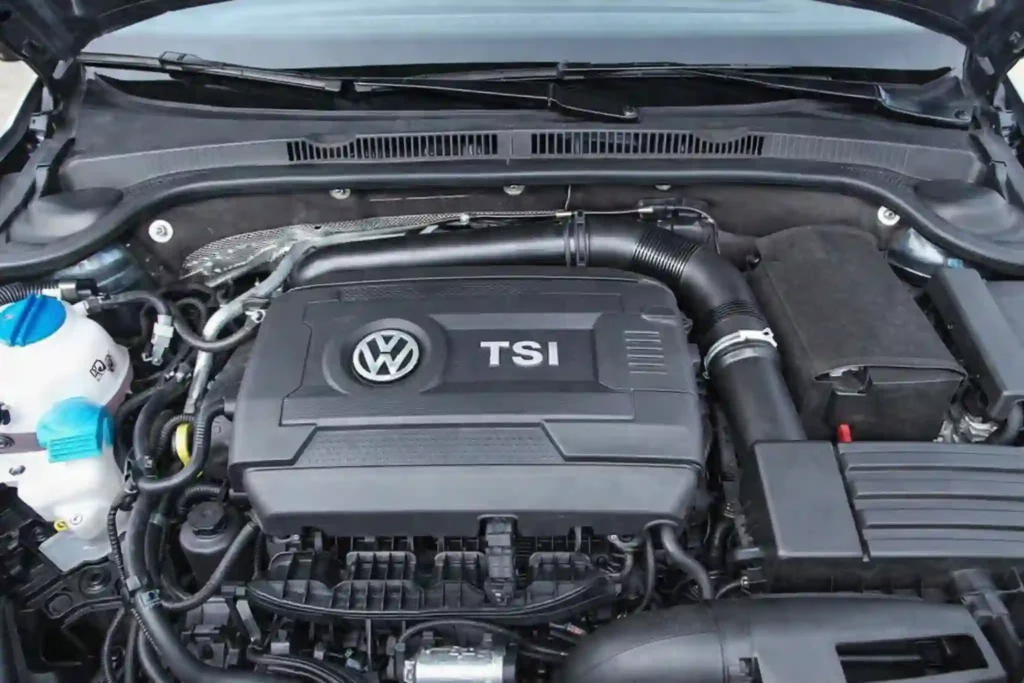
The 1.8-liter turbo under the hood cranks out 170 horsepower and 184 lb-ft of torque starting at just 1,500 rpm, which means you get actual smooth power down low instead of waiting for boost like some caffeinated sloth. There’s little to no lag when you stab the throttle, and this torque-heavy four-banger delivers playful response with a pleasant growl that makes you want to redline with gusto on highway onramps, even if you’re just merging into traffic like a responsible adult. Compared to the old 2.0-turbo from the GTI or the wheezy 2.0-liter naturally aspirated option or even the 2.0 TDI diesel that takes forever to wake up, this 1.8T engine performance hits a sweet spot between forward thrust and efficiency. The availability of either a five-speed manual or six-speed automatic (not the fancy dual clutch from pricier VWs) gives you options, though I’d skip the stick unless you love shifting in traffic, because the auto’s downshift timing is programmed well enough to keep you in the band without hunting gears like a confused teenager at prom.
The gearing keeps the engine humming at low revs in top gear during highway cruising, which helps momentum and fuel economy, though the six-speed automatic could use one more ratio for truly relaxed expressway passing. What really matters is responsiveness during real-world driving, and the on the line acceleration feels peppy enough for highway merging without making you look like you’re winching yourself up an incline. The experience of actual control over forward thrust makes this feel less appliance and more engaging, even if the status as a budget sedan means you’re not exactly setting lap records—and frankly, you get comparable everyday zip from something as boxy as a Kia Soul without the sedan pretense. Does the turbo four pack verve that’ll make you grin on gentle curves? Sure, but let’s not pretend this thing has the fun drive factor of something actually sporty.
The chassis well sorted part is half true, because VW gave this thing a four-wheel independent suspension with strut-type front geometry, coil springs, telescopic dampers, a multi-link rear setup, and an anti-roll bar at both ends that fights body roll during cornering. The steering feel comes via electromechanical speed-sensitive assist that gets lighter at higher speed, and while it’s reasonably communicative, precise, and properly weighted for a commuter, calling this a corner carver or serious handling car would be generous. The front wheels will pull slightly under hard acceleration thanks to torque steer, the reduced weight compared to bigger sedans helps it feel nimble through potholes and bumps, and the carving capability exists if you squint hard enough during a spirited drive. But here’s the rub: the thinness of seat support laterally means you’re sliding around like a hockey puck when actually trying to hustle, the damping characteristics lean toward comfort over sporty, and the overall balance between ride quality and handling feels tuned for people who don’t care about either extreme.
The good brakes feature disc rotors all around (well, vented up front and solid in the rear because cost cutting), with power-assisted stopping that feels confident, straight, and true during hard stops with zero pedal fade even after repeated abuse. I tested this thing during a winter snowstorm and the control remained predictable, the avoidance maneuvers felt planted, and the overall experience reminded me why VW still has a reputation for solidity even when they’re pinching pennies. Is this the most engaging sedan you can buy for the money? Not even close. But the combination of turbo responsiveness, decent handling, acceptable ride quality despite occasional harsh impacts over frost heaves, and enough verve to make your commute tolerable adds up to a package that works better than it has any right to at this price point.
2015 Volkswagen Jetta 1.8T SE Fuel Economy Test
The EPA-estimated ratings promise 25 mpg city, 37 mpg highway, and 29 mpg combined, which sounds decent until you remember the EPA probably tested this thing on a dyno in a hermetically sealed bubble staffed by EPA testing conditions that don’t reflect real-world traffic. My real-world testing across 291 miles of Southern California stop-and-go hell netted me 27.9 mpg actual, while a highway loop with a 75 percent pattern of cruising saw me averaged at 31.1 mpg, landing closer to 30 mpg highway when I kept my lead foot in check. The 14.5 gallon gas tank capacity gives you roughly 425 miles before refueling if you drive like a normal human, and the fact it runs on regular unleaded with premium not required means you’re saving enough on gasoline rates to justify that daily latte habit. My consumption tracking and utilization during operation showed the turbo four can actually match the window sticker numbers without extracting some quiet penalty on fun, delivering solid per extended range capability that makes this sedan feel less like punishment and more like an average commuter car that accidentally got the good engine.
Interior, Comfort and Space
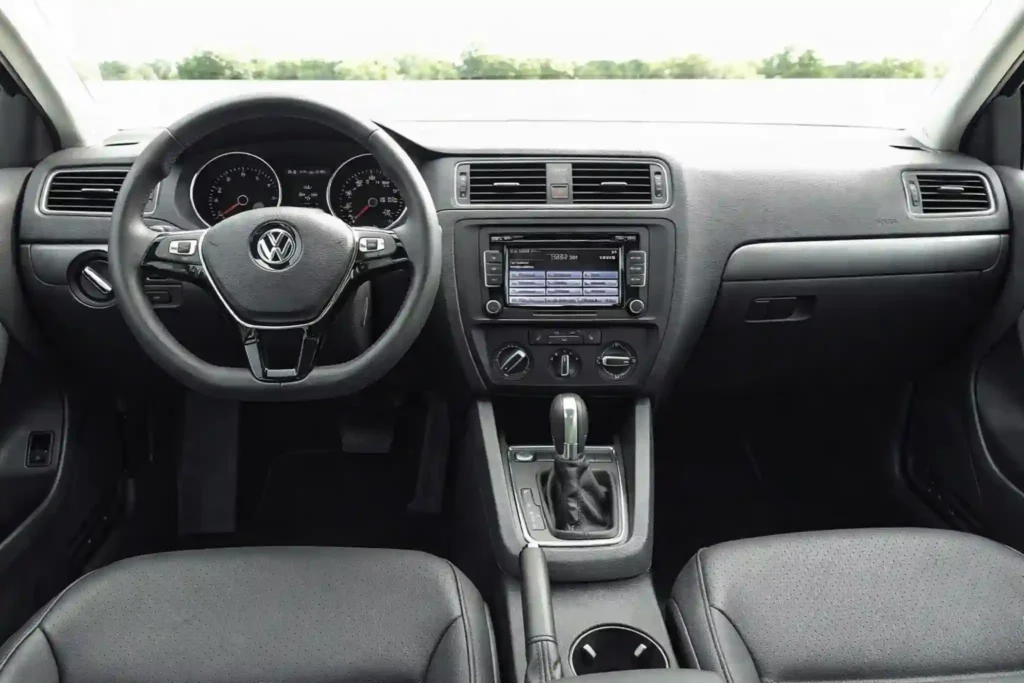
Slide into the Jetta and you’re greeted by a soft-touch dash topped with aluminum-silver trim and piano black pieces that pick up fingerprints faster than a crime scene investigator, but at least VW nailed the fit finish with that German tight assembly quality that makes everything feel solid when you slam the door. The updates include Cornsilk Beige heated V-Tex leatherette seats (fake leather that actually doesn’t feel horrible) with decent bolstering and a multifunction leather-wrapped steering wheel mounted on a column with proper telescoping position and height adjustments, plus lumbar settings on the driver’s adjustable side that I actually used during long drives without my back staging a revolt. Sure, there’s some soft plastics mixed with fake woods and the occasional chrome accents that scream “we’re trying,” but VW skipped most of the design gimmicks and ambient lighting nonsense that infect pricier cars, leaving you with an instrument cluster featuring deep-set faces for glare elimination and an overall vibe that’s comfortable seating without pretending to be something it’s not.
The spaciousness genuinely surprised me because at 5′ 9″ I had ample head clearance under the arcing roofline and the cloth headliner, while my 6-foot-tall buddy in back enjoyed leg room 38.1-inches deep without kicking my seat like some passive-aggressive toddler on a Southwest flight. The spacious cabin layout includes a center console with a covered storage bin, 2 12V DC outlets for charging your life support devices, carpeted mats that actually stayed in place thanks to proper anchors, a foot rest on the left side with metal-look detailing, and cup holders that are massive enough to handle your Big Gulp shame without tipping over during turns. Little touches like map lights, illuminated visors with a passenger vanity mirror, a day-night rearview mirror, mini overhead storage, and full floor mats show VW sweated some details, even if the urethane shifter feels cheap and the cupholders have cheap hinges that’ll probably break after 50,000 miles of abuse.
The tunnel running down the middle doesn’t eat into lateral appointments too badly, the seats have flat bottoms with enough padding for intrusion reduction during bumpy roads, and the panel insert work on the doors adds visual interest without looking like a plasticky mess. Does the lack of a proper cupholder in the rear center armrest annoy me? Absolutely. Would I have preferred real aluminum instead of the metal-look trim pieces scattered around? Sure. But for a car playing in budget sedan territory, the interior delivers actual spaciousness and comfortable seating that works for real humans doing real commutes, which frankly puts it ahead of half the economy cars I’ve tortured myself in over the years.
Cargo Space & Family Practicality
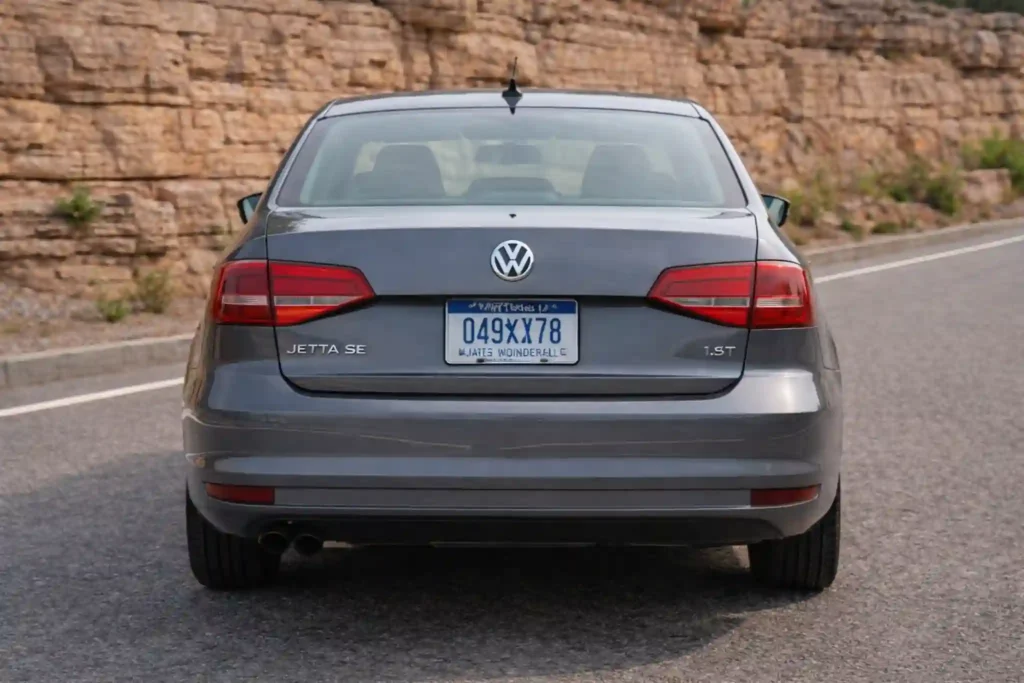
Pop the trunk lid aerodynamic trailing edge and you’re staring at a massive trunk measuring 15.5 cubic feet trunk volume, which VW proudly calls class-leading trunk space in the compact sedan segment, and honestly they’re not lying for once. The trunk rear cargo access via cargo access power remote makes loading groceries easy, cargo space lights actually illuminate the whole area instead of that one dim bulb most cars give you, and the 60/40 folding rear seat drops down to swallow skis through a ski pass-through opening in the folding armrest when you pretend you’re athletic enough to actually use them. Sure, cheap hinges noticeably intrude into the cargo area and eat some usable volume, but the storage capacity remains solid enough for airport runs, Costco hauls, and that IKEA furniture you’ll assemble wrong three times before admitting defeat. When VW says spacious interior not exaggeration, they’re actually telling the truth because the rear seat accommodate three adults without making everyone hate each other, though for longer trips two rear seating preference keeps things civilized and prevents the middle passenger from becoming a human armrest.
The family car capability extends beyond just the trunk because VW scattered storage cubbies everywhere like they were trying to win a prize for most hiding spots. You get front door bins big enough for water bottles, rear door bins that actually hold stuff instead of just existing for show, a seatback storage pocket on each front seat for magazines nobody reads anymore, full floor console covered storage that hides your fast food receipts and spare change, plus a mini overhead console storage bin for sunglasses and toll transponders. Does this thing haul as much as a crossover? Obviously not. But if you’re shuttling kids to soccer practice, loading weekend camping gear, or just living your normal suburban life without needing a vehicle the size of a studio apartment, the Jetta’s practical layout actually works better than half the bloated SUVs clogging up parking lots while their owners complain about gas prices.
Infotainment, Connectivity & Tech
The touchscreen stereo works fine for basic Bluetooth audio streaming and the six-speaker sound system pumps out deep crisp tones that won’t make audiophiles weep, but here’s the odd decision: VW included a media device interface (MDI) with an iPod cable designed for older units instead of just loading up on standard USB ports like every other carmaker figured out in 2012. The target demographic issue becomes obvious when you realize most people under 40 haven’t owned an iPod since the Obama administration, though at least you get AM/FM radio, a CD player for your dad’s road trip mixes, MP3 playback, SiriusXM Satellite with a 3-month trial subscription you’ll forget to cancel, and VW’s SD card slot that nobody asked for but exists anyway. The must road setup includes functional buttons switches for climate placement and plus music controls that actually make sense, a computer display showing trip info, cruise control that works smoothly, air-conditioning with a pollen filter for allergy sufferers, variable intermittent windshield wipers with heated washer nozzles, and windows one-touch pinch protection so you don’t accidentally guillotine your fingers like some medieval punishment.
The fancy stuff includes push-button start with an integrated key transmitter, remote entry and keyless proximity access that lets you unlock without fumbling for keys like a drunk trying to get into their apartment at 2am, a panic button you’ll never use except by accident in parking lots, a tilting sliding sunroof that leaks zero times in my testing, and a delayed accessory camera for backing up that takes just long enough to activate that you question whether it’s actually working. Is this tech package going to blow your mind? Absolutely not. But it covers the basics without making you feel like you bought a car from 2005, even if that MDI iPod cable nonsense suggests VW’s engineers were definitely stuck in the past when spec’ing this thing out.
Safety Features & Driver Assistance
The Jetta posted strong IIHS crash-test results and earned a NHTSA 5-star overall crash-test rating, formally known as the U.S. Government’s NHTSA 5-Star Overall Vehicle Score. That performance is backed by a comprehensive safety setup, including six airbags, dual-stage front airbags, seat-mounted side airbags, and full-length curtain airbags for both rows, along with an occupant detection sensor that suppresses passenger-airbag deployment when the seat is empty. Structural side-impact beams further reinforce the cabin, providing a level of protection that meets top-tier expectations for the compact sedan class.
You get electronic stability control (ESC) to keep you from spinning out like a Fast and Furious extra, a tire pressure monitoring system (TPMS) that nags you when your tires are low, an intelligent crash response system (ICRS) that unlocks doors and cuts fuel after a crash, anti-lock-braking system 4-wheel with brake assist and hill hold control, and four-wheel disc brakes front vented rear solid that stop you before you rear-end that Prius doing 43 in the fast lane. The safety belts feature height adjusters, pretensioners on the outboard front lap shoulder safety belts and proper rear center 3 point safety belts instead of that useless lap-only garbage, plus rear child safety locks for when your kids discover how door handles work.
Here’s where VW gets cheap: advanced features like forward collision warning, blind spot monitor, and rear traffic alert only come in the optional driver assistance package that costs extra, which feels stingy when a Honda Civic throws half this stuff in standard. I get it, this is a budget sedan, but would it kill them to include blind spot monitoring when literally every soccer mom in America has perfected the art of changing lanes without looking? At least the basics are solid, the structure earned top marks in crash tests, and you’re not gambling with your life every time some texting teenager drifts into your lane on the 405. Is this the safest car on the planet? No, but it’ll protect you better than that 2003 Corolla you’re probably still driving.
Warranty and Ownership Costs
VW throws a three-year, 36,000-mile basic coverage at you plus a five-year, 60,000-mile drivetrain warranty that’s fairly reasonable compared to the 10-year, 100,000-mile powertrain deals Hyundai and Kia dangle like carrots, but at least they included a one-year, 12,000-mile first scheduled maintenance plan so your oil changes don’t immediately drain your wallet. You get roadside assistance for the three-year period, a 12-year, unlimited mileage corrosion perforation warranty that’ll outlast your attention span, and honestly the whole package feels comprehensive enough to not make you panic about repair bills during those early ownership years. The long-term value proposition depends heavily on whether you’re buying new or used, because while these cars hold up decently, German parts and labor ain’t exactly Honda Civic money when stuff eventually breaks. Is this warranty coverage going to win awards or make you weep tears of joy? Nope, but it covers the essentials without making you feel like VW’s trying to nickle-and-dime you from day one.
Final Verdict: Should You Buy the 2017 Chevrolet Camaro V6?
Here’s the deal: VW righted initial misstep with this sixth generation update by addressing the four demons exorcised from earlier models, meaning they ditched the torsion beam rear suspension nonsense on higher trims, thirsty 5-cylinder replaced with the 1.8-liter turbo that delivers top-notch mileage, added cabin smoothness and muting noise that turn highway drives into distant memories of the old rattly Jetta, and generally made this thing a deserved compelling proposition in the compact sedan class. The most rewarding part? You’re not penalized for choosing this over a Ford Focus or Civic because the affordability standout nature means you get German reputation and build quality without being priced out like you would with a hybrid or fancier trim, plus the easy availability optional features let you load up on popular desired content without making your bank account weep. Sure, it’s plain-looking and visually aged compared to the newer lineup models, a missed opportunity to make something truly striking and handsome that doesn’t scream “rental car,” but the enjoyable slickness of the turbo motor, general pleasure of the interior, and continued advantage in practicality make this one of the better choices given expense versus what you actually get.
My personal take? If your lifestyle needs include commuting without wanting to claw your eyes out, hauling humans and cargo with ease, getting decent fuel economy, and enjoying a happy blast on twisty roads when the mood strikes, the Jetta 1.8T SE sits in the right place at the right price point location in the market. The goodness abundance here isn’t about being a fantastic wizard that transforms driving into some transcendent experience, it’s about being all basically solid without major flaws that’ll make you regret your purchase three months in. Does the ranking among best-selling compact sedans justify tag and reputation? Yeah, mostly, because VW delivered minor important updates that matter in daily use even if they don’t sound sexy in a spec sheet. Will you enjoy owning this thing? If you value competence over flash and can live with styling that won’t turn heads at the valet stand, absolutely.
| SPEC | DETAIL |
|---|---|
| Engine | 1.8-liter turbocharged inline-4 (TSI) |
| Drivetrain | Front-wheel drive (FWD) |
| Power / Torque | 170 hp @ 4,800–6,200 rpm / 184 lb-ft @ 1,500–4,750 rpm |
| 0–60 mph | ~7.3–7.6 seconds (automatic) • ~7.0–7.3 seconds (manual) |
| Quarter Mile | ~15.6–15.9 sec @ ~90 mph |
| Top Speed | ~126 mph (electronically limited) |
| EPA Fuel Economy | Manual: 25 city / 37 highway / 29 combined • Automatic: 25 city / 37 highway / 29 combined |
| Real-World MPG | ~27–31 mpg combined (mixed driving average) |
| Fuel Tank | 14.5 gallons |
| Transmission | 5-speed manual • 6-speed automatic |
| Suspension | Independent MacPherson strut front • Independent multi-link rear |
| Brakes | 4-wheel disc with ABS, brake assist, stability control (vented front / solid rear) |
| Wheels / Tires | 16-inch alloy standard • 17-inch alloy available |
| Curb Weight | ~3,060–3,150 lbs (depending on transmission/options) |
| Body Style | 4-door compact sedan |
| Platform | Volkswagen PQ35 platform |
| Cargo Capacity | 15.5 cu ft (trunk) |
| Seating | 5 passengers |
| Author | Hafiz Sikandar, automotive journalist and senior editor at VyoCar. |
|---|---|
| Expertise | Automotive testing and reviews since 2016 Road-testing and reviewing a wide spectrum of vehicles, from performance-focused sedans to practical daily drivers, with an emphasis on real-world drivability, ride comfort, chassis behavior, interior usability, and long-term ownership impressions across varied driving conditions. |
| Focus Areas | Gas-powered and electrified vehicles, sport-oriented sedans, crossovers, and value-driven premium models, analyzed through the lens of everyday livability, handling balance, cabin refinement, technology integration, and overall ownership value. |
| Disclosure | All vehicles reviewed are evaluated independently. Manufacturers have no influence over testing methods, editorial direction, scoring, or final verdicts. Performance figures, fuel economy observations, and driving impressions are based on hands-on testing conducted over mixed city, highway, and suburban use. |