
Pros & Cons
- V6 delivers surprising punch.
- Spacious adult-friendly cabin.
- Retro styling actually works.
- Sightlines require sonar technology.
- Handles like a cruise ship.
- Recall list never ends.
2015 Dodge Challenger SXT Review with Vyocar
Overview
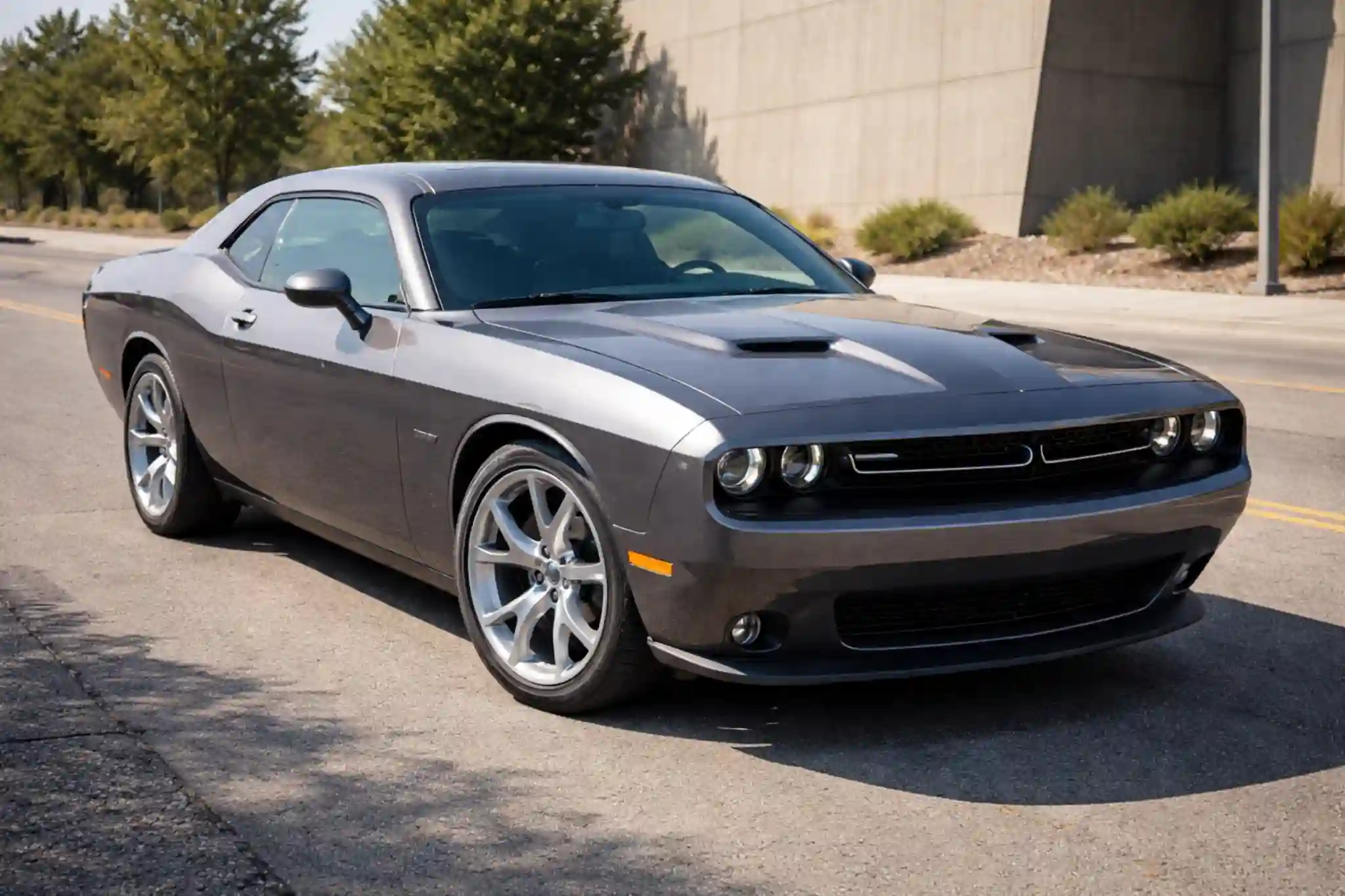
Look, I’ll be straight with you. The 2015 Dodge Challenger SXT isn’t trying to be more than Lamborghini Aventador fast, and that’s exactly why I like it. This retro-styled muscle car packs 305 horsepower and 268 pound-feet torque from its base V6 engine, which sounds modest until you remember most sedans dream of those numbers. The Pentastar under there delivers ponies under hood that make cruising feel effortless, paired with an eight-speed automatic transmission, also found in the Dodge Charger R/T, that shifts smoother than my excuses for buying another car. It’s a boulevard bruiser that knows its lane.
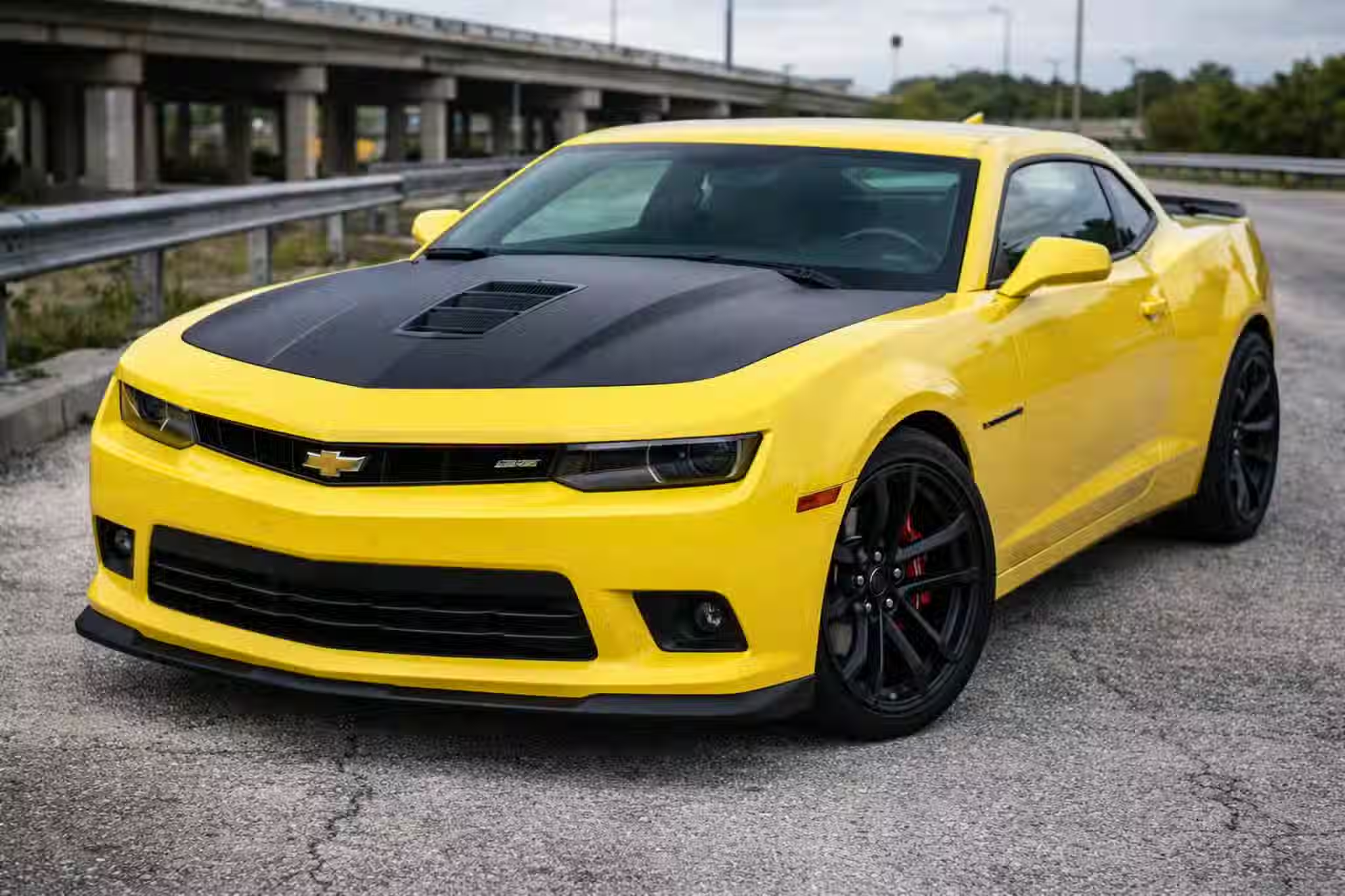
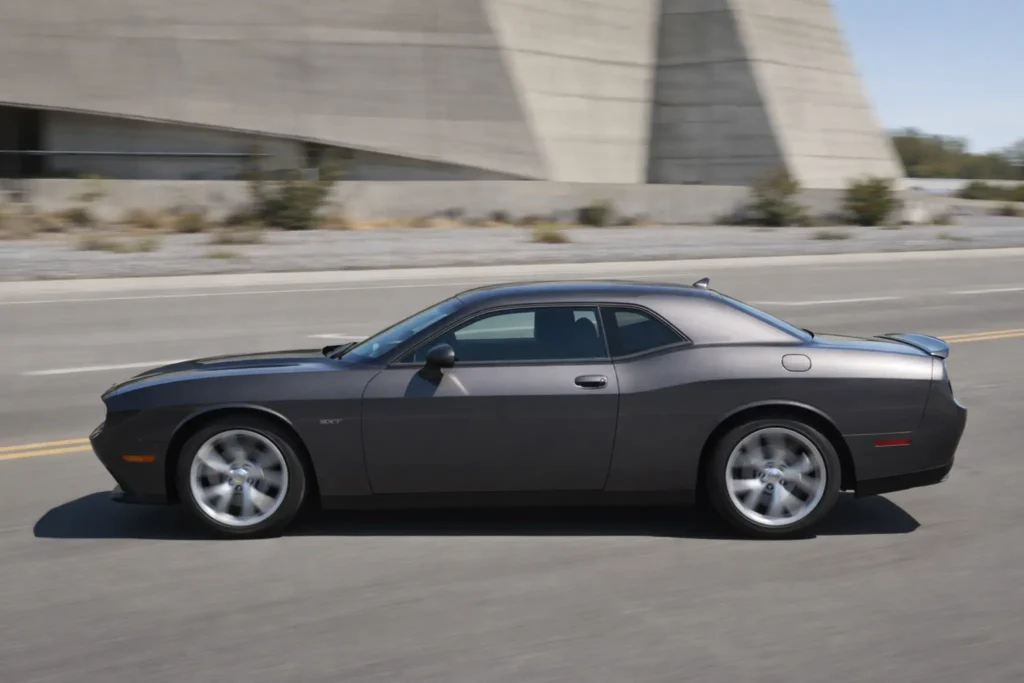
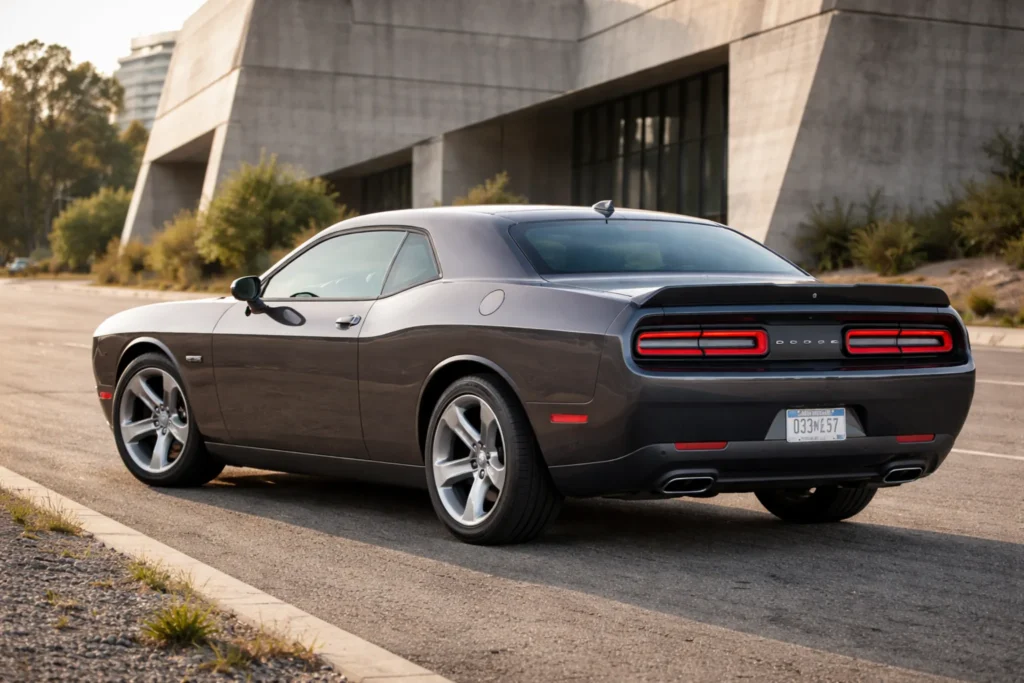
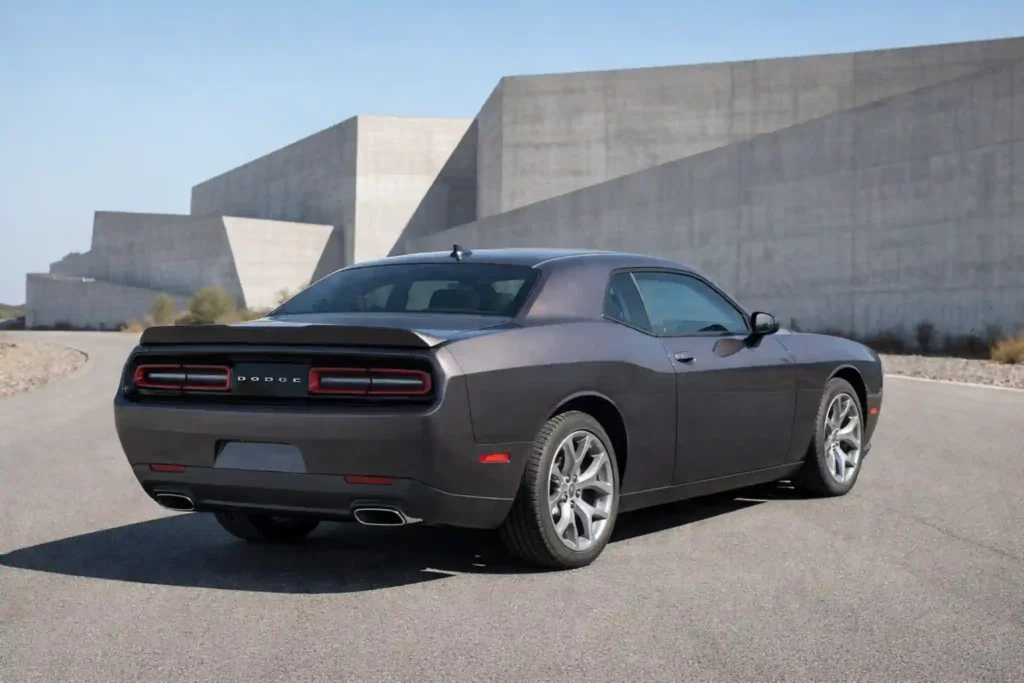
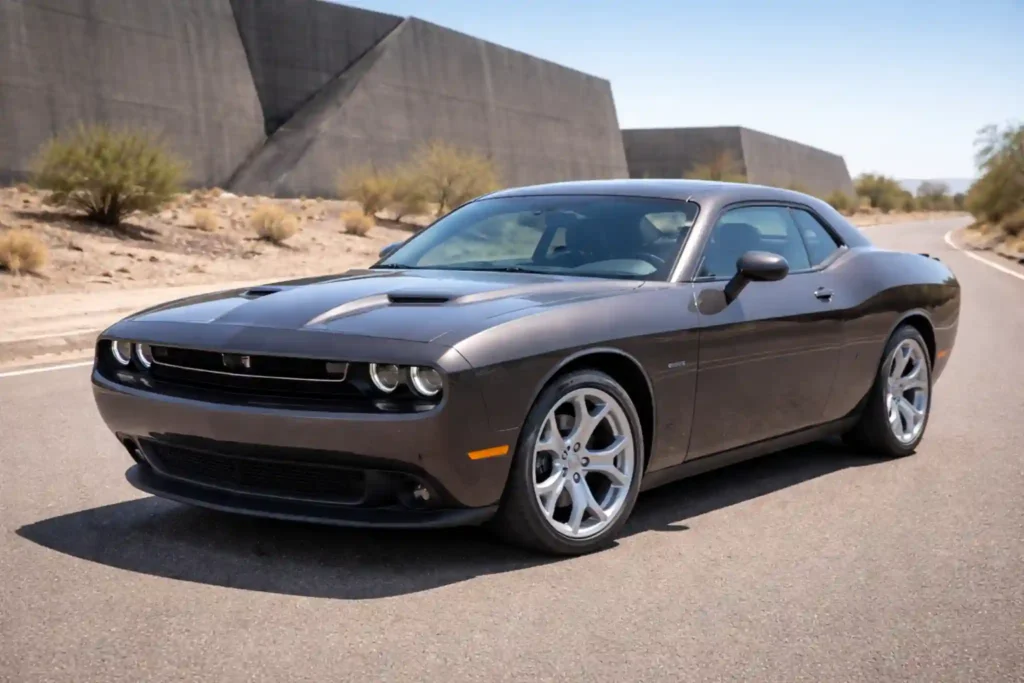
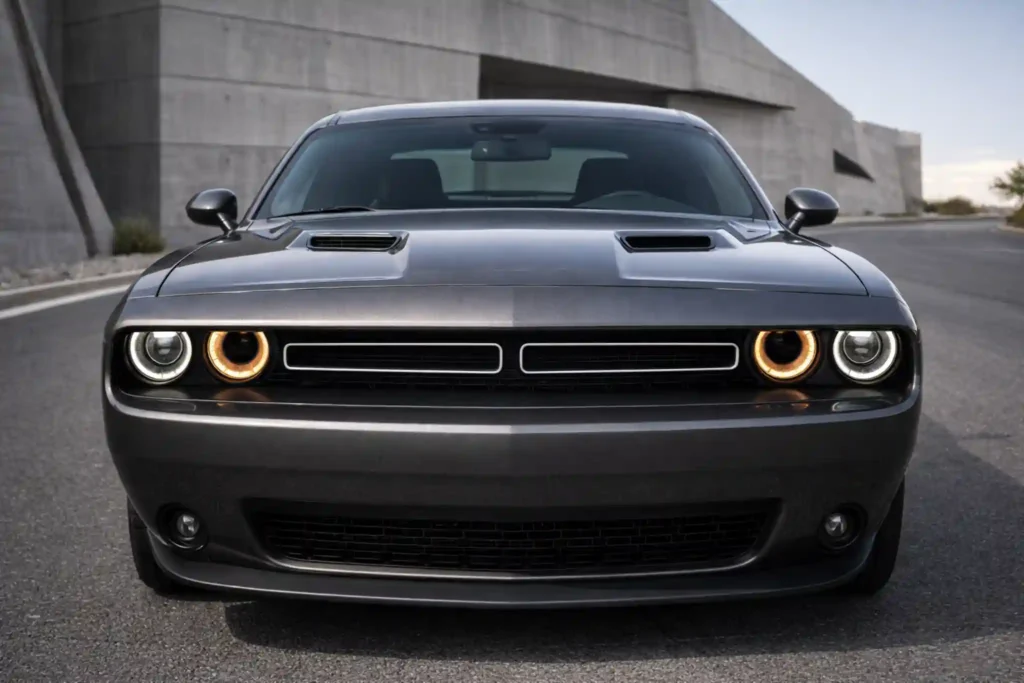
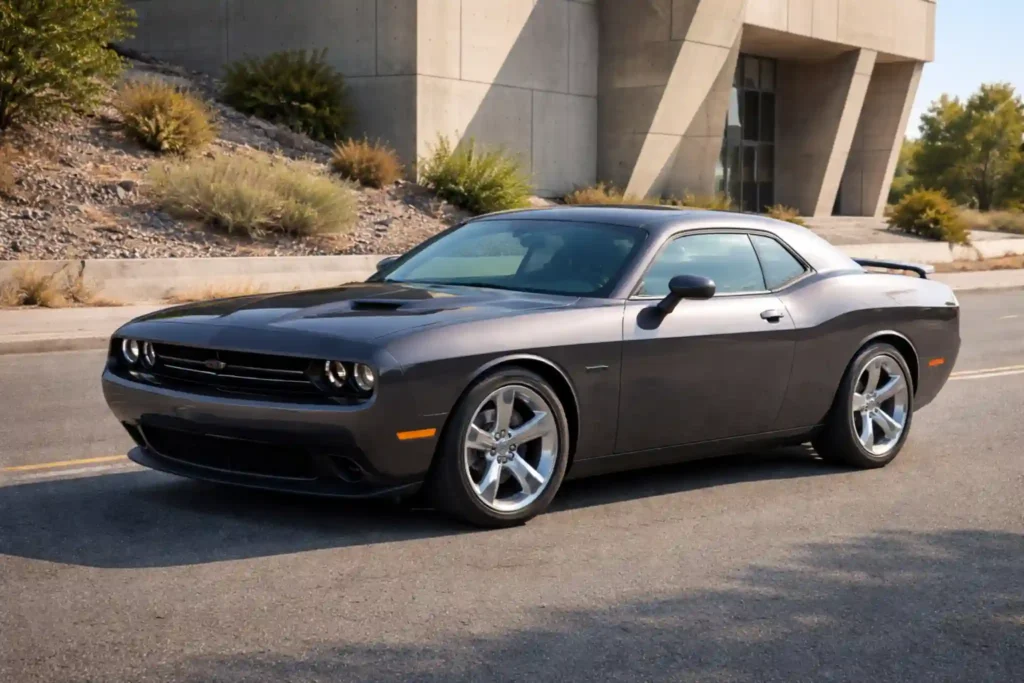
The exterior screams 1971 Challenger inspiration with those classic lines, swapped grille, and 1970-style taillights that make people spot you from three blocks away. Those chunky rear roof pillars murder your rearward visibility when maneuvering, but hey, that’s why Dodge blessed it with parking sensors. The high beltline makes you feel like you’re sitting in a bathtub, though the updated styling keeps this modern coupe from looking like a pure museum piece. Sure, there’s a big near-500-hp V8 option if you hate your tires, but the V6 daily driver actually makes financial sense, especially when rivals demand Chevrolet Camaro SS 1LE money for track-focused hardware you’ll never use on your commute.
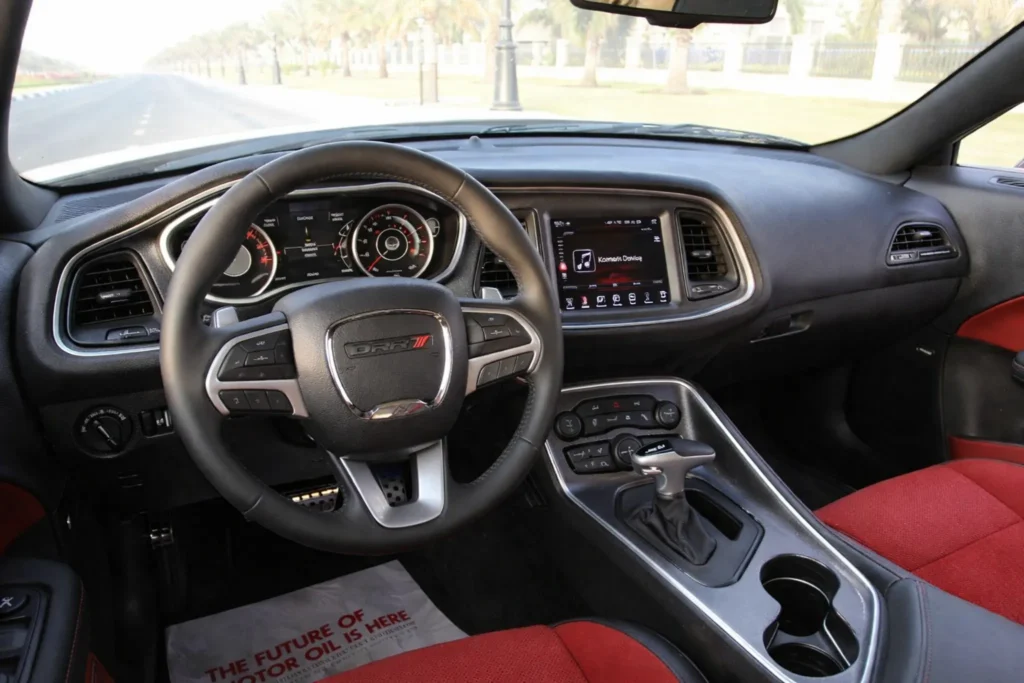
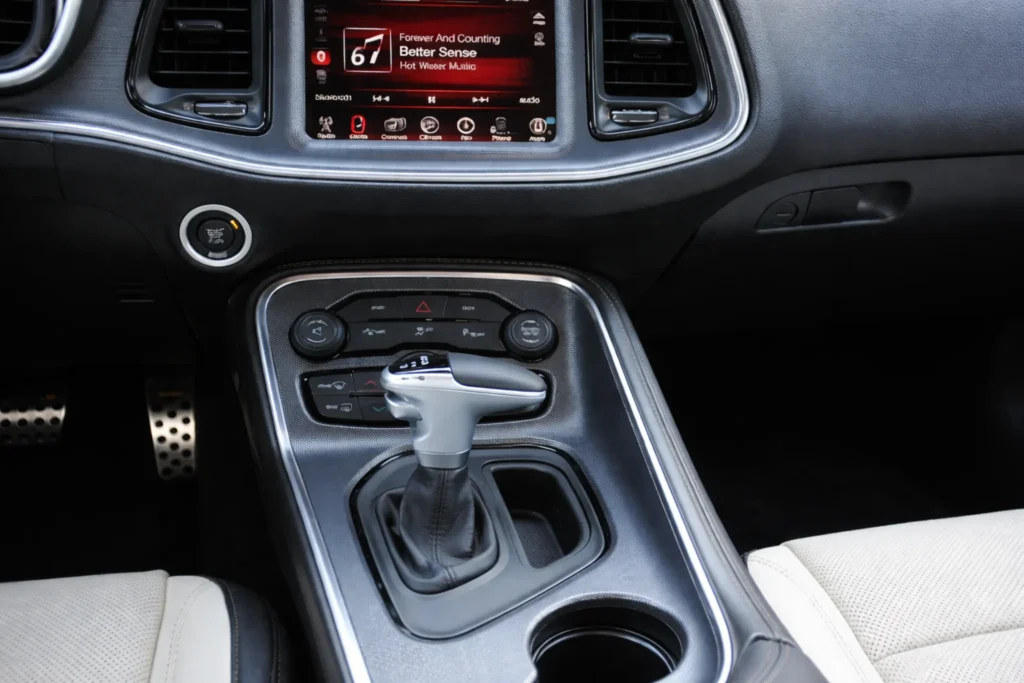
Inside, the driver-centric theme shows up via a canted dash, T-handle shifter, and small-diameter steering wheel that feels right in your hands. The console features 1971-inspired units with a configurable central display and intuitive layout that gives you quick responses without a PhD. Front buckets offer sport side bolstering but flat lateral support where it counts, wrapped in leather with simulated suede and metallic accents that suggest higher-quality materials than you’d expect. The backseat roomy enough for two adults on long-distance drives, making this five-seat domestic a legit road tripper. Completely keyless ignition is standard because it’s 2015, not 1971.
What's New for 2015
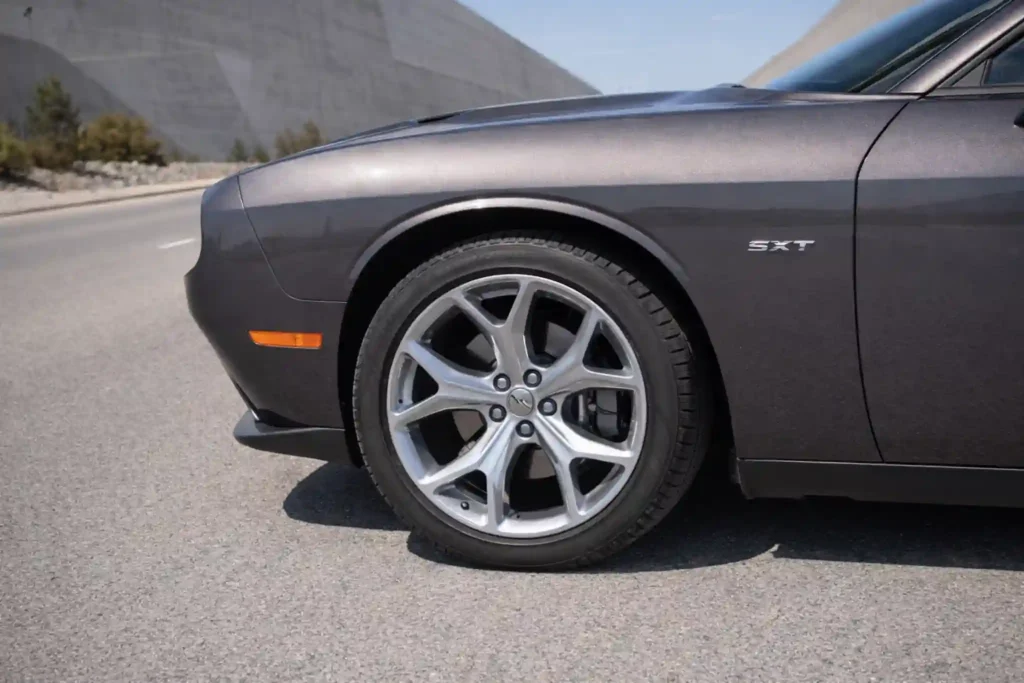
Dodge gave the Challenger a major overhaul for 2015, and honestly, it needed it. The real headline grabber is the SRT Hellcat with its supercharged 707 hp monster engine and outlandish details that make every parking lot feel like a Cars and Coffee event. But even if you’re not dropping Hellcat money, the whole lineup got revised and upgraded with a rare mix of talents that balances power, attitude, and surprising refinement. The luxury design touches actually feel premium now. You get a hood bulge that means business, LED-trimmed projection headlights that look like they cost more than they probably did, and this charming vintage chrome gas door that channels the original 1970s vibe without feeling like a costume party. The deep-reaching fascia and molded chin spoiler give it proper stance, and if you spring for the SXT Plus, you score fog lights and low-profile 20-inch wheels that make this thing look properly muscular.
Pricing, Trim Levels, and Best Pick
The base MSRP sits at $26,995 (not including destination fee of $995), which positions this muscle car as truly solid value in a raw segment where great prospective buyers want grunt without the heartache of a second mortgage. My tester rang up at $36,165 as tested, but here’s where it gets interesting. You’ve got seven trim levels sold in America, starting with the SXT and climbing through the R/T, Scat Pack, and the fire-breathing 392 variants. The SXT Plus I drove started at $28,844, but by the time I added the technology group ($1,495), convenience package ($695), Harman Kardon sound ($795), sunroof ($1,195), and Uconnect 8.4″ navigation ($1,400), we landed firmly in the $30k range at $30,990 before the super package and premium audio applique pushed it higher. Want my honest take on the sweet spot? Aim for the R/T at $31,685 or the SXT Plus around $29,995 with selective options. You’ll get an incredibly long list of standard features that make your monthly payment manageable while still getting that classic Challenger feel. Why pay $36,165 when you can feel like a Hollywood stunt driver for a few grand less?
Powertrain, Transmission, and Driving Dynamics
The 3.6-liter V6 in the base SXT cranks out 305 hp and 268 lb-ft of torque, which sounds fine on paper until you remember this thing weighs as much as a small moon. Want the optional 5.7-liter Hemi instead? Now we’re talking 375 hp and 410 lb-ft, and suddenly that zero to 60 mph run drops to a respectable 5.8 seconds. Still a bit slower than the V8-powered Camaro and Mustang, but who’s counting? Step up to the 392 Scat Pack with its 6.4-liter monster belting out 485 hp and 475 lb-ft, and you hit 4.5 seconds impressively fast. The Dodge Challenger R/T Plus bridges that gap between the standard Hemi and the Scat Pack with added creature comforts. The Hellcat? That 6.2-liter supercharged beast with 650 hp screaming through 275-width tires (compared to the Viper’s 335-width rubber) manages a 0-60 time of 4.1 seconds, an 11.9-second quarter-mile at 123.4-mph. Either way, every variant feels aggressively geared for straight-line acceleration, ready to outrun majority of traffic and blast down any highway or hustle away from a stoplight with rear tires spinning like a disco ball.
That Hemi delivers a fun snarl higher up in the revs, a lovely baritone that’s more satisfying than any podcast. The eight-speed TorqueFlite auto paired with a 3.07 ratio axle lets you select mode to tweak shift points and throttle responsiveness, which feel palpably changed between settings. Sport mode adds steering resistance and gives you a heightened sense of control even though the actual action barely differs in any on-street situation. Want to kick a gear down manually? The paddle mounted shifters work fine, but they’re more novelty factor than necessity. Brakes are pretty stout for daily use, though hammering a local course or blasting through turns reveals the Challenger doesn’t like to be rushed. It’s not as speedy or quicker through curves as the Chevrolet or Ford rivals with their track-oriented Z/28 and GT350 packages, which offer firmer, sharper, more agile setups.
The steering feedback is less communicative than I’d prefer but better than older muscle cars that felt like piloting a yacht through molasses. Is this the proper experience for thrilling canyon carving? Not really. The Challenger represents old-school straight-line drama, where massive V8s accelerate smartly, make noises, and enable burnouts that would make John Force proud. Its identifiable heritage-based style looks bulky yet athletic, imposing but somehow still tight enough for parking garages. Those narrow sightlines take practice, but once you adjust, this machine accelerates smartly enough to feel special without punishing you for choosing comfort over lap times.
2015 Dodge Challenger SXT Fuel Economy Test
The EPA-estimated city/highway/combined figures read 19/30/23 miles per gallon, but real-world testing over eight days with my heavy right foot told a different story. I averaged 20.2 mpg in mixed driving (55% driven highway, 45% city), while a hard highway loop at 70mph netted 22.8 mpg, proving the 25 mpg highway rating isn’t hard for the average owner to meet under normal conditions. The on-board diagnostic showed an accurate number of 18.75 gallons used over 162.4 miles, hitting 57 percent efficiency compared to the fine print promises. Look, this 8-speed automatic isn’t winning any fuel-friendly awards, but it’s not guzzling like you’d expect from a retro muscle coupe either. That’s actually impressive for something shaped like a brick with an attitude problem.
Interior, Comfort and Space
Slide into this stylish cabin and you’ll notice something weird happening at the center console. It’s like Kowalski’s Vanishing Point meets modern muscle, and honestly? That’s a very noteworthy improvement over the rental-car interiors Dodge used to phone in. The layout works well enough once you stop expecting German precision. Seats are comfy and covered in materials that won’t embarrass you at Cars and Coffee, though let’s be real, unless you’re remarkably tiny folks, the back seat feels exceptionally good-natured about squeezing in your friends for exactly one trip before they start requesting Uber. Up front though? Generously sized buckets that are positively enormous and plush, even borrowing some of that supportive bolstering you’d find in the Challenger SRT 392, rivaling some luxury sedans for sheer hauling capacity of your backside.
My chief complaint isn’t the tough plastics that are available everywhere you touch, it’s the huge help those heated ventilated seats provide while you navigate what I can only describe as a surprise spacious Chevy… wait, no, Dodge interior that somehow feels both retro and rental. The climate controlled cabin keeps most upholstery at the right temp, and the tilt-and-telescoping adjustments actually work. The tachometer and speedometer live inside these circular tach and speedo dials with large-diameter hubs, radial numbering, and concave faces that scream early ’70s instruments. It’s kind cool in a thumbing-your-nose-at-modernity way, though the small typeface on those radially numbered gauges requires squinting. The information display and customizable addition gauges on the info Pages are part of a comprehensive but reasonably user-friendly system.
Now the cramped footwell situation. Picture a claustrophobic bathtub where your leg keeps bumping that protruding door-pocket bottle holder during spirited cornering. The pedal spacing is tough if you’re wearing anything bigger than a toe shoe, and that bump against the door trim becomes your unwanted returning companion. Storage? Met expectations barely. Ample glove box, one open bin, 2 uncovered cup holders in a cubby near the arm rest, door pockets for passengers, seat-back pouches, and a pull-down center pass-through. Rear headroom clocks in at 3′ 5″, which isn’t much use to actual adults unless they’re hugging loosely shoulders and making peace with their spine. These ergonomic shortcomings sting a bit.
But step back and eyeball the gun metal silver or red or pearlescent blue paint options. You’ll absolutely love the color choices, because this thing is genuinely head-turning and beautiful whether you go black or get swayed by something brighter. Walking up to a brand spanking new Challenger still hits different. Does everything work perfectly? Not even close. But it nails the vibe.
Cargo Space & Family Practicality
You’re shopping for a $30,000 muscle car and wondering if you can actually drop things in the trunk without yoga certification. The 16.2 cubic feet cargo hold is something of a refreshing surprise here. The liftover height sits lower than you’d expect, making that quite opening floor easy to load, and the 60/40-split-folding rear seats fold with less hassle than my last IKEA bookshelf. Obviously this isn’t a hatchback, but for a big-male coupe that looks like it never left the personal-luxury Seventies and Eighties behind, the middle trunk does allow you to slide them behind the seats for longer cargo runs. It’s particularly useful if you’re the 50% shopper who wants friendly retro looks with actual substance.
This spiritual successor to the velour-free 1975 Cordoba gets modestly equipped build quality that’s vastly better than its ancestors. The tuning leans floaty over those soft underpinnings, which means your passengers won’t complain on an adult-friendly all-day trip. Think of it as your 1-A choice if you appreciate smooth transition from stoplight to stoplight without the fuel consumption guilt. The rear seats especially work for adults who haven’t been hitting the gym too hard. Unlike the Dodge Charger SRT8, which prioritizes performance over practicality, this offers four-door utility. Is it practical for hauling bulk? Not all-day, but it’s a muscle car that doesn’t punish you for being a grown-up with actual errands.
Infotainment, Connectivity & Tech
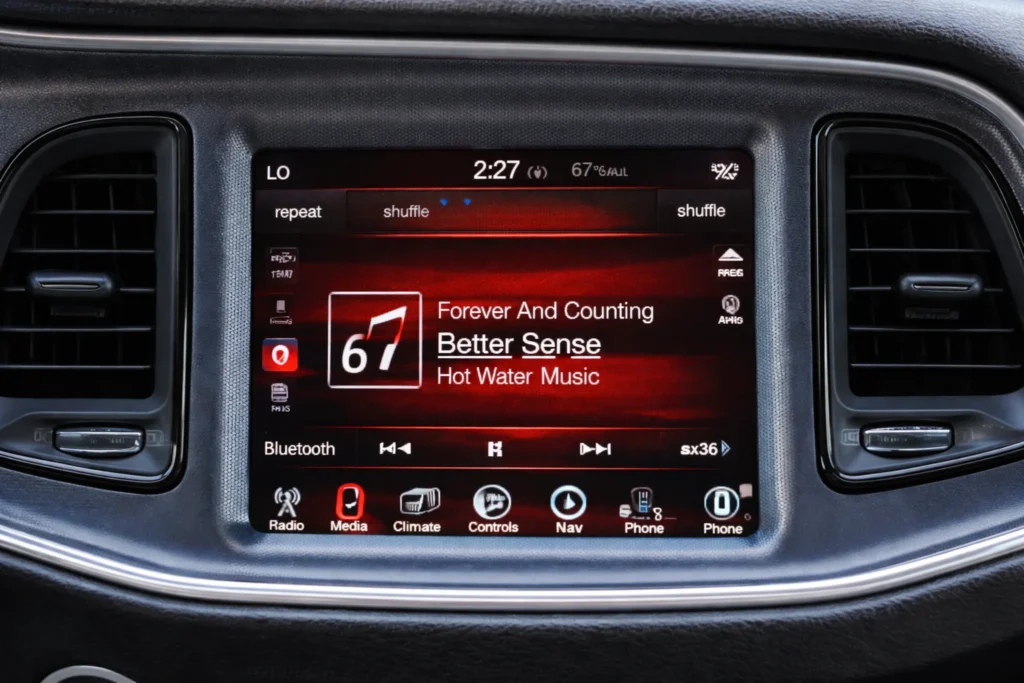
I’ve spent enough time in Chrysler and Jeep products to know what to expect from the infotainment system, and the Challenger SXT doesn’t disappoint if you’re realistic about it. The base 5-inch screen with its multifunction large virtual buttons gets the job done without making you feel like you’re piloting the space shuttle. Want more? The optional new 8.4-inch touchscreen interface is genuinely one of the better setups awarded to the American market that year, responsive enough that you won’t want to throw your coffee at it. The stack of knobs for basic stuff like fan speed function feels right, actual physical controls that work when you’re pulling Gs during some spirited driving or 8th quarter braking to measure your record runs with the Track Pak in the tip-top version.
The entertainment package offers a broad selection that ranges from sensible to stupid expensive. Six speakers doing CD player duty with an auxiliary jack will access your old iPod just fine. But spec the 18-speaker stereo and you’re basically shaking tooth fillings loose every time you crank it. I’m talking the kind of bass that makes you wonder if your rearview camera is vibrating or if you’re having a mild seizure. Bluetooth and voice commands through the 7-inch display work well enough for hands-free phone calls, though the system occasionally mishears me like my mother does. Satellite radio, iPod/USB, and basic smartphone app integration are fast enabled, which is an excellent aspect when you’re not fumbling through menus.
Safety tech is where Dodge actually shows up. Radar cruise, forward collision warning, and blind monitoring with backup cross-traffic alerts offer added functionality that genuinely helps. The remote start capability means you can fire this thing up from inside your house, which matters when you’ve got a V6 that needs a minute to wake up. Optional goodies include HID headlamps with xenon HD bulbs for individual highlights, adaptive suspension dampers that correct and separate comfort from sport, and adjustable wipers with auto high-beam function. The new-design leather-wrapped 3-spoke wheel on its tilt telescoping column feels good in your hands, even if the Nappa leather costs extra.
Mopar enhancements and an enhanced preset system let you dial in your preferences, while vehicle emergency assistance and stolen locating services provide some peace of mind if things go sideways. Is this the most tech-laden muscle car you can buy? No. But it covers the basics without making you feel like you need a computer science degree to change the radio station.
Safety Features & Driver Assistance
The 2015 Challenger SXT isn’t winning any modern safety tech awards, but it’s got the basics locked down with antilock disc brakes, stability control, active head restraints, seven airbags including curtain ones, and a post-collision alarm to let everyone know you just had a bad day. Government crash testing gave it a five-star overall protection rating from NHTSA, though dig deeper and you’ll see four stars for total frontal-impact and five for side-impact. The Insurance Institute for Highway Safety (IIHS) handed it an Acceptable score on the moderate-overlap front-impact test, praising roof strength and whiplash protection, but slapped it with the lowest Marginal rating for the small-overlap driver-side crash. Rollover risk came out at a solid no tip result, and in the moderate passenger-side overlap and frontal barrier tests, it held up decently against a pole scenario.
Stopping distance from 60 mph clocked in at 111 feet on typical summer-rated rubber, while the SRT8 manages 106 and a pressure-cooked version hits 108. Is that short? Not really, but for a 3,800-pound muscle car built when your phone still had a headphone jack, it’s about what you’d expect. The Challenger feels solid in a straight line, but don’t kid yourself into thinking this thing corners like it cares about your survival instincts.
Warranty and Ownership Costs
So the basic warranty on this muscle car ranks pretty average in the midsize category, which means you get three years or 36,000 miles of bumper coverage and five years or 100,000 miles on the powertrain. Nothing fancy, nothing terrible. But here’s where things get spicy: the frequency severity of unscheduled repairs tells a story, and this Challenger has more recalls than a politician during election season. Models manufactured from 2015 got hit with multiple campaigns, several affected by cruise control gremlins where the defect description involves the system not disengaging properly. Fun times when circuit wiring fails and you’re manually turning off cruise that stayed engaged to maintain speed while your current keeps accelerating. The consequence? An increased pucker factor and corrective action where Dodge will notify owners, inspect the software, and perform a flash on the module that began acting up. They’ll tell you to contact customer service or stop using cruise until the update is performed, because if it cannot be disengaged, you’ll be firmly and steadily applying brakes while shifting to neutral before placing it in park once stopped.
Other fun recalls include PCM issues (that’s your computer brain), sketchy USB ports with vulnerabilities to third-party networked exploitation requiring unauthorized modification prevention through an optionally downloaded software-update for immediate installation in an effort to mitigate the effects of security breaches via your wireless provider or any close cellular connection on the network they provided to address concerns through other means until properly remedied. Then there’s the SABIC air bag issue where inflated bags had a missing mounting bolt that could alter deployment and increase occupant injury during impact, plus a fuel rail hose leaking situation where the leak source near hot exhaust components created fire risk until they replace the injector crossover. Oh, and the instrument cluster might become inoperative or oscillate like it’s having an existential crisis, anti-theft lights remained illuminated for no reason, and some cars didn’t conform to Federal Motor Vehicle Safety Standards (FMVSS) because parts weren’t operable enough, leading to increased drivetrain rust.
The silver lining? Most fixes happen at an unrepaired dealer location where the maker will fix everything at free charge, and you get roadside assistance during the warranty period. Plus, if you’re into the performance scene, kits like the Stage Kit or Demon Crate exist for serious upgrades, though those void warranties faster than you can say “litigation.” Just budget time for service visits and maybe keep maintenance records religiously, because documentation is your best friend when ownership costs creep higher than expected on what should be a simple V6 muscle coupe.
Final Verdict: Should You Buy the 2015 Dodge Challenger SXT?
SXT isn’t trying to be literally every muscle car to so many people. It’s an entry point into retro cool without the gas bill that’ll make you cry. Is it the fastest thing on the block? No. But that 305hp delivers plenty of punch for mainly commuting and entertaining back road runs, while the V6 still pulls 30+mpg on the highway. Yeah, the rivals have their respective party tricks, but admittedly smaller cabins and less nostalgic appeal. This beast proves a worthy case for buying without the compromise you might expect. The whole raft of today’s competition simply aren’t as loveable when garaged on a daily basis.
True, the handling won’t blow your mind around corners. The intake feels tuned for refined cruiser duty rather than track star status. But here’s the trick: so many people who’ve owned or purchased one talk about the joy it always brings. My father wanted another muscle car after the public reintroduced these in 2008, and he worked amazing deals at his local dealership. Because they’re reliable with almost zero issues, you won’t spend weekends replacing parts that needed attention. Plenty of owners brag to friends about putting thousands of miles on with few problems. The ability to take long country drives or maybe just Sunday fun-day cruises makes it ideally suited for people who require style and substance.
Would I recommend this powerful throwback? Definitely. You can get more performance outside this department if you opt for the R/T, but there’s a compelling reason this model exists. Inside, there are tons of retro cues that further sell the full experience. Unfortunately, some folks fear the lack of modern tech, but this totally outstanding machine has incredible value when shopping today’s market. Amazingly, you won’t miss much versus pricier muscle cars. Does it put you in a dream position to brag about lap times? No. But the smile on your face after buying one will be funniest thing your husband or because anyone owed themselves a benefit. It purrs like a kitten, then roars like a beast. That’s the exact longer-term appeal you want from an amazing car you’ll drive for age worked magic. Then one day, you went into sale mode fear garaged memories. Been there, purchased that, putting smile always.
| SPEC | DETAIL |
|---|---|
| Engine | 3.6-liter naturally aspirated Pentastar V6 |
| Drivetrain | Rear-wheel drive (RWD) |
| Power / Torque | 305 hp @ 6,350 rpm / 268 lb-ft @ 4,800 rpm |
| 0–60 mph | ~6.2 seconds (automatic) |
| Quarter Mile | ~14.6 sec @ ~98 mph |
| Top Speed | ~140 mph (electronically limited) |
| EPA Fuel Economy | 19 city / 30 highway / 23 combined |
| Real-World MPG | ~20–25 mpg combined (mixed driving) |
| Fuel Tank | 18.5 gallons |
| Transmission | 8-speed TorqueFlite automatic |
| Suspension | Independent short/long arm front • Independent multi-link rear |
| Brakes | 4-wheel disc with ABS, traction control, stability control |
| Wheels / Tires | 18-inch alloy wheels standard • 20-inch optional |
| Curb Weight | ~3,800 lbs (coupe) |
| Body Style | Coupe |
| Platform | Chrysler LC platform |
| Cargo Capacity | 16.2 cu ft |
| Seating | 5 passengers |
| Author | Hafiz Sikandar, automotive journalist and senior editor at VyoCar. |
|---|---|
| Expertise | Automotive testing and reviews since 2016 Road-testing and reviewing a wide spectrum of vehicles, from performance-focused sedans to practical daily drivers, with an emphasis on real-world drivability, ride comfort, chassis behavior, interior usability, and long-term ownership impressions across varied driving conditions. |
| Focus Areas | Gas-powered and electrified vehicles, sport-oriented sedans, crossovers, and value-driven premium models, analyzed through the lens of everyday livability, handling balance, cabin refinement, technology integration, and overall ownership value. |
| Disclosure | All vehicles reviewed are evaluated independently. Manufacturers have no influence over testing methods, editorial direction, scoring, or final verdicts. Performance figures, fuel economy observations, and driving impressions are based on hands-on testing conducted over mixed city, highway, and suburban use. |