

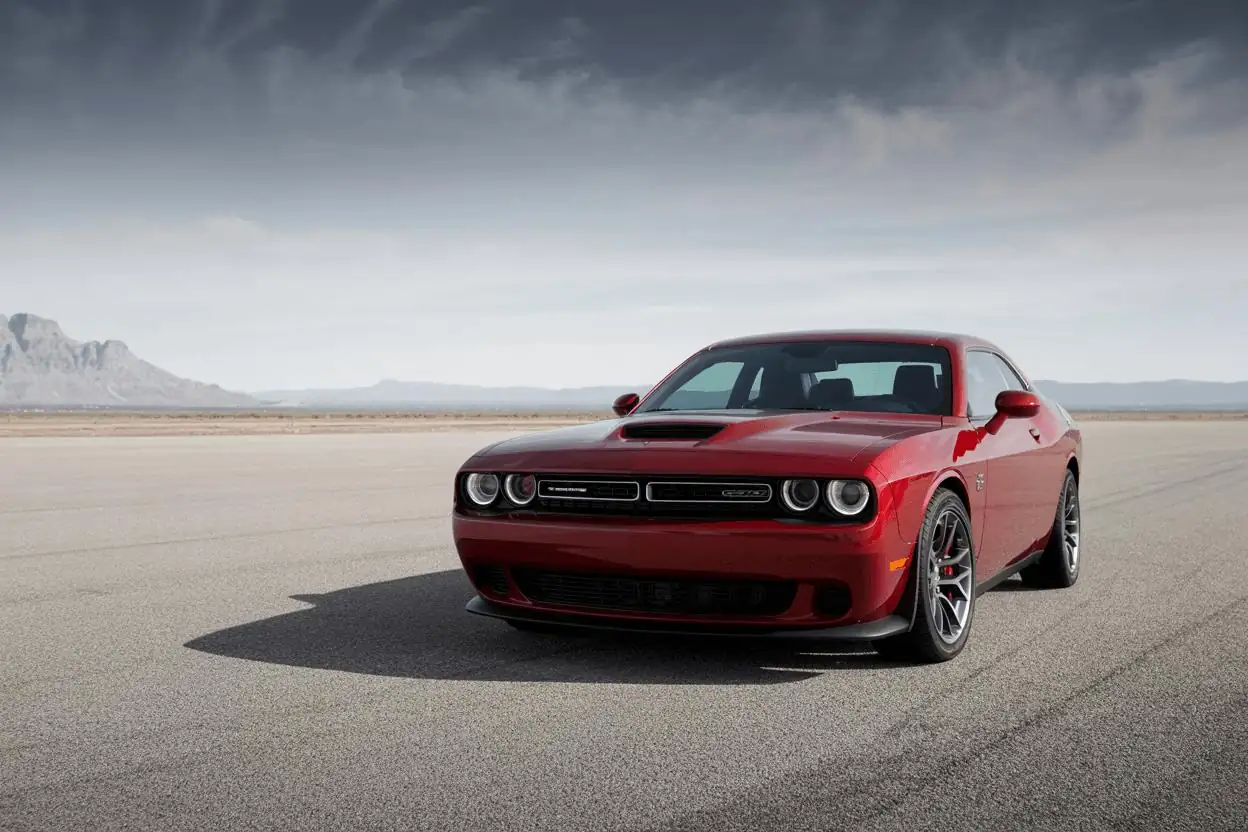
Pros & Cons
- Uniquely spacious muscle car
- Raw, naturally aspirated V8 character
- Iconic retro-modern styling presence
- Tech feels last-generation old
- Significant weight hampers agility
- Ownership costs accumulate quickly
2015 Dodge Challenger SRT 392 review with Vyocar
It’s a blissfully unapologetic, two-ton cannonball of retro muscle that proves you don’t need agility to deliver sheer, grin-inducing joy.
Overview
Let’s be honest about this 2015 Dodge Challenger SRT 392. It’s an American muscle car cosplaying as a pony car, all stuffed into a two-door coupe package. The star is the 6.4L engine, that glorious HEMI V8, shouting 485 horsepower and 475 lb-ft torque at the world. Those horsepower and torque figures aren’t just for show; they deliver stupid acceleration. We’re talking 0-60 mph in about 4.5 seconds and a quarter-mile that disappears in 12.4. While the base Dodge Challenger SXT offers a more budget-friendly entry point, the massive Brembo brakes are the only thing stopping this performance party from becoming a felony, and I’m grateful.
But plot twist: this land yacht delivers high value through sheer practicality. It’s bizarrely spacious. Actual passenger room for adults in a five-seat configuration? Believe it. Chevrolet SS shoppers will clock the same big-engine, daily-usable madness baked into this thing, just wrapped in a louder, coupe-first attitude. The cargo capacity is legit for a weekend getaway. The interior design commits fully to retro styling, a total throwback that runs on nostalgia. That wide stance and heavy curb weight, though, make it handle like a well-fed bull. Yet, it’s genuinely comfortable for long hauls, and the technology? It’s from 2015, so picture last decade’s smartphone glued to the dash.
What’s New for 2015
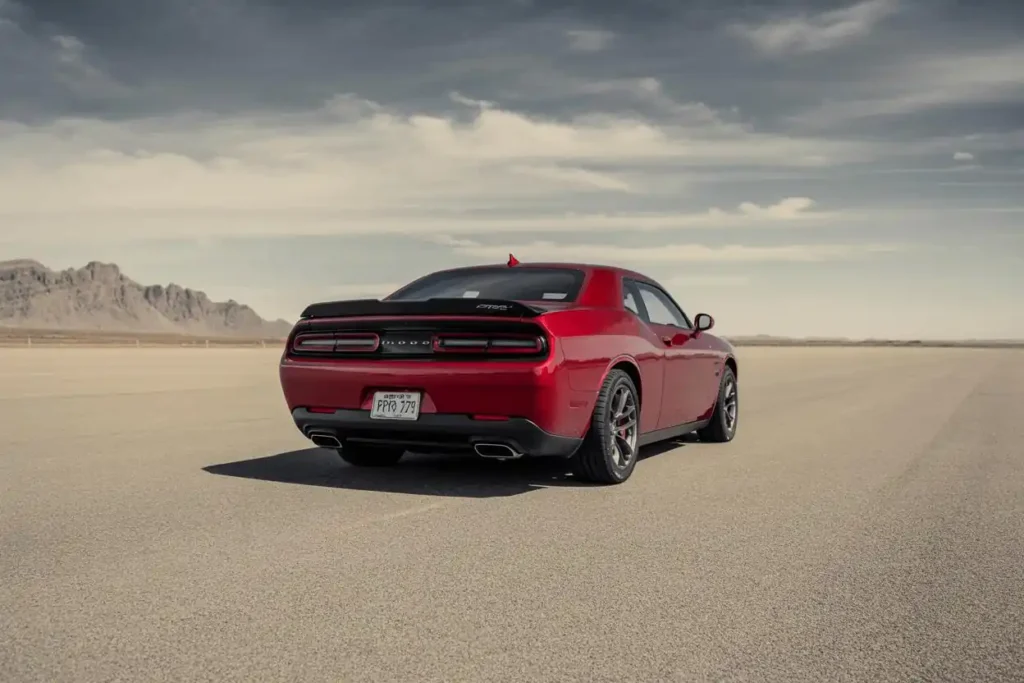
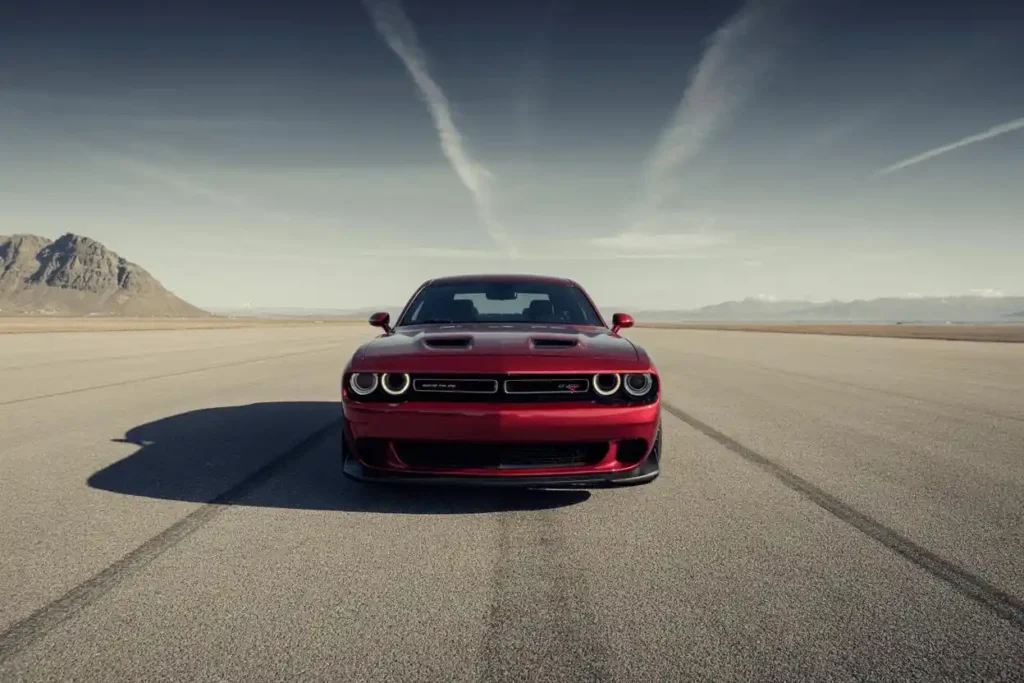
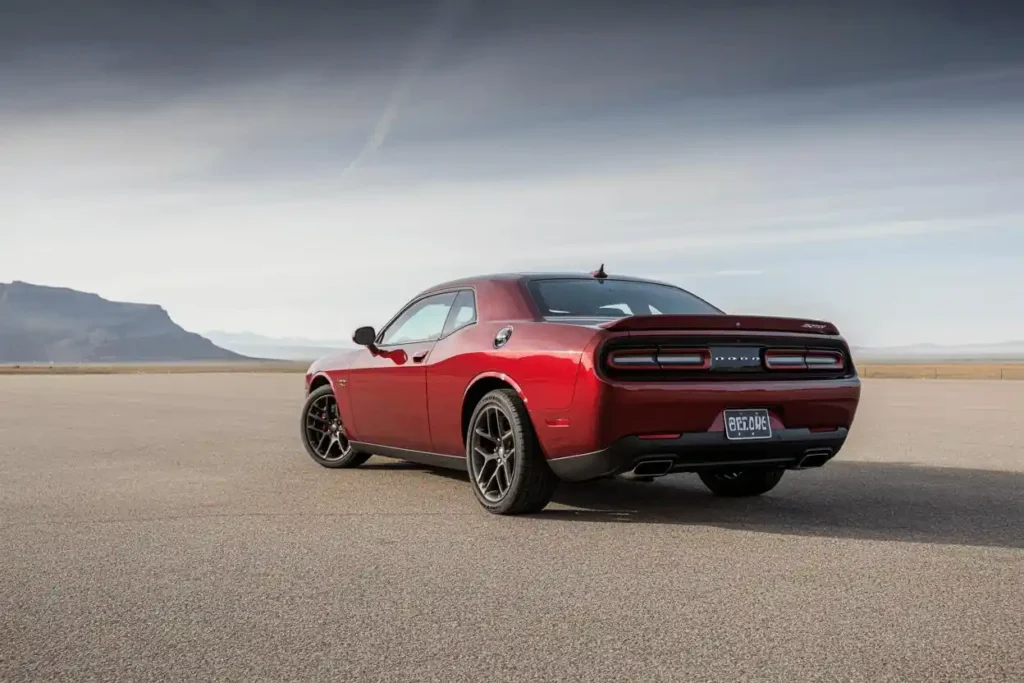
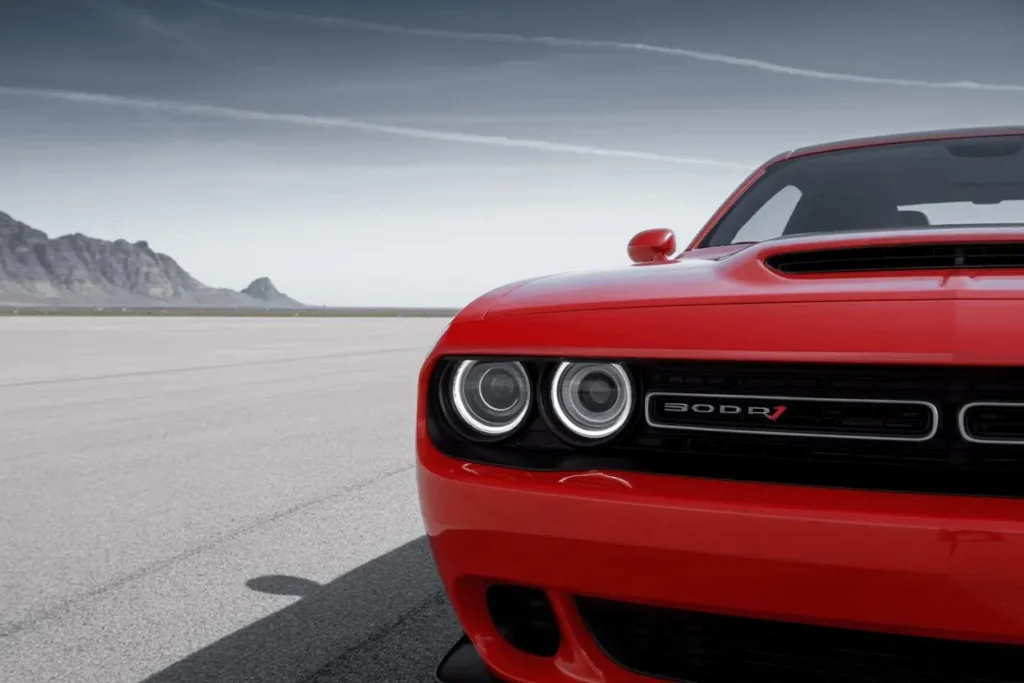
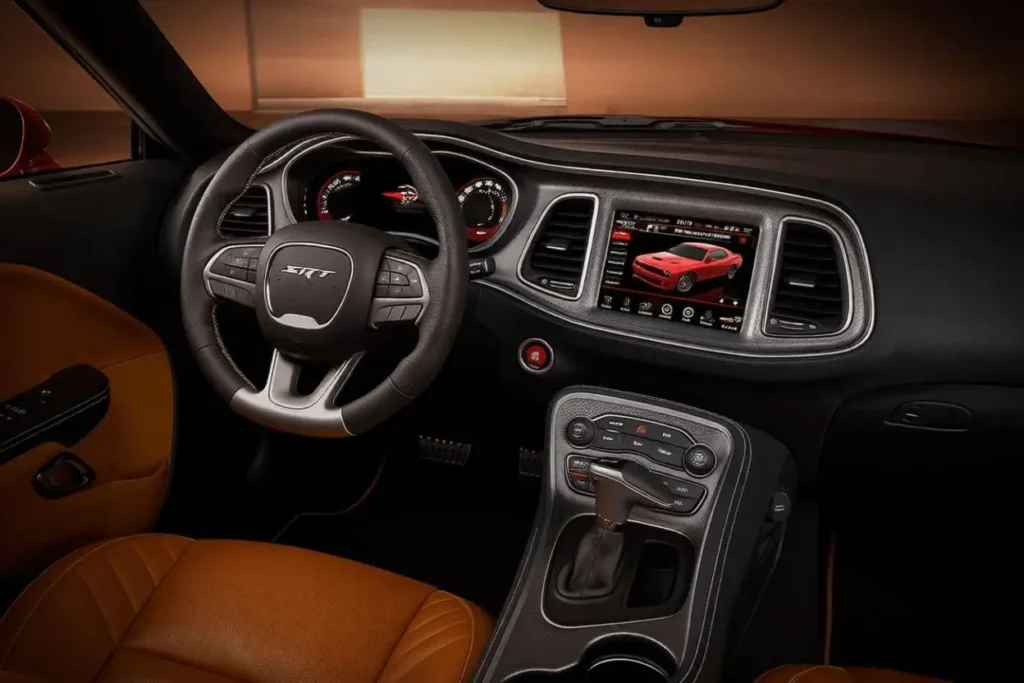
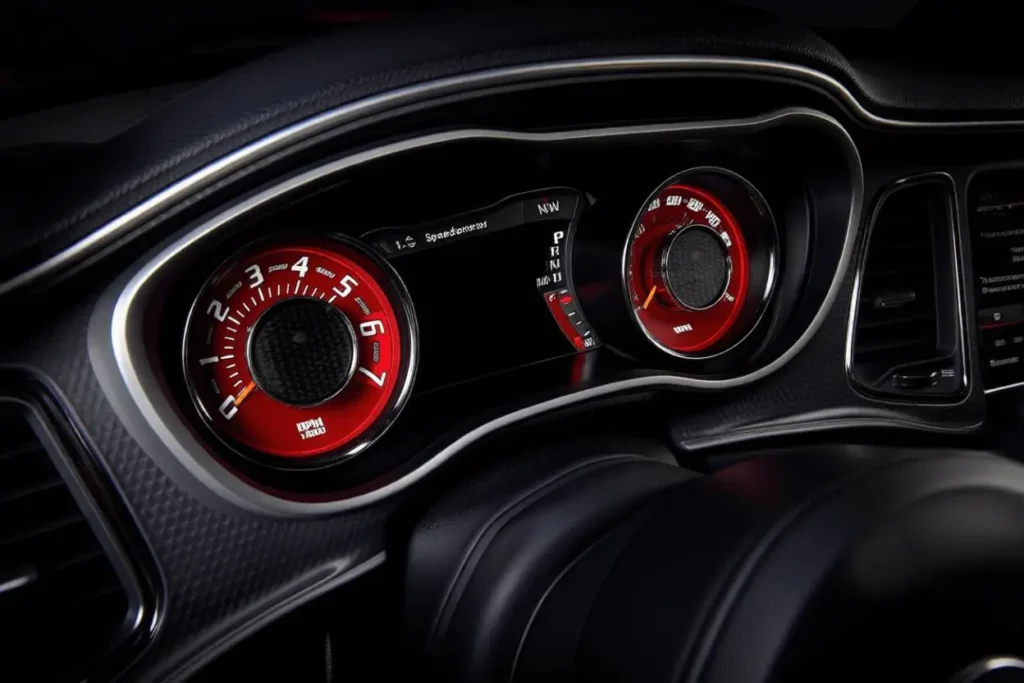
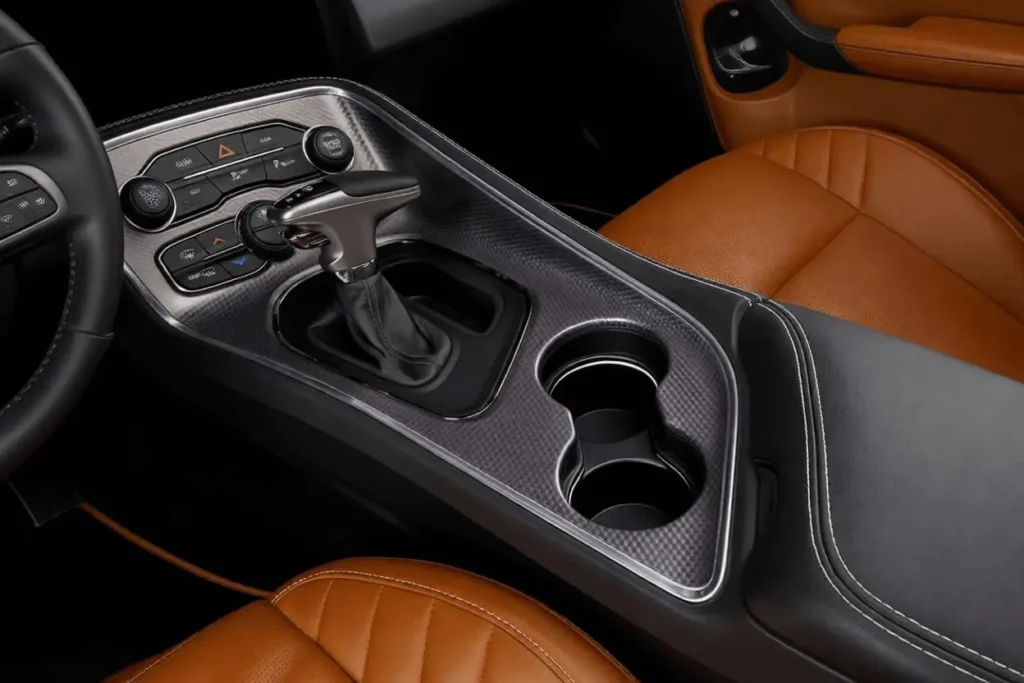
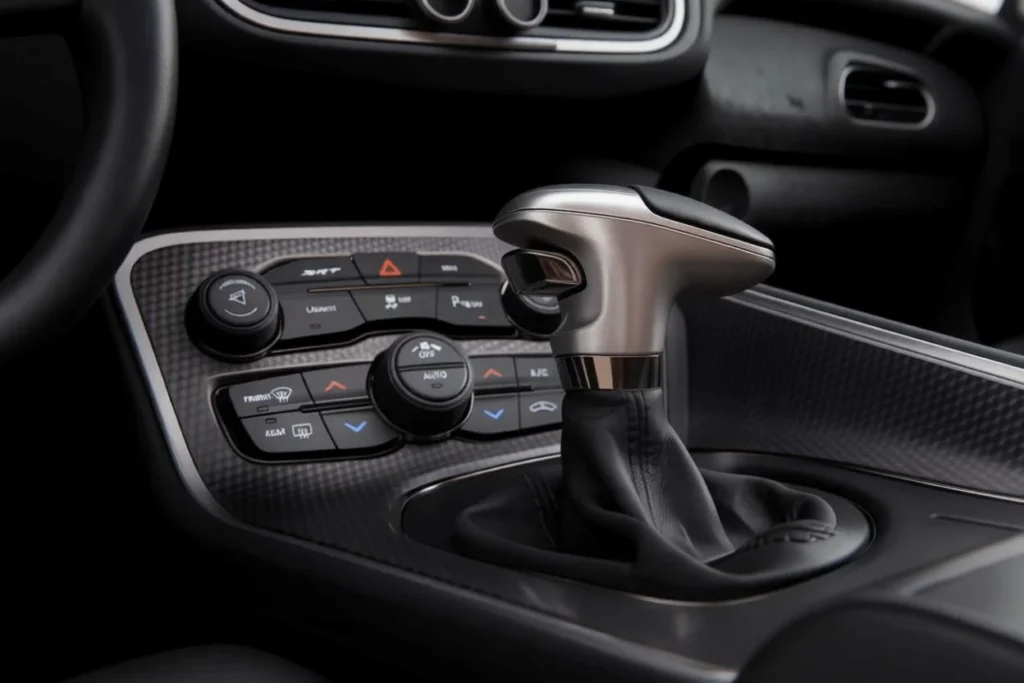
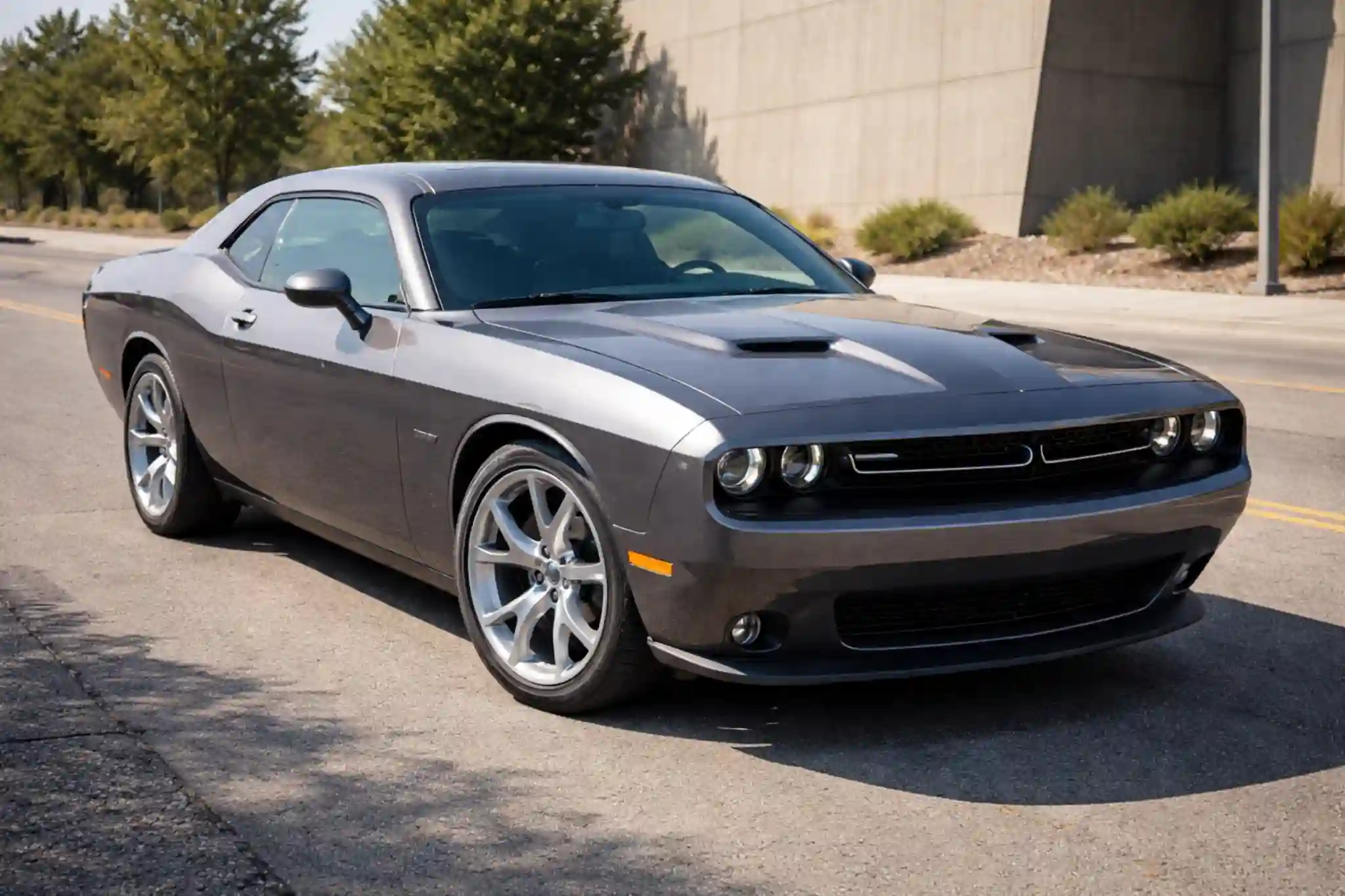
The 2015 refresh is more than a mid-life crisis makeup job. Up front, you immediately spot the split grille with its black mesh grille, those iconic quad-round headlights now crowned with modern LED halo rings, and a narrower front fascia that actually gives it a meaner stare. They topped it off with a new hood featuring functional forward air inlets. Around back, revised bumpers frame separated rear lights with dual LED taillamps and a sporty diffuser. Inside, the updated dashboard packs a 7.0-inch TFT gauge cluster and a center-stack display anchored by the excellent Uconnect 8.4 touchscreen. You also get a new shift knob, a smaller steering wheel wrapped in aluminum trim, and paddle shifters. It’s a proper tech and touch upgrade, though some materials still whisper “rental car.”
Under the skin is where the fun lives. The V8 now has a 15 hp increase and a 5 lb-ft increase, which is nice, but the star is the new 8-speed automatic. This gearbox is a hero in traffic and a quick-shifting fiend when you’re loud. They added launch control, selectable drive modes, and an adaptive suspension that lets you toggle between cushy cruiser and canyon carver. Does it make this two-ton bruiser feel agile? Surprisingly, yes. My gripe? That suspension in its firmest mode will communicate every pavement crack directly to your spine. But for a car that blends muscle with daily usability, these tweaks hit the mark.
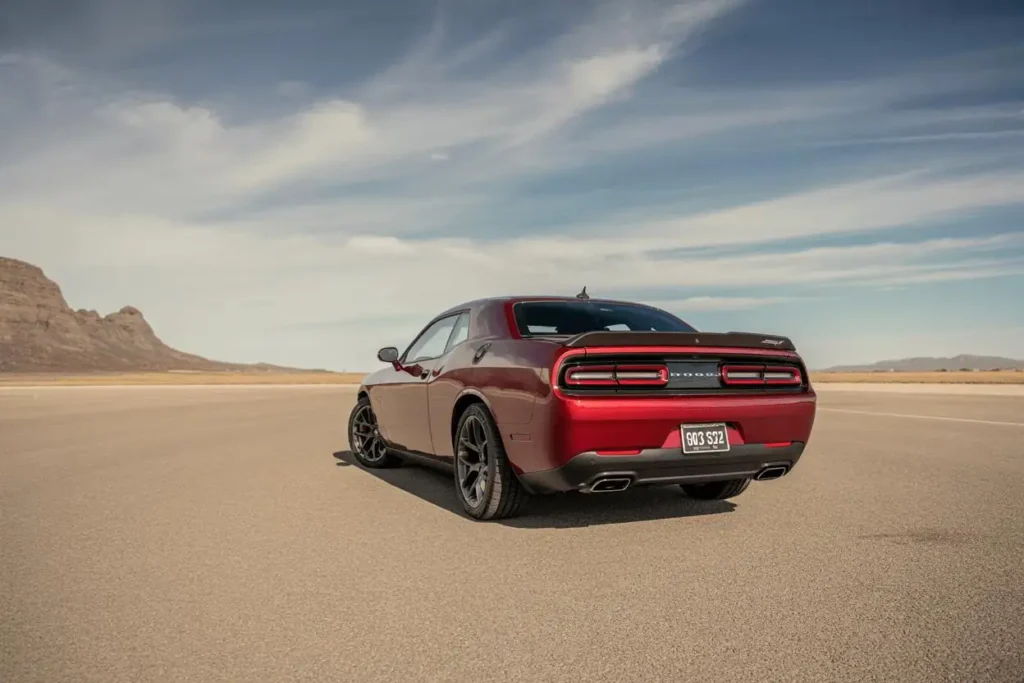
Pricing, Trim Levels, and Best Pick
Dodge offered a trim lineup that felt like a diner menu with too many pages. You had 10 trims spanning from the commuter-spec SXT and SXT Plus to the neck-snapping SRT Hellcat. The base MSRP started low, but don’t forget the destination charge that tacks on another grand. Optional packages could bloat your sticker price faster than a superhero sequel budget. For 2015, the real knife fight was between the 392 Scat Pack ($39,890) vs SRT 392 ($47,390). Seven grand more for the SRT badge? Please. The Hellcat (~$60k) was in another tax bracket entirely.
Here’s my take for best bang for buck: the 392 Scat Pack. Its price/performance ratio is stupid good, and it avoids the brutal depreciation of the top dogs. Check used price listings now, the resale value on Hellcats is softer than a luxury sedan. Equipment levels across the R/T, R/T Classic, R/T Plus, and R/T Shaker are fine, but you want the 6.4L V8. Your choice boils down to this: pay up for the SRT 392’s extra tweaks or pocket the difference. I’ve never heard a 392 Scat Pack owner voice regret. And that warranty? Standard Mopar, nothing special. So, for best value, grab a well-optioned 392 Scat Pack and thank me later.
Powertrain, Transmission, and Driving Dynamics
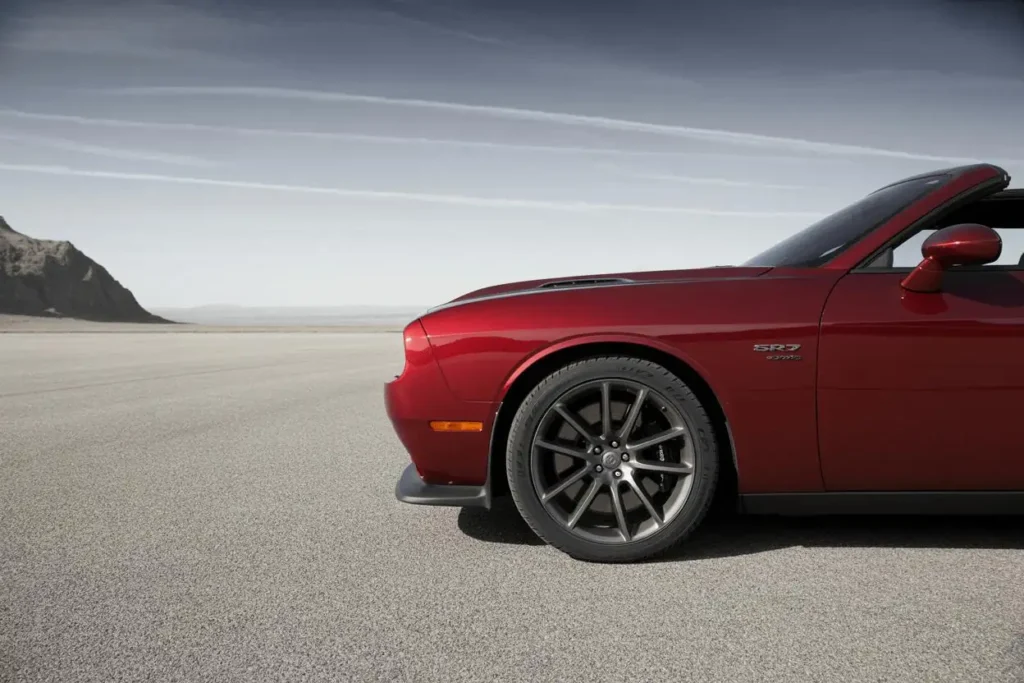
Let’s gut this dinosaur. The 6.4L HEMI V8 engine is a glorious anchor, pumping out 485 hp and 475 lb-ft torque. This naturally aspirated V8 offers a transmission choice: a 6-speed manual for masochists or a ZF 8-speed automatic for the sane. For anyone cross-shopping a Jeep Grand Cherokee SRT, the sheer brutality of this setup still feels like a step up in drama. I used the automatic’s shift paddles; Dodge boasts 160 ms shifts, and they’re convincingly sharp. The engine growl and V8 burble are a classic rock anthem. Acceleration is violent, thanks to a torque delivery that shoves you back and a throttle response with no delay. I saw 0-60 ~4.5s and a quarter-mile ~12.5s routinely, a legit feat given its weight (~4251 lb).
Now, the reality. That weight defines everything. The suspension is adjustable between Sport mode and Comfort mode, but Sport just makes it jittery. Handling? It’s a heavy chassis, so you get comical body roll, predictable understeer, and if you’re dumb, lurid oversteer. Drivers who daily a Dodge Charger R/T will feel right at home with this kind of big-bodied, confidence-over-finesse attitude. The steering feel is vague, though the grip and traction are tenacious for something this size. It drives like a well-dressed bulldozer.
The savior? Those Brembo brakes (6-piston front, 4-piston rear) clamping 390mm/350mm rotors. The braking power is monstrous, providing serious stability during panic stops. It can settle into a neutral stance mid-cornering if you’re gentle, but let’s not kid ourselves. This car is a cannonball, not a scalpel.
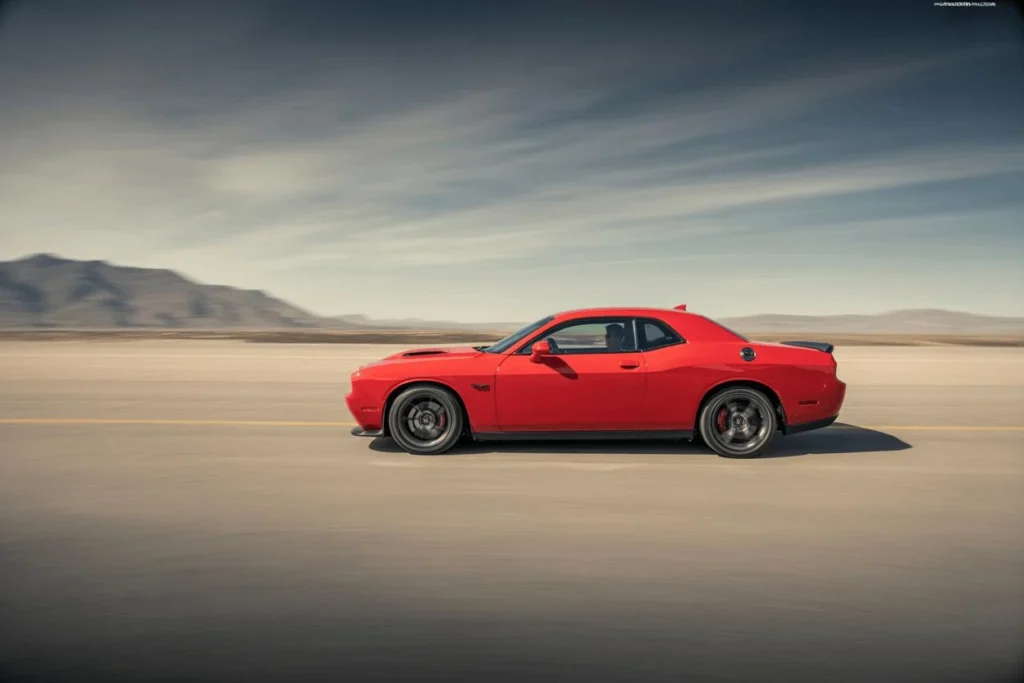
Dodge Challenger SRT Fuel Economy Test
The official EPA rating is 15 mpg city, 25 mpg highway, 18 mpg combined for the 8-speed auto. I tried the 6-speed manual variant, too, and let’s just say it loves petrol stations more. My real-world observed ~18.2 mpg average felt honest, with a best highway ~22 mpg when I behaved. Sure, it has cylinder deactivation and an Eco mode, but those feel like putting a diet soda next to a cheeseburger. This engine politely requests 91 octane, so your fuel consumption directly translates to gas mileage guilt. The dash’s mpg gauge became my personal accountant, grimly noting every lead-footed moment. Figure a fuel tank range that had me planning stops like a road trip general. The cost of fuel? Consider it your ticket to that glorious exhaust note.
Interior, Comfort and Space
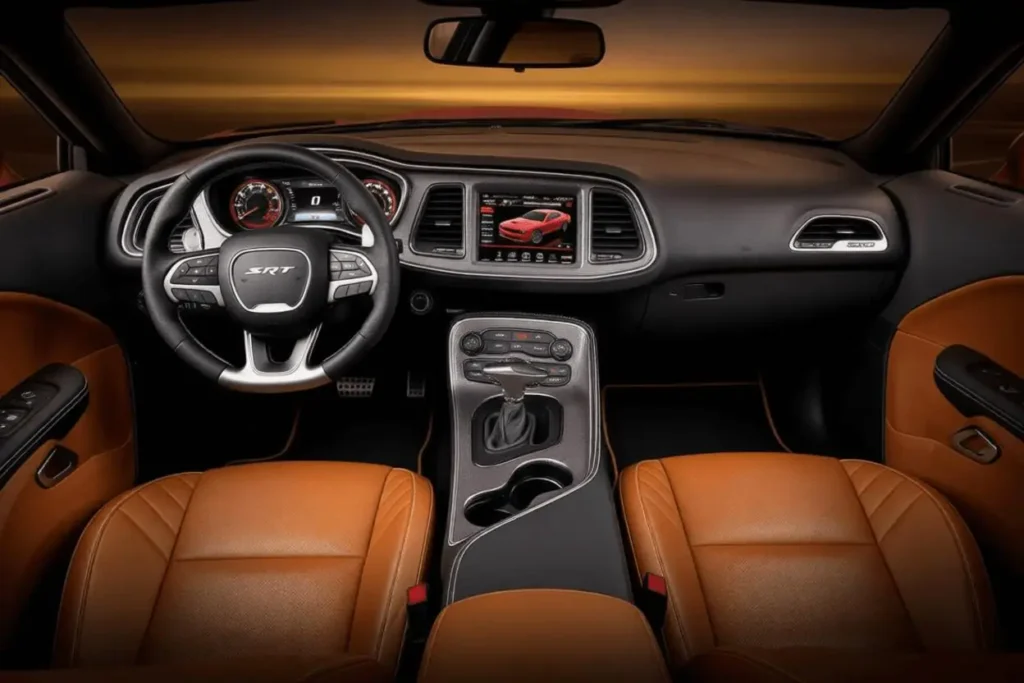
Slip inside, and the spacious interior immediately jokes about its coupe shape. Dodge claims seating for five, but let’s be honest: the rear seat room is best for kids or groceries. For seating for four adults, it works if your friends are willing to trade some legroom and headroom for style. If you’ve spent time in a Dodge Challenger R/T Plus, the overall layout will feel familiar, but this cabin’s bolstering and material choices step things up. Up front, the comfortable front seats are these supportive bucket seats with serious bolster support to hold you in during corners. My tester had leather/suede seats that felt grippy and looked sharp, a step above the rental car vibe.
The interior materials mix a soft-touch dashboard with aluminum trim that catches the light nicely. The new center stack design houses the Uconnect 8.4 touchscreen, which is still a win for usability—quick responses and clear menus. The gauge cluster is classic muscle car, but readable. I appreciate the revised HVAC controls; they’re simple knobs, no digging through menus. The smaller steering wheel fits better in the cockpit, giving a more connected feel. Cabin insulation is decent, but you’ll hear the V8 rumble, which is no complaint. Overall, comfort and ergonomics are sorted, making this a liveable daily driver.
Cargo Space & Family Practicality
If you’re eyeing a 2015 Challenger SRT 392, you’re not cross-shopping minivans. But for the record, that trunk capacity 16.2 cu.ft. offers a cargo volume that’ll surprise you, especially with a wide trunk opening for awkward bags. The rear seat, however, is a penalty box for adults, and with no folding seats (if any), the 2-door practicality story ends quickly. Think of it as a coupe with a generous closet.
Now, family practicality is a stretch. Yes, you can force a child seat using the LATCH anchors, but visibility is tragically bad—like wearing horse blinds. The interior space feels airy upfront, a perk of the long wheelbase, but that also creates a turning diameter 37.4 ft, making parking lots a tactical puzzle. Daily usability suffers; for everyday use, it’s manageable if you’re stubborn. Passenger comfort is fine for two, but cargo management? That’s just a fancy term for “heave it into the trunk.”
Infotainment, Connectivity & Tech
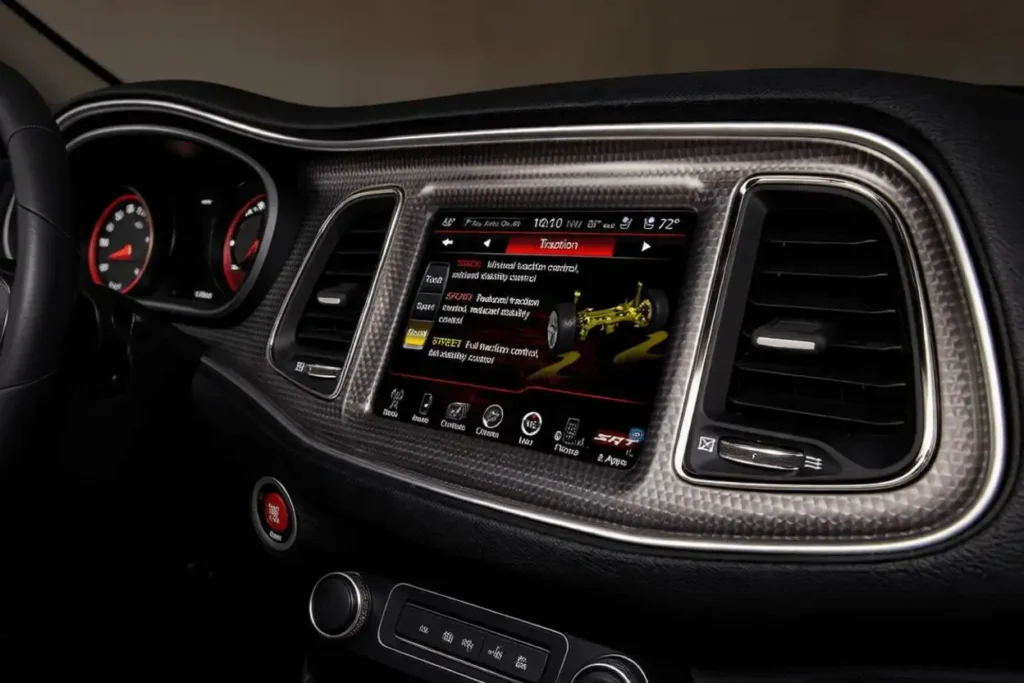
The Uconnect infotainment system in this 2015 beast hinges on that 8.4-inch touchscreen. It’s reasonably quick, but after a week, you feel its generation gap. Bluetooth pairs easily, while smartphone integration sometimes fights your phone like a stubborn sibling. You get two USB ports buried in the console, a laughable number today. The navigation system functions, but your phone’s maps are sharper. HD radio sounds clean, and SiriusXM satellite radio provides channels for days. Voice control? It mishears me more than my teenager.
Now, the premium audio from that 18-speaker system delivers serious volume, though tire roar on concrete highways muddles the detail. The touchscreen interface is straightforward, but it smudges if you breathe on it. My favorite gimmick? The Performance Pages display, a setup muscle sedan fans will recognize from Dodge’s earlier SRT-era cars like the Dodge Charger SRT8. It swaps digital gauges for performance metrics, letting you obsess over 0-60 and quarter-mile stats. It’s cool for a drag strip, pointless for groceries. Cruise control is standard, not smart. The proximity key and push-button start are convenient, yet the key fob feels like cheap plastic. Remote start is a genuine perk for chilly mornings, though its range is shorter than my patience. This tech suite works, but it asks for your forgiveness.
Safety Features & Driver Assistance
Let’s address the electronic nannies and metal cocoon meant to balance your poor decisions with all that horsepower. You get the full array: driver and passenger airbags, front side airbags, and curtain airbags wrapping you in a puffy cloud of last resort. It has child-seat anchors (LATCH) in back, though installing one feels like solving a Tetris block behind my seat. The computers—stability control (ESC), traction control, ABS brakes, electronic brake assist, and electronic brake distribution—are busy herding cats, constantly smoothing out your lead-footed impulses. They get the job done, but with the subtlety of a stage whisper.
For daily driving, the blind-spot monitoring and rear parking sensors are genuine helpers, crucial given the car’s yacht-like sightlines. The backup camera is clear and non-negotiable. Tire-pressure monitoring is present, though it only whispers a warning light instead of giving actual numbers. The security alarm is basic theater. And at the core, you have the mundane heroes: your seat belts and the car’s built-in crash protection. The IIHS noted an “Acceptable” rating in that tricky small overlap test—hardly a trophy, but it means the safety story here is competent, not charismatic. It’s a sensible checklist for a car that encourages silliness.
Warranty and Ownership Costs
Let’s gut-check the long-term romance with this pavement-chewing relic. Frankly, the cost of ownership is where the fantasy meets a sobering bank statement. Dodge starts you off with a basic warranty 3-year/36,000-mile, fine for new-car jitters. The real value is in the powertrain warranty 5-year/100,000-mile and the corrosion warranty 5-year/ unlimited, which are legit peace of mind for a car built in the analog era. Thank heaven for the roadside assistance 5-year/100,000-mile, because calling a flatbed is a rite of passage. Now, prepare for pain: depreciation is steep, as this brute isn’t rare yet. Insurance cost feels like you’re insuring a minor crime spree. Maintenance is predictable but pricey for the Hemi’s thirst, and out-of-warranty repairs will make you wince. Reliability? Let’s call it “character-building.” In the end, that robust warranty coverage is the only thing stopping this dream from becoming a fiscal nightmare.
Final Verdict: Should You Buy the 2016 Cadillac CTS?
Honestly, if your mental well-being craves a thrill with every ignition, this muscle car’s adrenaline punch is therapy. The sheer fun from its roaring V8 guarantees a stupid grin factor, while the iconic styling and head-turning presence feed its unique character and pure enthusiast appeal. Yes, the performance satisfaction is massive, but so is the everyday compromise, it handles like a friendly sofa, and you’ll budget for tires and fuel. When judging cost vs. fun, the price hurts, yet the value shines in those raw, smile-inducing drives. My recommendation? If you’re cool with the trade-offs, buy it and never look back.
FAQs about the 2015 Dodge Challenger SRT 392
Daily UseIs the 2015 Dodge Challenger SRT 392 a good daily driver or just a weekend muscle car?
PerformanceHow fast is the 2015 Dodge Challenger SRT 392 and what are its key performance specs?
OwnershipWhat should buyers know about 2015 Dodge Challenger SRT 392 fuel economy, reliability, and ownership costs?
| SPEC | DETAIL |
|---|---|
| Engine | 6.4-liter naturally aspirated HEMI V8 (392ci) |
| Horsepower / Torque | 485 hp @ 6,100 rpm • 475 lb-ft @ 4,200 rpm |
| Transmission Options | 6-speed Tremec TR-6060 manual • 8-speed ZF TorqueFlite 8HP70 automatic |
| Drivetrain | Rear-wheel drive (RWD) |
| 0–60 mph | ~4.3–4.5 seconds (auto) • ~4.6 seconds (manual) |
| Quarter-Mile | ~12.4–12.6 seconds @ ~112–115 mph |
| Top Speed | ~175 mph (with 8-speed automatic) • ~174 mph (manual) |
| EPA Fuel Economy | Manual: 14 city / 23 highway / 17 combined • 8-speed auto: 15 city / 25 highway / 18 combined |
| Real-World MPG | ~15–19 mpg combined (owners report) • Highway best ~22 mpg |
| Fuel Tank | 18.5 gallons |
| Recommended Fuel | Premium unleaded (91 octane) |
| Curb Weight | ~4,251 lbs (manual) • ~4,297 lbs (automatic) |
| Suspension | Adaptive suspension (Bilstein) • Sport mode & Comfort mode • Short/long-arm front • Multi-link rear |
| Steering | Hydraulic power steering (heavier feel vs electric) |
| Brakes | Brembo performance brakes: 6-piston front w/ 390mm rotors • 4-piston rear w/ 350mm rotors |
| Wheels / Tires | 20-inch SRT wheels • 245/45ZR20 front and rear (all-season or performance tires) |
| Differential | Limited-slip differential |
| Drive Modes | Sport • Track • Default • Custom • Launch Control |
| Interior Highlights | Leather/Suede performance seats • 7-inch TFT display • Uconnect 8.4 touchscreen |
| Cargo Capacity | 16.2 cu.ft. trunk (largest in muscle car class) |
| Safety Ratings | IIHS: Acceptable small overlap front • Good moderate overlap • Good roof strength |
| Warranty | 3yr / 36k basic • 5yr / 100k powertrain • 5yr corrosion (unlimited) • 5yr roadside assist |
| Author | Hafiz Sikandar, automotive journalist and senior editor at VyoCar. |
|---|---|
| Expertise | Testing American muscle cars, high-displacement V8 performance coupes, and retro-inspired modern pony cars since 2016, with a focus on real-world acceleration behavior, chassis balance under load, braking performance, interior ergonomics, and the long-term usability of heavyweight rear-wheel-drive platforms across varied U.S. driving environments. |
| Focus Areas | Naturally aspirated HEMI-powered performance cars, large-displacement sport coupes, daily-drivable muscle machines, and value-centered trims such as Scat Pack and SRT models — with special attention on power delivery, suspension tuning, cabin practicality, infotainment usability, and ownership costs for enthusiast buyers. |
| Disclosure | The 2015 Dodge Challenger SRT 392 used for this review was independently sourced for testing. Dodge/Stellantis had zero involvement in the evaluation, editorial direction, or final verdict. All impressions, acceleration times, fuel economy observations, and handling assessments reflect direct testing conducted over several days of mixed city, highway, and spirited backroad driving. |
This Post Has 5 Comments
Pingback: Review : 2016 Dodge Charger Is a Grown Up's Muscle Toy
Pingback: The 2016 Chevrolet SS Feels Like a Secret Handshake - Vyocar : New Car Reviews, Buying Advice and News
Pingback: 2016 Jeep Grand Cherokee SRT Is a Brutal Family Hauler
Pingback: 2014 Dodge Charger SRT8 the loud sedan I couldnt quit
Pingback: 2013 Dodge Challenger R/T Plus a flawed cruiser you still love